Fine Motor Skills Normal Tracing Lines and Curves Worksheets for Ages 3-8
3 filtered results
-
From - To
Enhance your child's fine motor skills with our engaging tracing lines and curves worksheets designed for ages 3-8. These printable activities feature a variety of fun shapes and patterns that encourage little hands to develop coordination and control. Tracing helps improve pre-writing skills, essential for handwriting success, while fostering creativity. With colorful graphics and age-appropriate exercises, children will enjoy practicing their fine motor skills in a playful context. Ideal for use at home or in the classroom, our worksheets are a valuable resource for nurturing young learners' abilities. Download your free worksheets today and watch your child’s skills flourish!
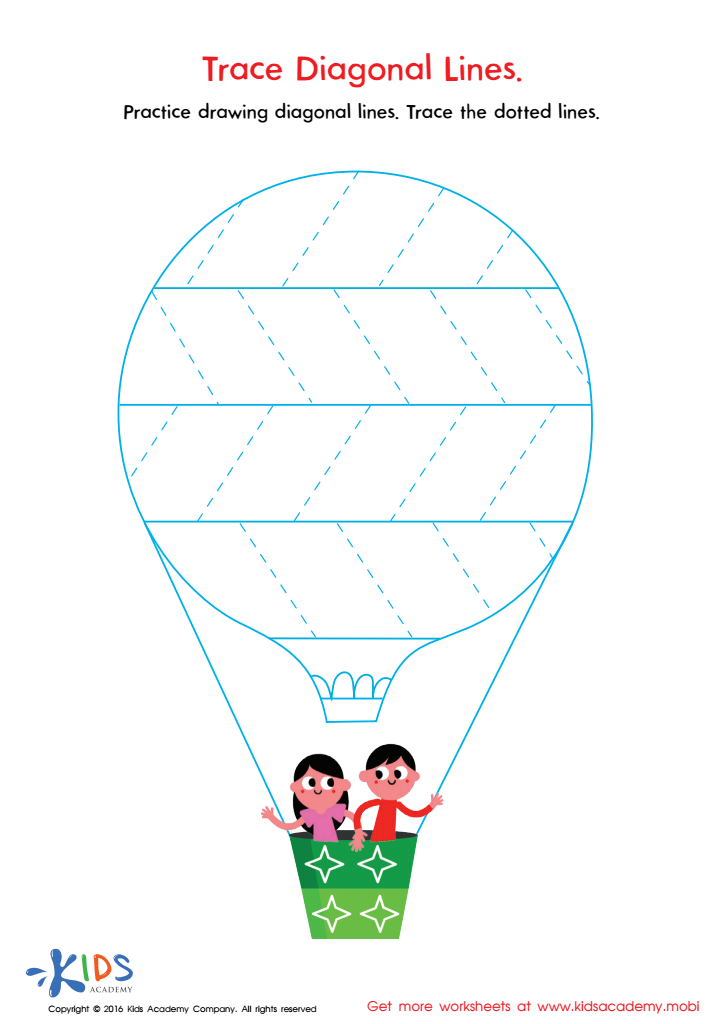
Trace Diagonal Lines Worksheet
 Assign to My Students
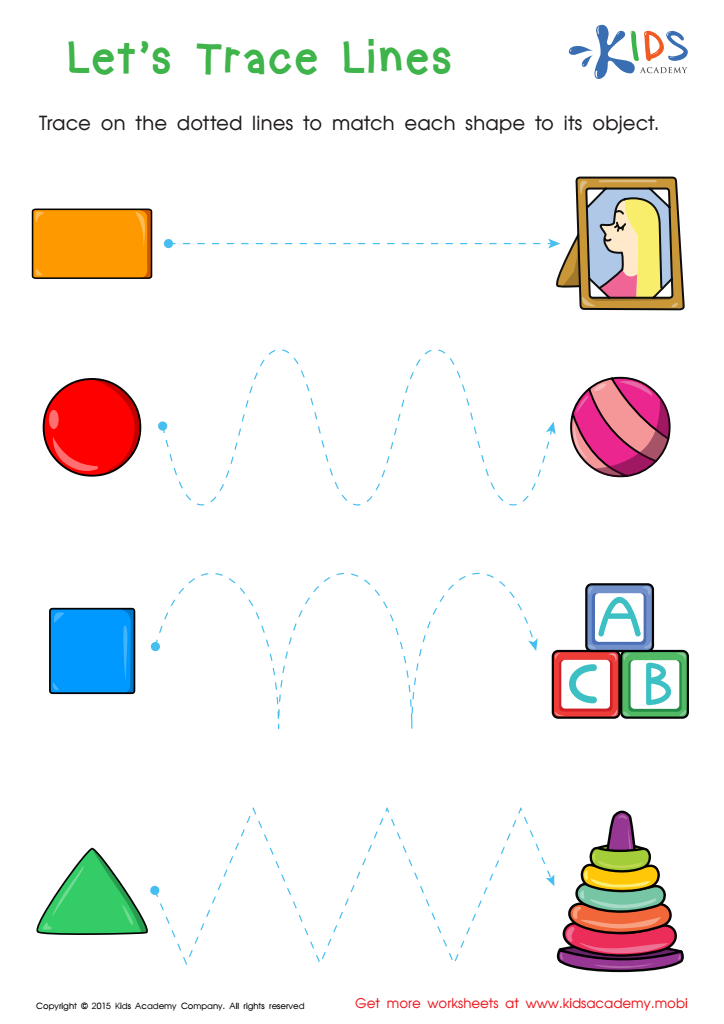
First Words: Let's Trace Lines Worksheet
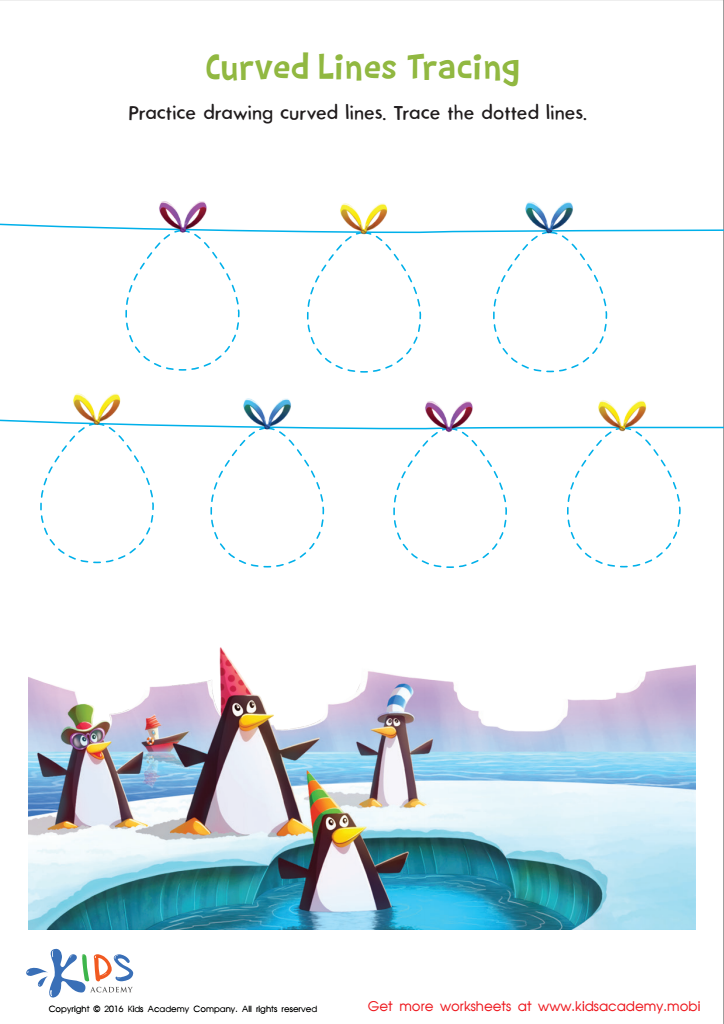
Curved Lines Tracing Worksheet




Fine motor skills are crucial for young children's overall development, particularly between ages 3-8. Mastering activities like normal tracing of lines and curves lays the foundation for more complex tasks, including writing, drawing, and cutting. These skills directly contribute to children's ability to participate in classroom activities and engage in creative self-expression.
For parents and teachers, nurturing fine motor skills is vital for fostering independence in children. Proficient fine motor abilities mean children can effectively manage everyday tasks, such as buttoning clothing, tying shoelaces, and using tools. Improved coordination and control enhance children's confidence and willingness to engage in more challenging activities.
Additionally, tracing lines and curves can improve hand-eye coordination, an essential aspect of later learning and daily activities. These skills also promote cognitive development as children learn to focus their attention, follow directions, and practice patience.
Ultimately, investing time in developing fine motor skills through tracing prepares children for future success in academic and personal endeavors. It equips them with the necessary tools to enhance their creativity and problem-solving abilities, ensuring they are well-rounded and ready for the increasingly complex tasks ahead. Therefore, parents and teachers should prioritize activities that foster these essential skills in early education.







