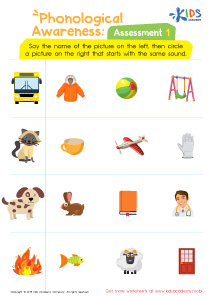
Phonics Skills Normal Two Letter Phonics Worksheets for Ages 3-8
6 filtered results
-
From - To
Discover our engaging Two-Letter Phonics Worksheets designed for children ages 3-8! These interactive printables help young learners develop essential phonics skills through fun activities that reinforce letter recognition and sound association. Perfect for early education settings or at-home learning, our worksheets support literacy development while keeping children entertained. Each worksheet is crafted to encourage phonemic awareness and enhance reading readiness in a smooth, enjoyable manner. With colorful illustrations and age-appropriate tasks, your child will build a solid foundation in phonics while gaining confidence in their skills. Explore the joy of learning with our comprehensive collection of phonics worksheets today!
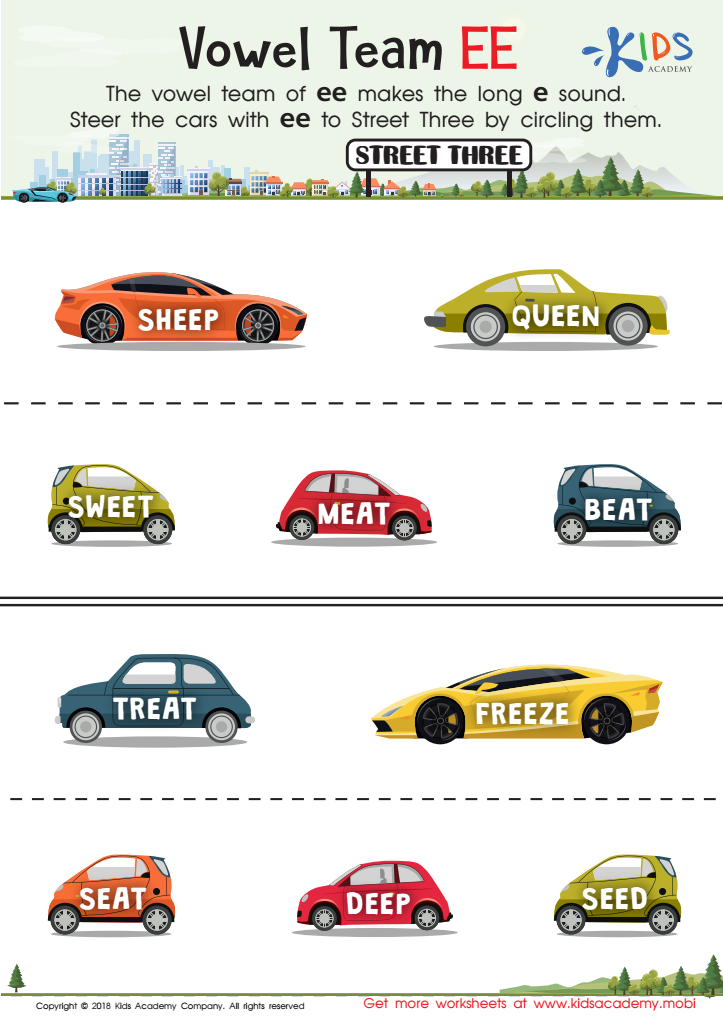
Vowel team ee Worksheet
 Assign to My Students
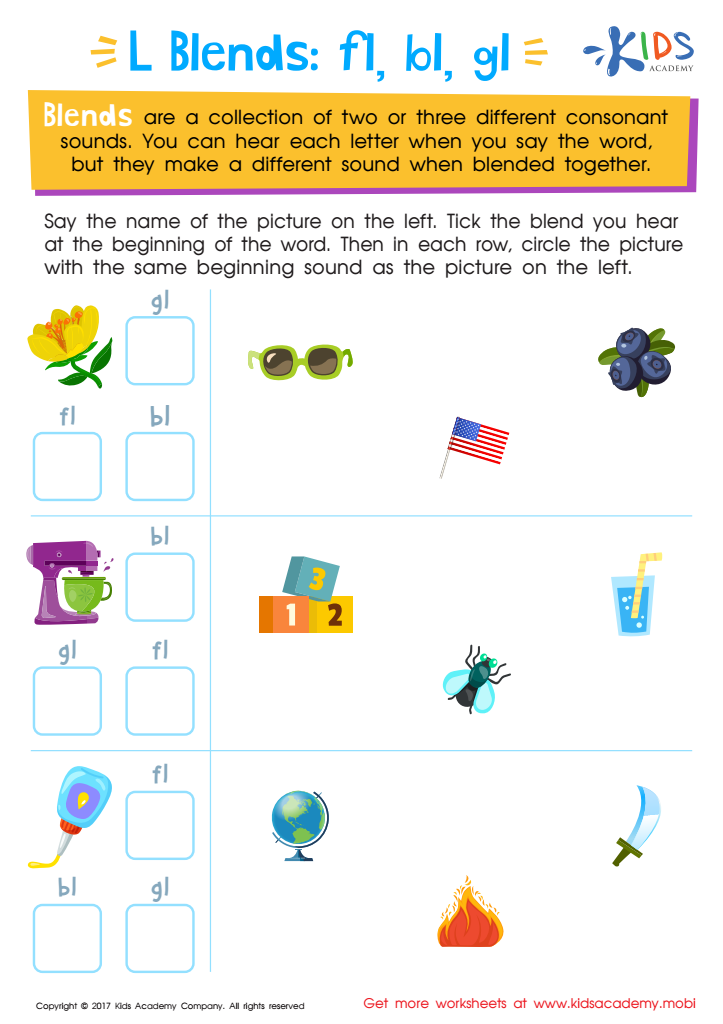
Blending Consonants: "Fl", "Bl" and "Gl" Printable
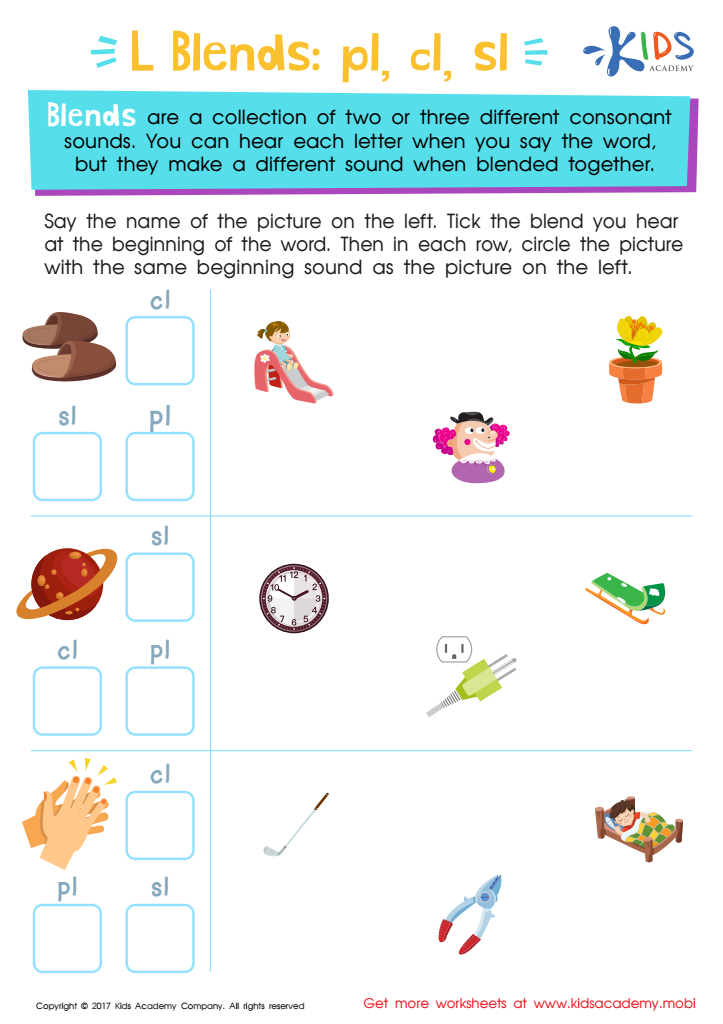
L Blends: "Pl", "Cl" and "Sl" Printable
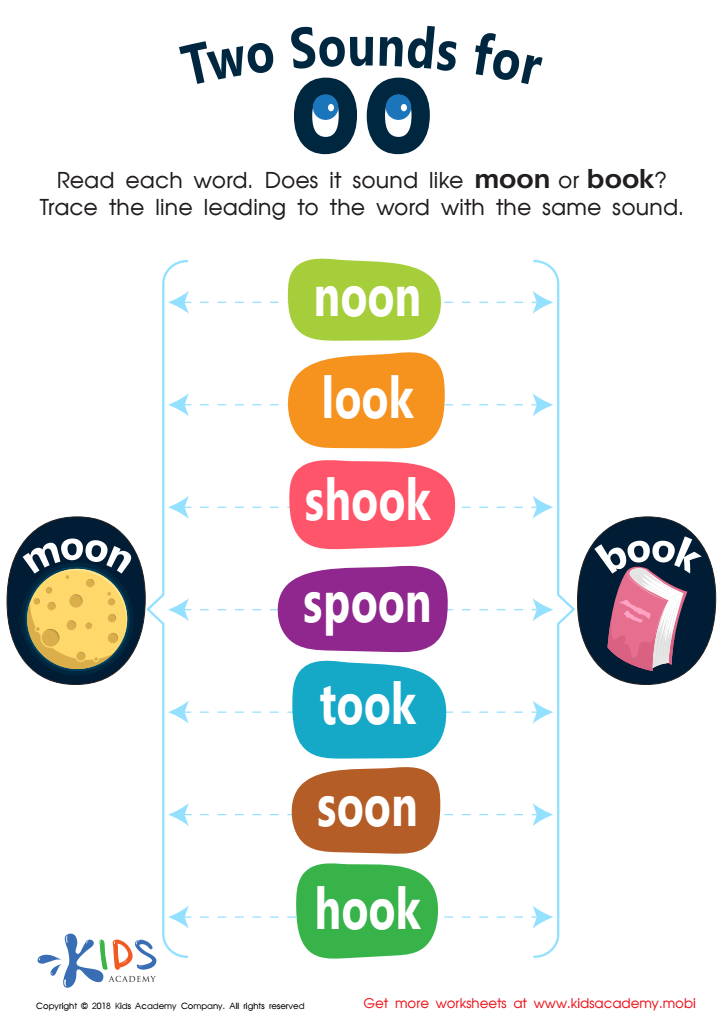
Two Sounds for OO Worksheet
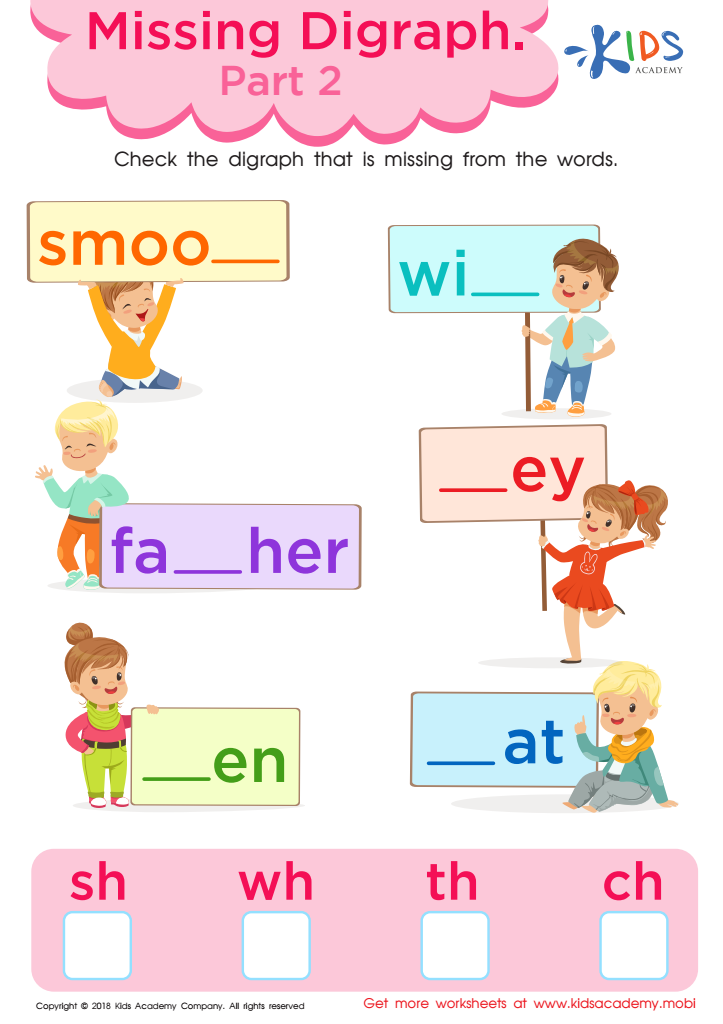
Missing Digraph: Part 2 Worksheet
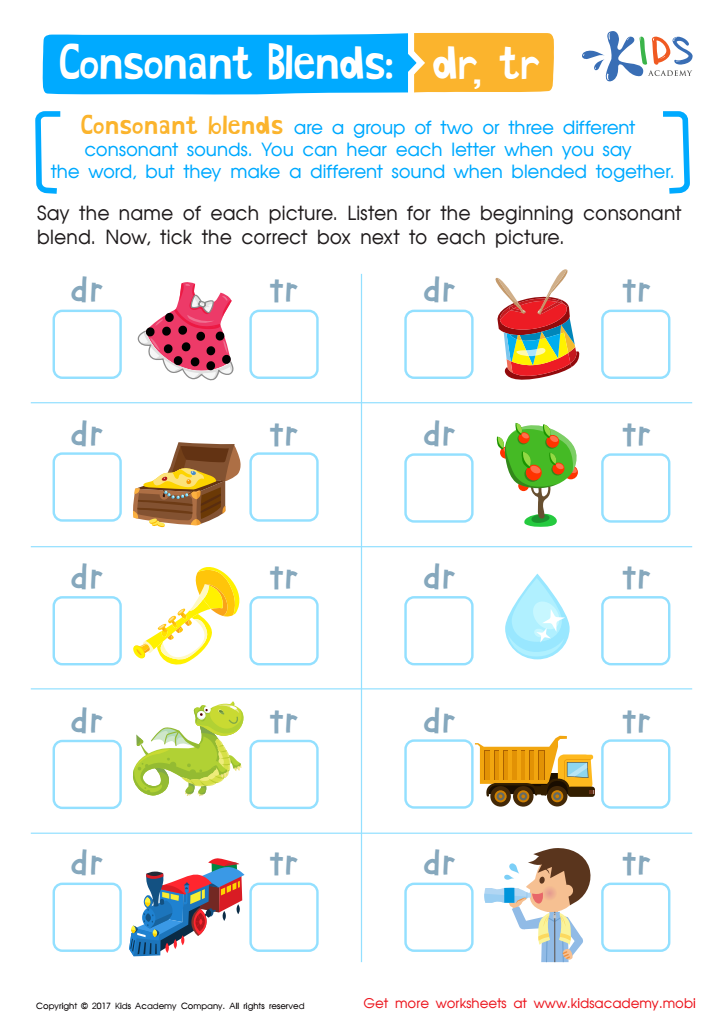
Consonant Blends: "Dr" and "Tr" Printable



Phonics skills, particularly normal two-letter phonics, are crucial for children aged 3-8 as they form the foundation for literacy. Understanding these basic phonetic combinations empowers young learners to decode words, enhancing their reading fluency and comprehension. When children learn to recognize and pronounce two-letter phonics, they gain confidence in their ability to sound out new words, which is critical for developing their overall reading skills.
For parents and teachers, focusing on phonics at this stage ensures that children are equipped with essential skills that promote successful reading habits. Phonics instruction makes the reading process systematic and enjoyable, leading to a more engaged learner. Children who have a strong grasp of phonics are better prepared for more complex reading challenges as they progress through school, significantly impacting their academic achievement.
Moreover, early phonics education helps prevent reading difficulties later in life. By strengthening these skills during formative years, parents and teachers contribute positively to a child's academic journey, fostering a lifelong love for reading and learning. Investment in phonics is a clear pathway to enriching a child’s educational experience and clearing potential barriers to literacy development. Therefore, focusing on normal two-letter phonics presents an invaluable opportunity for nurturing skilled, confident readers.