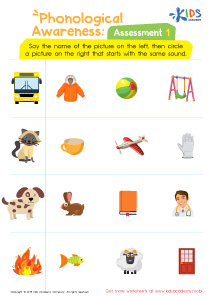
Hand-eye Coordination Normal Vowels Worksheets for Ages 3-8
4 filtered results
-
From - To
Enhance your child's learning experience with our Hand-eye Coordination Normal Vowels Worksheets designed for ages 3-8. These engaging and interactive worksheets combine essential vowel recognition with fun hand-eye coordination activities. Perfect for young learners, our materials promote the development of fine motor skills while they identify and practice normal vowels. Each worksheet features vibrant illustrations and age-appropriate tasks that keep kids motivated and actively involved in their learning journey. Whether at home or in the classroom, these resources provide a comprehensive approach to early literacy and physical skill-building. Start your child on the path to success today with our colorful and educational worksheets!
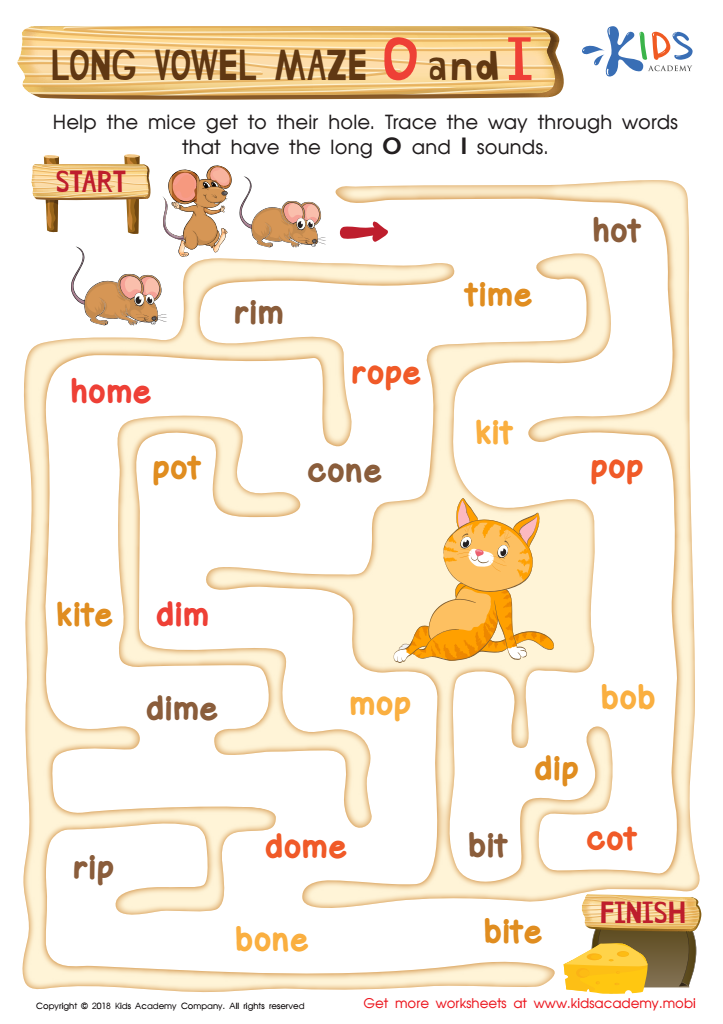
Long Vowel Maze /o/ and /i/ Worksheet
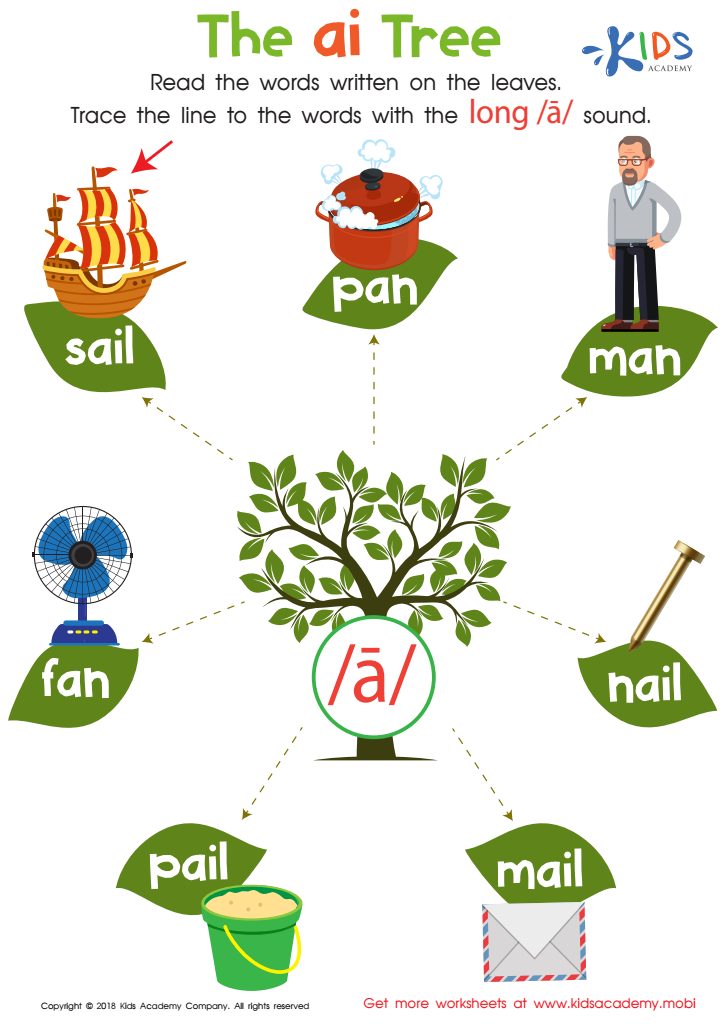
The AI Tree Worksheet
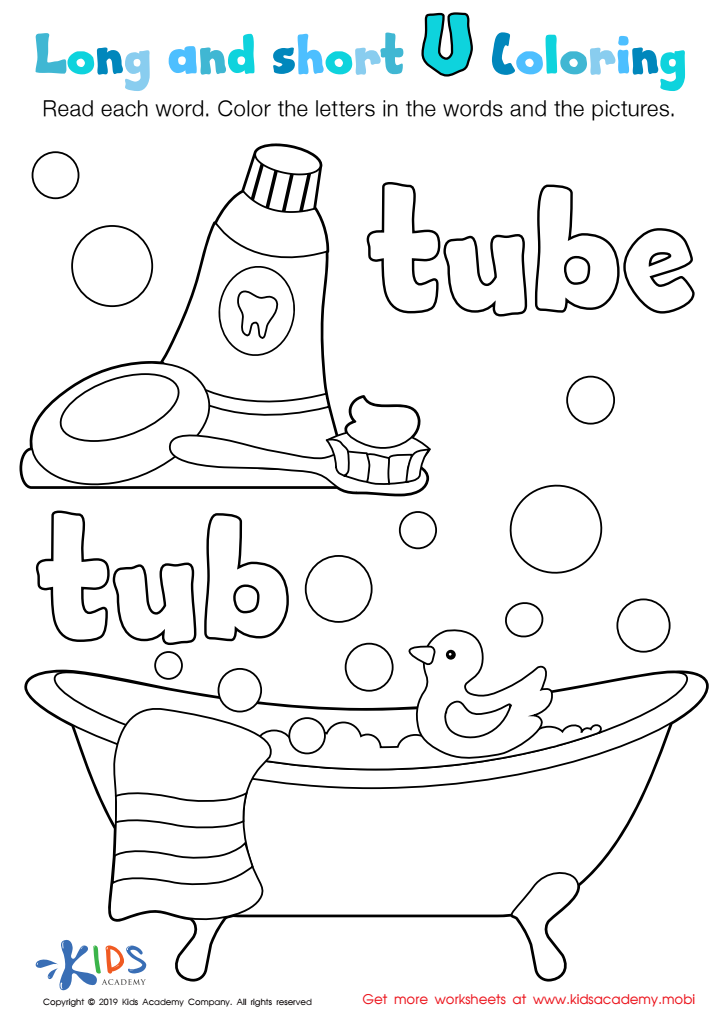
Long and Short U Worksheet
 Assign to My Students

Long and Short E Worksheet
Assign to My Students





Hand-eye coordination is a crucial developmental skill for children aged 3-8, as it impacts their ability to interact with their environment effectively. This skill enables kids to perform daily tasks such as writing, drawing, and sports, which are essential for their overall physical and cognitive growth. Parents and teachers should prioritize activities that enhance this coordination, as it not only improves motor skills but also boosts confidence and promotes independence.
Additionally, good hand-eye coordination often correlates with academic success. For instance, when children can accurately control their hand movements, they tend to excel in writing and other classroom tasks that require precision. These foundational skills provide a strong base for more complex skills, such as reading and math, both of which utilize fine motor skills and visual processing.
Moreover, engaging in hand-eye coordination activities fosters creativity and exploration. Simple games, crafts, and exercises can be integrated into daily routines, making learning fun and effective. By nurturing these skills early on, parents and teachers equip children with the necessary tools to face academic challenges and daily life tasks, ensuring a smoother transition into later educational stages. It’s a small investment in time and effort that can lead to significant long-term benefits for children’s development.