
Phonics skills development Normal Vowels Worksheets for Ages 3-8
4 filtered results
Difficulty Level
Grade
Age
-
From - To
Subject
Activity
Standards
Discover our "Phonics Skills Development: Normal Vowels Worksheets" designed for ages 3-8. Our engaging and educational resources help young learners master vowel sounds, an essential foundation for reading proficiency. Each worksheet incorporates fun activities that develop phonemic awareness, pronunciation, and letter recognition. With a variety of exercises, students will strengthen their understanding of short and long vowels while enjoying a hands-on learning experience. Perfect for classroom use or at-home practice, our worksheets support parents and teachers in fostering early reading skills. Boost your child’s phonics skills today with our expertly crafted vowel worksheets!
Favorites
With answer key
Interactive
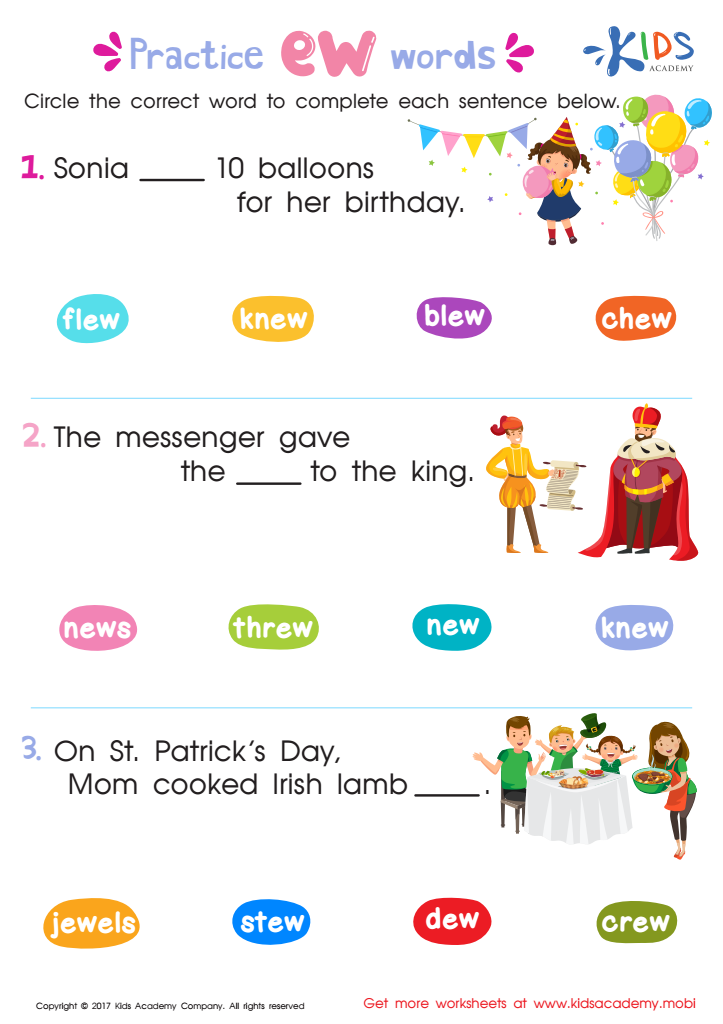
EW Words Worksheet
Practice the diphthong ew and boost your child's vocabulary with this fun ew words worksheet! Filled with illustrations, it will help your child hone their reading and spelling skills. Plus, the tricky words will make it both enjoyable and rewarding!
EW Words Worksheet
Worksheet
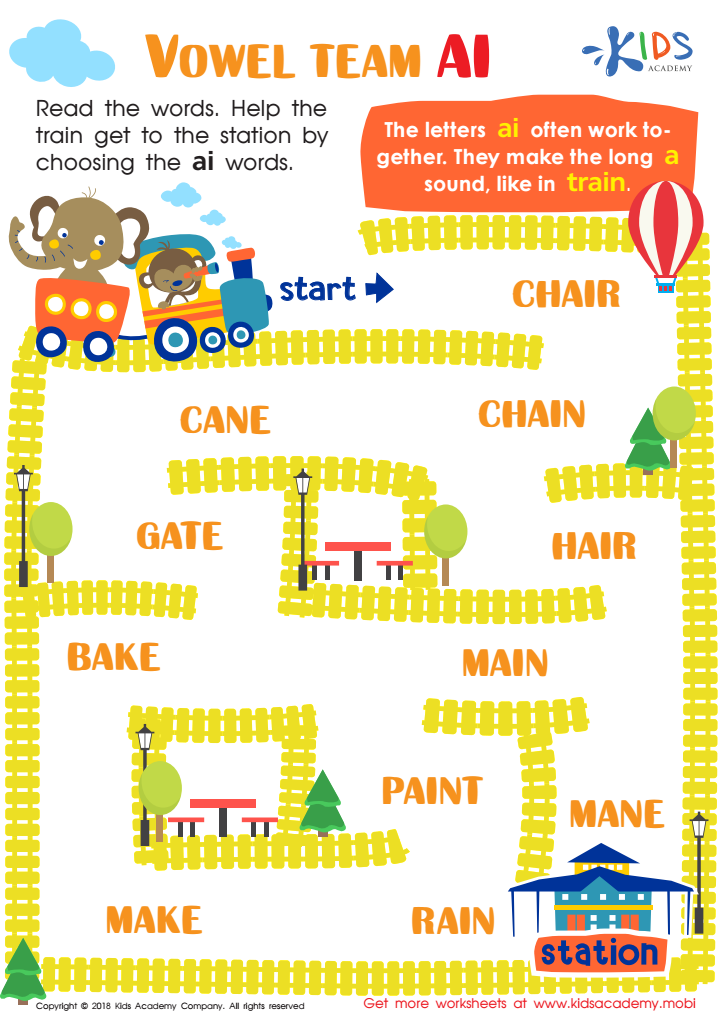
Vowel team ai Worksheet
Kids will have a blast learning about the -ai digraph with this fun worksheet. They'll read words with it and practice their motor skills as they help the animal duo get back to the train station. With success, they'll smile and enjoy the activity!
Vowel team ai Worksheet
Worksheet
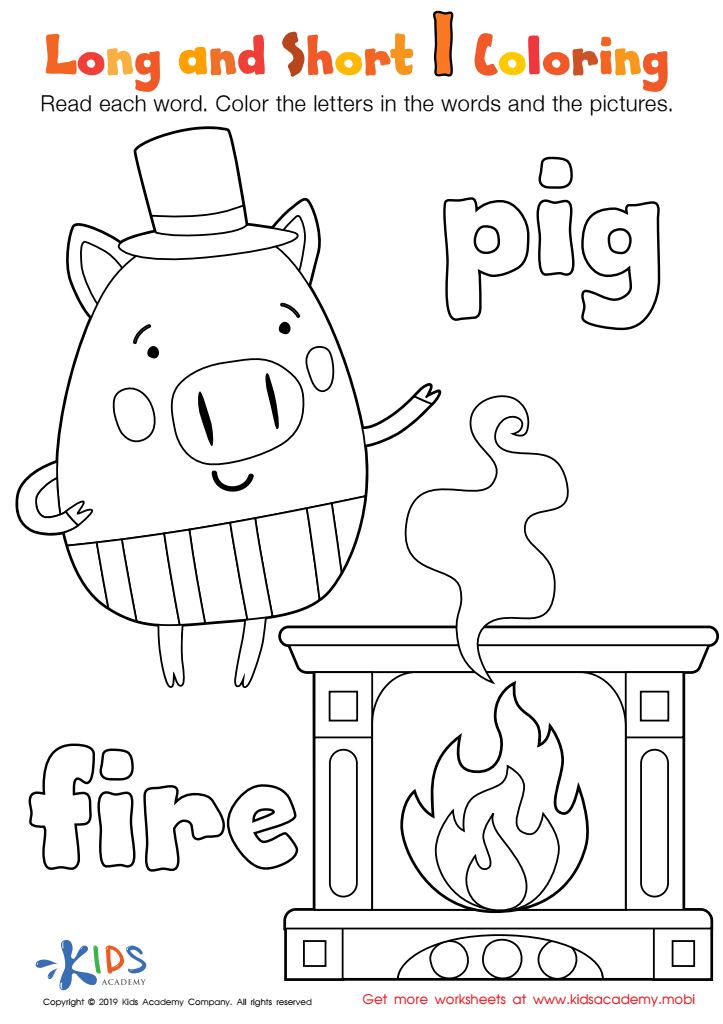
Long and Short I Worksheet
Print the worksheet and have the students read "pig" and "fire". Check for understanding the difference between long and short vowels. Color in words and pictures to make learning phonics fun! This exercise is perfect for introducing the topic to your students.
Download (PDF)
 Assign to My Students
Assign to My Students
Long and Short I Worksheet
Worksheet
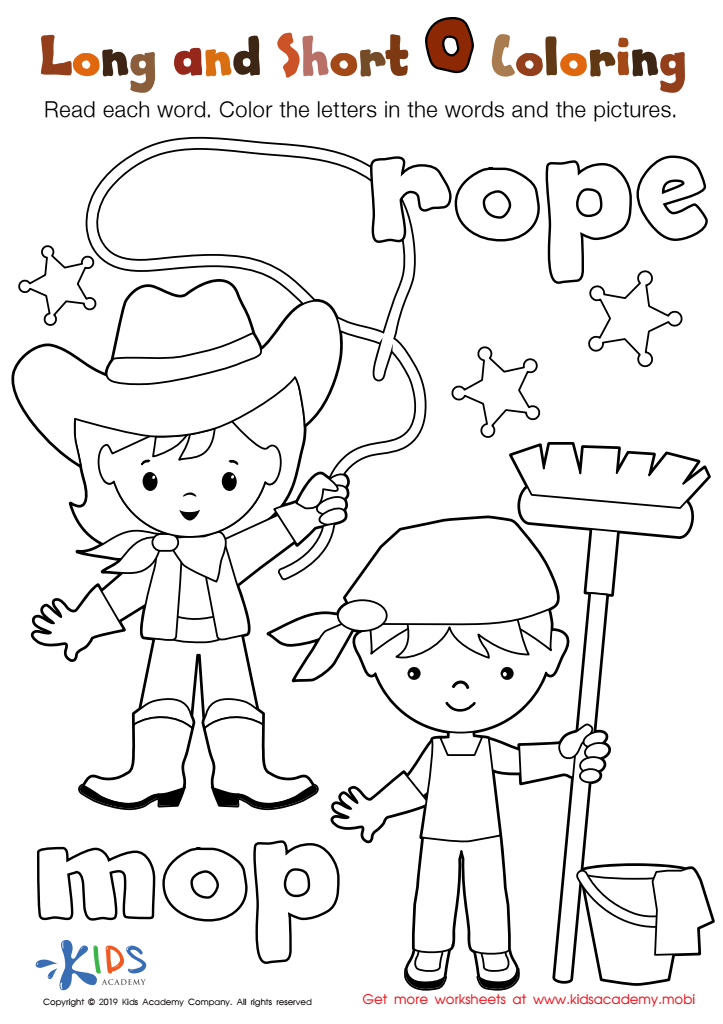
Long and Short O Worksheet
Help your students recognize the difference between long and short «Os» with this fun printout. Let them read and color-in "rope" and "mop" simultaneously. Listen to the different sounds, then color the words and pictures. Great for classes, it'll make your phonics lesson memorable and enjoyable.
Download (PDF)
Assign to My Students
Assign to My Students
Long and Short O Worksheet
Worksheet
Join Kids Academy for Free
Who is primarily going to use this learning content?





Phonics skills development, particularly the recognition and understanding of normal vowels, is a critical component of early childhood education for children aged 3-8. This foundational aspect of language acquisition underpins the ability to decode words, which is essential for reading fluency and comprehension. When children grasp normal vowel sounds, they can better blend and segment words, enhancing their ability to sound out new or unfamiliar words independently.
Parents and teachers should prioritize phonics skills because it directly impacts academic confidence and success. Early readers who master these skills are typically more proficient in other subjects, as reading is fundamental to learning in areas such as math, science, and social studies. Additionally, strong phonics skills contribute to improved spelling and writing abilities, enabling children to communicate more effectively.
Developing these skills at a young age can also foster a lifelong love of reading. Children who struggle with reading early on often experience frustration and may develop a negative attitude towards learning. By focusing on phonics, parents and teachers can create a more engaging and enjoyable learning environment, promoting curiosity and intellectual growth.
In essence, phonics skills open doors to comprehensive literacy and are a pivotal aspect of cognitive development, making them a vital focus for the educational journey of young children.






