Spelling practice Normal Vowels Worksheets for Ages 3-8 - Page 2
30 filtered results
-
From - To
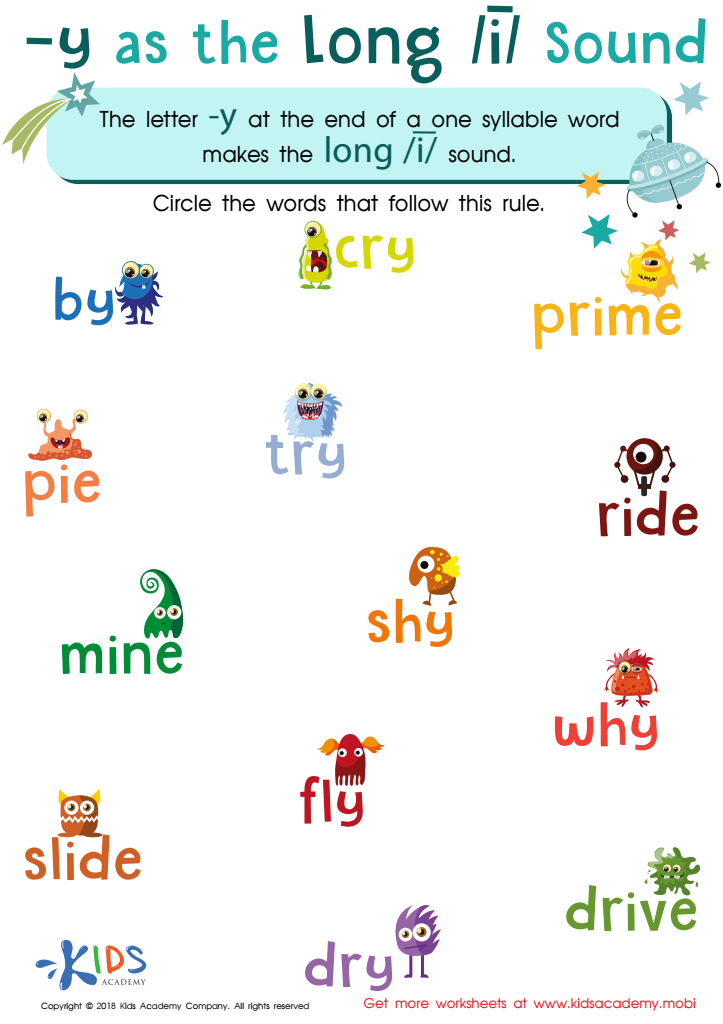
Reading: Y as Long I Worksheet
 Assign to My Students
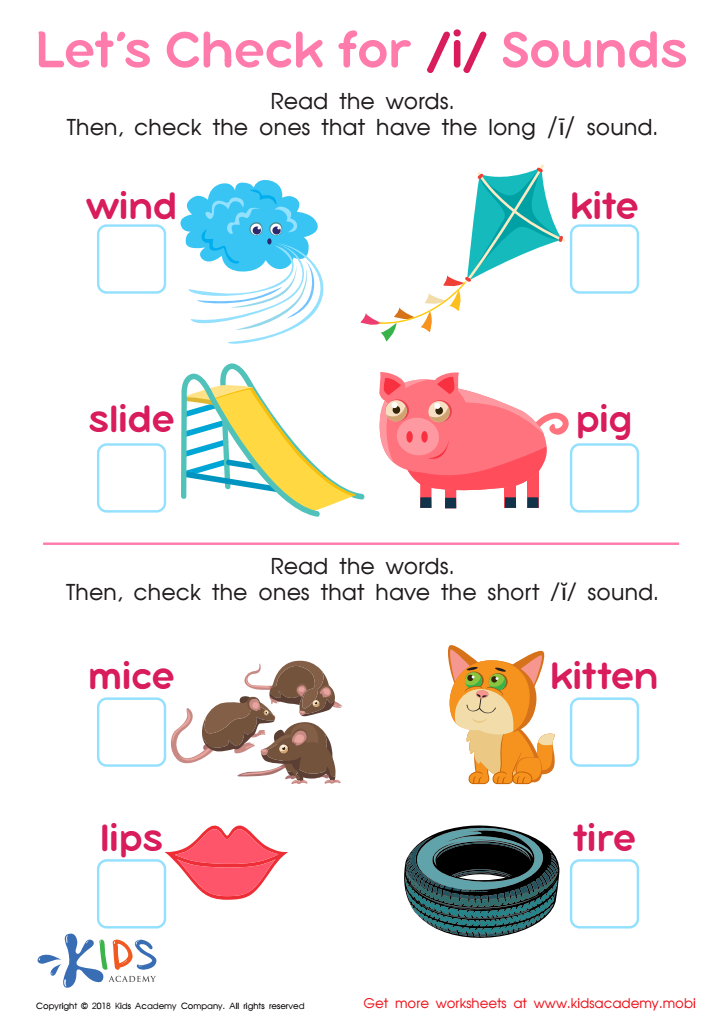
Let's Check for «i» Sounds Worksheet
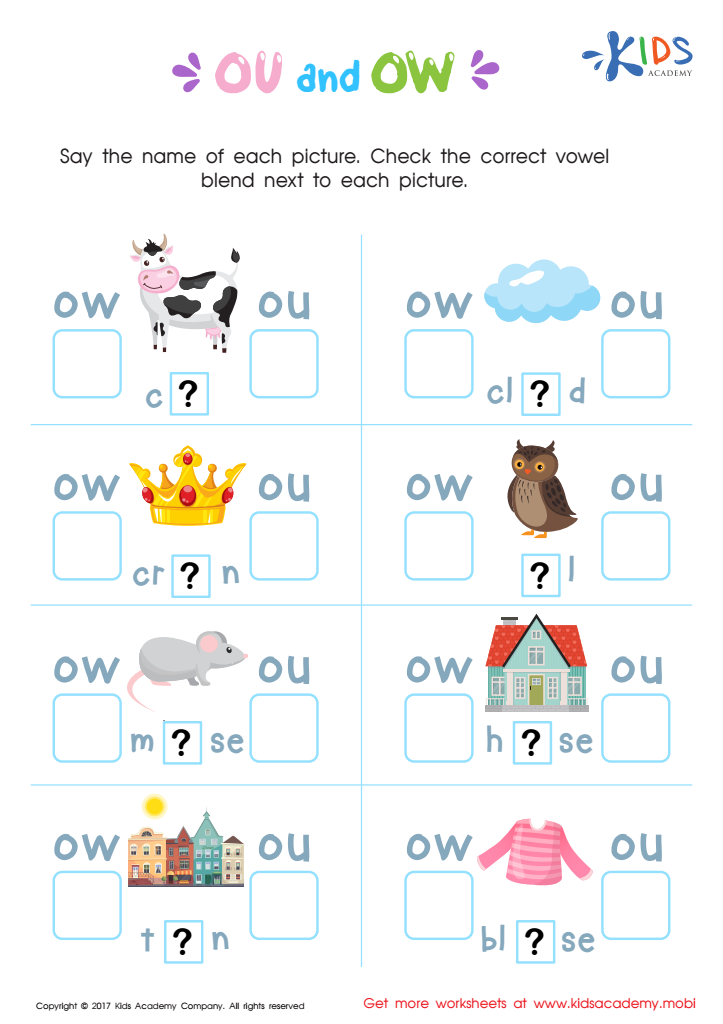
OU and OW Words Worksheet
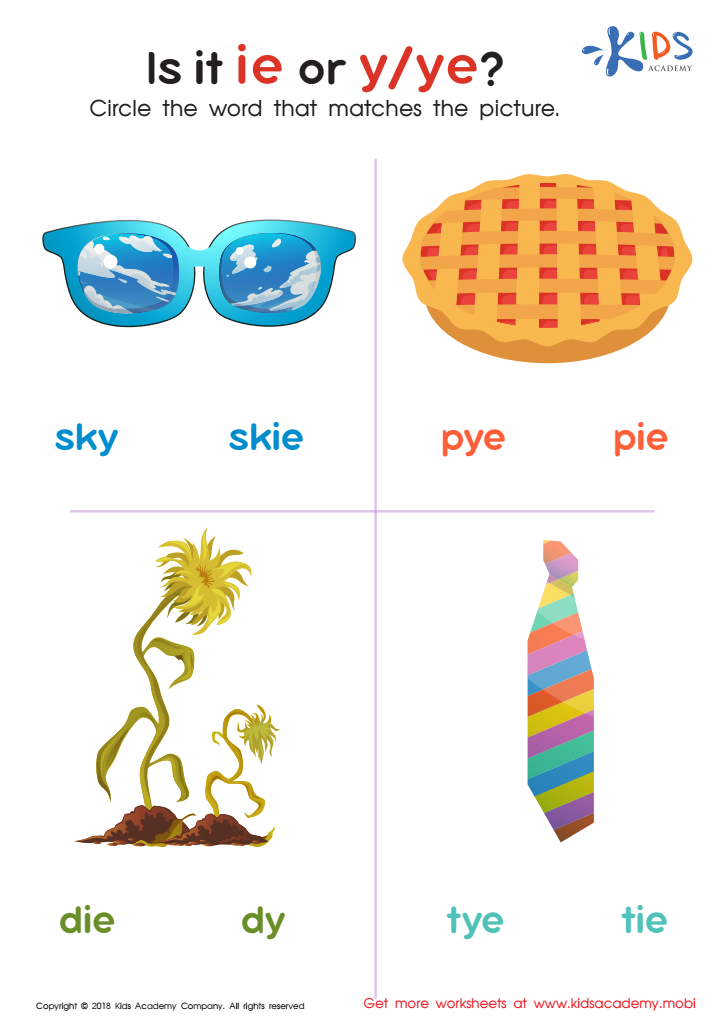
Is It IE or Y/Ye? Worksheet
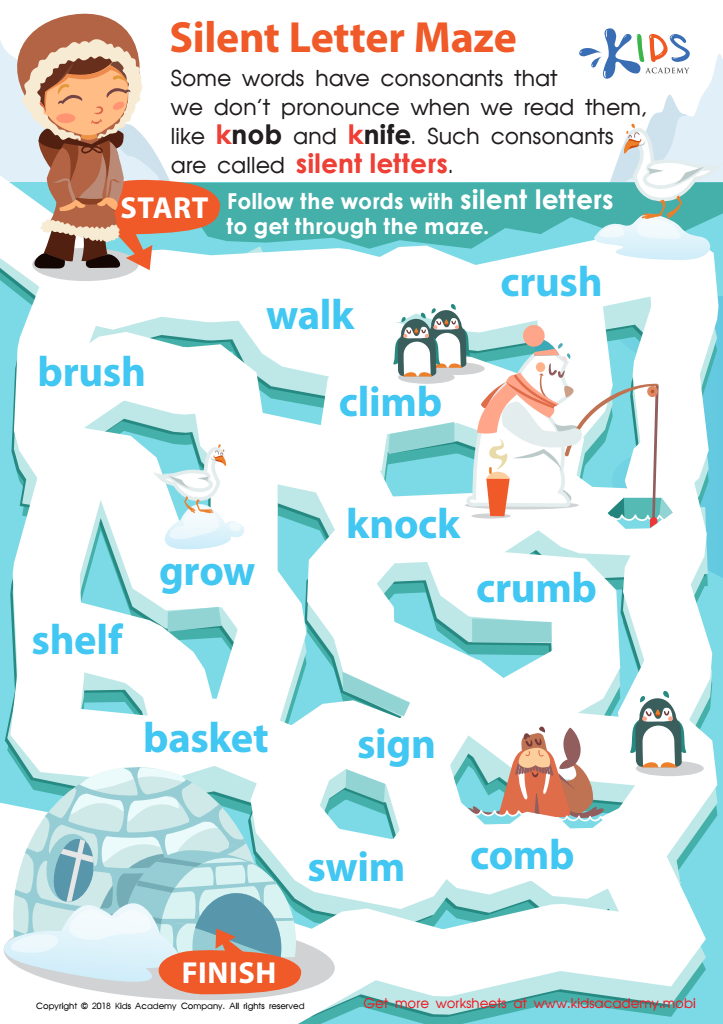
Silent Letter Maze Worksheet
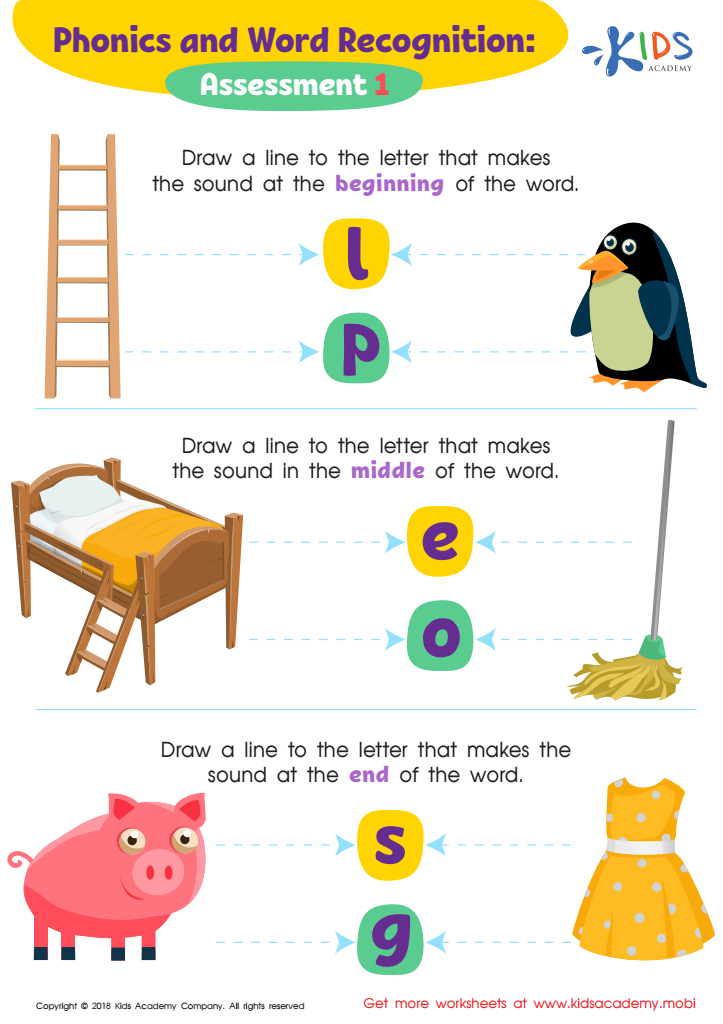
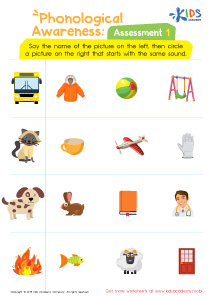
Phonics and Word Recognition: Assessment 1 ELA Worksheet





Parents and teachers should prioritize spelling practice of normal vowels for ages 3-8 as it forms a crucial foundation for literacy and language development. During these formative years, children's brains are exceptionally receptive to new information and habits. Mastery of vowel sounds, being the building blocks of English phonetics, is essential for accurate spelling, reading, and communication.
When young learners practice spelling normal vowels, they enhance their phonemic awareness—the ability to hear, identify, and manipulate phonemes, or individual sounds in words. This skill is directly linked to successful reading and writing proficiency. Early and consistent exposure to correct vowel sounds helps children recognize word patterns, ultimately boosting their vocabulary, pronunciation, and comprehension skills.
Moreover, achieving competency in spelling during the early years fosters confidence and motivation. Being able to spell basic words can give children a sense of achievement, encouraging a positive attitude towards learning. This strong foundation in early literacy is critical as it sets the stage for more complex language tasks later in life.
In summary, focusing on spelling practice of normal vowels between the ages 3-8 cultivates essential literacy skills, enhances phonemic awareness, fosters self-confidence, and lays down a strong groundwork for future academic success.