Alphabet tracing Normal English for Beginners Worksheets for Ages 3-8
5 filtered results
-
From - To
Discover our engaging "Alphabet Tracing Normal English for Beginners" worksheets tailored specifically for children aged 3-8. Perfect for little learners, these interactive resources make mastering the alphabet fun and effective. Each worksheet features clearly defined letters, accompanied by tracing guides to help strengthen fine motor skills and promote proper letter formation. Designed to support early literacy and language development, these worksheets are ideal for ESL students and beginners alike. Encourage your child’s confidence and creativity as they explore the world of letters, setting a strong foundation for future reading and writing success. Start their alphabet journey today!
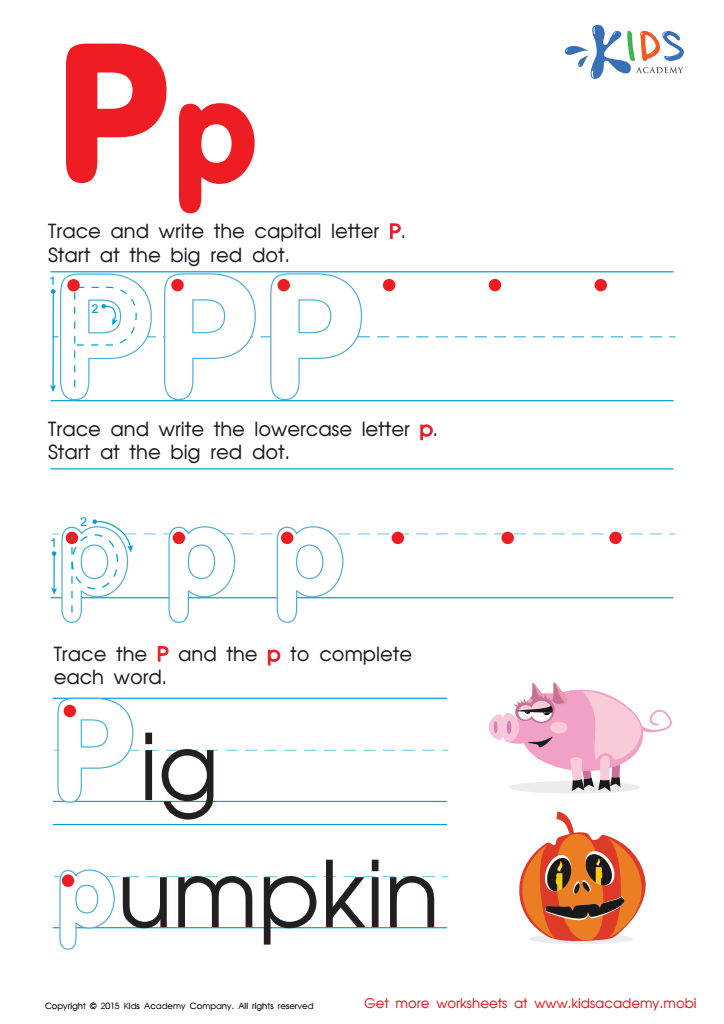
Letter P Tracing Page
 Assign to My Students
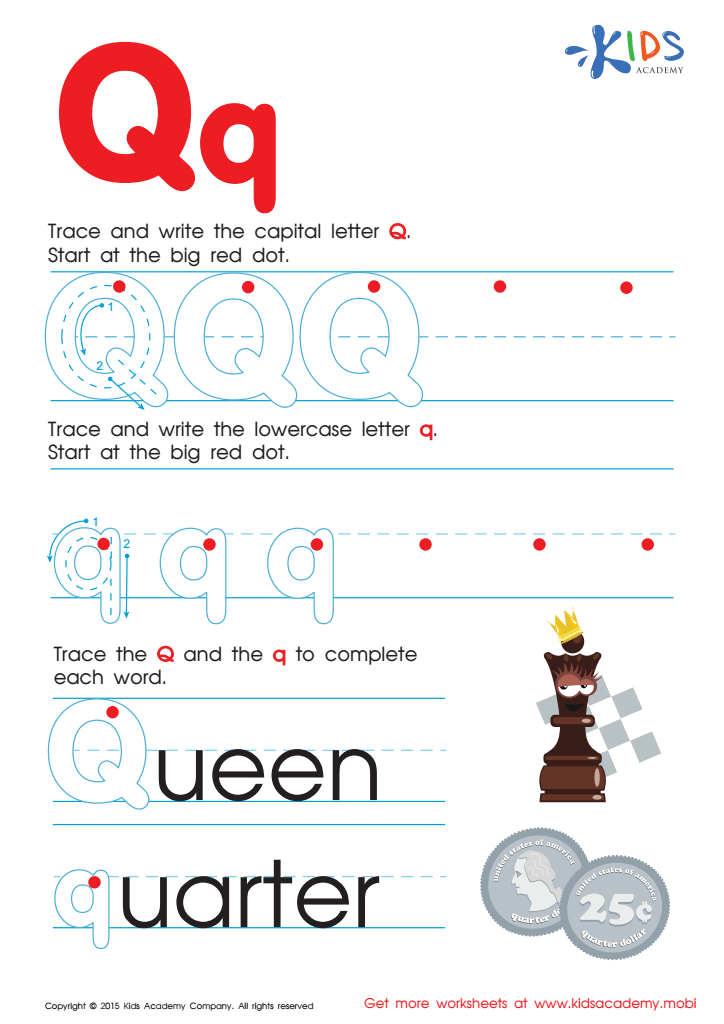
Letter Q Tracing Page
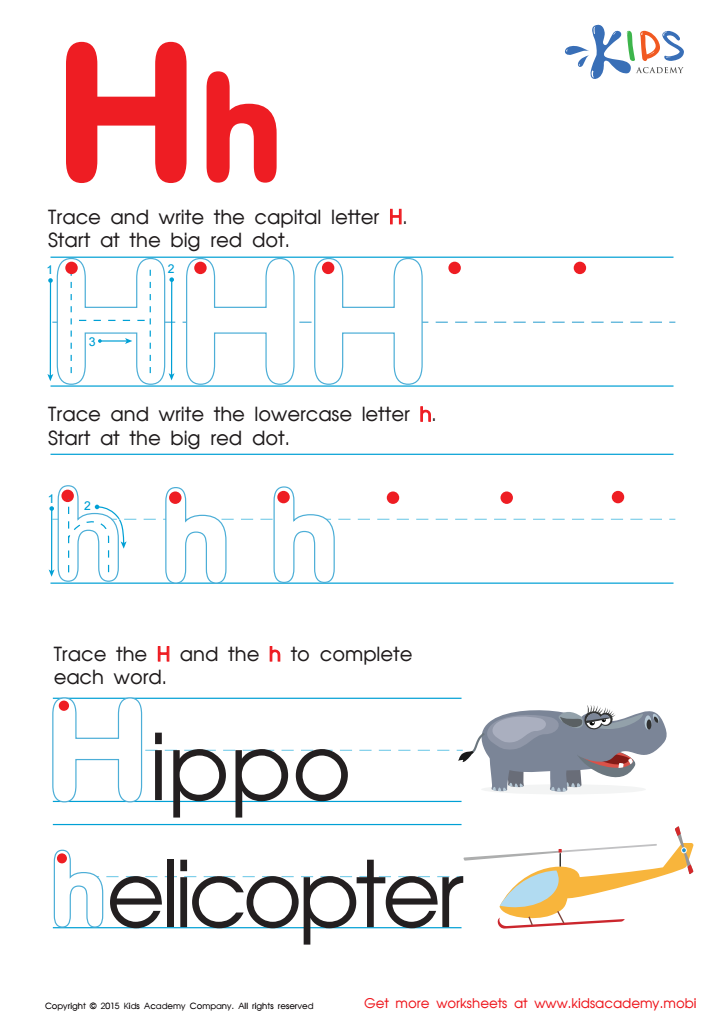
Letter H Tracing Page
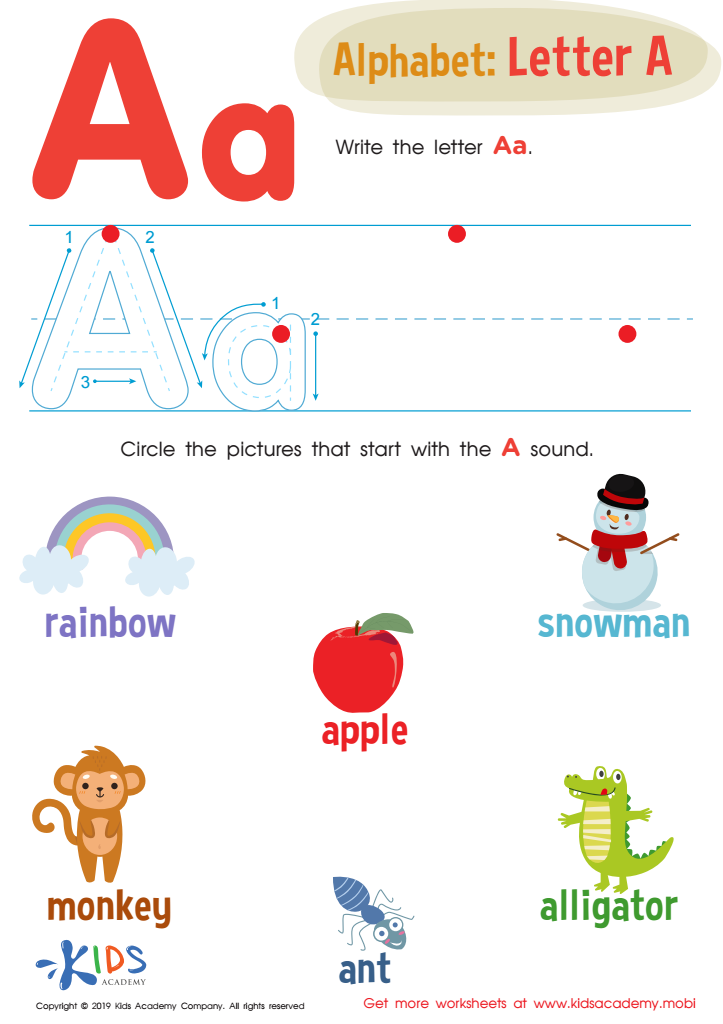
Letter A Tracing Worksheet

Letter D Tracing Page





Alphabet tracing is a foundational activity for young learners aged 3-8, and it plays a crucial role in developing their literacy skills. For parents and teachers, understanding the benefits of alphabet tracing can significantly enhance children's early education experience.
Firstly, tracing helps children develop fine motor skills necessary for writing, as it requires coordination and precision. This activity engages their hand-eye coordination, laying the groundwork for more complex writing tasks. Additionally, by familiarizing children with both uppercase and lowercase letters, it promotes letter recognition, which is essential as they progress to reading.
Moreover, alphabet tracing fosters cognitive development. As children trace letters, they reinforce their understanding of phonetics—the sounds associated with each letter. This connection is vital for building early reading skills and aids in vocabulary acquisition.
Finally, tracing can be an enjoyable and interactive experience that encourages parents and teachers to engage with children creatively. Incorporating fun themes, colors, or activities linked to tracing can make learning dynamic, increasing motivation and retention. Ultimately, by prioritizing alphabet tracing, parents and teachers set the stage for successful literacy development, ensuring that children are better prepared for their academic journey ahead.