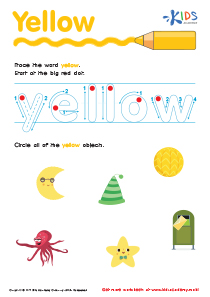
Handwriting practice Normal English for Beginners Worksheets for Ages 3-8 - Page 2
26 filtered results
-
From - To
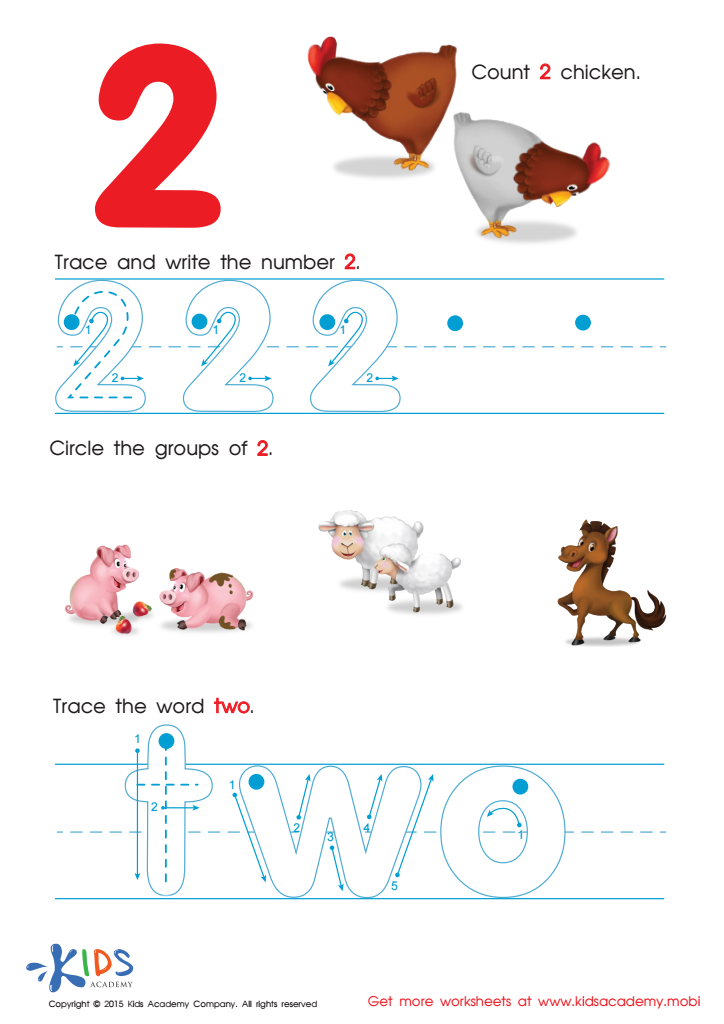
Learn to Write the Number 2 Worksheet
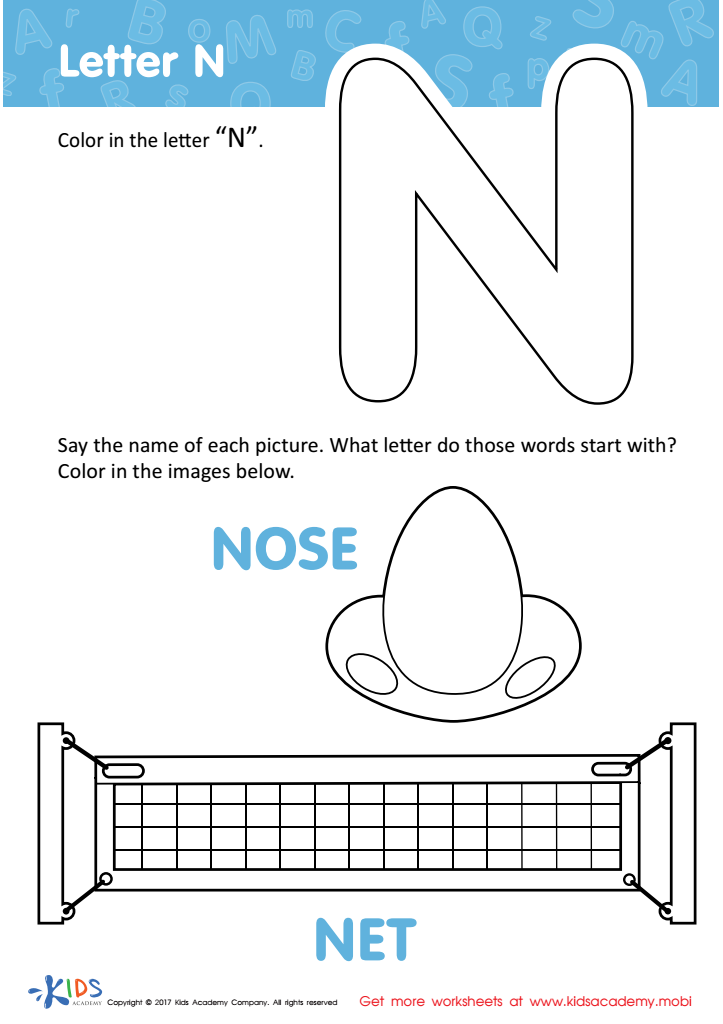
Letter N Coloring Sheet
 Assign to My Students





Handwriting practice is crucial for children aged 3 to 8, serving as a foundational skill that impacts their academic journey and overall development. For parents and teachers, encouraging handwriging helps enhance fine motor skills, which are essential for tasks beyond writing, such as arts and crafts or daily routines. Mastering handwriting also contributes to a child’s cognitive growth, as it reinforces letter recognition and phonetic awareness, paving the way for improved reading and spelling abilities.
Moreover, handwriting practice fosters a sense of accomplishment and motivation. When children see their progress in forming letters and words, it boosts their confidence and encourages a love for writing, which is vital for effective communication. As children put their ideas on paper, they also enhance their creativity and self-expression.
Furthermore, in an age dominated by technology, cultivating strong handwriting skills ensures that children can efficiently communicate in various situations, even when digital devices are less accessible. In essence, prioritizing handwriting practice equips young learners with valuable skills that support their academic success, personal growth, and effective communication in everyday life. Therefore, parents and teachers should actively promote and invest time in handwriting practice for all children in this developmental stage.