Basic Math understanding Normal Worksheets for Ages 3-8
4 filtered results
-
From - To
Introduce your child to a world of numbers with our Basic Math Understanding Normal Worksheets for Ages 3-8! Designed to foster foundational math skills, these engaging printable worksheets cover essential topics like counting, addition, subtraction, shapes, and patterns. Our age-appropriate and interactive activities help young learners develop confidence and a love for mathematics through playful, hands-on challenges. Perfect for at-home practice or classroom use, these expertly crafted resources ensure that children build a solid math base while having fun. Unlock your child's potential today with our comprehensive Basic Math Understanding worksheets!
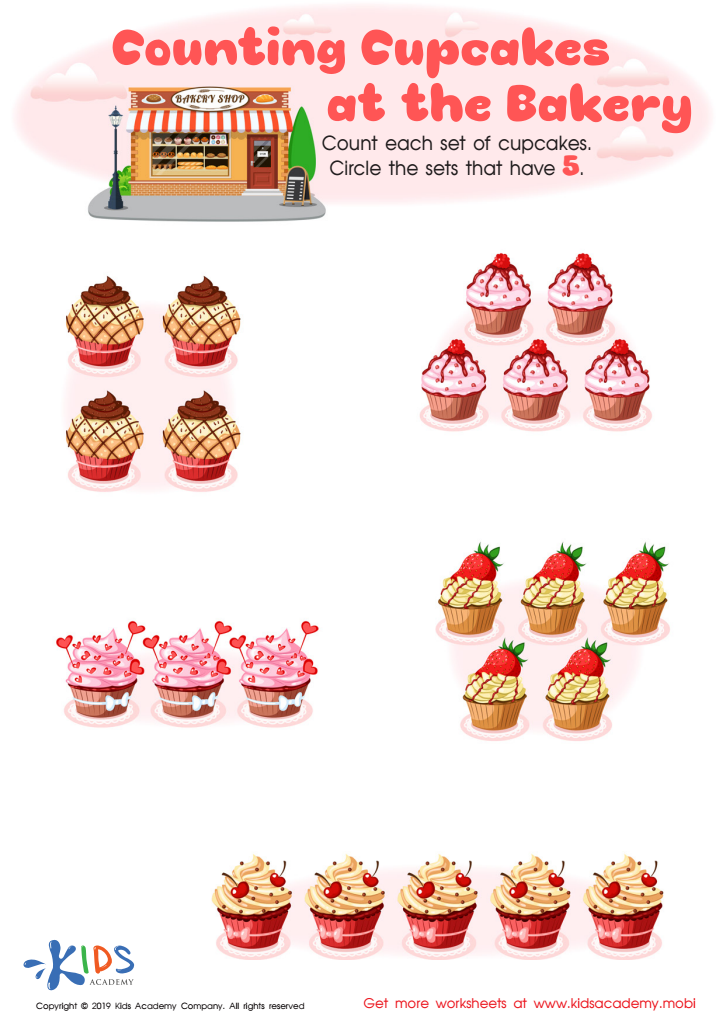
Counting Cupcakes Worksheet
 Assign to My Students
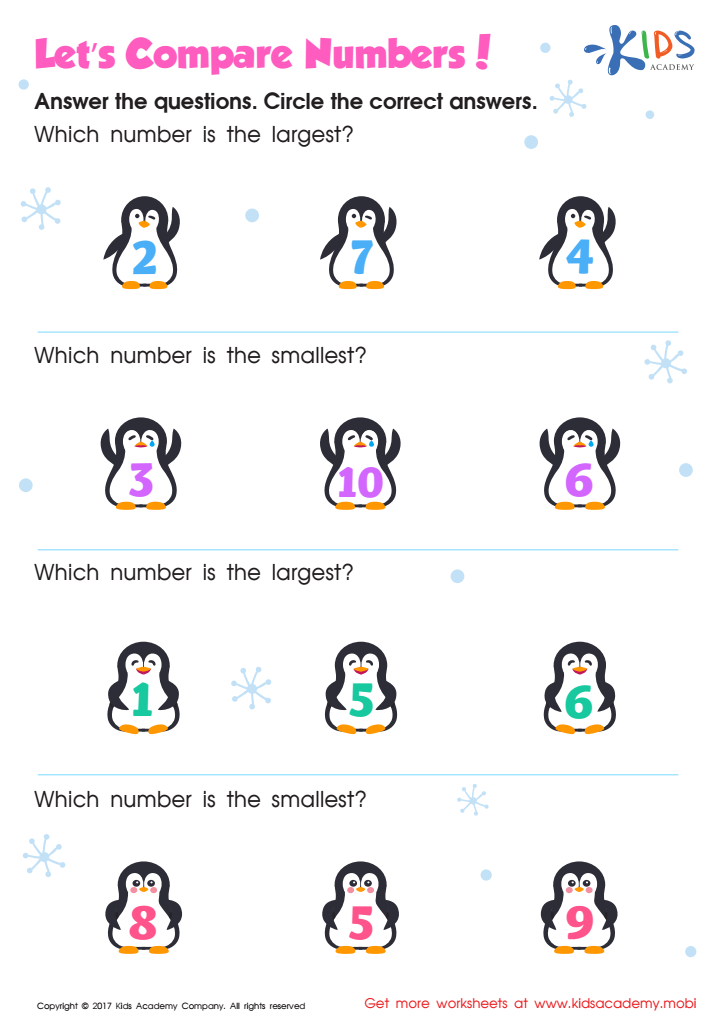
Comparing Numbers 1–10 Worksheet Kindergarten
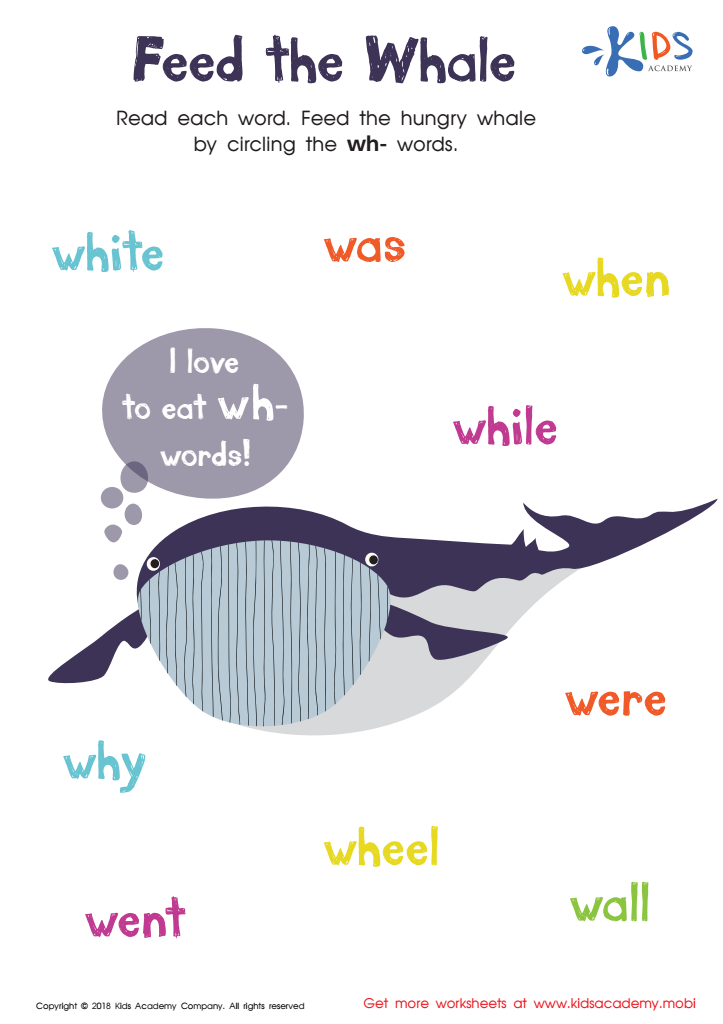
Feed the Whale Worksheet
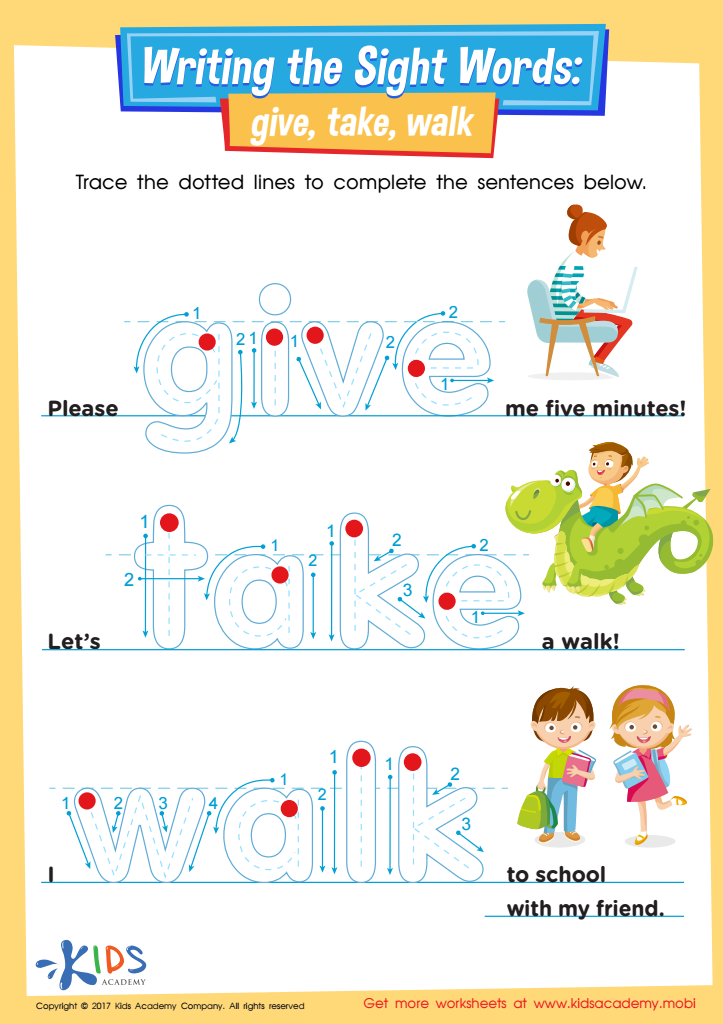
Give, Take, Walk Printable Sight Words Worksheet








Understanding basic math concepts is critically important for children ages 3-8, as it lays the foundational groundwork for future academic success and everyday problem-solving skills. At this early stage, children are naturally curious and capable of absorbing new information quickly, making it an ideal time to introduce simple mathematical ideas.
For parents and teachers, fostering a strong grasp of basic math helps children develop essential cognitive skills, such as logical thinking, pattern recognition, and analytical reasoning. These skills are not only crucial for advanced mathematics but also for making informed decisions and understanding the world around them.
Early math proficiency can boost a child's confidence and enthusiasm for learning, which is essential in maintaining a positive attitude towards schooling in general. This period sets the stage for a lifelong appreciation for math, influencing their performance in later grades and potentially guiding their interest in STEM (Science, Technology, Engineering, and Mathematics) careers.
Furthermore, ensuring children understand basic math from an early age helps reduce anxiety and fear associated with the subject. Children who struggle with early math concepts often face challenges in catching up, impacting their overall academic trajectory. Therefore, by prioritizing math education between ages 3-8, parents and teachers give children the tools they need for academic success and everyday life challenges.








