Enhancing research skills Normal Worksheets for Ages 3-8
5 filtered results
-
From - To
Discover our "Enhancing Research Skills" worksheets designed for children ages 3-8. These engaging, age-appropriate resources help young learners develop critical research capabilities through fun games and activities. Each worksheet encourages curiosity, critical thinking, and information gathering, laying a strong foundation for future learning. Kids will explore topics through hands-on exercises that inspire exploration and creativity. Perfect for home or classroom use, our worksheets aim to make research skills accessible and enjoyable, fostering a love for discovery. Enhance your child's educational journey with our thoughtfully crafted worksheets that promote essential skills in a playful, interactive way!
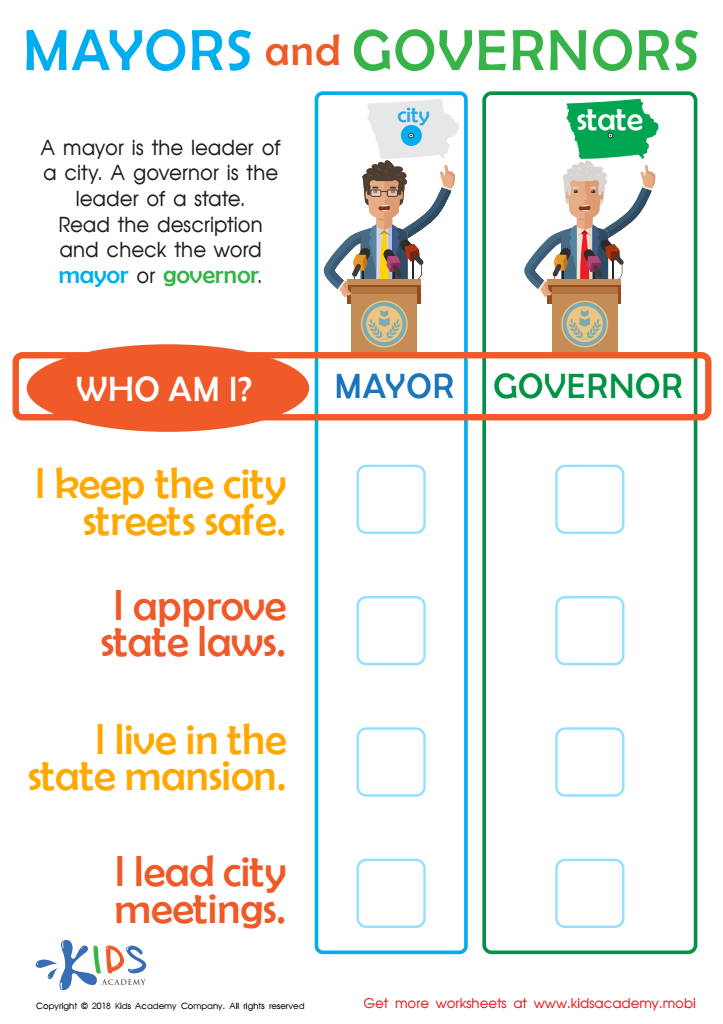
Mayors and Governors Worksheet
 Assign to My Students
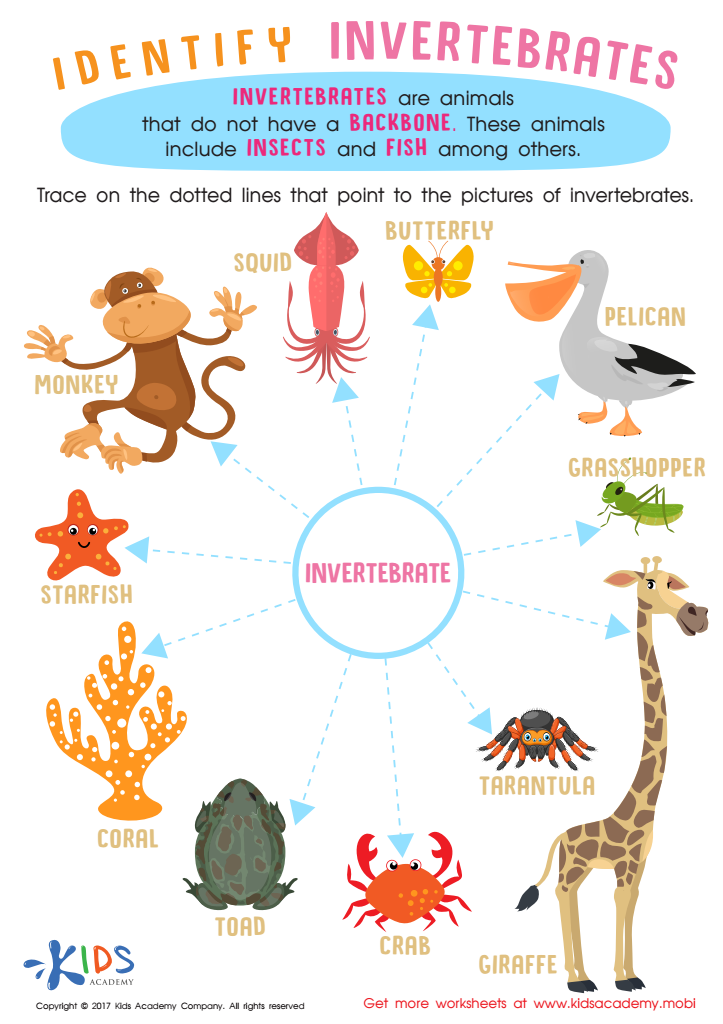
Invertebrates Worksheet for Grade 3
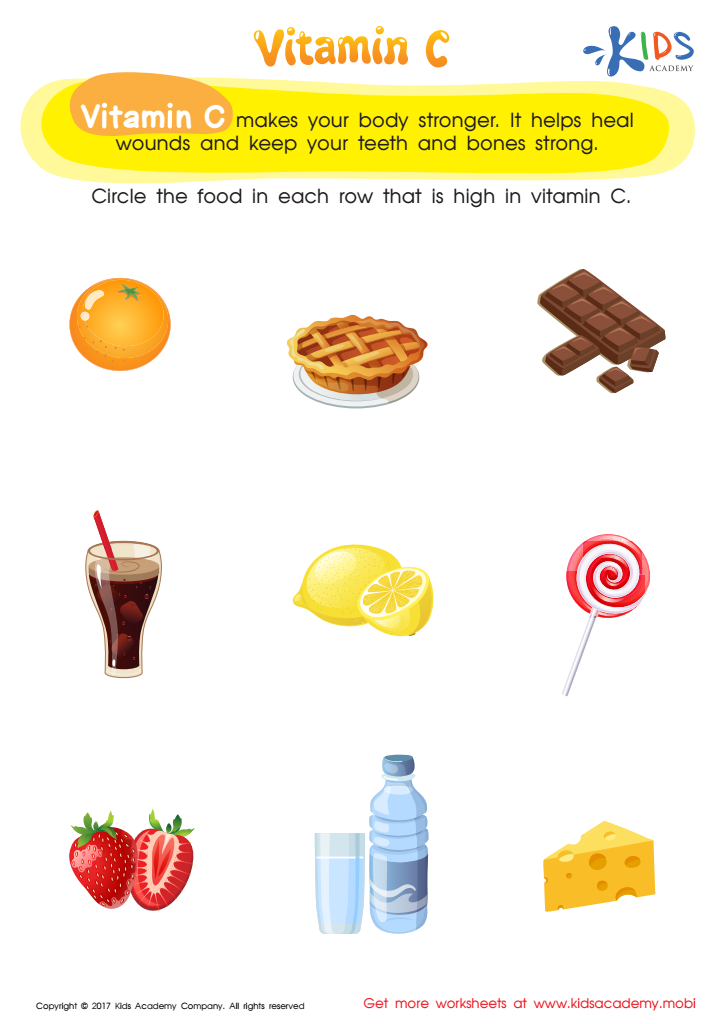
Vitamin C Worksheet
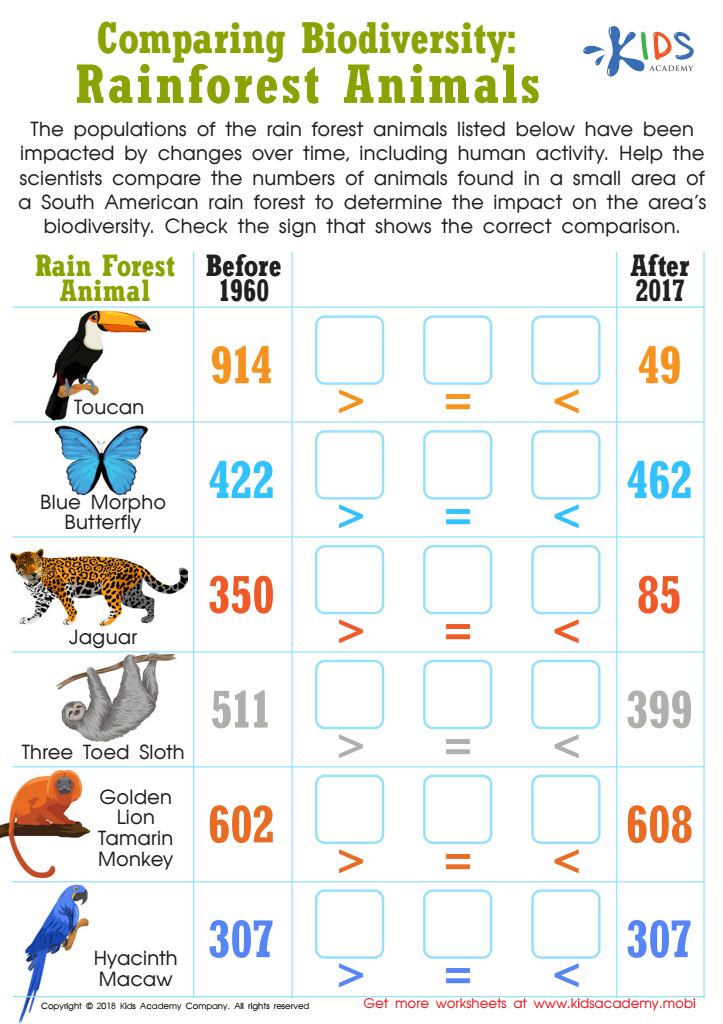
Comparing Biodiversity: Rainforest Animals Worksheet
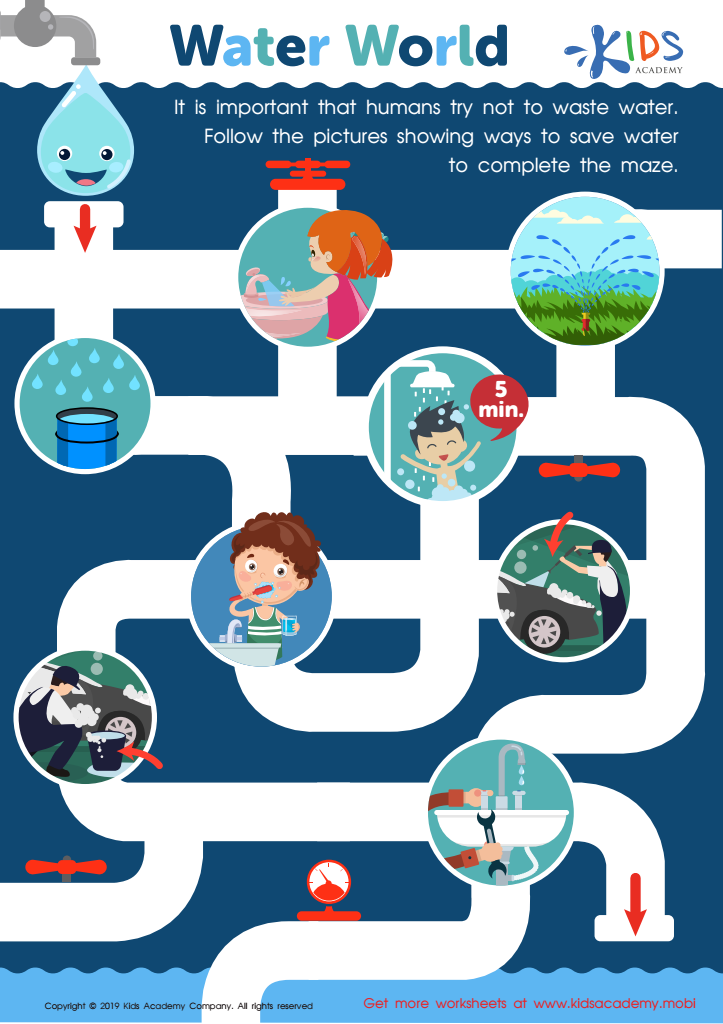
Water World Worksheet





Enhancing research skills in children aged 3-8 is crucial for their cognitive and emotional development. At this early stage, children are naturally curious and eager to explore the world around them. By fostering research skills, parents and teachers can help channel this curiosity into meaningful inquiry, encouraging critical thinking and problem-solving.
When children learn to ask questions and seek information, they develop a sense of agency and independence. This process not only cultivates their ability to seek knowledge but also teaches them how to evaluate sources, draw conclusions, and communicate findings—skills that are fundamental in the digital age. Moreover, integrating research skills into early education lays a strong groundwork for lifelong learning.
Additionally, research activities promote collaboration and communication among peers, strengthening social skills and emotional intelligence. Encouraging children to share what they discover boosts their confidence and public speaking abilities.
In a world where information is abundant and often overwhelming, equipping young learners with the ability to manage and assess information empowers them to become informed citizens. Ultimately, by prioritizing research skills, parents and teachers play a pivotal role in shaping curious, informed, and engaged learners who are well-prepared for the complexities of the future.








