Foster creativity Normal Worksheets for Ages 3-8
3 filtered results
-
From - To
Unlock your child's imagination with our Foster Creativity Normal Worksheets designed for ages 3-8! These engaging activities inspire young learners to explore their creativity through colorful illustrations and interactive tasks. Children will enjoy drawing, coloring, and expressing their ideas while developing essential skills such as problem-solving and critical thinking. Our diverse range of worksheets promotes artistic expression, encouraging little ones to think outside the box. With easy-to-follow instructions tailored for young minds, these worksheets make learning fun and effective. Discover the perfect resources to nurture your child's creative spirit today! Visit us to access printable worksheets and watch their imagination soar!
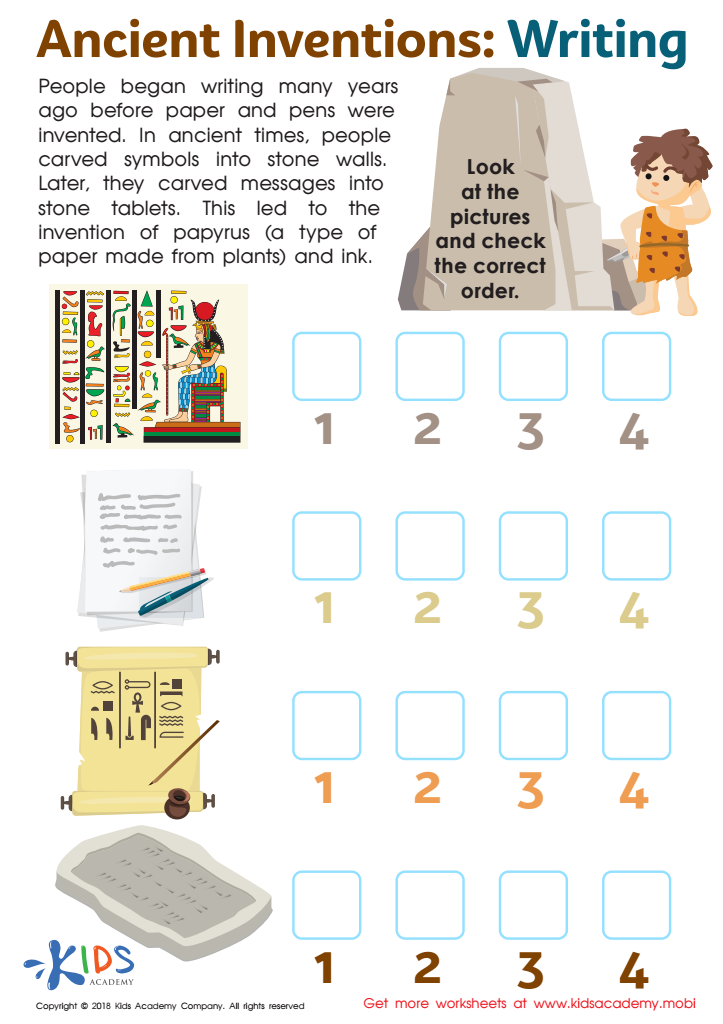
Ancient Inventions: Writing Worksheet
 Assign to My Students
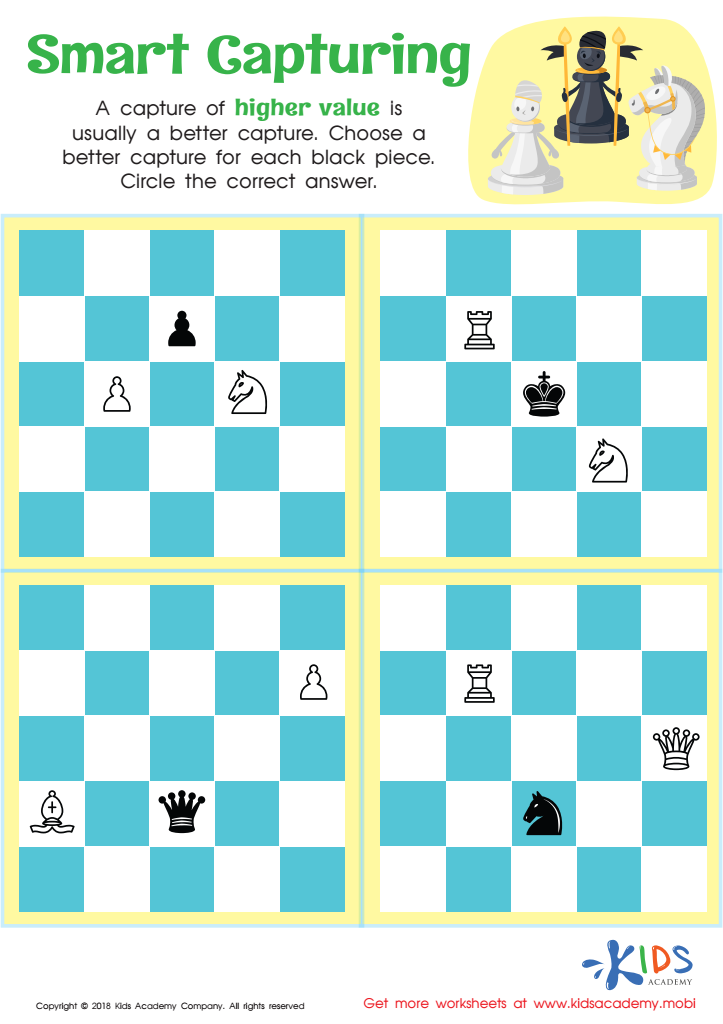
Smart Capturing Worksheet








Fostering creativity in children aged 3-8 is essential for their overall development and well-being. During these formative years, creative play and expression allow children to explore their thoughts, emotions, and the world around them. Engaging in imaginative activities enhances critical thinking and problem-solving skills, teaching children to approach challenges with innovative solutions.
Creativity also promotes emotional development. Children learn to express themselves and navigate their emotions, which builds resilience and self-confidence. Furthermore, creative experiences encourage collaboration through group activities, enhancing social skills and fostering friendships.
Academic achievement is also linked to creativity. As children learn to think outside the box, they develop a love for learning, becoming more motivated and engaged in their educational pursuits. Creative environments stimulate curiosity and make learning enjoyable, leading to better retention of knowledge.
Moreover, supporting creativity prepares children for a future where adaptability and original thought are increasingly important in a rapidly changing world. By prioritizing creative endeavors, parents and teachers can enrich children’s lives, nurturung well-rounded individuals who possess the skills and mindset to thrive in diverse environments. In essence, fostering creativity equips young learners with essential tools for success both inside and outside the classroom.








