Geography knowledge Normal Worksheets for Ages 3-8 - Page 2
27 filtered results
-
From - To

Towns Worksheet
 Assign to My Students
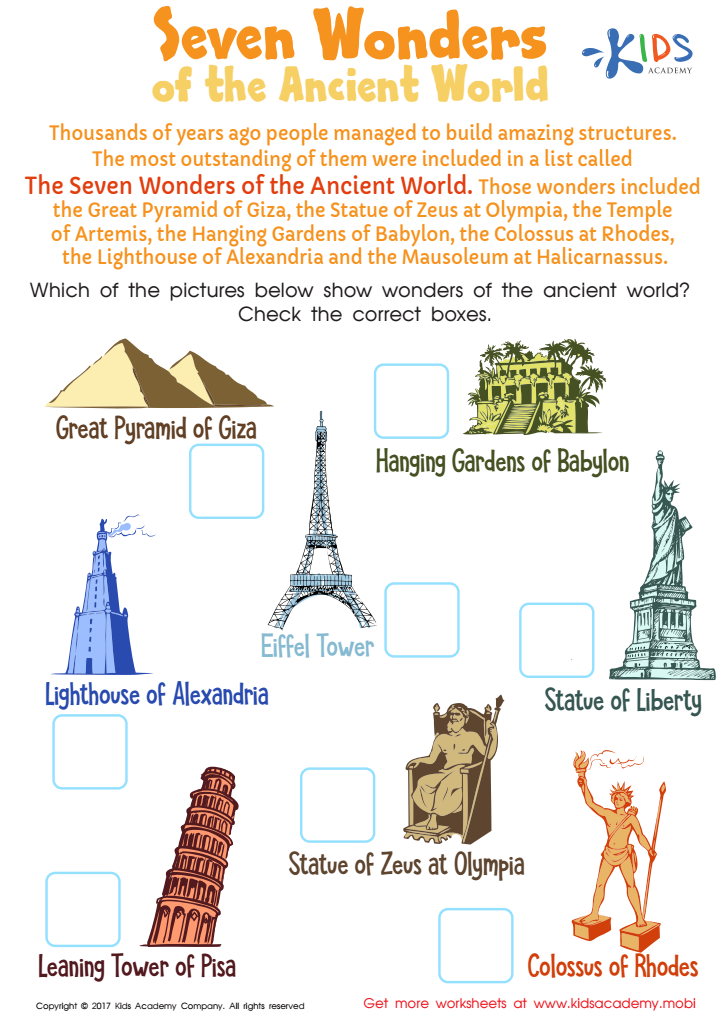
Seven Wonders of the Ancient World Worksheet
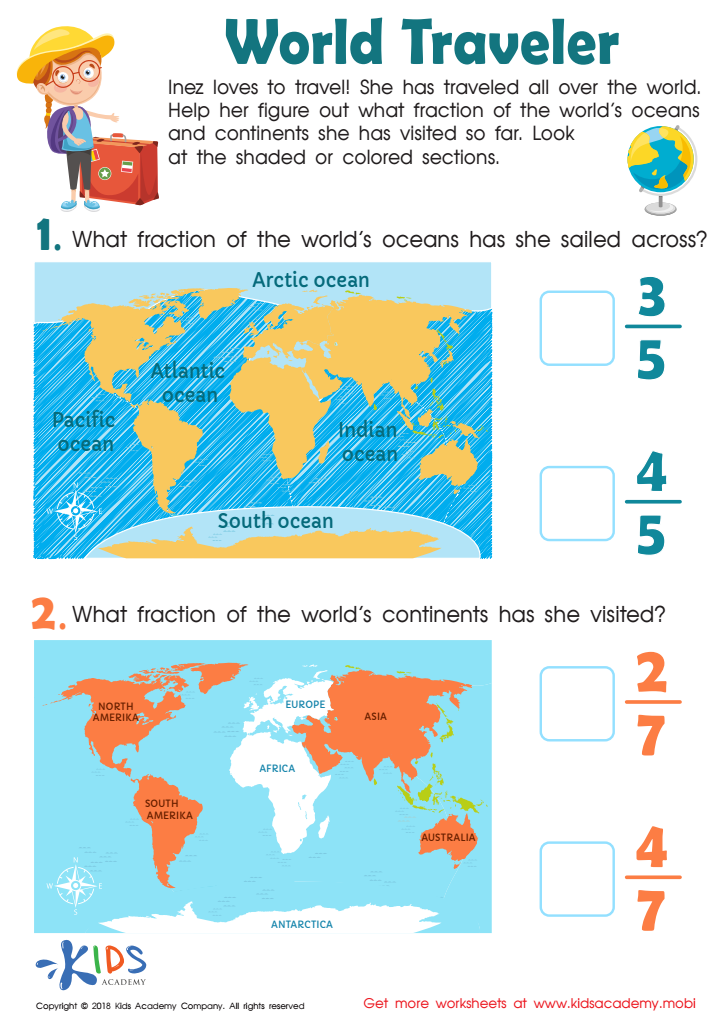
World Traveler Worksheet


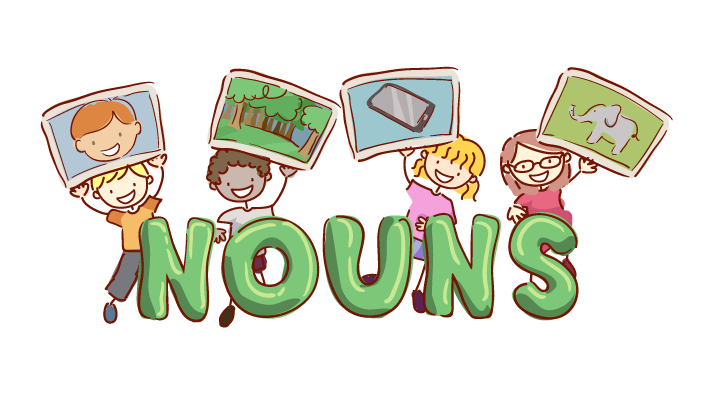





Introducing geography to children aged 3-8 lays a critical foundation for their cognitive development and understanding of the world. Knowledge of geography at an early age helps children grasp concepts such as spatial awareness and environmental sensitivity, anchoring their general education in a tangible context. By understanding basic geographical features like mountains, rivers, cities, and countries, children learn to appreciate the diversity and interconnectedness of the world around them.
Moreover, geography stimulates curiosity and encourages observational skills. It unitizes children to look beyond their immediate environment, fostering a sense of global awareness and empathy towards different cultures and lifestyles. This awareness is particularly essential in our increasingly interconnected world, where global issues such as climate change and cultural clashes are prominent.
Additionally, early geography education enhances critical thinking and problem-solving skills. When children learn to identify and think about geographical challenges and interactions, they develop a mindset geared towards inquiry and exploration.
Educators and parents should realize the importance of geography not just as a subject but as a way of nurturing well-rounded, globally aware individuals who can think diversely and critically about the world and their place in it. Early geography education doesn't just teach facts; it builds a framework for lifelong learning and understanding.








