Recognizing Patterns Normal Worksheets for Ages 3-8
6 filtered results
-
From - To
Discover the joy of learning with our "Recognizing Patterns Normal Worksheets" designed for children ages 3-8. These engaging worksheets help young learners develop critical thinking skills as they identify and create patterns in a fun and interactive way. Perfect for home or classroom use, our worksheets feature colorful visuals and age-appropriate challenges that spark curiosity and creativity. Children will enhance their cognitive abilities while mastering essential math and logic skills. Ideal for preschoolers and early grade students, these printables support early education goals and make learning an enjoyable experience. Start exploring the world of patterns today!
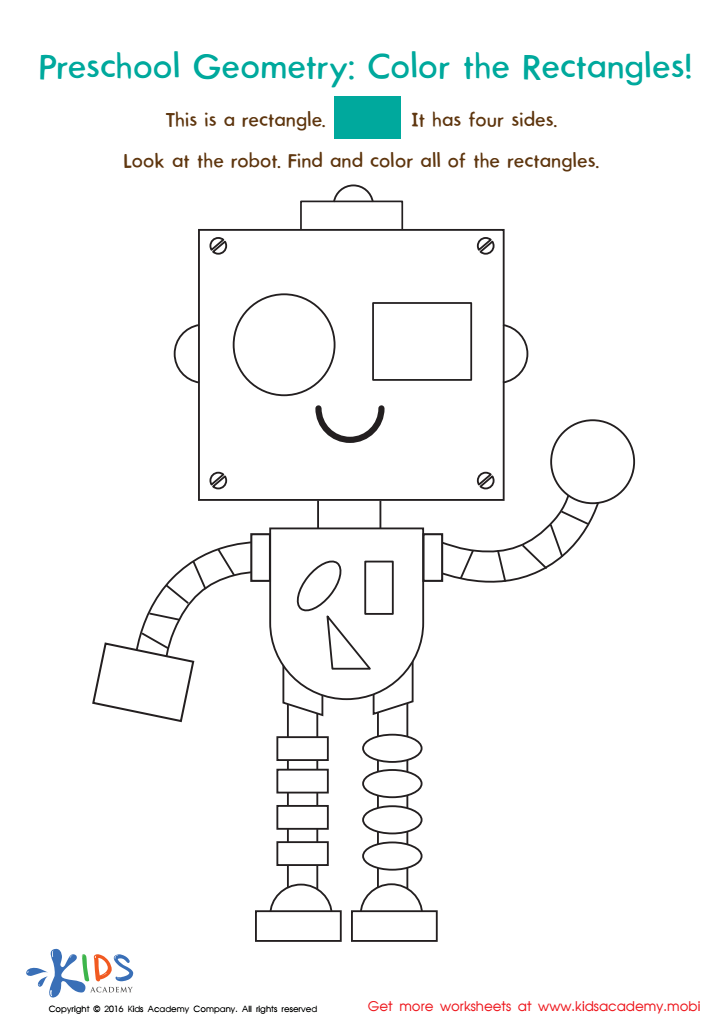
Geometry Worksheet
 Assign to My Students
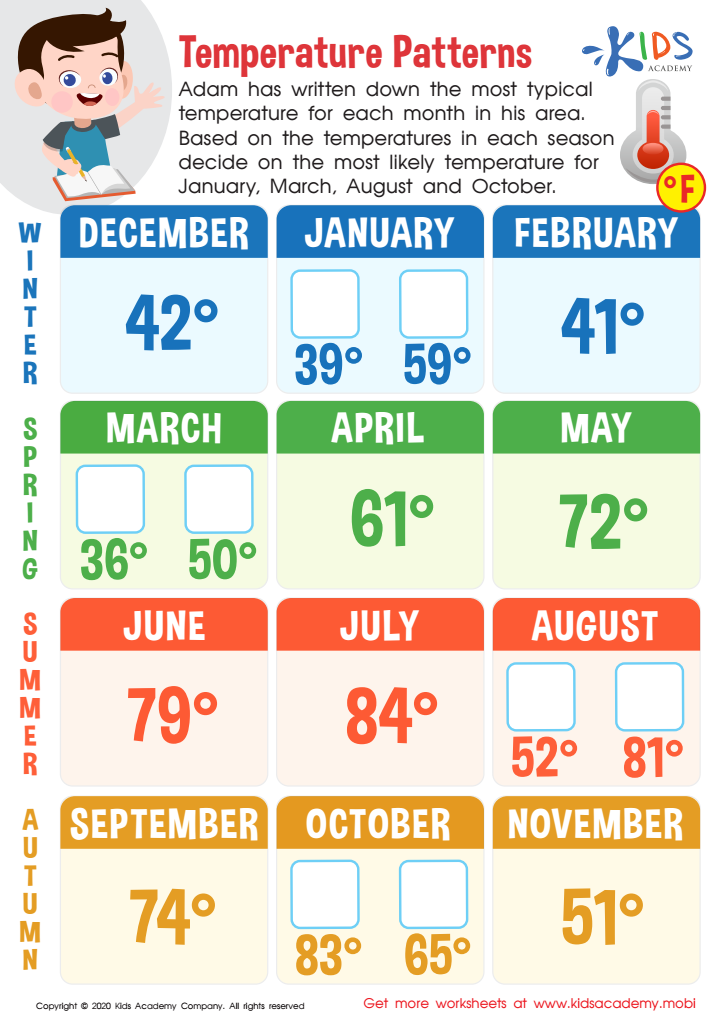
Temperature Patterns Worksheet
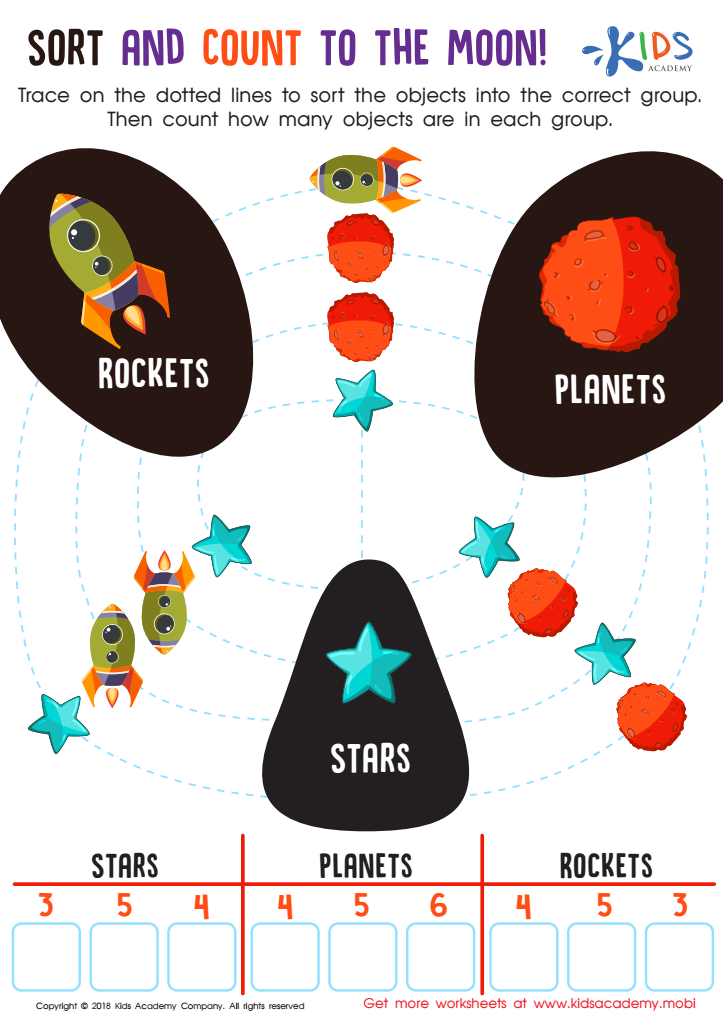
Sort and Count to the Moon Worksheet
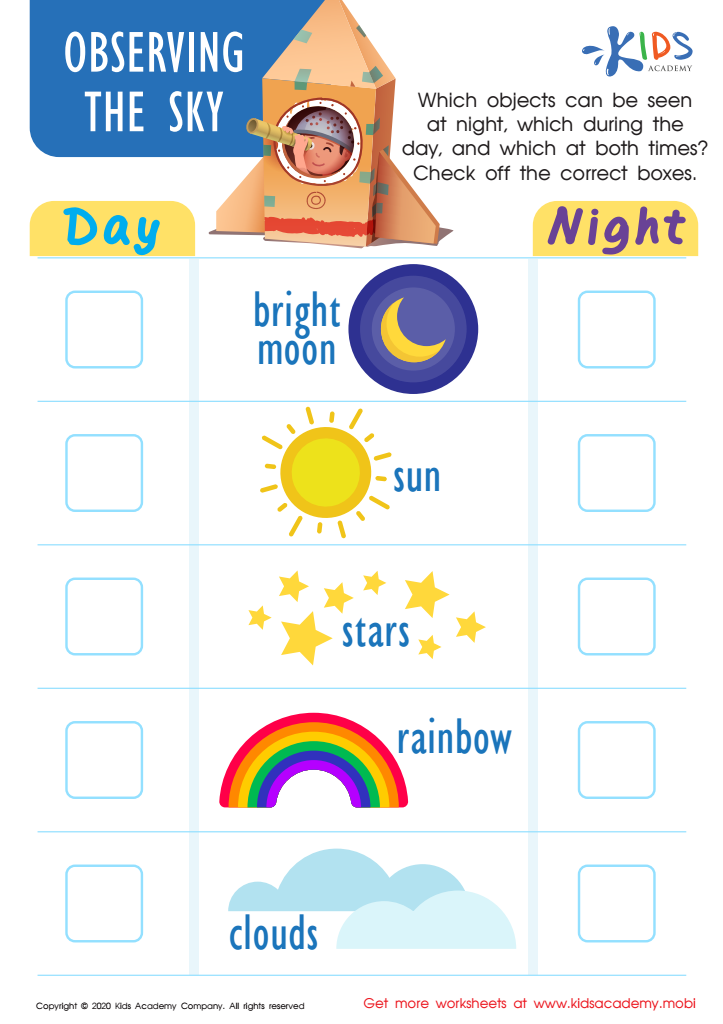
Observing the Sky Worksheet
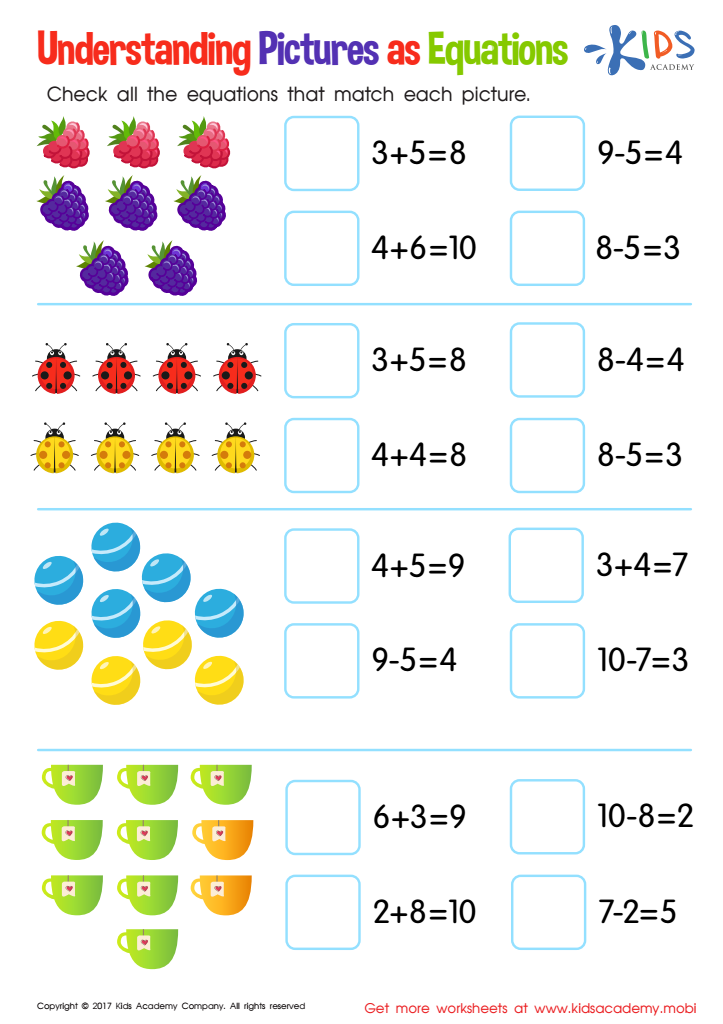
Understanding Pictures as Equations Worksheet
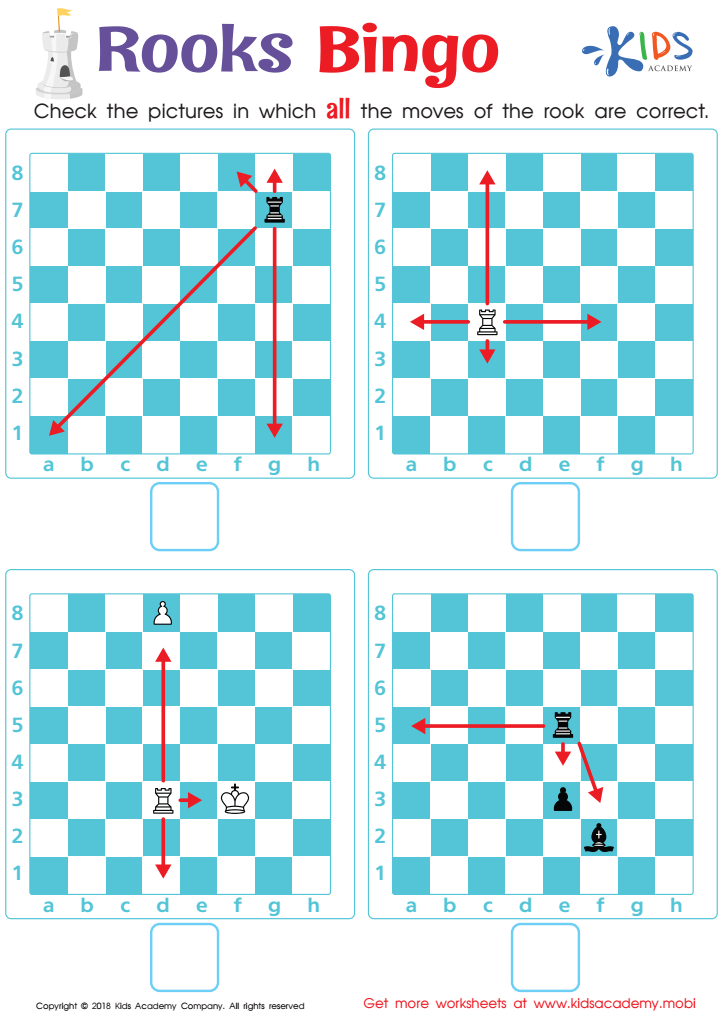
Rooks Bingo Worksheet








Recognizing patterns is a critical foundational skill for children aged 3 to 8. It serves as a building block for essential cognitive processes, including problem-solving, critical thinking, and mathematical reasoning. When children identify patterns, whether through shapes, numbers, or everyday occurrences, they enhance their ability to predict outcomes, discern relationships, and make connections between different concepts. This early skill development lays the groundwork for more complex tasks, such as addition, subtraction, and future algebraic thinking.
For parents and teachers, fostering pattern recognition offers vital insights into a child’s cognitive development. Engaging children in pattern activities can be a fun and stimulating way to enhance their observational skills and boost their confidence. Additionally, pattern recognition promotes language development as children articulate their thoughts, describe sequences, and articulate rules behind patterns.
By actively participating in the process of recognizing patterns, caregivers can support children’s learning in a meaningful and engaging way. Moreover, emphasizing pattern recognition can lead to improved academic outcomes, as these skills transcend across various subjects, from math to science. Therefore, investing time and resources in cultivating this skill is essential for nurturing well-rounded, capable learners who succeed both academically and in life.








