Word Formation Normal Worksheets for Ages 3-8
3 filtered results
-
From - To
Discover our engaging Word Formation Normal Worksheets designed for children ages 3-8! These worksheets help young learners enhance their vocabulary and spelling skills through fun and interactive activities. Each worksheet focuses on essential word formation techniques, enabling kids to recognize patterns and build new words with confidence. Parents and teachers can easily access, print, and customize these resources to suit individual learning needs. Whether in the classroom or at home, our worksheets foster creativity and critical thinking, making language learning an enjoyable adventure. Explore our collection today and support your child's language development with dynamic and effective practice opportunities!
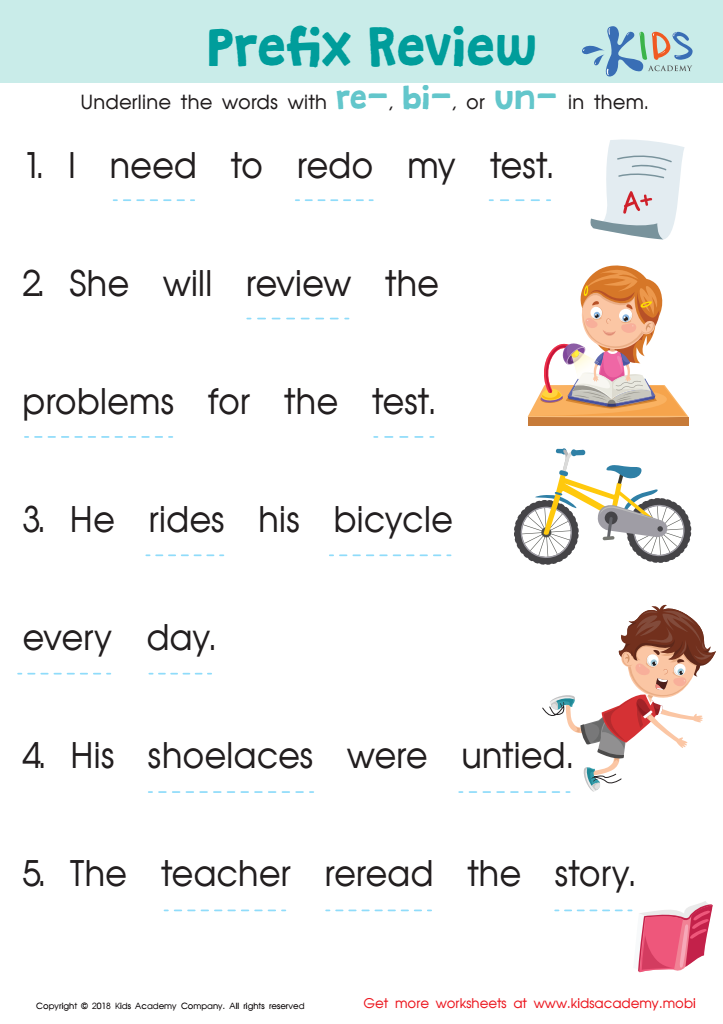
Prefix Review Worksheet
 Assign to My Students
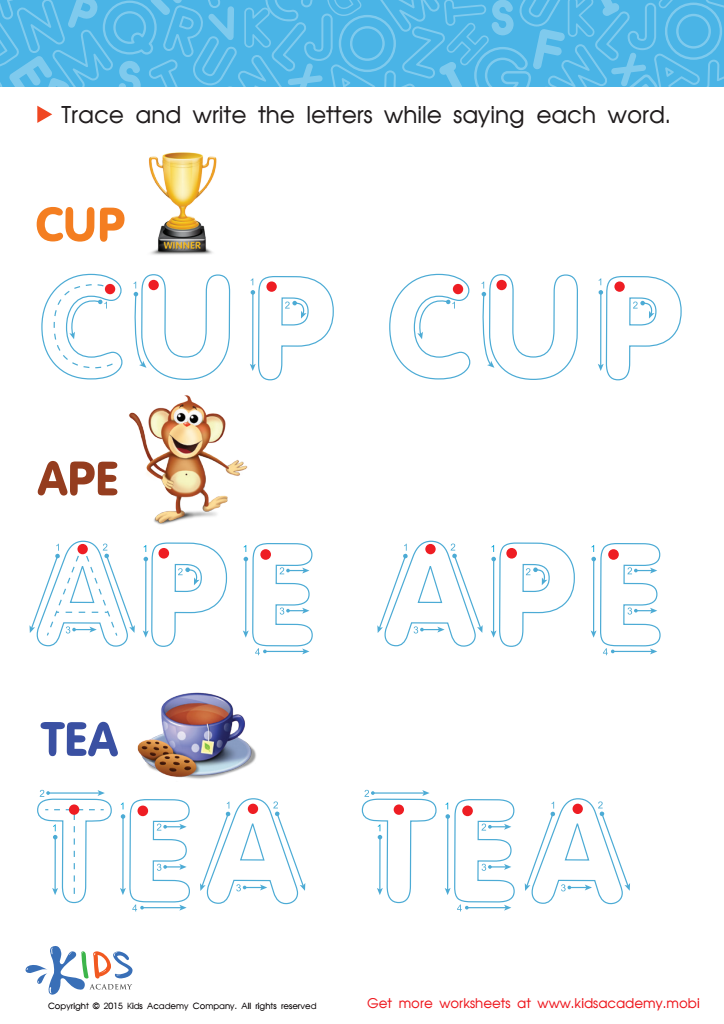
A Cup, an Ape and Tea Spelling Worksheet
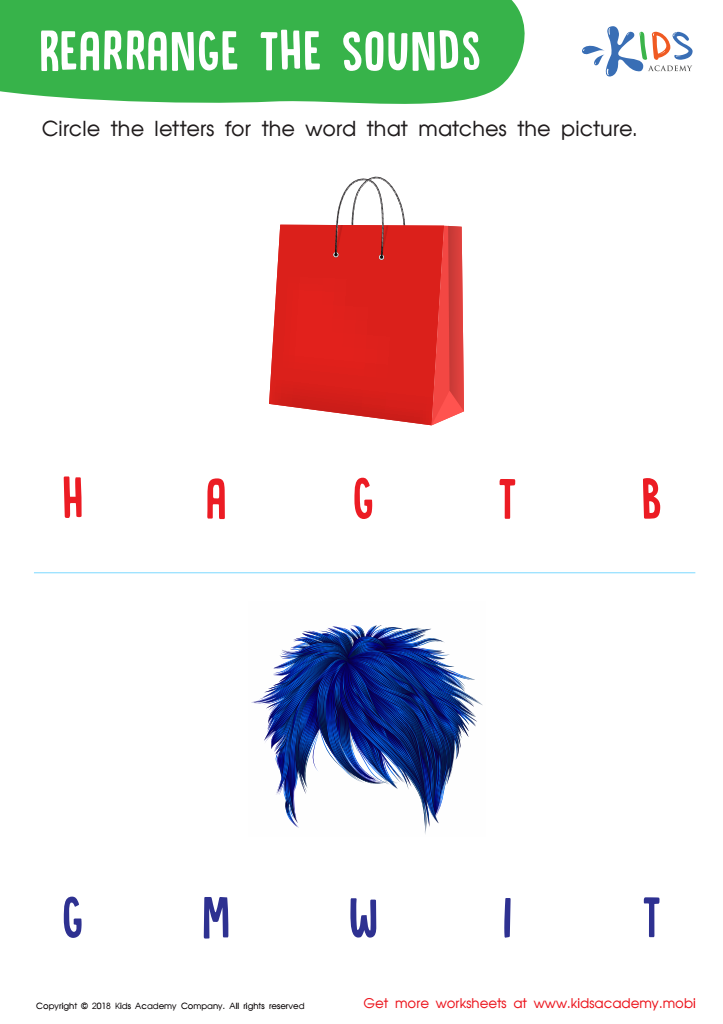
Rearrange the Sounds Worksheet



.jpg)



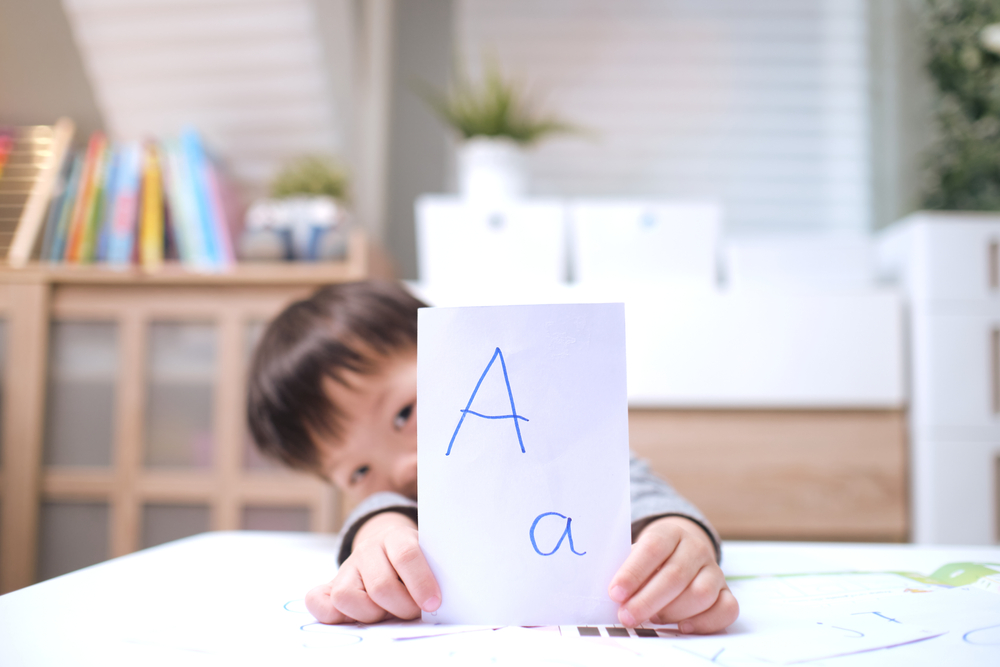
Word formation is a crucial aspect of language development for children aged 3 to 8, and it's essential for both parents and teachers to nurture this skill. During these formative years, children are like sponges, absorbing new vocabulary and learning to express themselves. Understanding word formation helps children make connections between words, their meanings, and their uses, which fosters language creativity and critical thinking.
By engaging in activities that promote word formation, children improve their phonemic awareness and develop stronger reading and writing skills. This ultimately builds a solid foundation for literacy as they progress through school. Additionally, mastering word formation enables children to expand their vocabulary, ensuring they can articulate their ideas clearly and engage more meaningfully in conversations.
Furthermore, confident language skills positively impact a child's social interactions and self-esteem. Children who can communicate effectively are better equipped to form relationships, resolve conflicts, and participate in collaborative activities. For parents and teachers, supporting word formation in young learners contributes not just to academic success, but also to their overall cognitive and emotional development. By investing time in this area, caregivers can empower children to become effective communicators, setting them up for future achievements in both education and personal relationships.








