Addition Practice Normal Addition & Subtraction Worksheets for Ages 3-8 - Page 2
30 filtered results
-
From - To
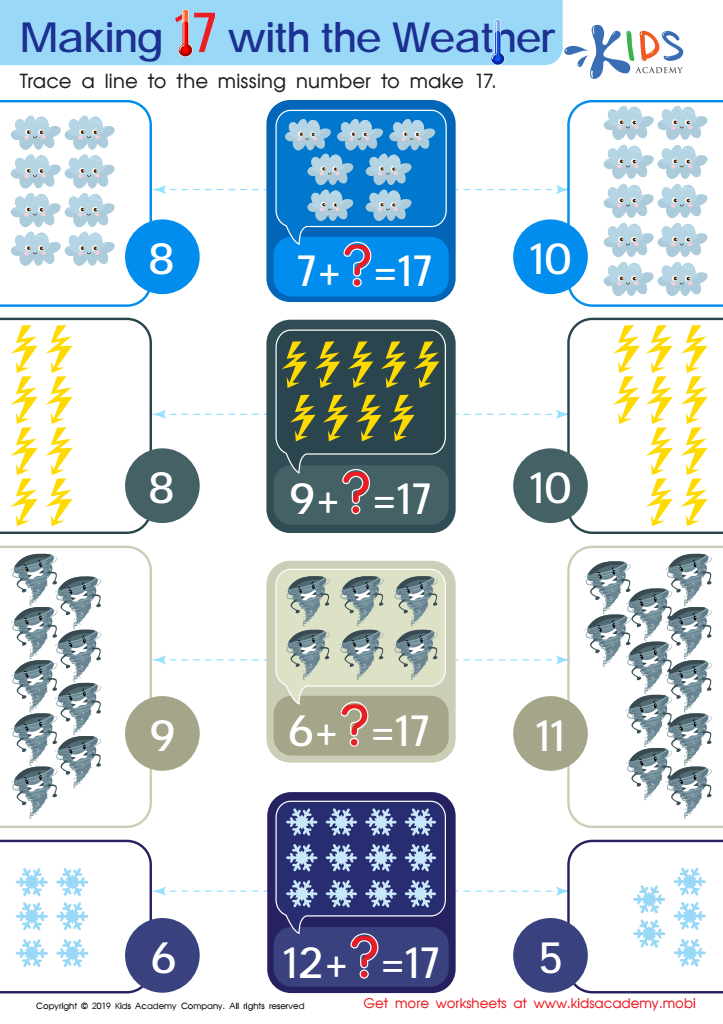
Making 17 with the Weather Worksheet
 Assign to My Students
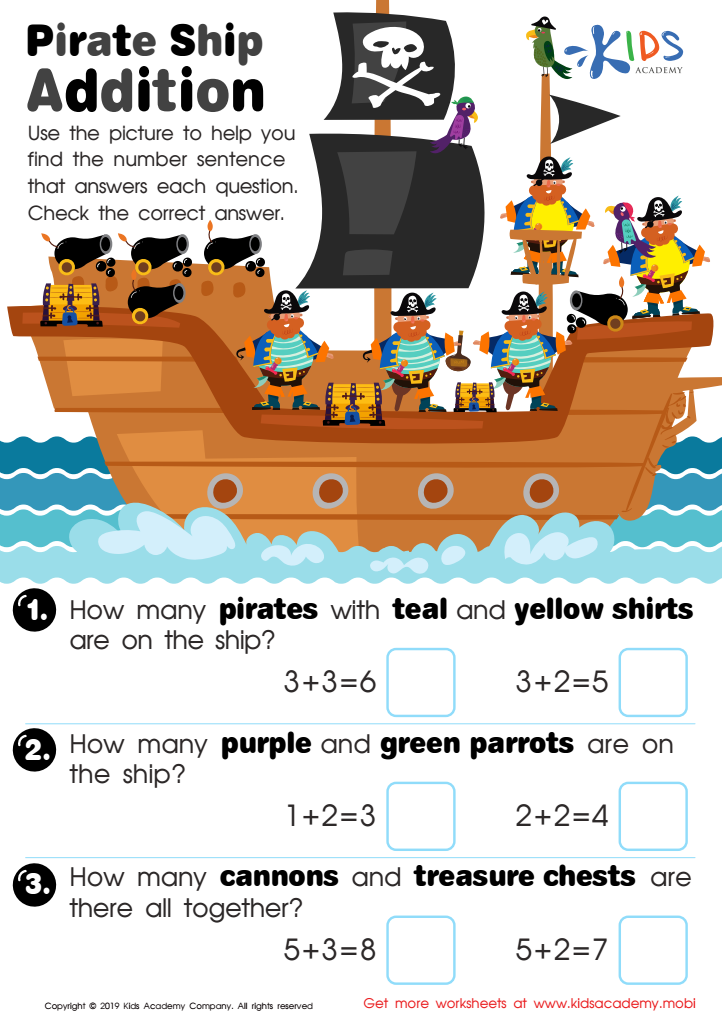
Pirate Ship Addition Worksheet
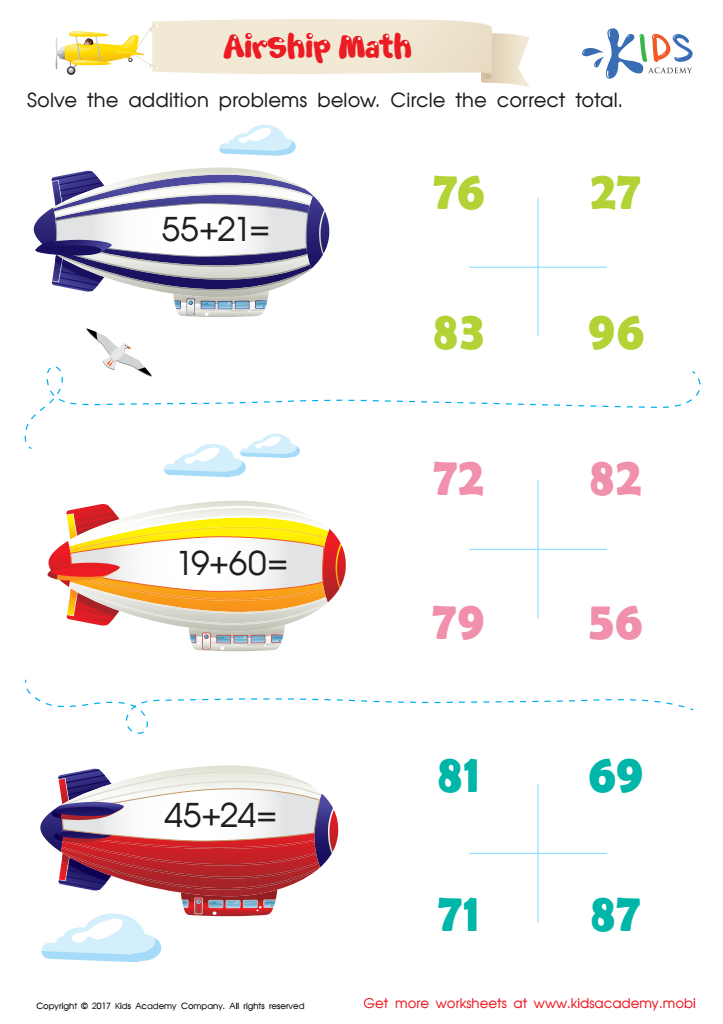
Airship Math Addition Printable
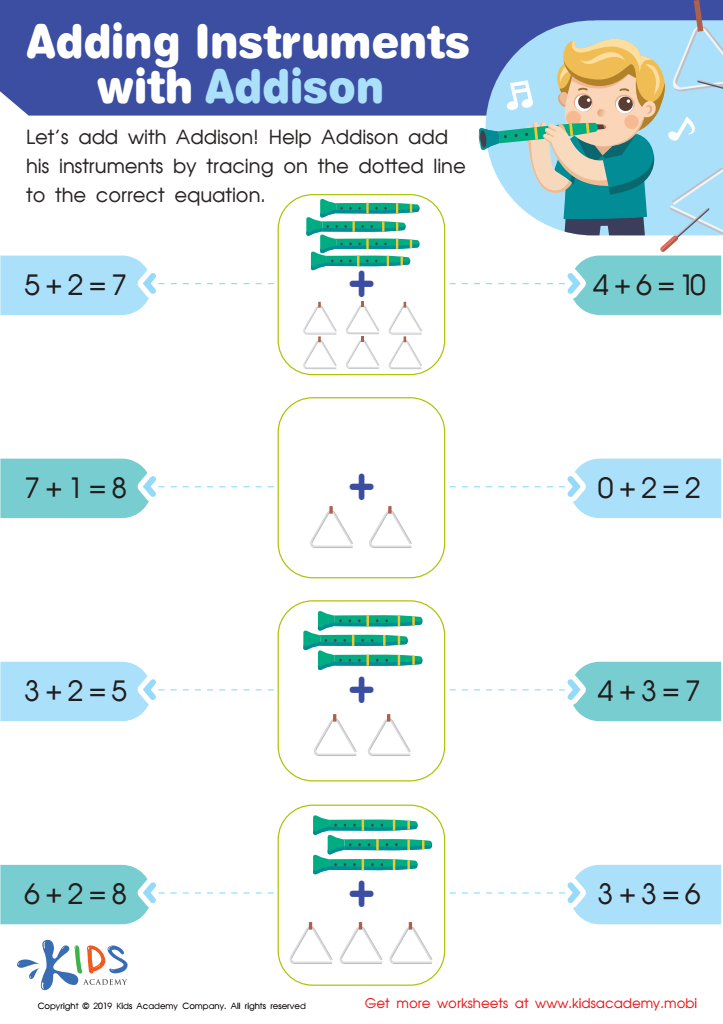
Adding Instruments with Addison Worksheet
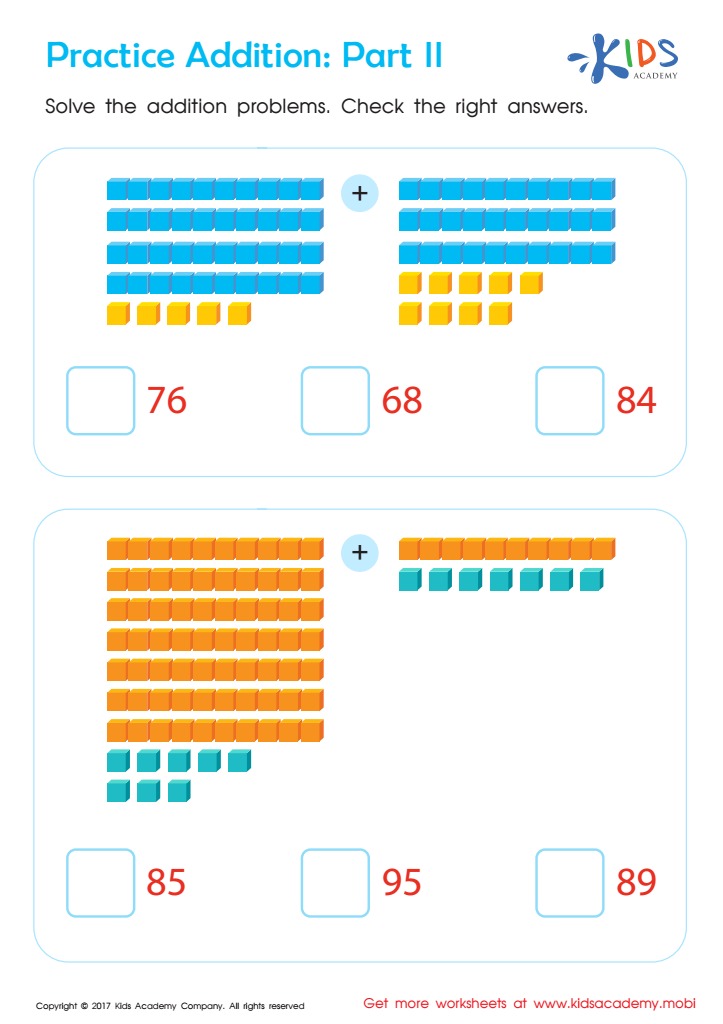
Practice Addition: Part 2 Worksheet
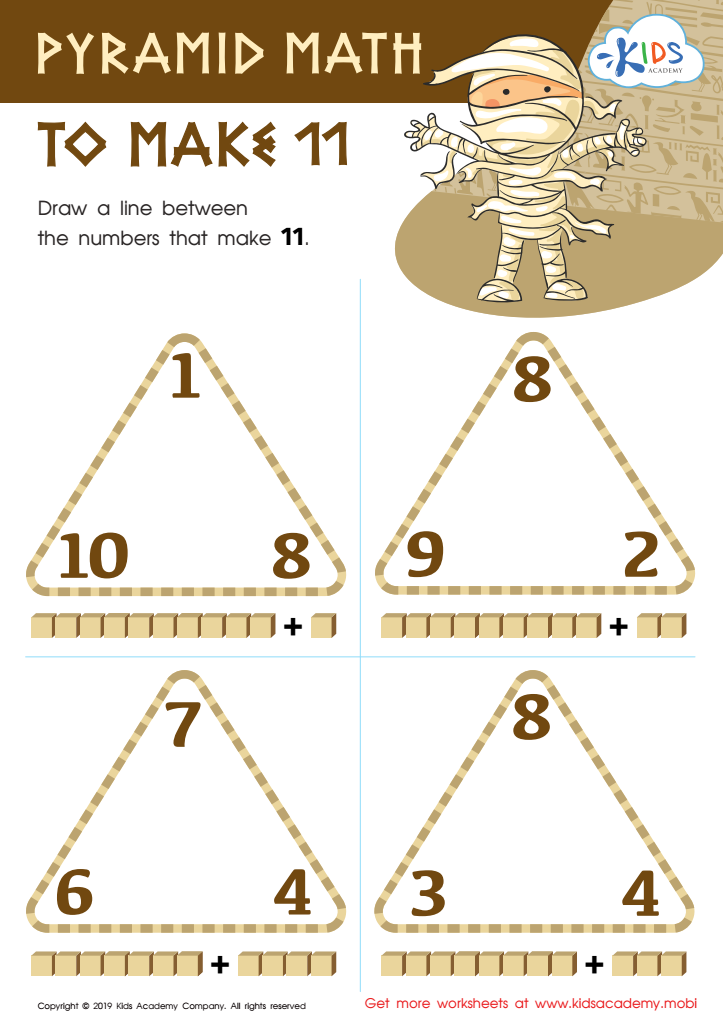
Pyramid Math to Make 11 Worksheet






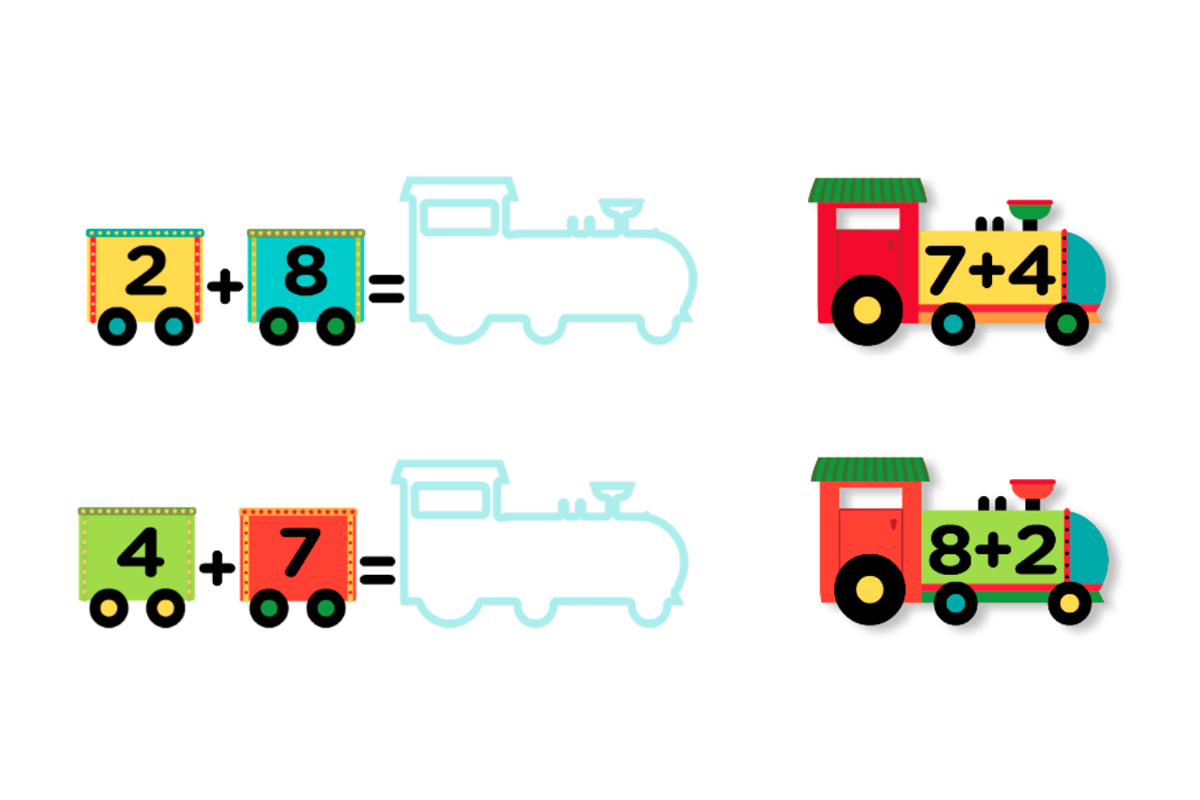
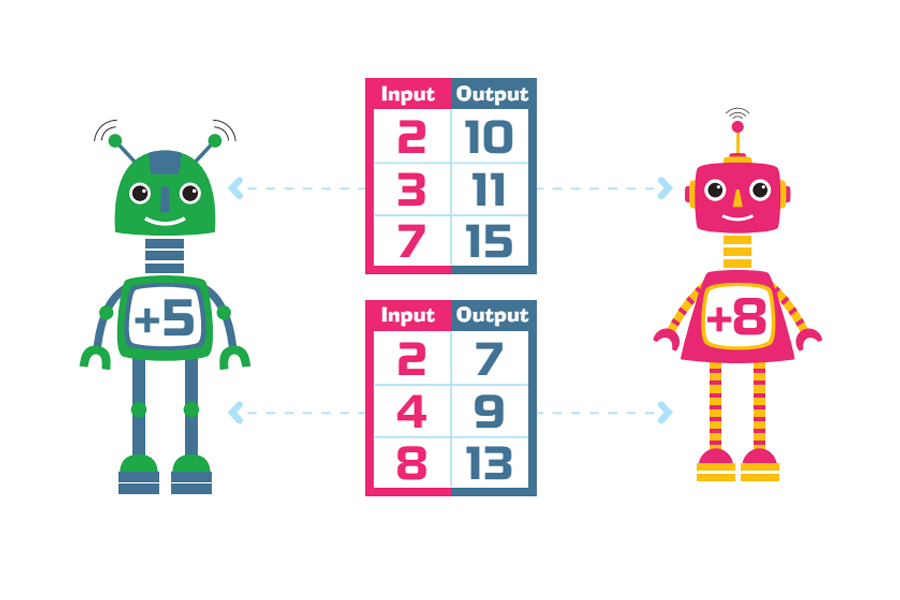
Parents and teachers should care about addition and subtraction practice for children ages 3-8 because these foundational math skills are critical building blocks for future mathematical concepts and everyday problem-solving. Early mastery of addition and subtraction sets the stage for more advanced arithmetic, including multiplication and division, and further complex operations encountered in higher grades.
Regular practice helps children develop numerical fluency, allowing them to perform calculations quickly and accurately. This fluency builds their confidence and reduces math anxiety, fostering a positive attitude towards mathematics. Moreover, addition and subtraction exercises enhance children’s understanding of number relationships and the concept of quantity, which are essential not only in mathematics but also in daily activities such as handling money, telling time, and solving simple puzzles.
Engaging young learners through fun and interactive practices, such as games or creative activities, makes learning enjoyable and helps reinforce these skills effectively. Continuous practice also encourages the development of cognitive skills such as memory, attention, and logical thinking, which are crucial across all subjects and aspects of life. Parents and teachers play a vital role in creating a supportive and encouraging learning environment, ensuring children build a strong mathematical foundation during these formative years.
In summary, prioritizing addition and subtraction practice for young children is essential as it promotes mathematical literacy, confidence, and critical cognitive skills that they will utilize throughout their academic journey and daily life.








