Following instructions Normal Addition & Subtraction Worksheets for Ages 3-8
4 filtered results
-
From - To
Discover our engaging "Following Instructions Normal Addition & Subtraction Worksheets" designed specifically for children ages 3-8. These worksheets promote early math skills while enhancing the ability to follow directions, a crucial aspect of learning. With fun and interactive exercises, young learners will practice basic addition and subtraction while developing their listening and comprehension skills. Each activity encourages kids to follow step-by-step instructions, fostering independence and confidence. Ideal for both home and classroom settings, our worksheets are perfect for reinforcing math concepts and supporting cognitive development. Explore our vast collection today and watch your child's math skills soar!
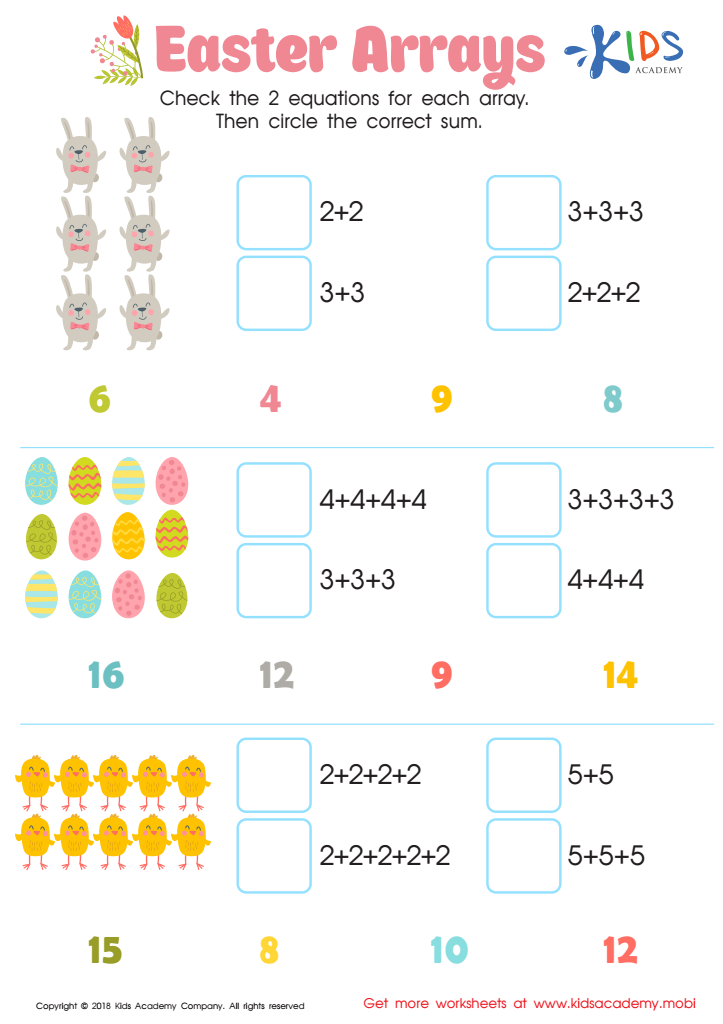
Easter Arrays Worksheet
 Assign to My Students
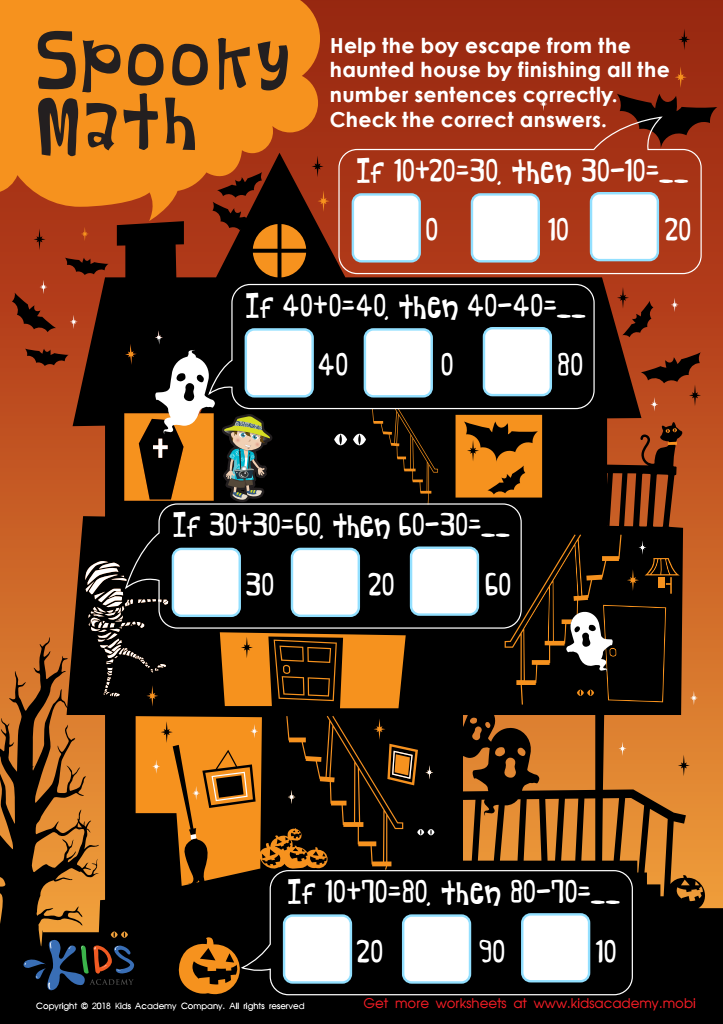
Subtract Tens: Spooky Math Worksheet
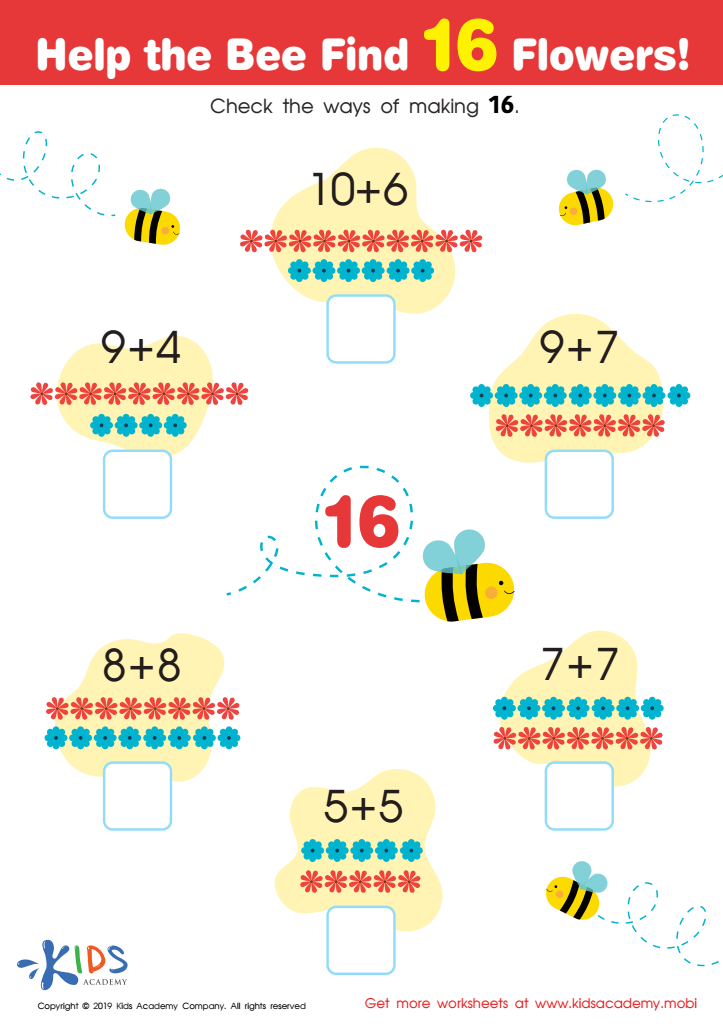
Help the Bee Find 16 Flowers Worksheet
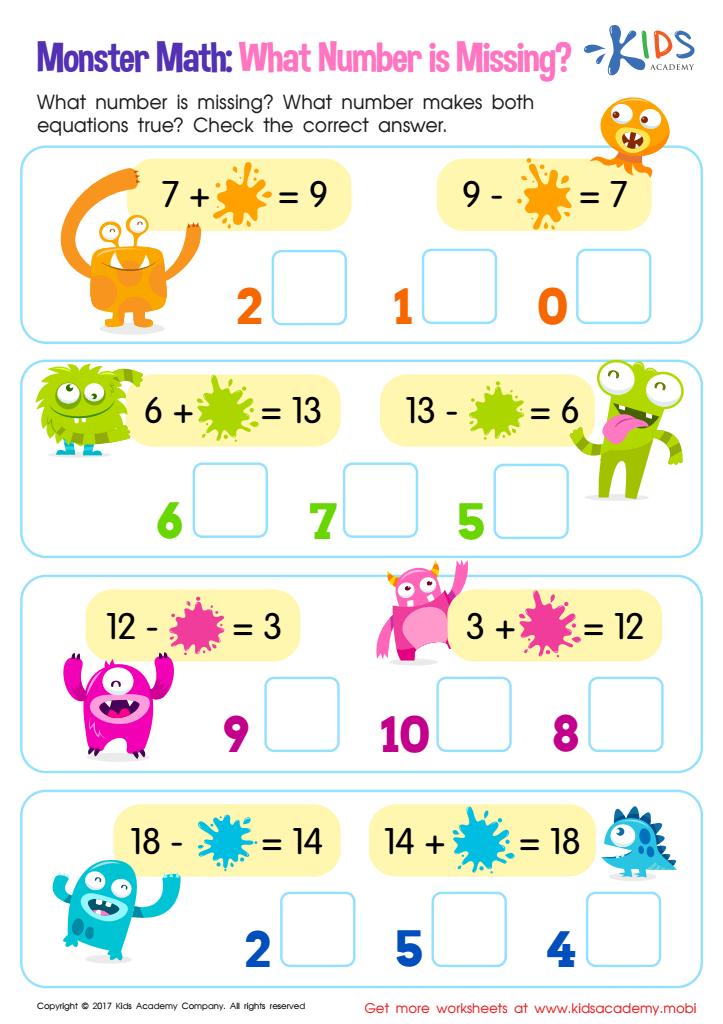
Missing Number: Monster Math Worksheet








Parents and teachers play a crucial role in developing foundational skills in young children, particularly when it comes to understanding basic math concepts like addition and subtraction. For children aged 3-8, mastering normal addition and subtraction is vital not only for academic success but also for everyday problem-solving.
Following instructions during math activities helps young learners enhance their listening skills and improve their ability to process and execute tasks. This builds their confidence as they experience success in completing each step. Moreover, understanding these operations fosters critical thinking and reasoning skills that are essential for tackling more complex mathematical concepts later on.
Additionally, early math skills are linked to later academic performance. Research indicates that children who grasp simple addition and subtraction concepts are better equipped for more advanced topics in math as they progress through school. This early engagement in math also encourages a positive attitude towards mathematics, countering the common anxiety many students develop.
Ultimately, by focusing on these fundamental skills, adults can help create a solid foundation for a child's future learning, instilling a love for math while equipping them with essential life skills. Thus, investing time in these areas truly shapes a child's educational trajectory.








