Attention to Detail Normal Math Worksheets for Ages 3-8
3 filtered results
-
From - To
Discover the ultimate resource for nurturing young minds with our "Attention to Detail Normal Math Worksheets for Ages 3-8." Designed to make math engaging and fun, these worksheets enhance essential learning skills, such as fine motor coordination, problem-solving, and critical thinking. Age-appropriate and visually appealing, each activity aids in building a strong foundation in math while honing attention to detail. Perfect for home or classroom use, these printables foster a love for learning and ensure kids grasp fundamental concepts effectively. Boost your child's confidence and academic progress with our expertly crafted worksheets today!
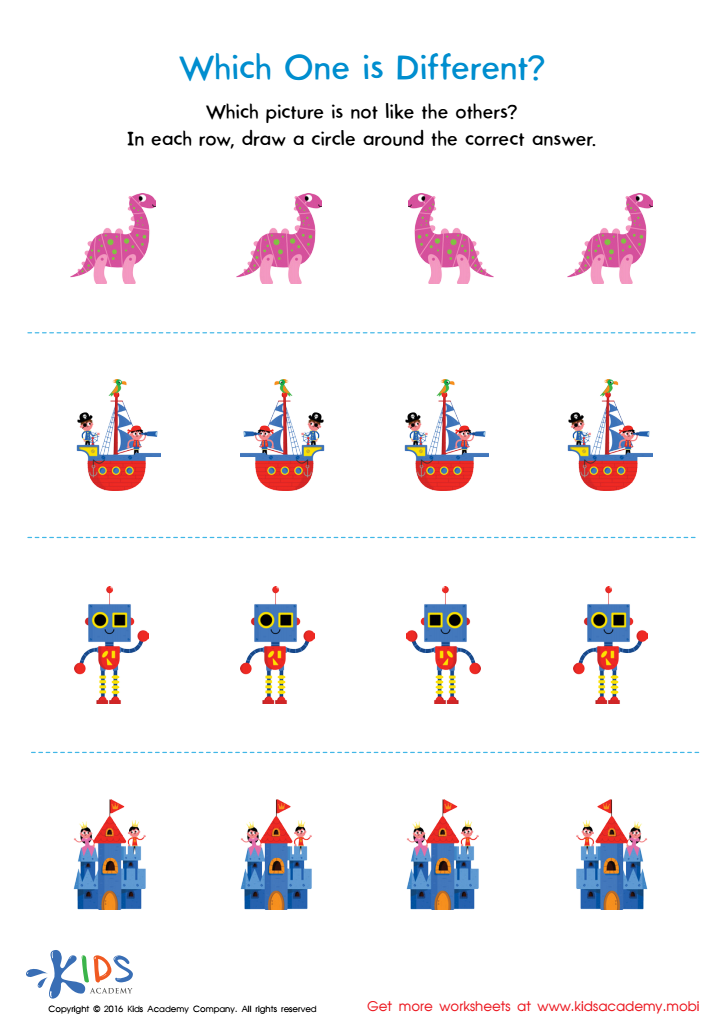
Which One Is Different Worksheet
 Assign to My Students
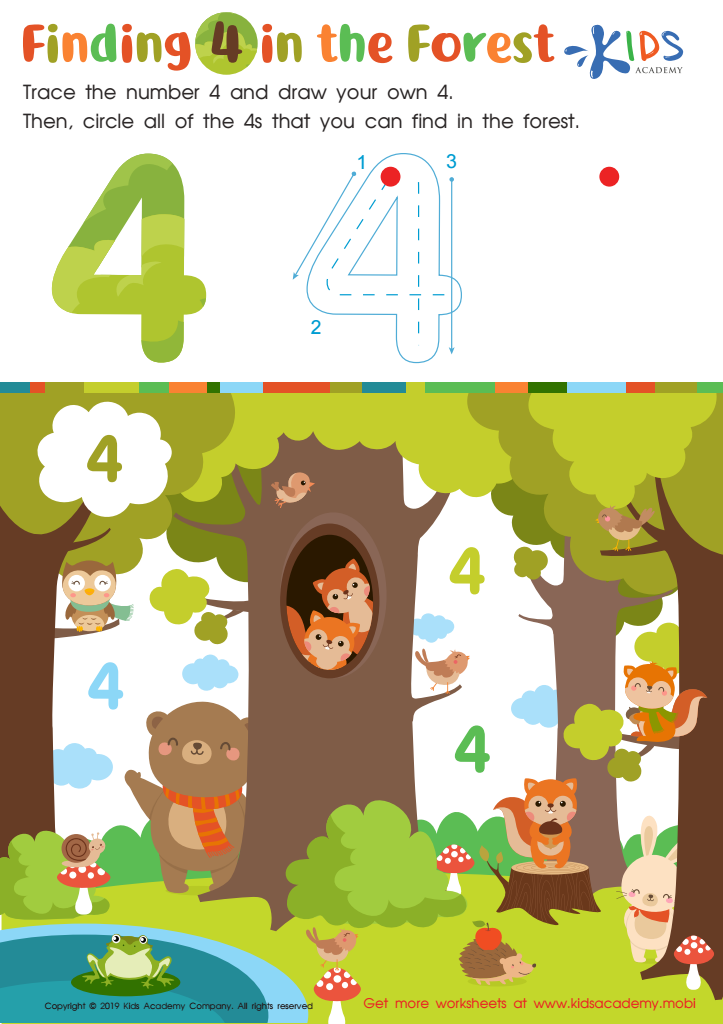
Finding 4 in the Forest Worksheet
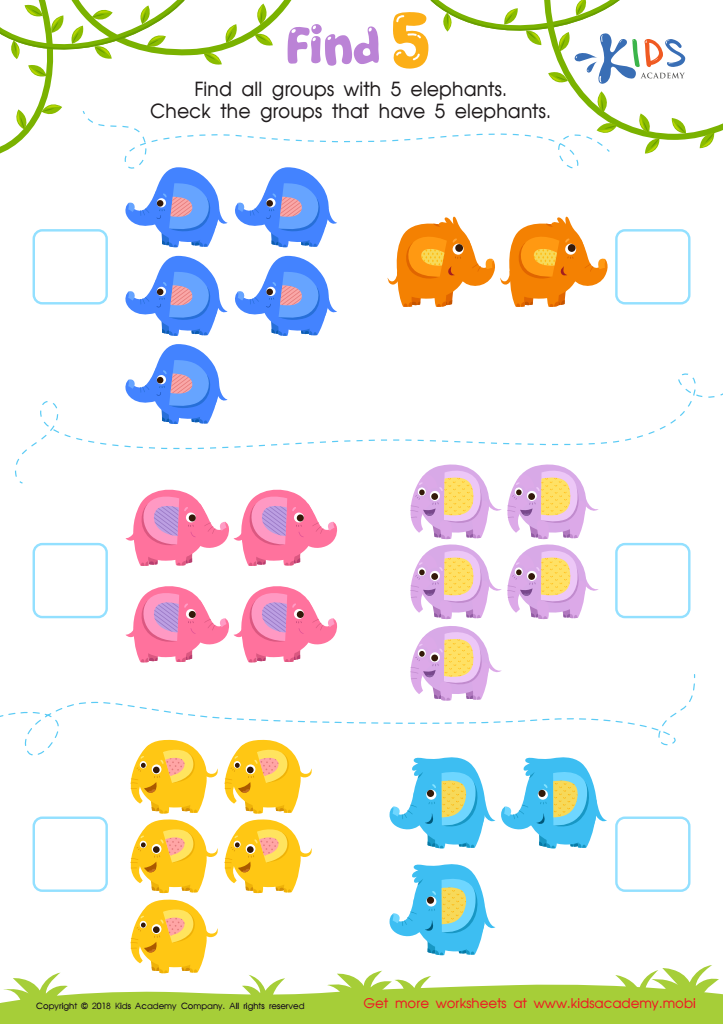
Find 5 Worksheet






.jpg)
Attention to detail in normal math for children ages 3-8 is crucial because it forms the bedrock of their future learning and problem-solving capabilities. During these formative years, children's brains are exceptionally receptive, and laying a solid mathematical foundation is essential. When parents and teachers emphasize attention to detail, they help children develop critical skills like accuracy, concentration, and logical thinking.
Math, by nature, demands precision. A small mistake in calculation can lead to a wrong outcome. Teaching children to focus on details helps reduce errors and fosters a sense of diligence and meticulousness. These traits are not only important in academics but also in everyday decision-making.
Moreover, children who develop attention to detail early on are likely to face fewer struggles as math concepts become more complex in higher grades. They learn the importance of steps in solving problems and checking their work, which enhances their confidence and overall academic performance.
Attention to detail also extends beyond math; it is a skill that benefits reading, writing, and even activities like art and playing musical instruments. Thus, parents and teachers should care about cultivating this skill to ensure well-rounded, capable, and thoughtful learners who can excel in various life aspects.








