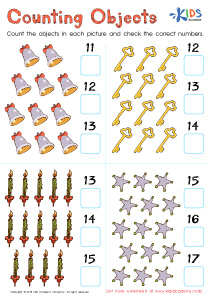
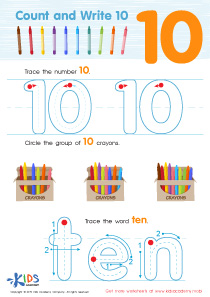
Handwriting practice Normal Numbers 0–10 Worksheets for Ages 3-8
3 filtered results
-
From - To
Discover our "Handwriting Practice Normal Numbers 0–10 Worksheets" designed for ages 3-8! These engaging and educational worksheets from Kids Academy are perfect for young learners embarking on their handwriting journey. Each page provides ample space for children to practice writing numbers from 0 to 10, helping them to enhance their fine motor skills, number recognition, and counting abilities. With child-friendly exercises and creative designs, these worksheets make learning numbers fun and manageable. Ideal for at-home learning or classroom use, they're a valuable resource for developing core math and penmanship skills in early learners.
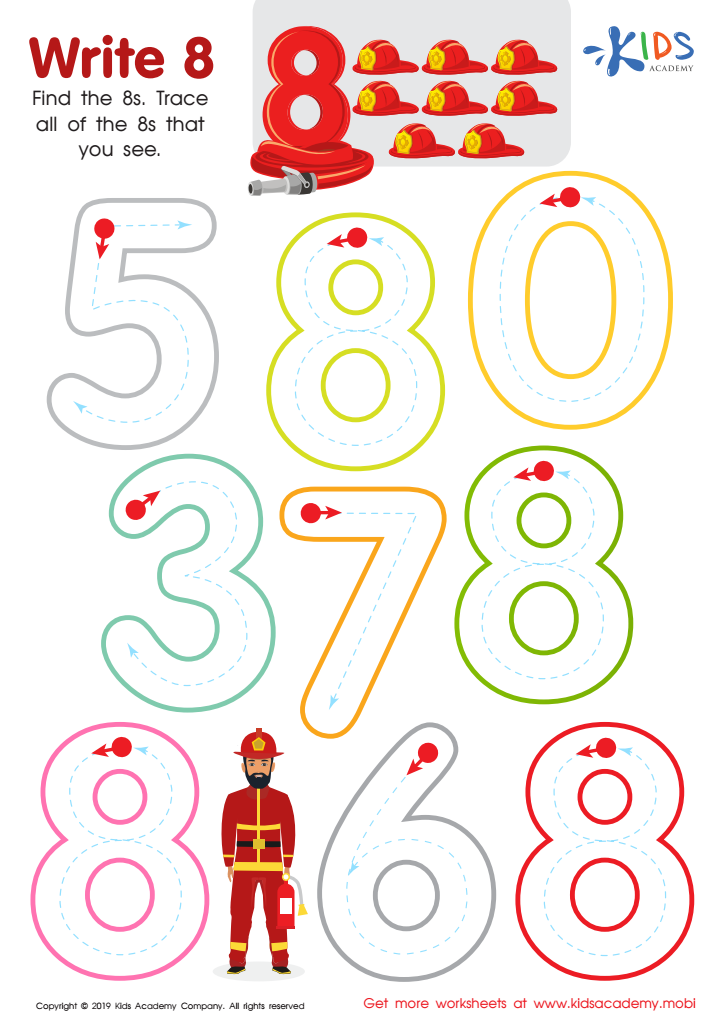
Write 8 Worksheet
 Assign to My Students
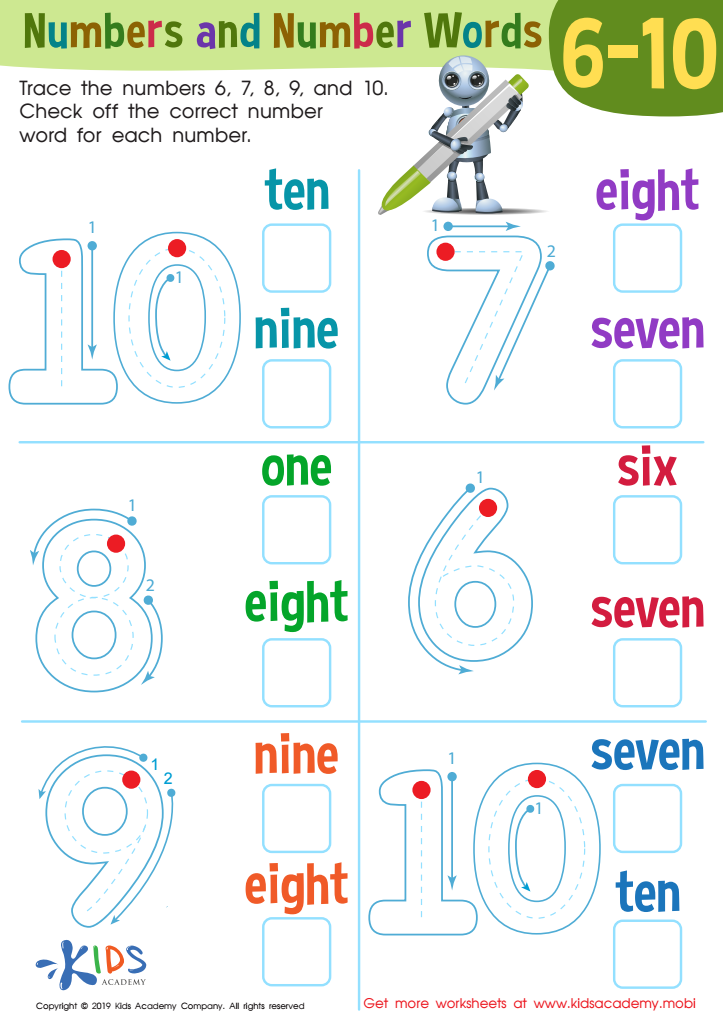
Numbers and Number Words 6–1 Worksheet
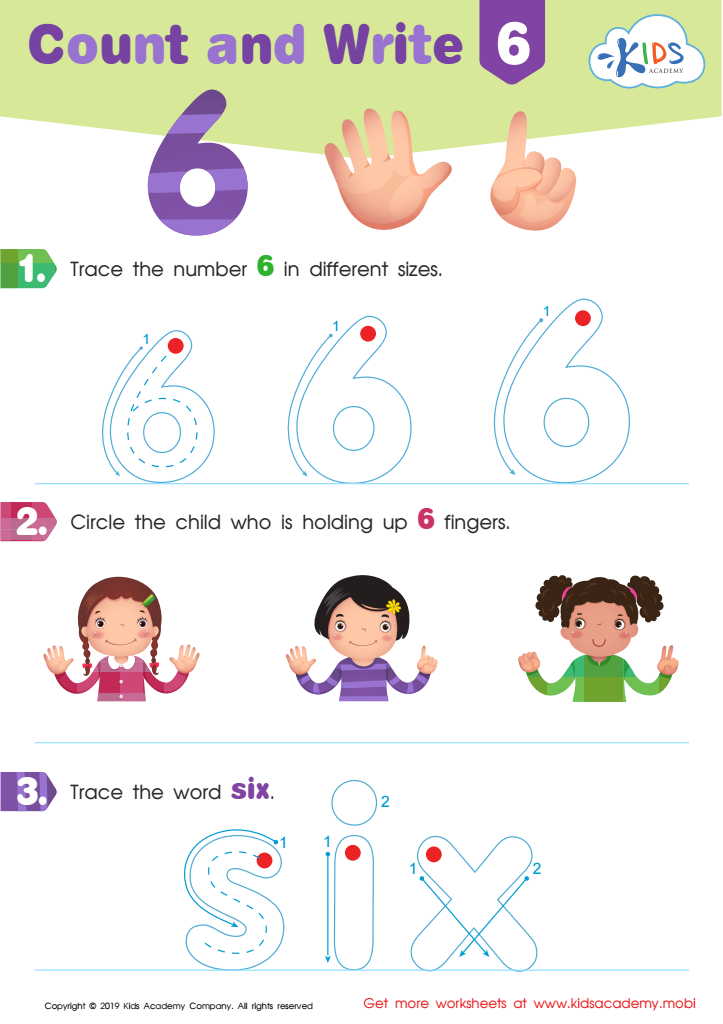
Count and Write 6 Worksheet








Handwriting practice of numbers 0–10 is essential for children's development in several key areas. First, it bolsters fine motor skills, which are crucial for daily tasks, such as tying shoes or using eating utensils. The repetitive action of writing numbers enhances hand-eye coordination and muscle memory.
For ages 3-8, recognizing and writing numbers also lays the groundwork for mathematical understanding. Familiarity with numbers and how to write them helps children grasp concepts of numeracy, fostering early math skills that are foundational for more advanced arithmetic and problem-solving tasks.
Additionally, handwriting practice supports cognitive development, aiding memory retention and concentration. Engaging with numbers through writing encourages a tactile and kinesthetic form of learning, which can be incredibly effective for young minds absorbing new information.
Furthermore, it cultivates discipline and patience. Consistent practice allows children to master skills gradually, improving their ability to focus on tasks and follow through to completion. These traits are invaluable throughout their education journey and beyond.
For teachers and parents, fostering these competencies in children gives them a strong start, favorably impacting their academic performance and confidence. A solid grasp of basic numeracy through simple actions, like writing numbers 0-10, is an investment in a child's future educational success.