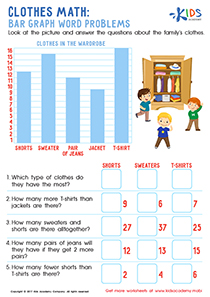
Logical Reasoning Normal Two-step Word Problems Worksheets for Ages 3-8
3 filtered results
-
From - To
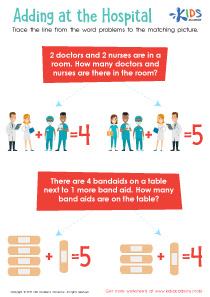
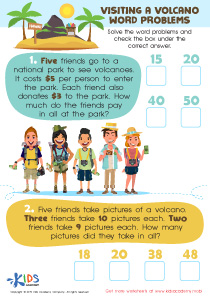
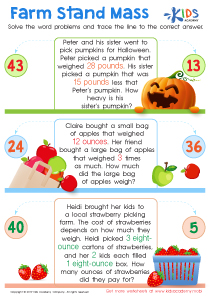
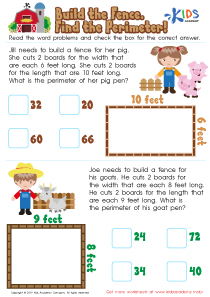
Unlock your child’s potential with our engaging Logical Reasoning Normal Two-Step Word Problems Worksheets, designed for ages 3-8! These worksheets promote critical thinking and enhance problem-solving skills as children tackle relatable real-life scenarios. Each activity encourages young learners to break down and analyze problems in two steps, fostering their ability to think logically and methodically. Coupled with colorful illustrations and clear instructions, these worksheets create a fun learning experience, perfect for both home and classroom settings. Enhance your child's mathematical understanding and cognition with these free, printable resources that make learning both exciting and educational. Get started today!
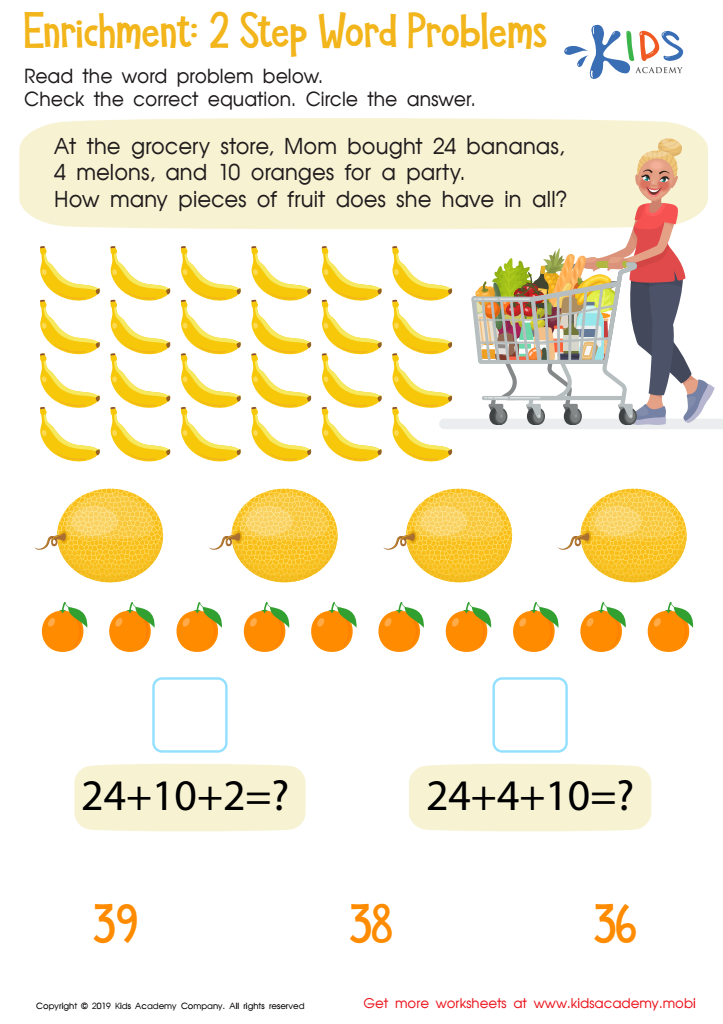
Enrichment -2 Step Word Problems Worksheet
 Assign to My Students
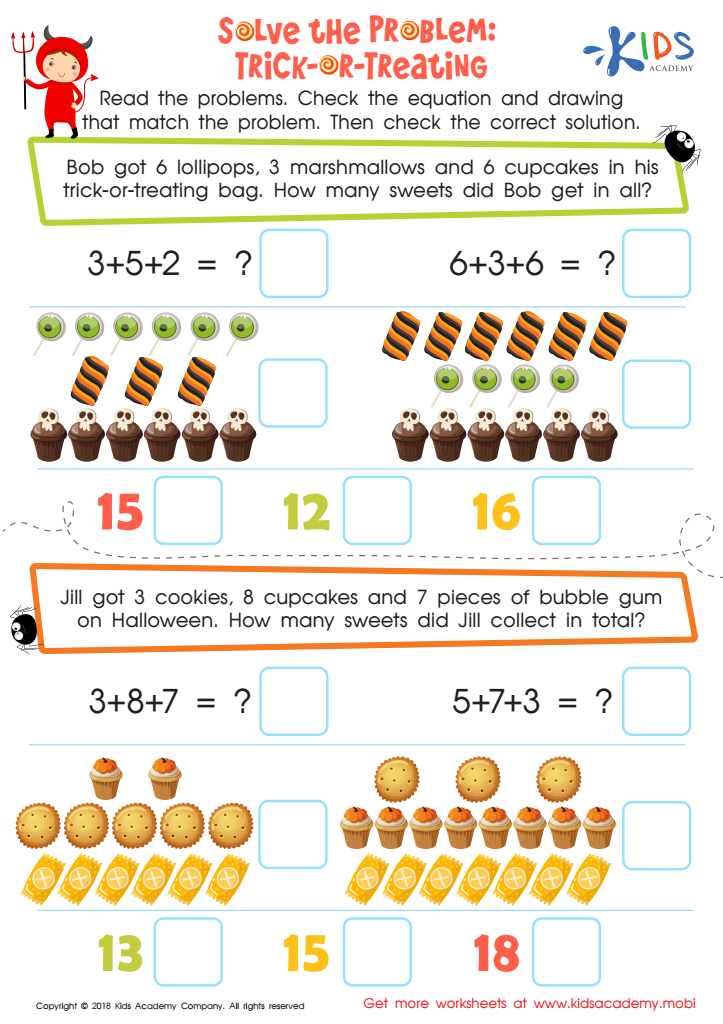
Solve the Problem: Trick–or–treating Worksheet
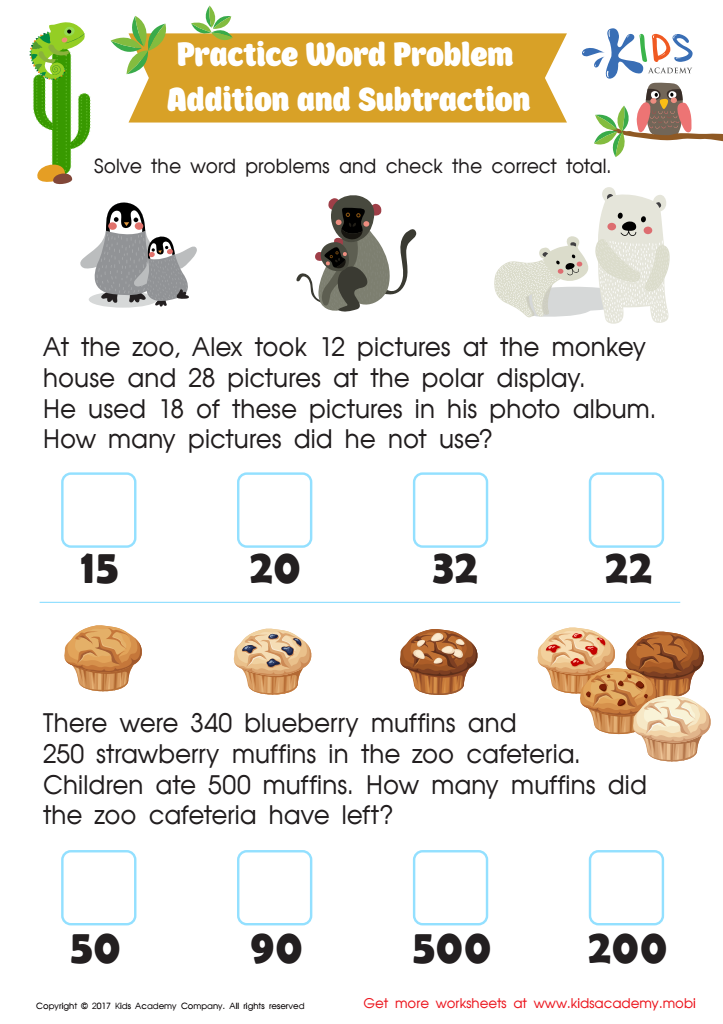
Addition and Subtraction: Word Problems Worksheet



Logical reasoning and problem-solving are foundational skills that significantly influence a child's academic success and overall cognitive development. For children aged 3-8, engaging in normal two-step word problems is particularly important as it helps them learn how to think critically and sequentially. By working through these problems, kids develop their ability to analyze situations, extract relevant information, and apply mathematical operations accordingly.
Understanding two-step word problems enables children to make connections between real-world situations and abstract concepts, fostering a deeper understanding of math. It encourages them to think flexibly, consider multiple approaches, and enhances their verbal reasoning skills. This cognitive exercise isn't just limited to numbers; it promotes language skills as children learn to translate everyday scenarios into mathematical questions.
Additionally, logical reasoning boosts confidence as children solve problems independently, paving the way for future independence in learning. For parents and teachers, supporting children in this learning process sets a solid groundwork that nurtures curiosity, creativity, and critical thinking—criteria essential for lifelong learning. Emphasizing logical reasoning skills at this young age fundamentally shapes their academic journey and prepares them to tackle more complex problems later in life.