Analytical skills Normal Building Vocabulary Worksheets for Ages 3-8
4 filtered results
-
From - To
Enhance your child's analytical skills with our engaging Normal Building Vocabulary Worksheets, designed specifically for ages 3-8. These interactive worksheets provide a hands-on approach to learning, helping young learners expand their vocabulary while developing critical thinking abilities. Kids will explore words through fun activities that promote comprehension, reasoning, and problem-solving. Each worksheet is tailored to age-appropriate learning levels, ensuring your child remains engaged and challenged. Empower your little ones to become confident communicators and creative thinkers as they navigate the exciting world of language. Perfect for home or classroom use, our worksheets make building vocabulary an enjoyable experience!
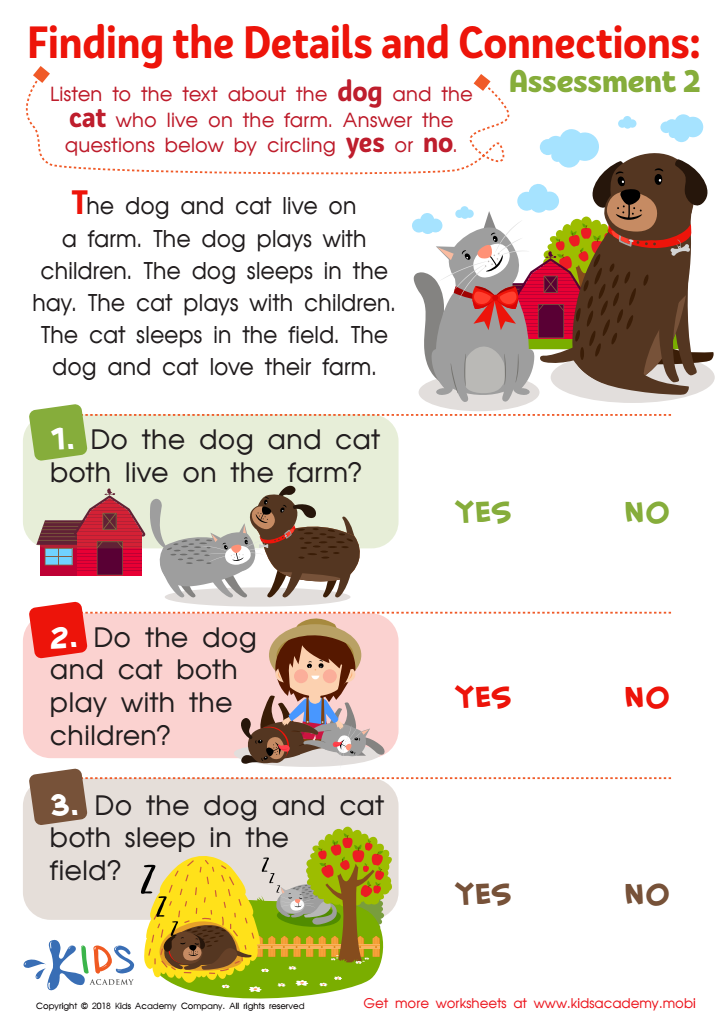
Finding the Details and Connections: Assessment 2 Worksheet
 Assign to My Students











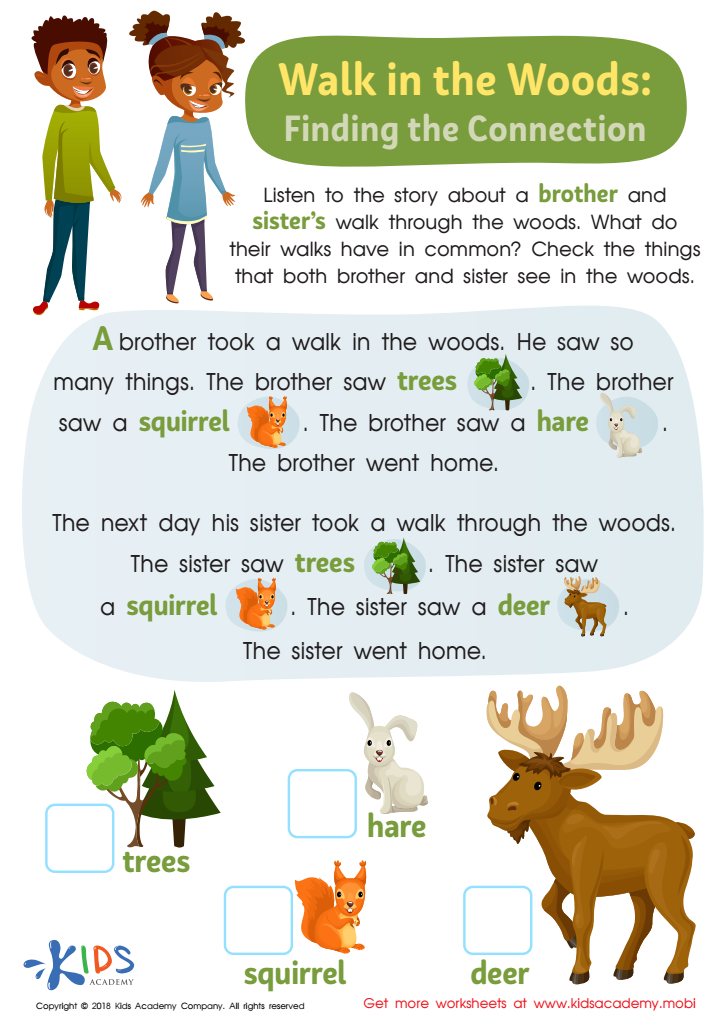
Walk In the Woods: Finding Connections Worksheet
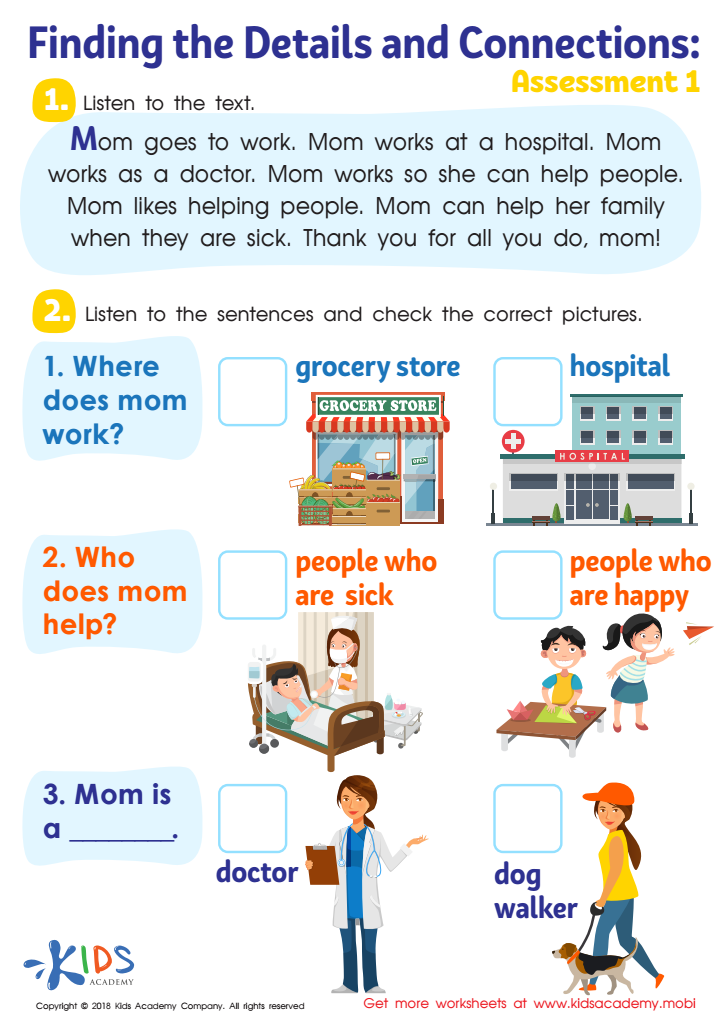
Finding the Details and Connections: Assessment 1 Worksheet
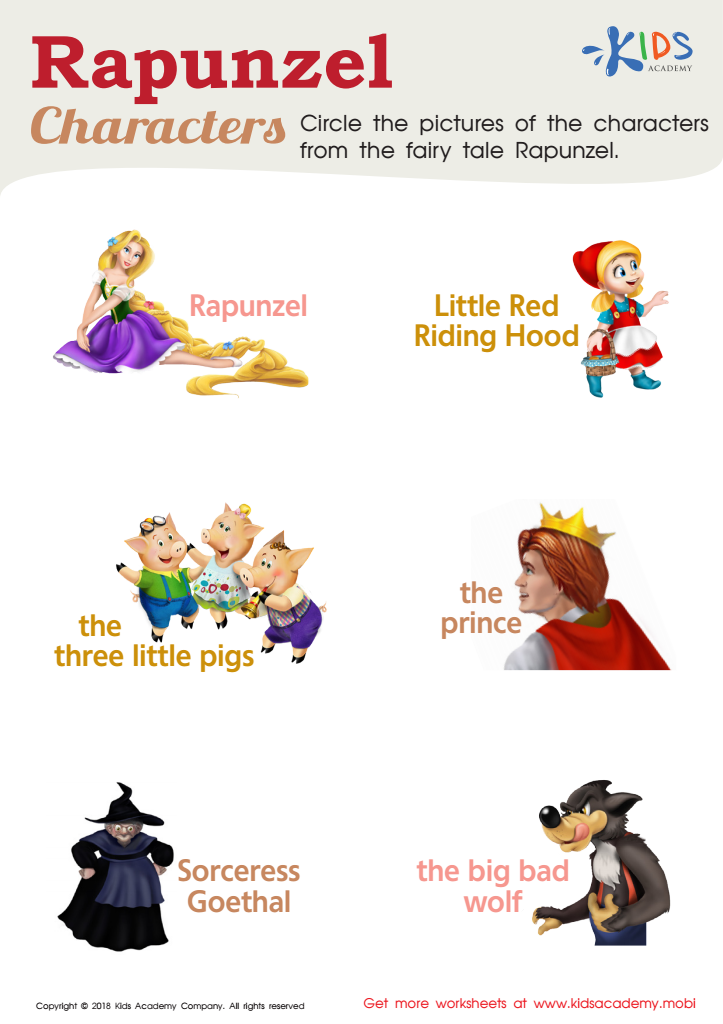
Rapunzel Characters Worksheet







.jpg)
Parents and teachers should prioritize the development of analytical skills in children aged 3-8, as these foundational abilities significantly influence a child's academic and social success. At this stage, children are naturally curious and eager to explore their environment. By encouraging analytical thinking, adults can help children learn to make observations, identify patterns, and solve problems, which are crucial skills throughout their lives.
Building vocabulary is intertwined with analytical skills. A rich vocabulary enhances comprehension and communication, allowing children to articulate their thoughts and ideas effectively. When children engage in activities that foster analytical thinking through vocabulary — such as storytelling, discussions, and descriptive play — they learn to connect words with concepts, boosting their cognitive development.
Additionally, strong analytical and vocabulary skills lay the groundwork for later academic achievement, as they are essential for reading comprehension, math reasoning, and critical thinking. These skills also contribute to emotional intelligence, helping children navigate social situations, express their feelings, and understand others’ perspectives.
In summary, nurturing analytical skills and vocabulary development in young children enables parents and educators to cultivate well-rounded individuals equipped for future challenges, both in and out of the classroom.








