Language skills development Normal Building Vocabulary Worksheets for Ages 3-8
3 filtered results
-
From - To
Enhance your child's language skills with our engaging Building Vocabulary Worksheets, designed for ages 3-8. These resources support normal language development through interactive and fun activities, specifically crafted to enrich vocabulary effectively. Our worksheets offer a variety of exercises that promote word recognition, understanding, and usage, making learning enjoyable. Children will explore diverse words in context, strengthen their communication skills, and build a solid foundation for future reading and writing tasks. Perfect for both classroom settings and home learning, our worksheets provide a valuable tool for parents and teachers looking to foster a love for language in young learners.
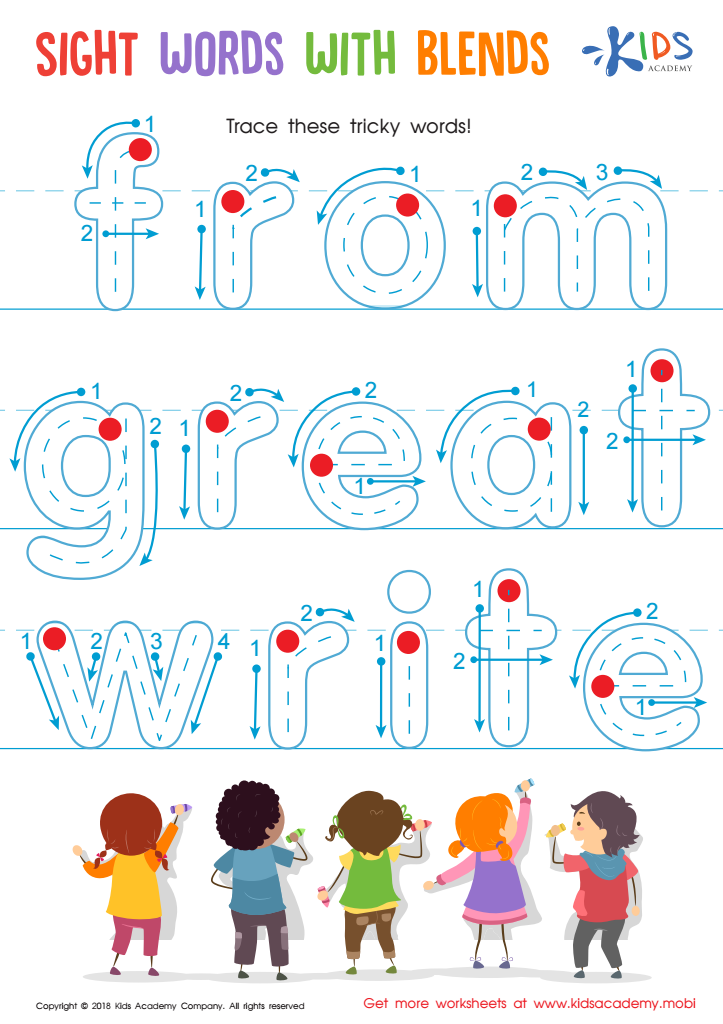
Sight Words with Blends Worksheet
 Assign to My Students











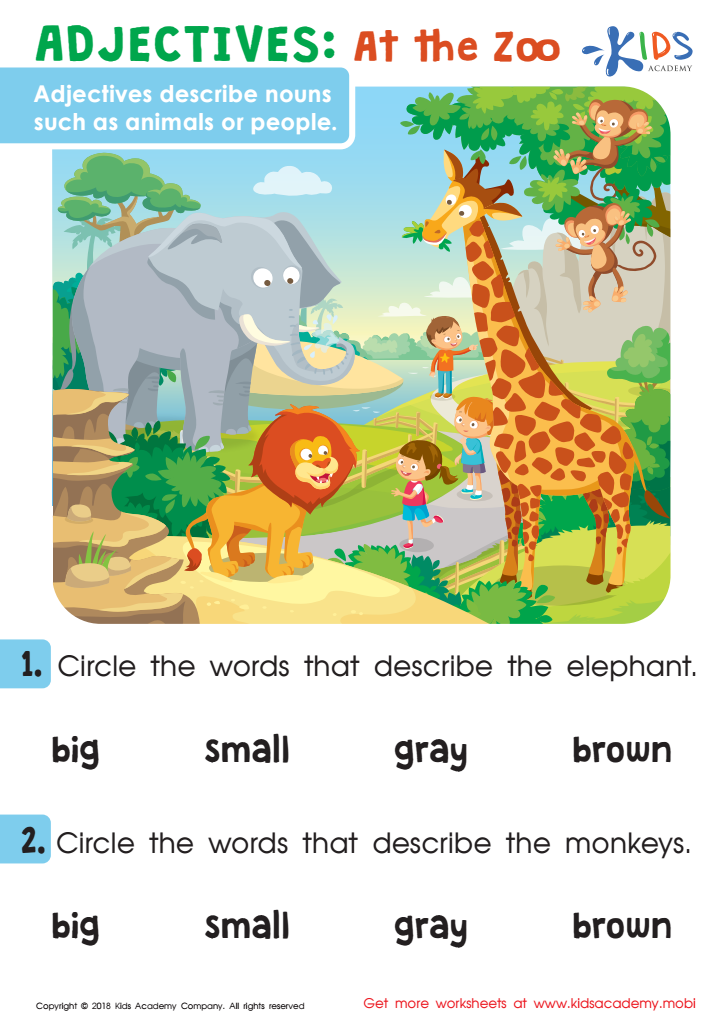
Adjectives: At The Zoo Worksheet
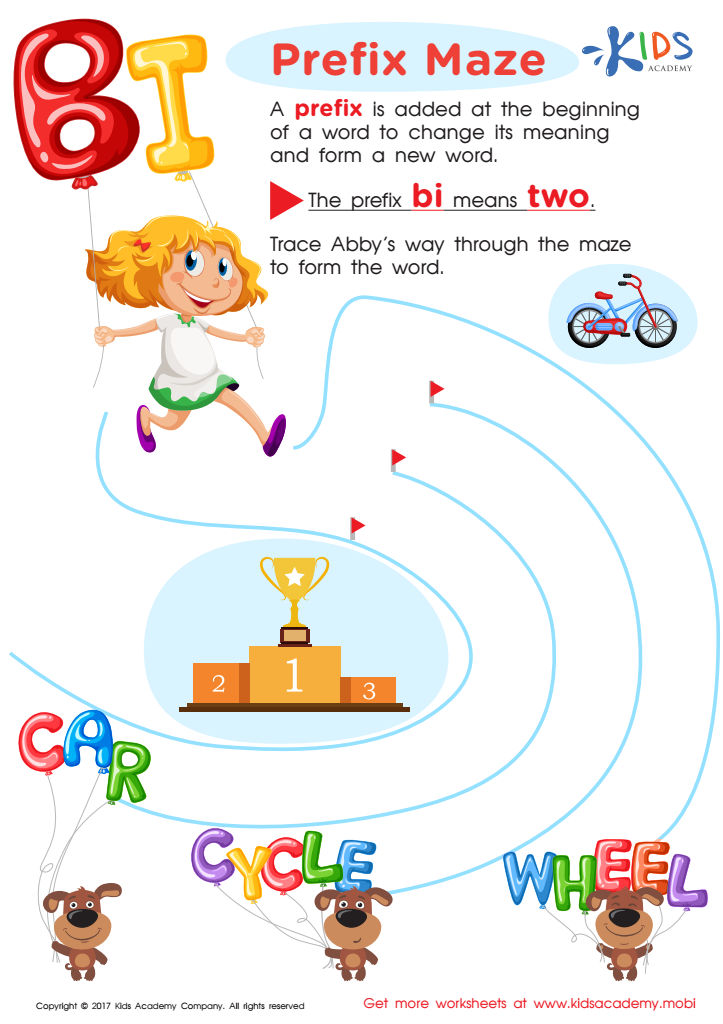
Prefix Bi Words Worksheet








Language skills development, particularly vocabulary building for children aged 3-8, is essential for several reasons. First, a strong vocabulary lays the foundation for effective communication. Children who have rich vocabularies are better equipped to express their thoughts and feelings clearly, helping them establish social connections and build friendships. Enhanced communication skills also foster confidence, enabling them to participate more actively in discussions and other group activities.
Furthermore, vocabulary development is closely linked to academic success. A robust vocabulary not only facilitates better reading comprehension but also enhances understanding across subjects like science and mathematics. Children with advanced language skills can grasp new concepts more easily and engage with complex materials.
Parents and teachers play a crucial role in nurturing language development through interactive storytelling, singing, and engaging in conversations. By introducing new words in fun contexts, adults can encourage curiosity and a love for language. Additionally, focusing on vocabulary growth at this pivotal age helps mitigate learning challenges later in life.
In essence, investing in vocabulary development during early childhood is invaluable, equipping children with essential tools for lifelong learning, socialization, and effective communication. Recognizing the importance of this development is crucial for both parents and educators.








