Reading practice Normal Building Vocabulary Worksheets for Ages 3-8
3 filtered results
-
From - To
Enhance your child's vocabulary with our engaging Reading Practice Normal Building Vocabulary Worksheets, designed specifically for ages 3-8. These worksheets combine fun activities with educational content, helping young learners develop essential reading skills while expanding their word knowledge. Each workbook features a variety of interactive exercises that encourage comprehension and retention, perfect for at-home learning or classroom use. Tailored to support different learning levels, our materials make learning enjoyable, ensuring children build a strong foundation in vocabulary that will benefit them throughout their education. Discover the joy of reading and watch your child thrive with our vibrant and dynamic worksheets today!
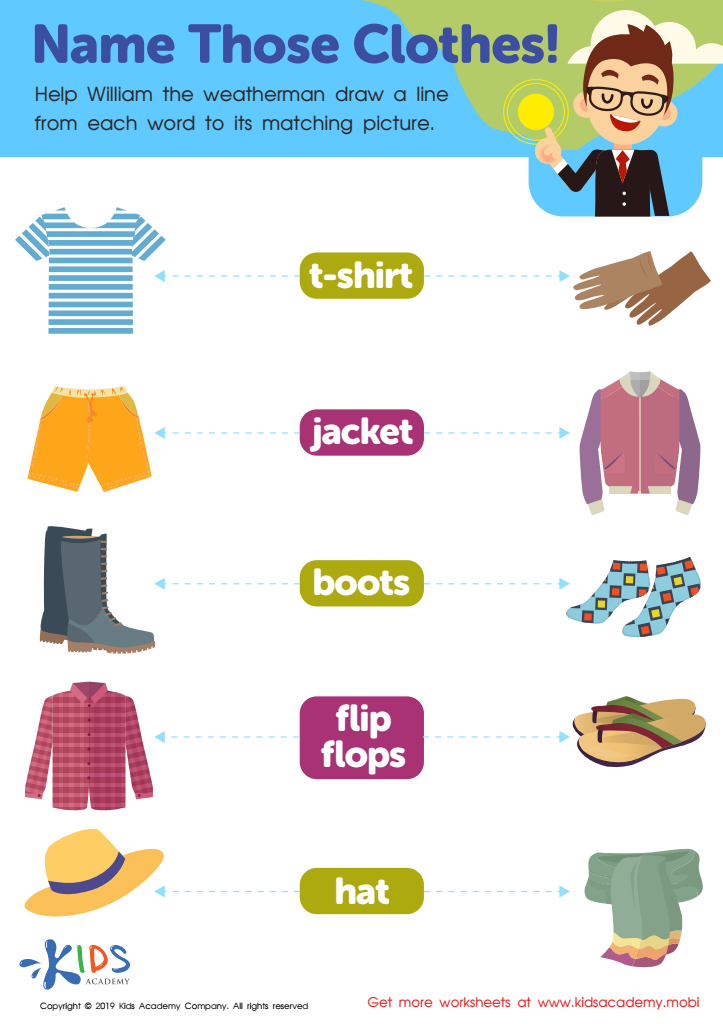
Name Those Clothes Worksheet
 Assign to My Students











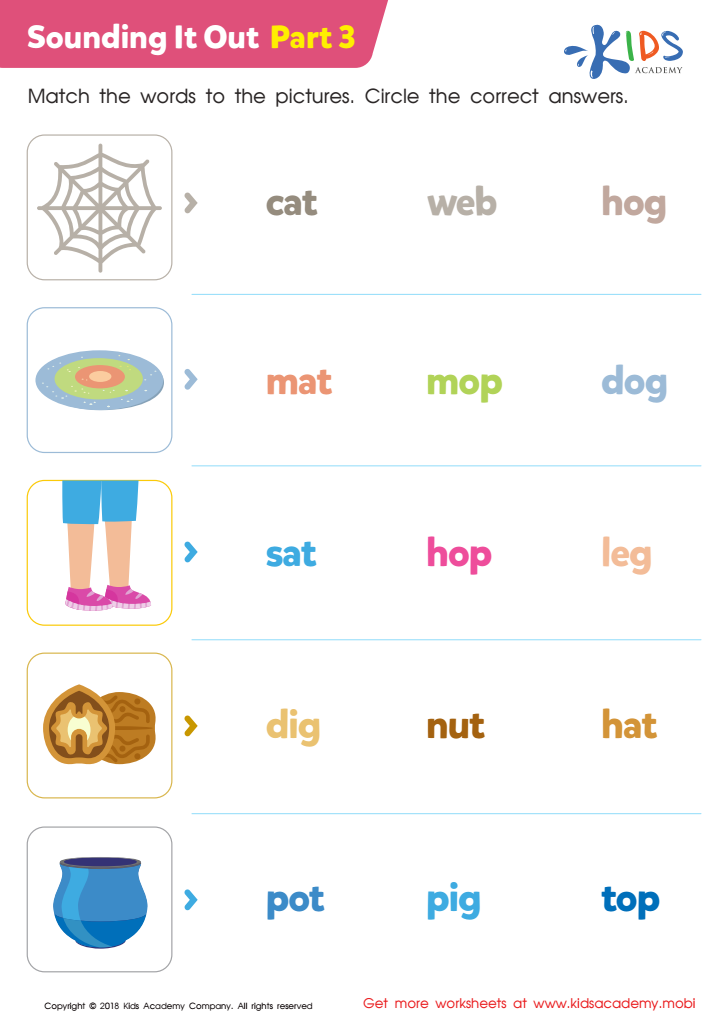
Sounding it Out: Part 3 Worksheet
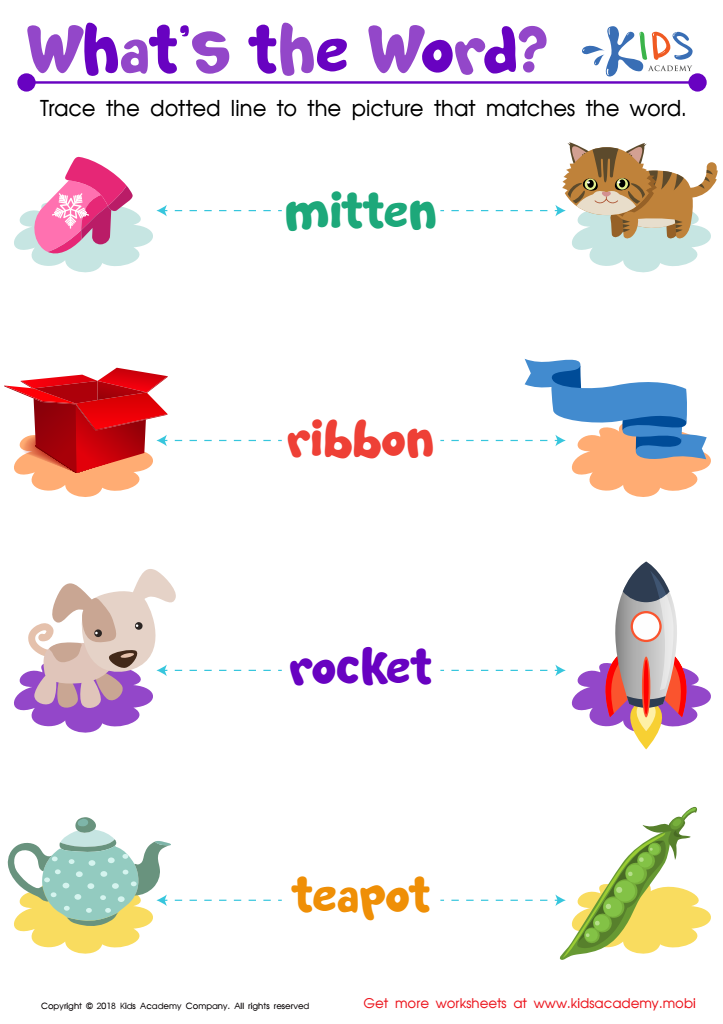
Reading: What's Word Worksheet


.jpg)




.jpg)
Reading practice is essential for children aged 3 to 8, as it plays a critical role in their vocabulary development and overall cognitive growth. During these formative years, children are like sponges, soaking up information and language from their environment. Engaging in regular reading activities helps them develop a robust vocabulary that lays the foundation for effective communication, critical thinking, and comprehension skills.
When parents and teachers prioritize reading practice, they're not just helping children memorize words—they are facilitating connections between words, sounds, and meanings. This exposure boosts fluency, enabling kids to articulate their thoughts clearly and engage in more meaningful conversations. Additionally, enhanced vocabulary contributes to improved academic performance across all subjects, as language skills are integral to learning.
Moreover, reading together fosters stronger relationships between children and their caregivers, cultivating a love for literature that lasts a lifetime. Interactive reading can spark curiosity and creativity, inspiring children to explore new ideas and concepts. Ultimately, investing time in reading practice is a gift that empowers kids with the tools they need for lifelong learning and success. In doing so, parents and teachers play a pivotal role in nurturing confident, capable, and articulate young learners.








