Language skills development Normal Reading Worksheets for Ages 3-8
3 filtered results
-
From - To
Enhance your child's language skills with our engaging Normal Reading Worksheets designed for ages 3-8. These worksheets focus on key reading and comprehension strategies, offering fun and interactive activities that captivate young learners. Perfect for home or classroom use, our resources aid in developing vocabulary, understanding sentence structure, and fostering a love for reading. Each worksheet is tailored to suit varying skill levels, ensuring every child can progress at their own pace. Explore our collection to ignite creativity and inspire a lifelong passion for language. Equip your little ones with essential reading skills for their educational journey!
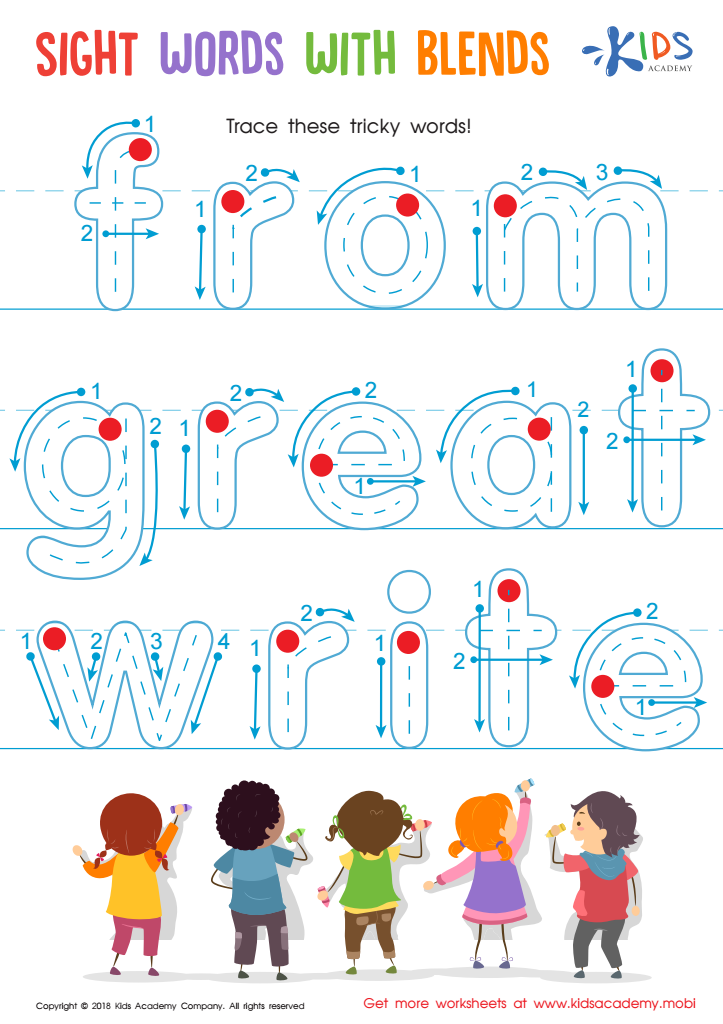
Sight Words with Blends Worksheet
 Assign to My Students
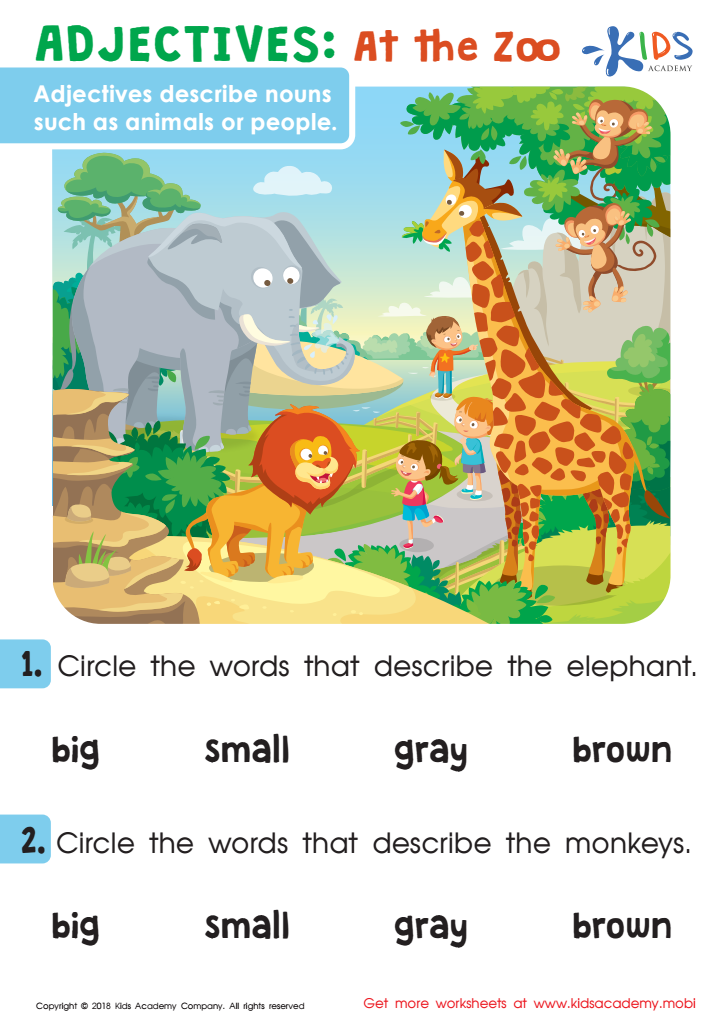
Adjectives: At The Zoo Worksheet
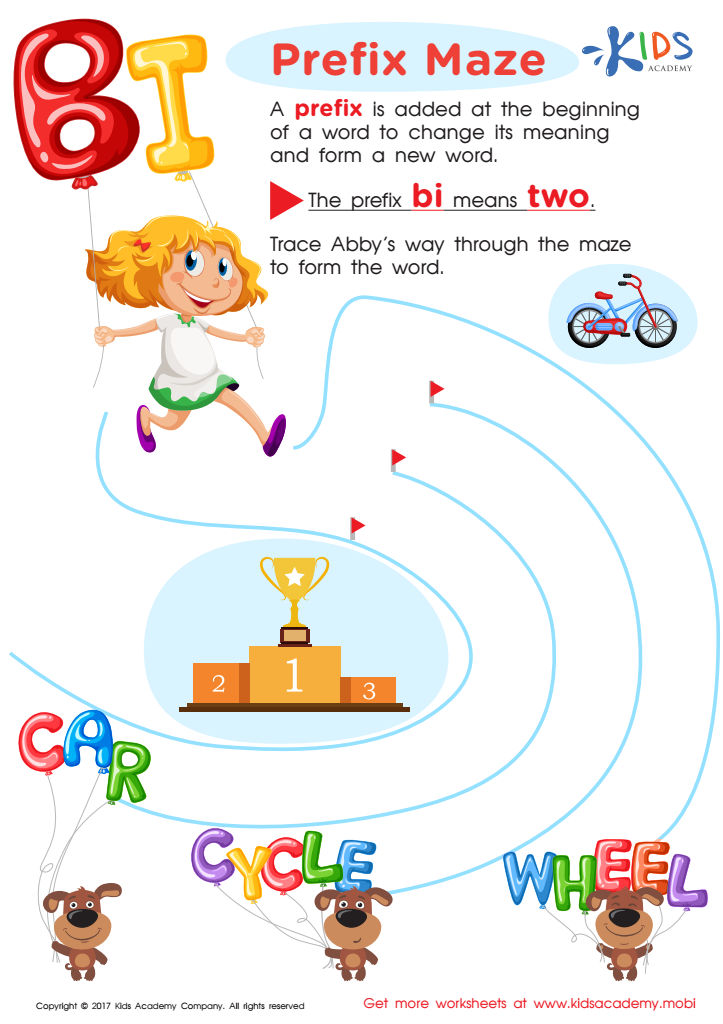
Prefix Bi Words Worksheet








Language skills development during the critical ages of 3 to 8 is fundamental for a child's overall growth. During this period, children are rapidly acquiring vocabulary, grammar, and basic literacy skills that form the foundation for their future academic success. Parents and teachers should be particularly invested in this developmental stage because strong language skills significantly influence a child's ability to communicate effectively, express thoughts, and socialize with peers.
Research indicates that proficient language skills boost cognitive development, enabling children to understand complex ideas and engage in problem-solving. Early readers enjoy better performance in school, as reading proficiency is linked to improved outcomes in subjects like math and science. Recognizing this, parents and teachers who foster reading habits—by reading together, providing access to varied books, and creating a language-rich environment—can encourage a love for literature.
Additionally, early language development can help close achievement gaps, particularly for children from disadvantaged backgrounds. By prioritizing language skills development, parents and teachers empower children to thrive academically and socially, setting them on a path to lifelong learning and success.








