Reading practice Normal Reading Worksheets for Ages 3-8
7 filtered results
-
From - To
Discover our engaging "Normal Reading Worksheets" designed for children aged 3-8. These resources are perfect for enhancing early literacy skills through fun, interactive activities. Each worksheet focuses on essential reading concepts such as phonics, vocabulary, and comprehension. Tailored to meet the developmental needs of young learners, our worksheets incorporate colorful illustrations and relatable themes, making reading practice enjoyable and effective. Ideal for both classroom use and at-home learning, these exercises encourage creativity and critical thinking, allowing children to grow confident in their reading abilities. Start your child’s reading journey today with our enriching worksheets that build foundational skills for lifelong literacy!
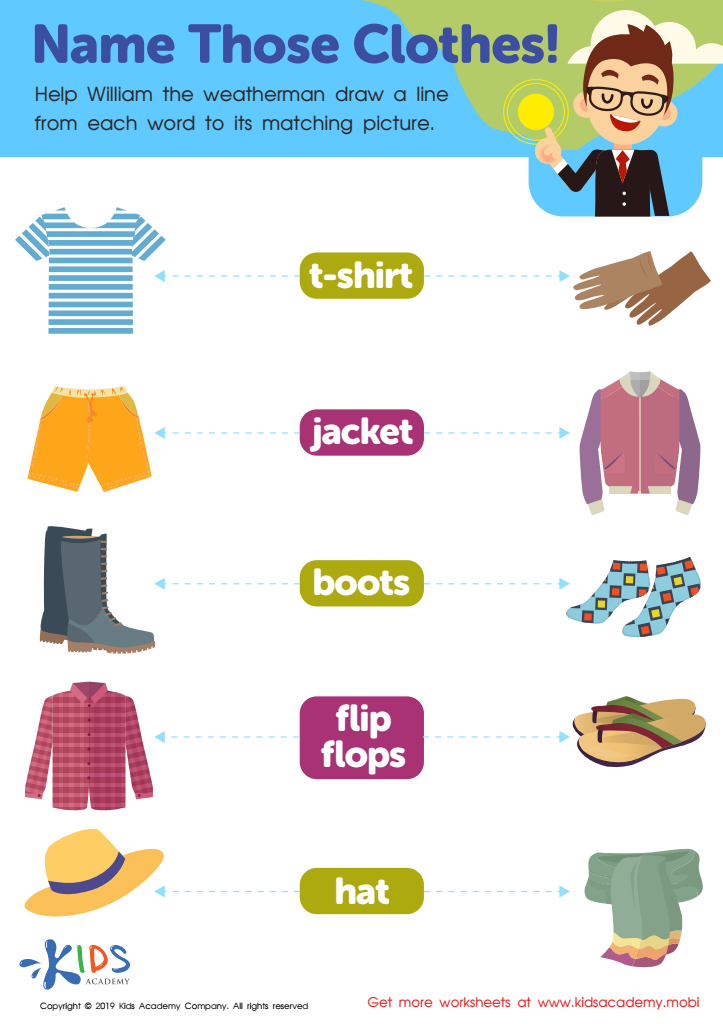
Name Those Clothes Worksheet
 Assign to My Students
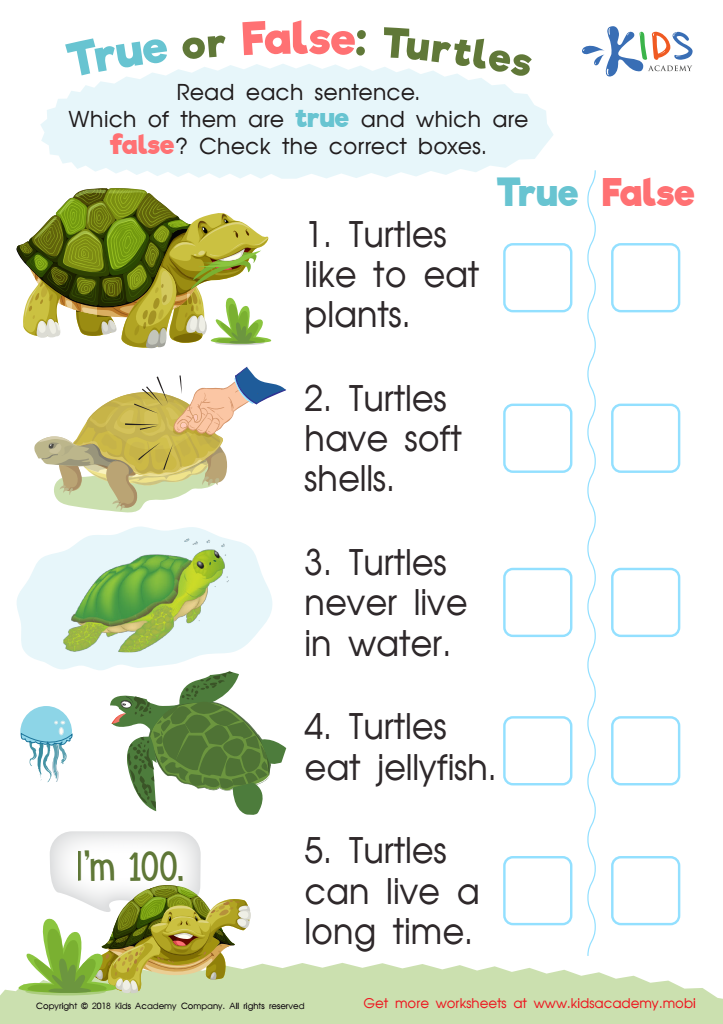
True or False: Turtles Worksheet
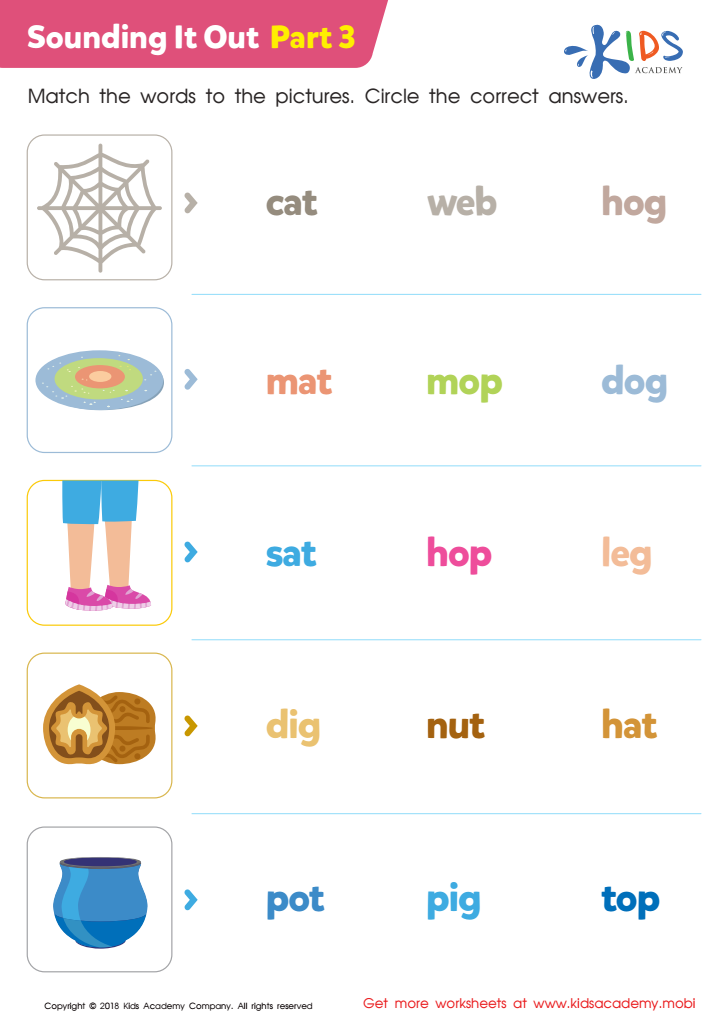
Sounding it Out: Part 3 Worksheet
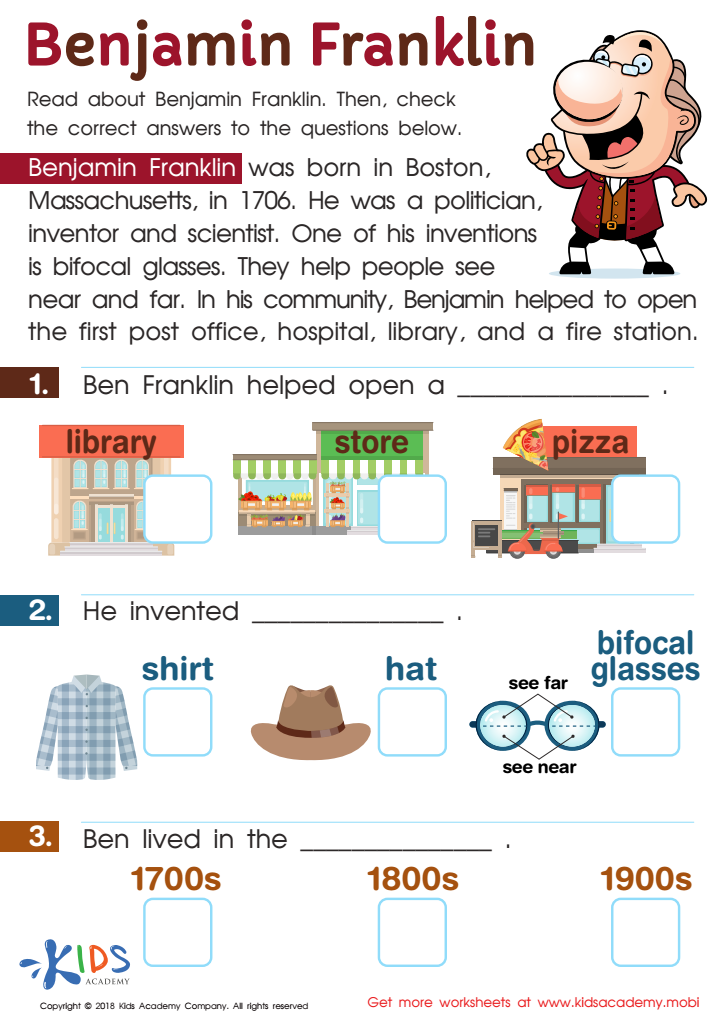
Benjamin Franklin Worksheet

Mountain Animals Worksheet

Volcano Words Worksheet
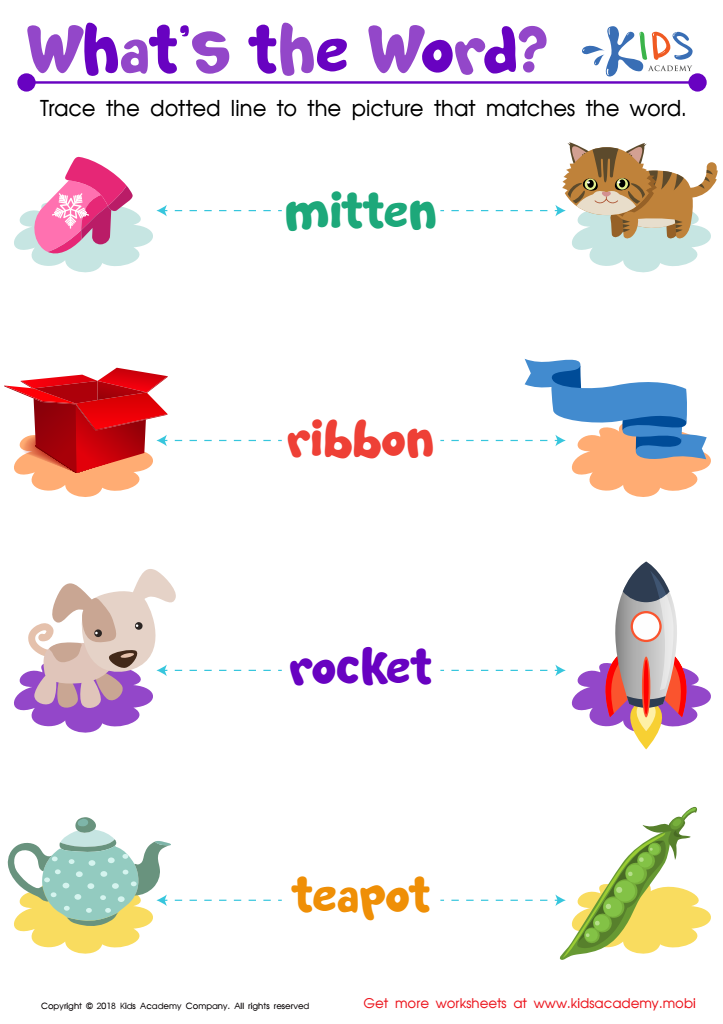
Reading: What's Word Worksheet








Reading practice is crucial for children ages 3-8, laying the foundation for lifelong learning and development. During these formative years, children are like sponges, absorbing information and skills that will shape their academic trajectories and cognitive abilities. Engaging in regular reading activities promotes language development, enriches vocabulary, and enhances comprehension skills. These skills are essential for effective communication, learning, and social interaction.
Moreover, normal reading practice fosters a love for literature and creativity. When parents and teachers guide children through enjoyable stories, it encourages imagination and critical thinking, allowing children to explore new worlds and ideas. Reading also enhances emotional intelligence; characters' experiences can help children understand and empathize with different emotions and perspectives.
Incorporating reading into daily routines fosters a sense of routine and structure, promoting discipline and focus in children. Furthermore, this practice can strengthen bonds between parents and their children, creating shared experiences and memories.
Ultimately, caregivers and educators play a vital role in nurturing a child's reading habit, which can set the stage for academic success, instill a sense of curiosity, and foster a lifelong appreciation for learning. By prioritizing reading practice, parents and teachers give children the tools they need to thrive.








