Analytical thinking Normal Reading Comprehension Worksheets for Ages 3-8
6 filtered results
-
From - To
Discover our engaging "Analytical Thinking Normal Reading Comprehension Worksheets" designed for children aged 3-8. These worksheets enhance critical reasoning skills through age-appropriate reading activities that stimulate young minds. Each worksheet encourages children to analyze stories, characters, and themes, boosting their comprehension and cognitive abilities. Parents and educators will find these resources beneficial for fostering a love for reading while developing essential analytical skills. Fun, colorful layouts and interactive questions make learning enjoyable, ensuring children remain engaged and motivated. Perfect for home or classroom use, our worksheets support early literacy development in a creative and inspiring way. Start nurturing young thinkers today!
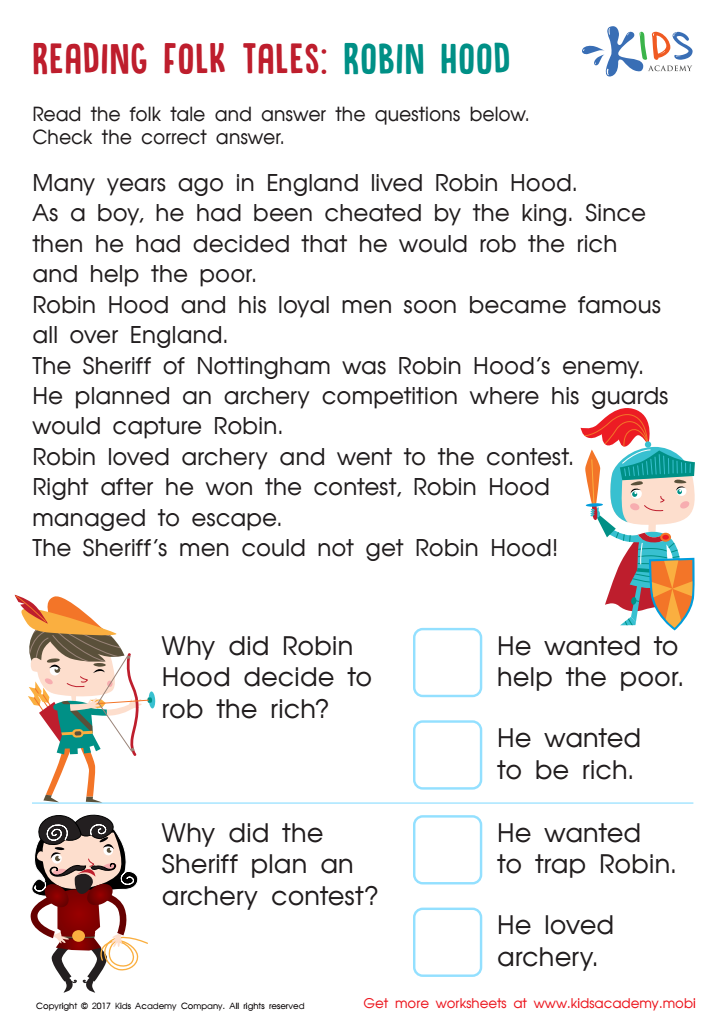
Robin Hood Folktale Worksheet
 Assign to My Students
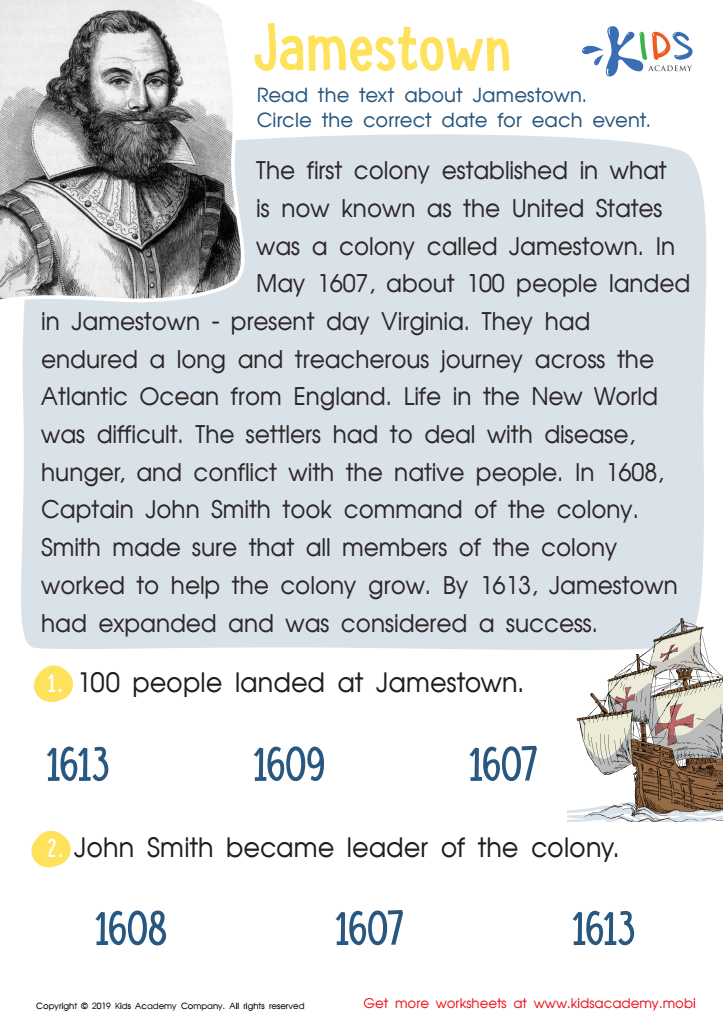
Jamestown Worksheet
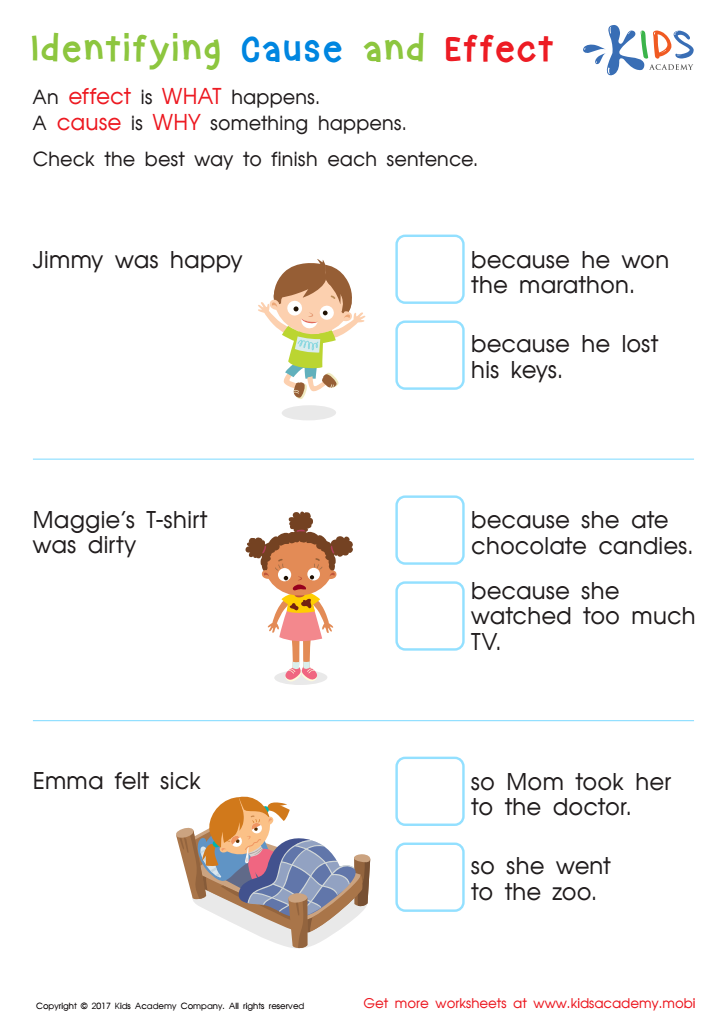
Indentifying Cause and Effect Worksheet
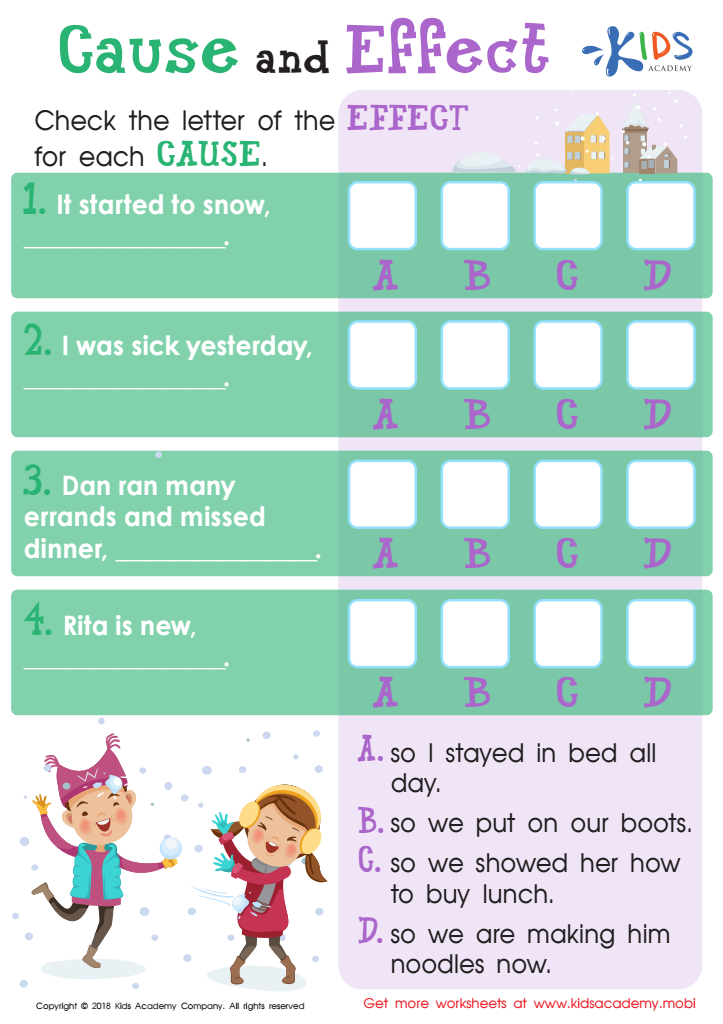
Cause and Effect Worksheet
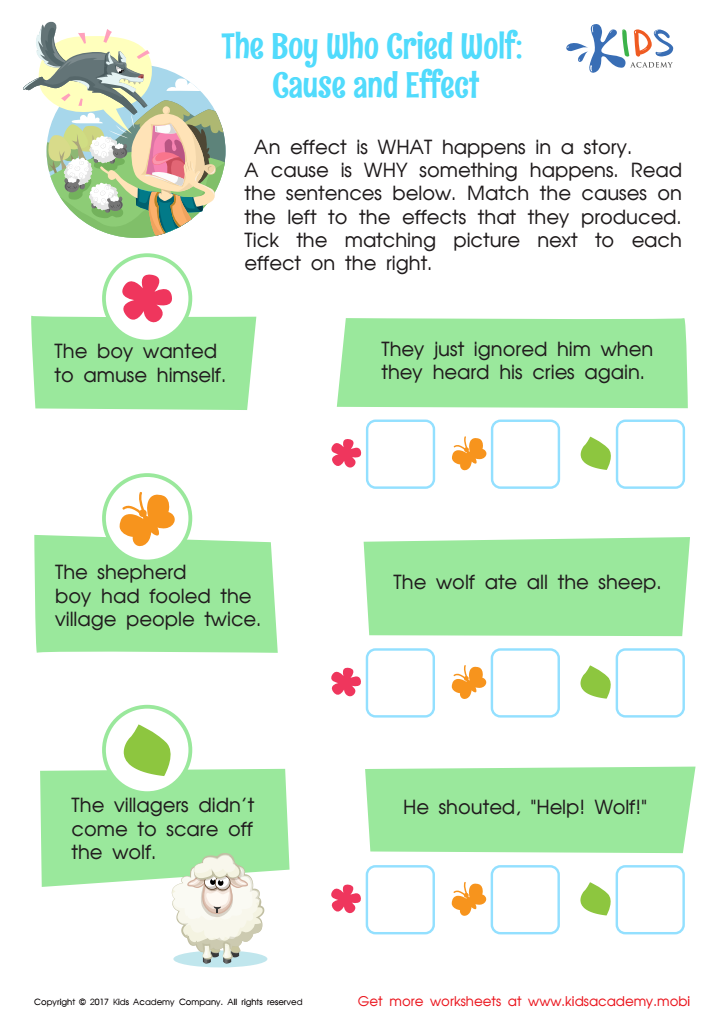
The Boy Who Cried Wolf: Cause and Effect Worksheet
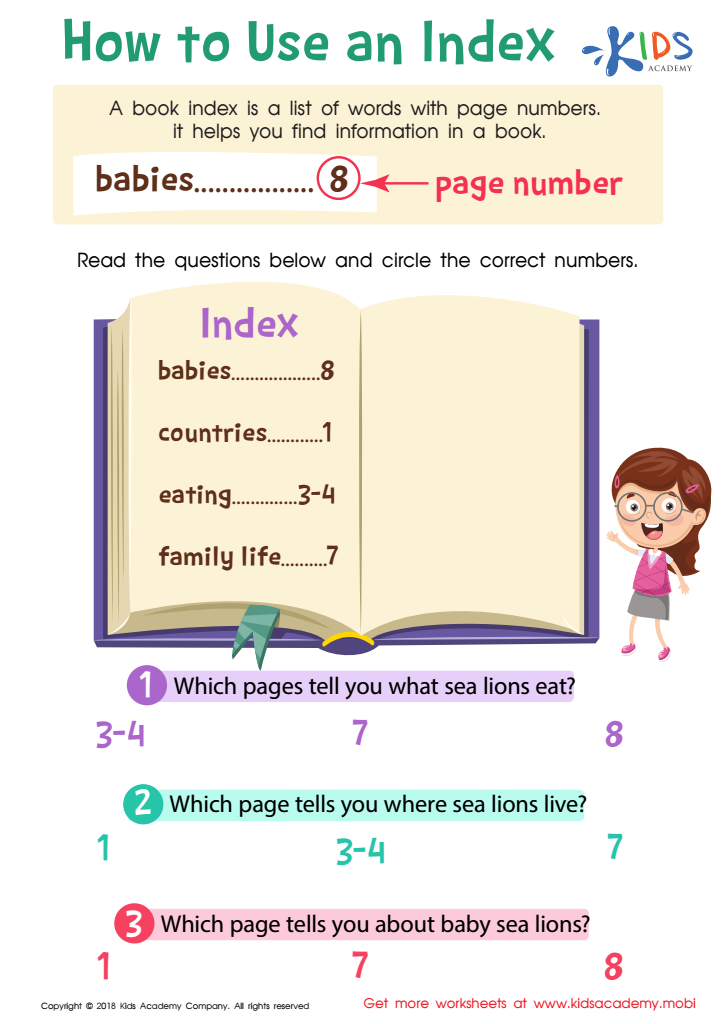
How Use Index Worksheet








Parents and teachers should prioritize analytical thinking and reading comprehension for children aged 3-8 because these skills lay the groundwork for lifelong learning and critical thinking. At this early stage, children are naturally curious and eager to explore new concepts. Fostering analytical thinking encourages them to question, evaluate, and make connections between ideas. This cognitive skill helps children to develop problem-solving abilities that will serve them in all areas of life, from academics to social interactions.
Reading comprehension, on the other hand, is essential for literacy development and overall academic success. Understanding the text not only improves vocabulary but also enhances the child's ability to convey ideas, form arguments, and engage in discussions. These competencies allow children to express themselves clearly and understand different perspectives.
Moreover, engaging children in activities that support both analytical skills and reading comprehension promotes a love of learning. This love leads to increased confidence and independence, fostering a positive attitude towards education. By nurturing these abilities early on, parents and teachers empower children to become thoughtful, informed, and capable individuals, ready to navigate the complexities of an ever-changing world. Investing in these skills now will pay off greatly in the future.








