Filters

10 filtered results

Clear all filters
Favorites
With answer key
Interactive

10 filtered results

Difficulty Level

Grade


Welcome to our collection of Problem-Solving Skills Normal Reading Comprehension Worksheets for children ages 3-8! These engaging, age-appropriate worksheets are designed to enhance critical thinking and reading skills through fun, interactive activities. Each worksheet thoughtfully integrates reading comprehension with problem-solving tasks, encouraging young learners to think creatively and analytically. Perfect for home or classroom use, our resources help kids develop essential skills while fostering a love for reading. Discover exciting scenarios and vibrant illustrations that captivate young minds, making learning enjoyable. Empower children with the confidence to tackle challenges and improve their comprehension abilities today!

Check out this FREE Trial Lesson on Reading Comprehension for age 3-8!

Describe Connection Between Two Events/ Pieces of Information in a Text

Favorites
With answer key
Interactive
  • 3-8
  • Problem-Solving Skills
  • Reading Comprehension
  • Normal
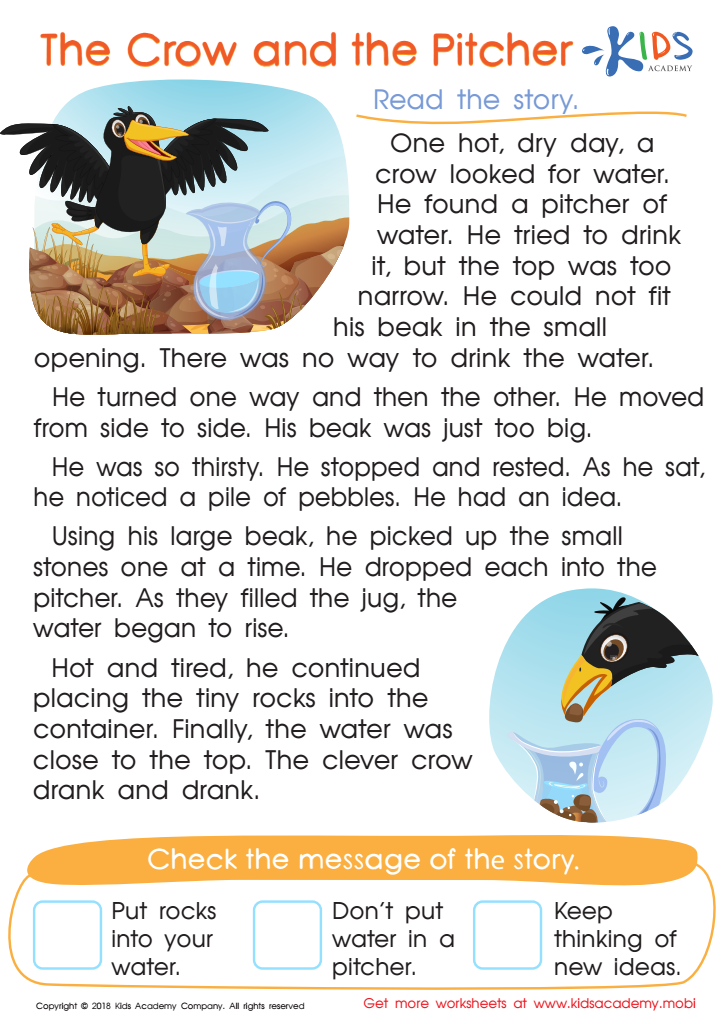
The Crow and the Pitcher Worksheet

The Crow and the Pitcher Worksheet

Introduce your child to reading comprehension with this fascinating worksheet from Kids Academy! Featuring Aesop's fable of a thirsty crow, your child will enjoy reading and determining the central theme of the passage. This worksheet is a great way to give your child a purpose for reading while helping to build their comprehension skills.
The Crow and the Pitcher Worksheet
Worksheet
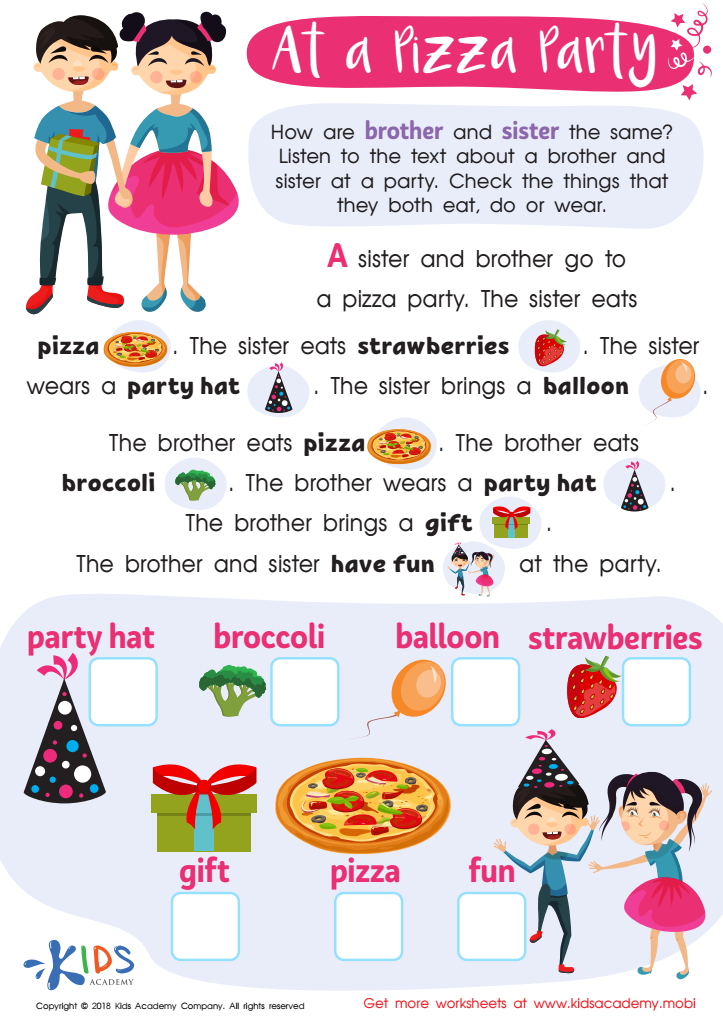
At a Pizza Party Worksheet

At a Pizza Party Worksheet

Parties are the best! Eating, playing, singing, dancing and gift-exchange - what's your child's fave part? In this worksheet, a brother and sister are eager to enjoy their party. Read the text to them and help them check what they do, eat, and wear. 80 words.
At a Pizza Party Worksheet
Worksheet
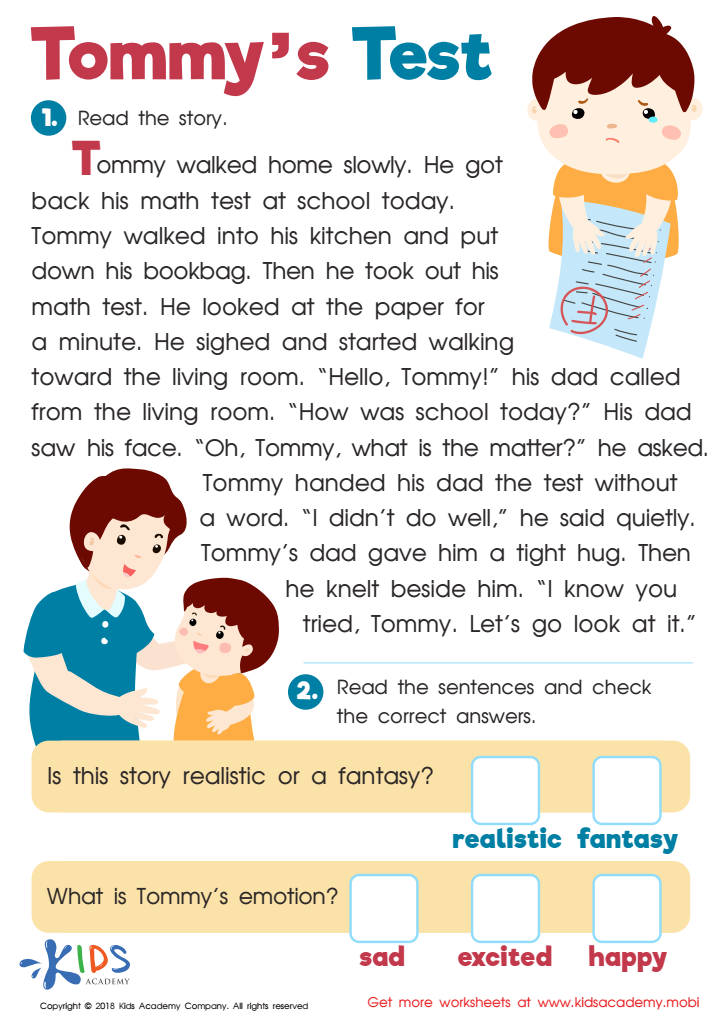
Tommys Test Worksheet

Tommys Test Worksheet

Reading short stories to your students builds a bond, teaches new words and lessons. Read the story aloud and then have them listen for details. Ask them the questions at the bottom and help them check the answers.
Tommys Test Worksheet
Worksheet
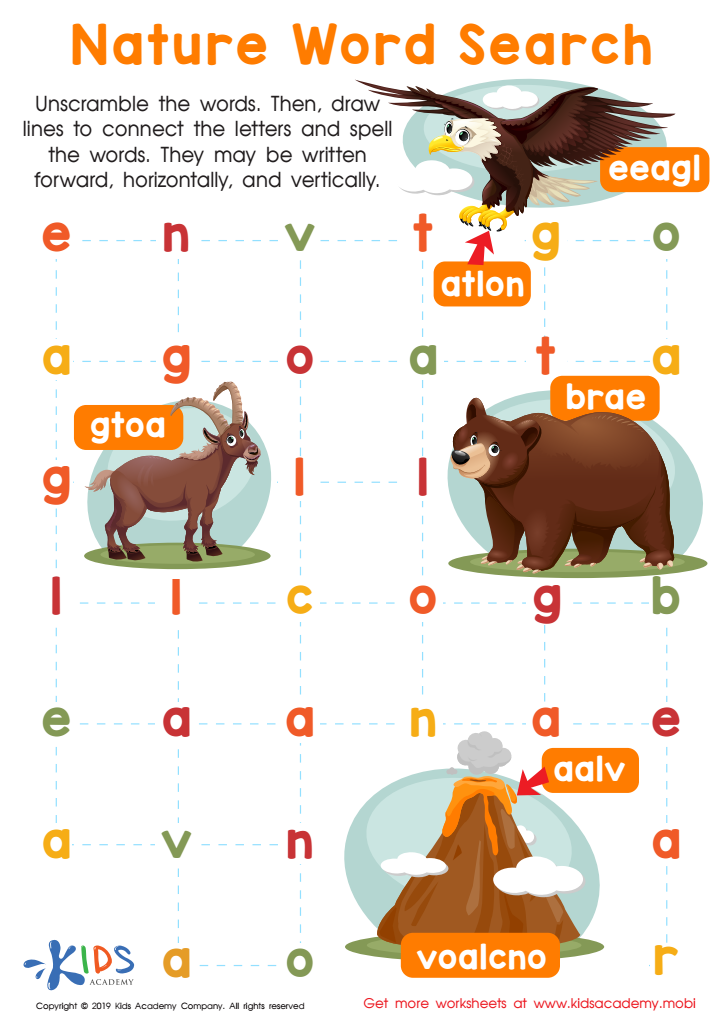
Nature Word Search Worksheet

Nature Word Search Worksheet

Unscramble science vocabulary words and find them in this fun worksheet! Use the pictures as clues if you get stumped; you can also write down the words for reference. Solve the puzzle when you're done to finish!
Nature Word Search Worksheet
Worksheet
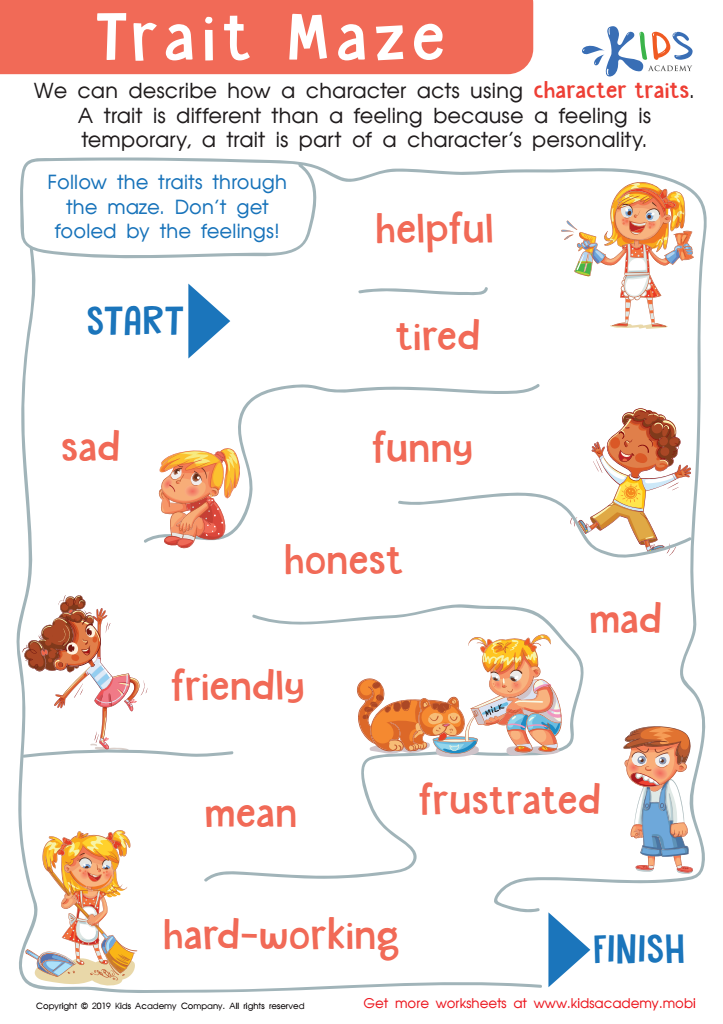
Trait Maze Worksheet

Trait Maze Worksheet

A trait is a character's personality and should not be confused with a feeling, which is temporary. In this worksheet, kids learn about traits by following them through a maze and ignoring the feelings on the path.
Trait Maze Worksheet
Worksheet
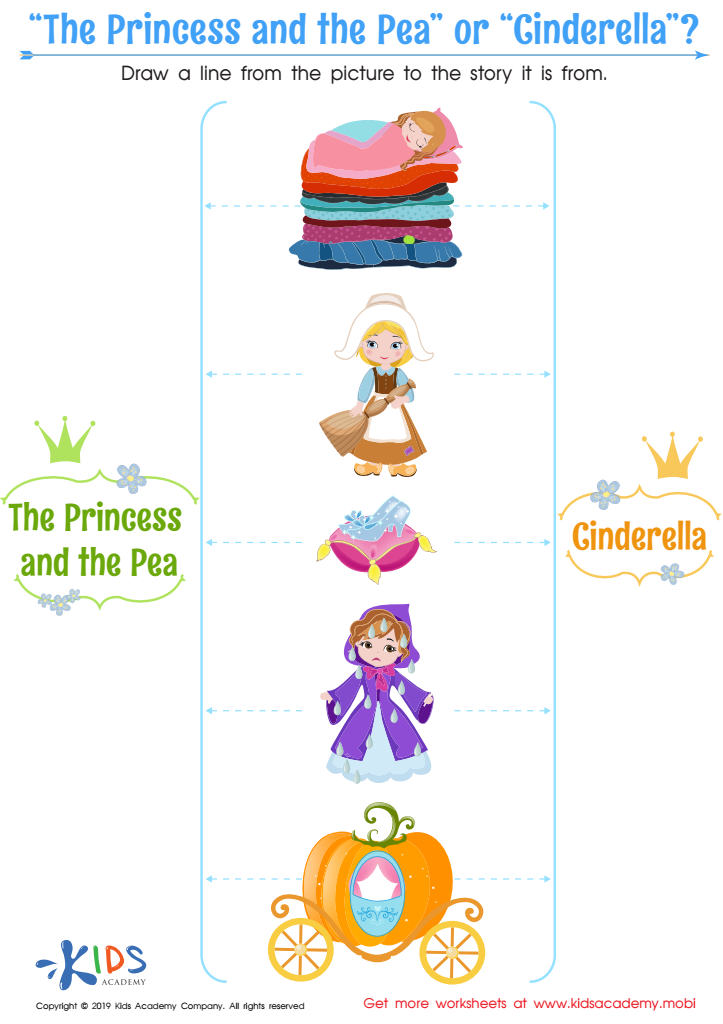
“The Princess and the Pea” or “Cinderella” Worksheet

“The Princess and the Pea” or “Cinderella” Worksheet

Help your child identify the characters and objects from both the Princess and the Pea and Cinderella. Ask them to draw a line from the pictures to the story it's from on the tracing sheet. Encourage them to tell you the similarities between the two stories. Enjoy the tale with your daughter and watch her be fascinated by these two classic children's stories.
“The Princess and the Pea” or “Cinderella” Worksheet
Worksheet
Towns Worksheet
Towns Worksheet

Towns Worksheet

Towns are generally quiet and safe, making them attractive for young families. Cities have more people, businesses and tall buildings. Roads are busy, and there is often plenty to do and see. Help your kids check which pictures in this worksheet show towns.
Towns Worksheet
Worksheet
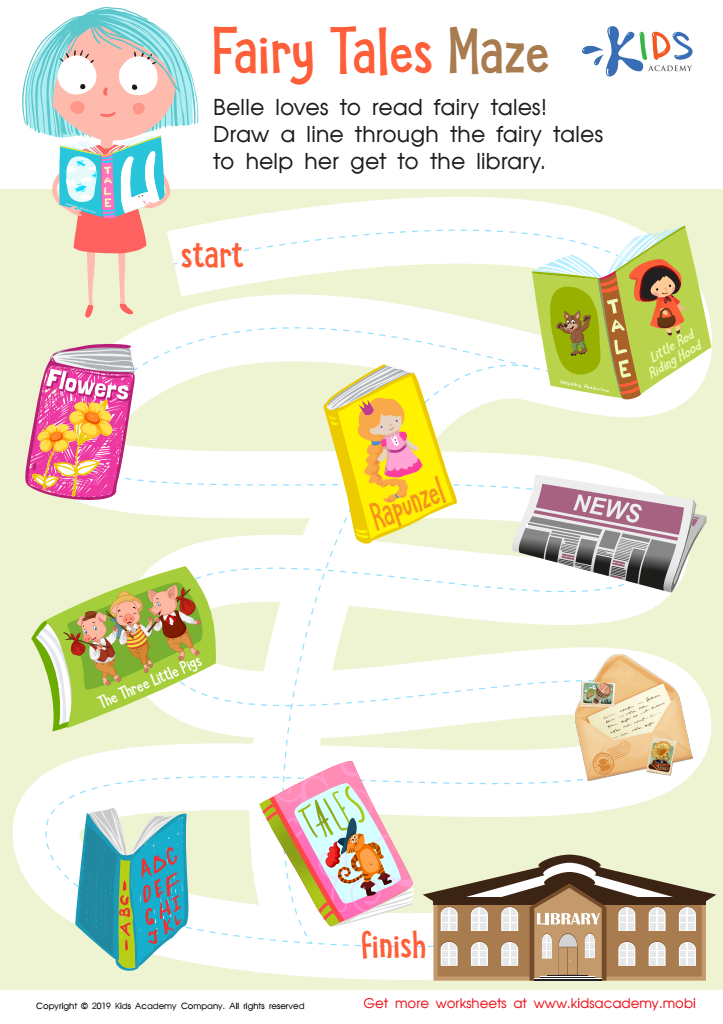
Fairy Tales Maze Worksheet

Fairy Tales Maze Worksheet

Kids love mazes and fairy tales, so this free worksheet is a great way to help teach young readers about familiar topics. They'll join Bella and use the traceable lines to travel through different reading genres, and find their way to the library for a nice reward!
Fairy Tales Maze Worksheet
Worksheet
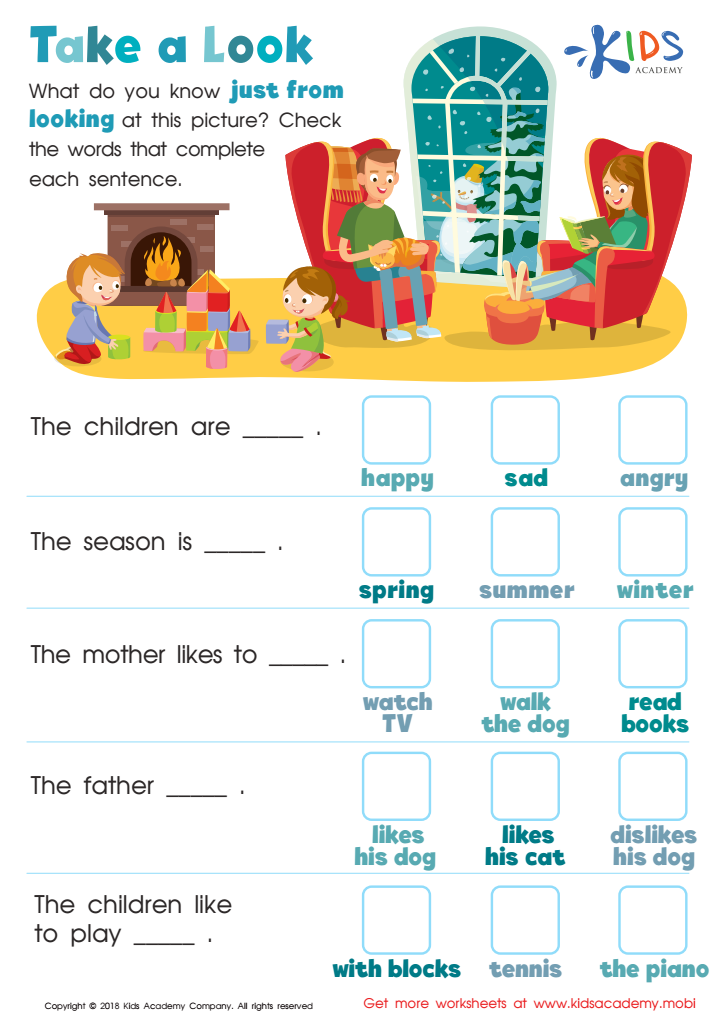
Take a Look - Part 1 Worksheet

Take a Look - Part 1 Worksheet

Young learners gain understanding when using picture clues when reading. Looking at illustrations can help students learn the meaning of key vocabulary when reading fiction or informational text. Ask your students to look at the worksheet and observe what they can learn from the picture. It's a great comprehension strategy for early readers.
Take a Look - Part 1 Worksheet
Worksheet
Think About It: Assessment Worksheet


Think About It: Assessment Worksheet

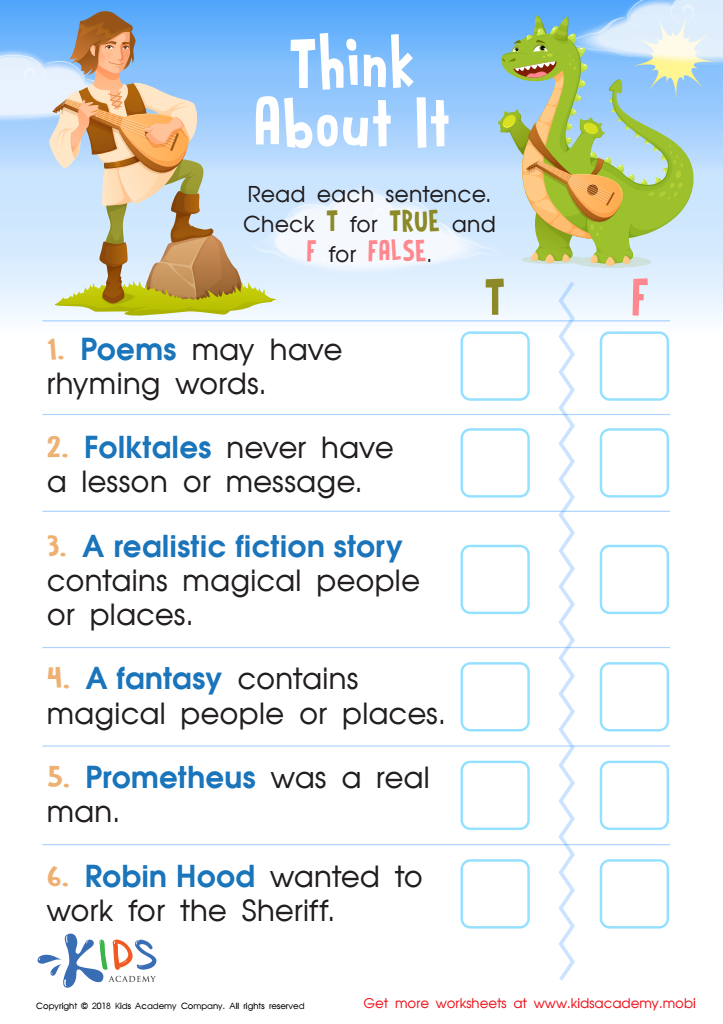
Reading is a fun and important way to learn. Help your students become better readers with this simple yet colorful worksheet. Read each sentence aloud, then have them read it by themselves. Ask them to check T for True and F for False. It's a great way to practice their reading skills!
Think About It: Assessment Worksheet

Worksheet


Parents and teachers should prioritize developing problem-solving skills alongside normal reading comprehension for children aged 3-8, as these competencies are foundational for lifelong learning and success. Early childhood is a critical period for cognitive development, where young learners are naturally curious and eager to explore their environment. Problem-solving skills encourage children to think critically, helping them understand and navigate challenges they encounter in texts and real life.

Enhancing problem-solving skills while reading fosters deeper comprehension. Children learn to make predictions, visualize scenarios, and draw inferences, which transforms them from passive listeners to active thinkers. Such engagement with texts not only improves literacy but also nurtures resilience and adaptability, essential qualities in an increasingly complex world.

Moreover, these skills lay the groundwork for academic achievement. When children learn to approach problems systematically and to apply reasoning, they are better equipped to tackle mathematical concepts and scientific inquiry in later years. By investing time and resources into this dual focus, parents and teachers prepare children not just to read—but to understand, interpret, and interact meaningfully with the world around them, paving the way for their overall development and future success.