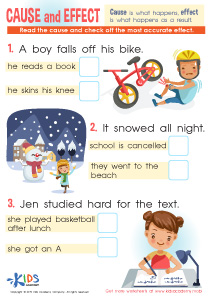
Historical Knowledge Normal Reading Non-Fiction Worksheets for Ages 3-8
5 filtered results
-
From - To
Title: Historical Knowledge Reading Non-Fiction Worksheets for Ages 3-8
Unlock young minds’ curiosity with our Historical Knowledge Normal Reading Non-Fiction Worksheets for ages 3-8! These engaging worksheets take budding historians on a journey through time, making complex historical events and figures accessible and fun. Designed to develop reading, comprehension, and critical thinking skills, each worksheet provides age-appropriate content that fosters a lifelong love of history. Perfect for classroom or at-home learning, these resources help children connect with the past in an interactive way. Explore, question, and discover history like never before with our thoughtfully crafted educational materials.
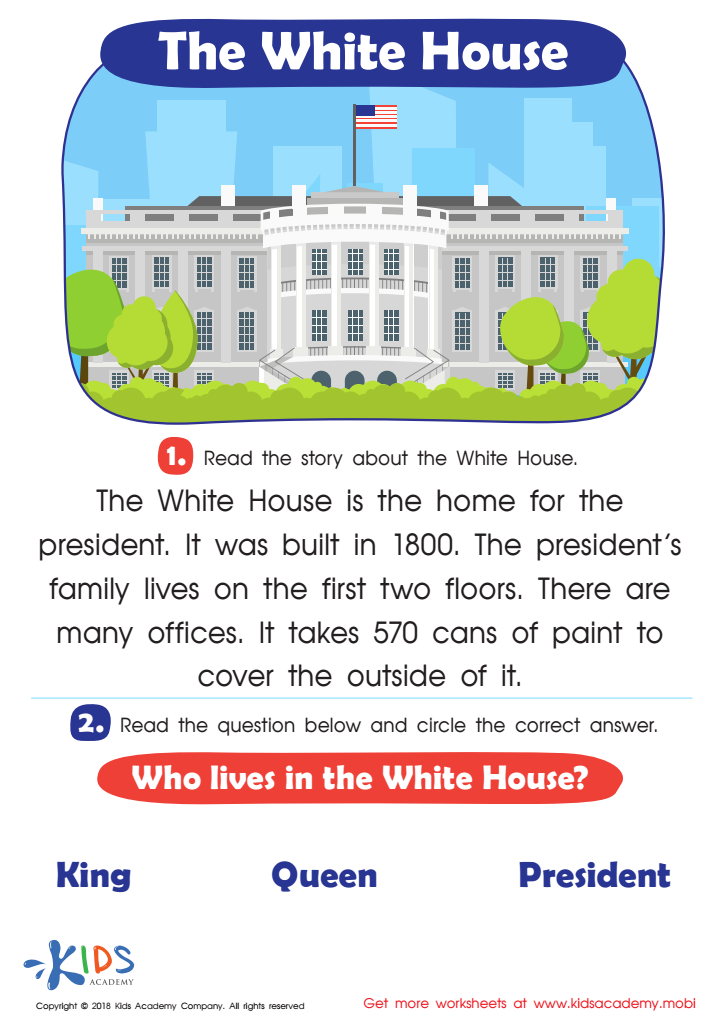
White House Worksheet
 Assign to My Students
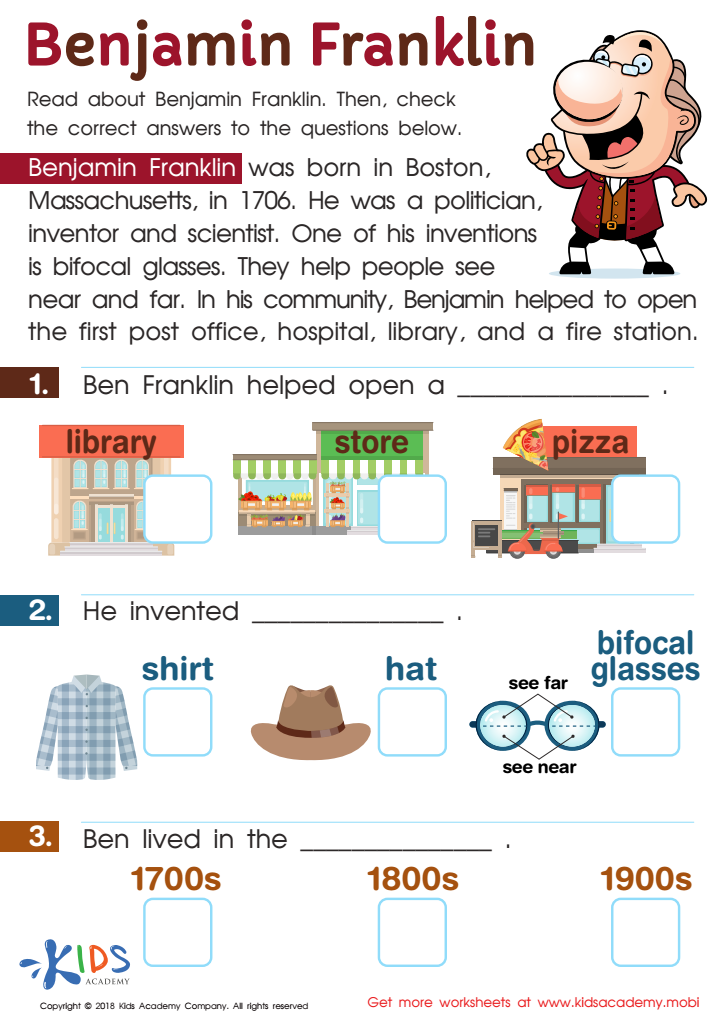
Benjamin Franklin Worksheet
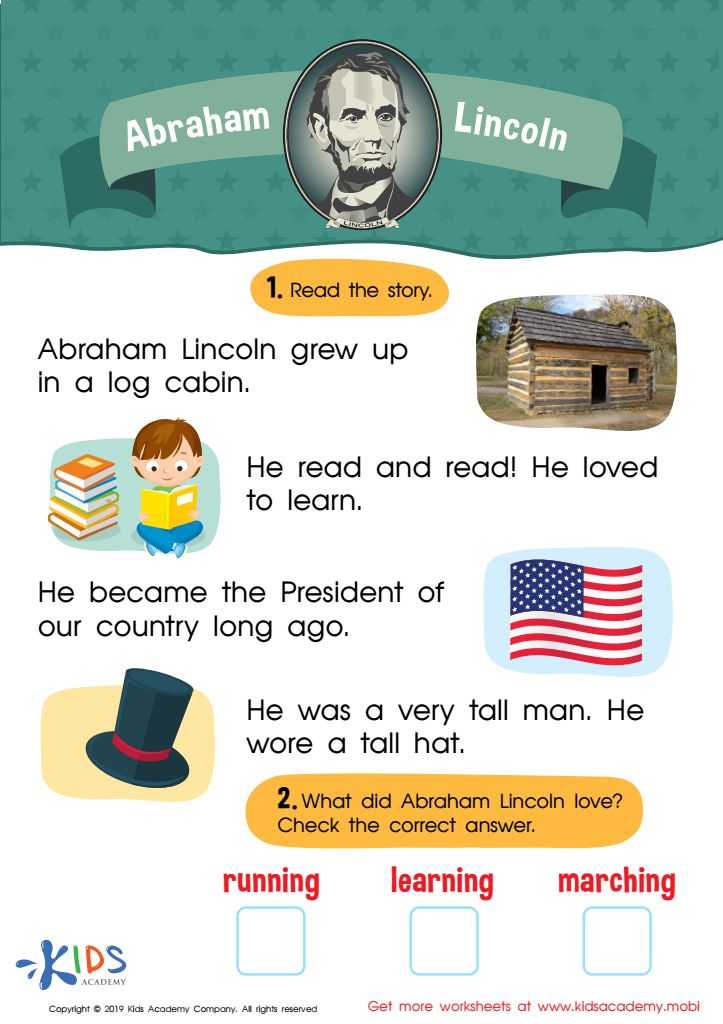
Abraham Lincoln Worksheet
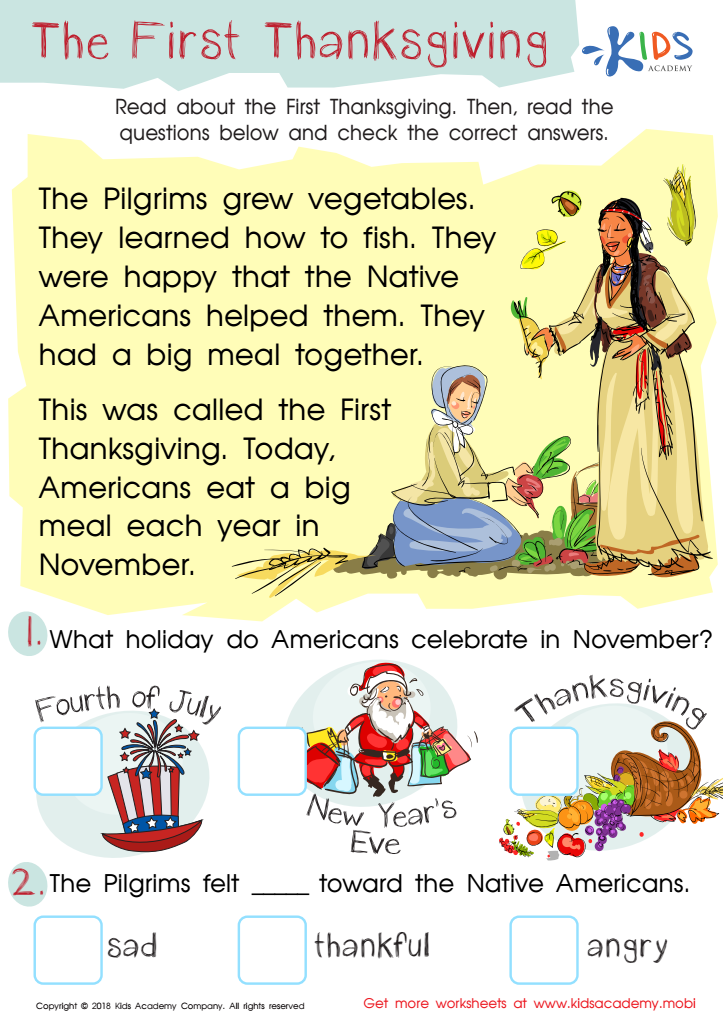
Assessment: First Thanksgiving Worksheet
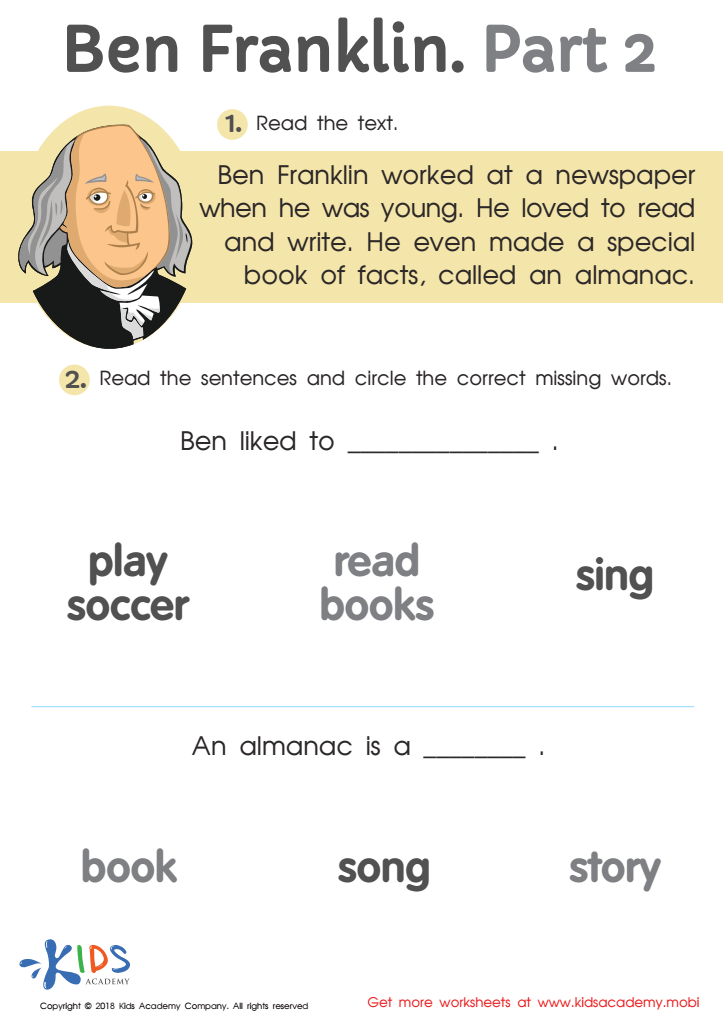
Ben Franklin Part 2 Worksheet








Historical knowledge and exposure to non-fiction reading are crucial for young children, typically in the ages of 3 to 8, for several reasons. First and foremost, learning about history helps children understand their place in the world. By hearing stories of the past, kids develop a sense of identity and a connection to larger community and cultural traditions.
Introducing non-fiction texts at an early age enhances a child's general knowledge and vocabulary. When children read about real-world events, places, and people, they learn language that is different from what they encounter in everyday conversation and fiction stories. This diversifies their lexicon and improves comprehension skills, establishing a strong foundation for future learning.
Moreover, non-fiction reading fosters critical thinking and curiosity. Instead of simply absorbing information, children learn to ask questions, analyze cause and effect, and discern between important details and interesting extras. This process is fundamental in developing problem-solving skills and logical thinking.
Lastly, the early introduction to historical content can spark a lifelong interest in learning and foster a global perspective. As children discover the rich tapestry of human experience, they develop empathy and the ability to see beyond their immediate surroundings, preparing them to become well-rounded, informed, and empathetic individuals. Parents and teachers play…