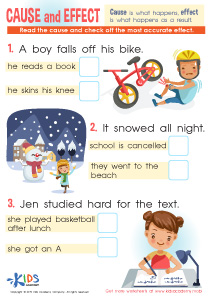
Improve reading comprehension Normal Reading Non-Fiction Worksheets for Ages 3-8
6 filtered results
-
From - To
Unlock your child's potential with our engaging "Improve Reading Comprehension Normal Reading Non-Fiction Worksheets" designed for ages 3-8. These worksheets foster essential reading skills through interactive, age-appropriate content, providing young learners with a solid foundation for understanding non-fiction texts. Featuring fun exercises and thought-provoking questions, children will boost their comprehension, critical thinking, and vocabulary while exploring fascinating topics. Our customizable resources empower parents and educators to support each child's unique learning journey. Ideal for classroom use or at-home practice, these worksheets shape confident, independent readers ready to discover the world through non-fiction literature. Start enhancing their reading skills today!
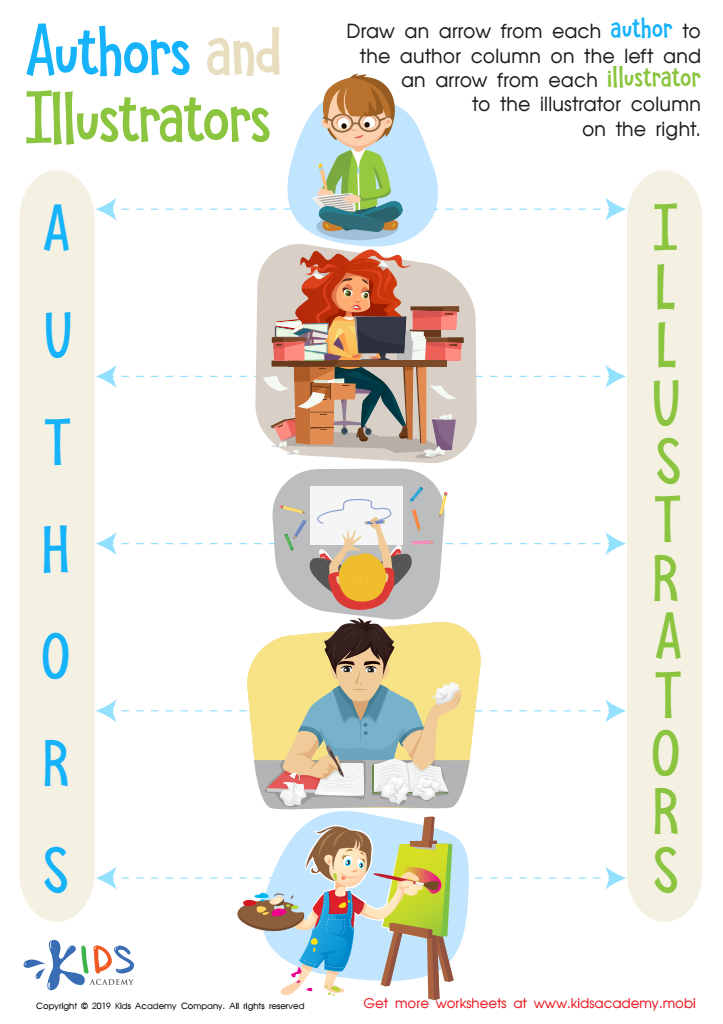
Authors and Illustrators Worksheet
 Assign to My Students
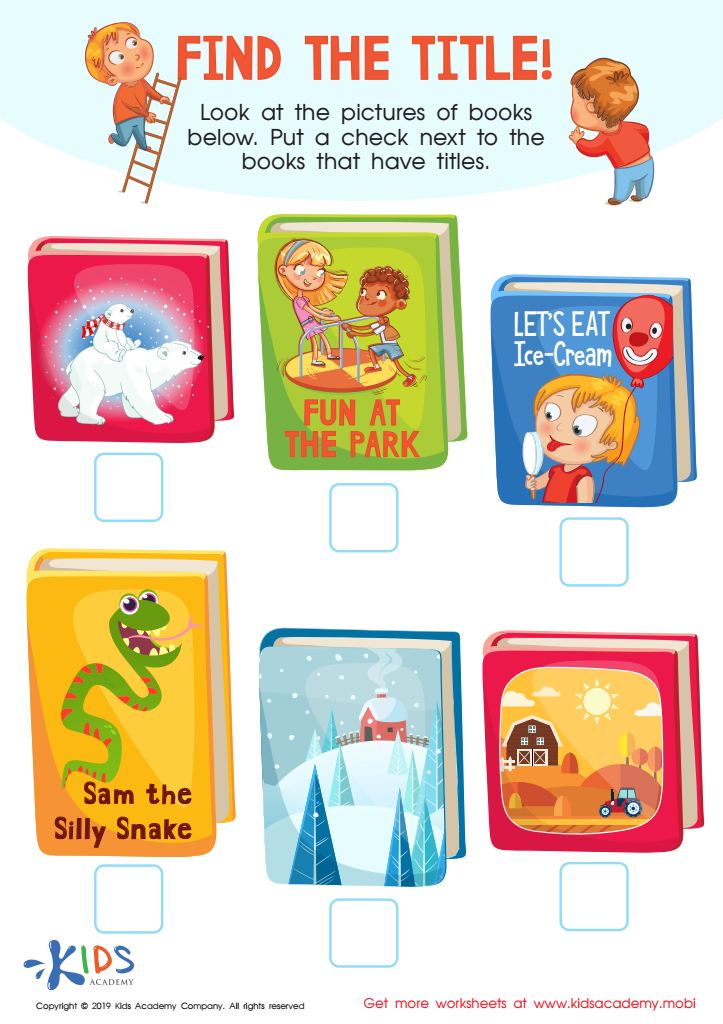
Find the Title Worksheet
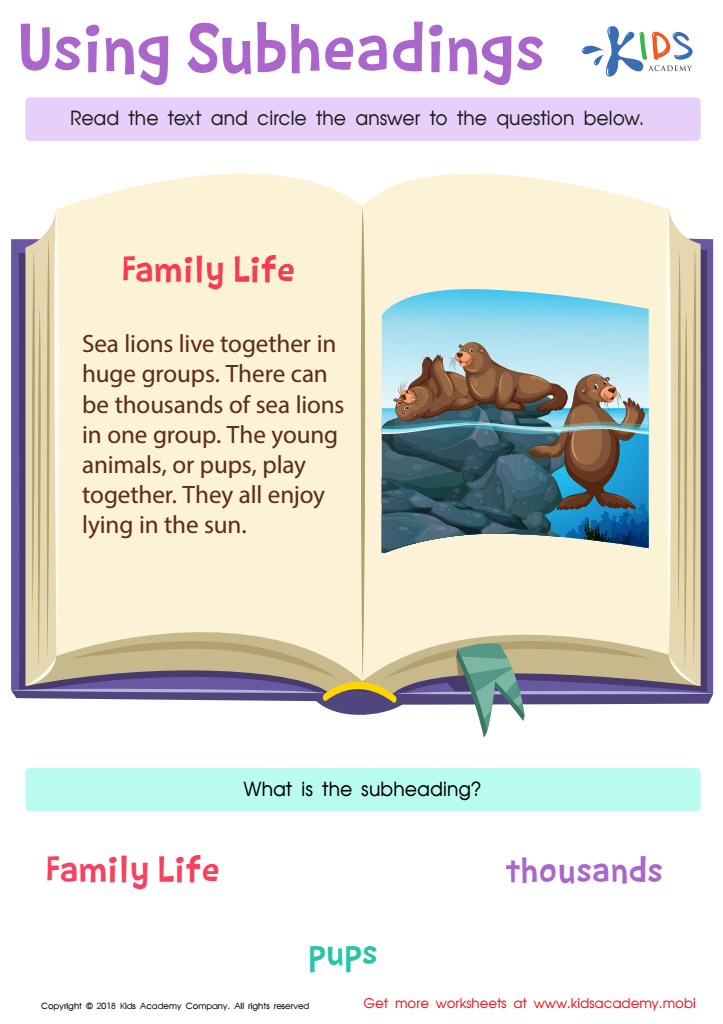
Using Subheadings Worksheet
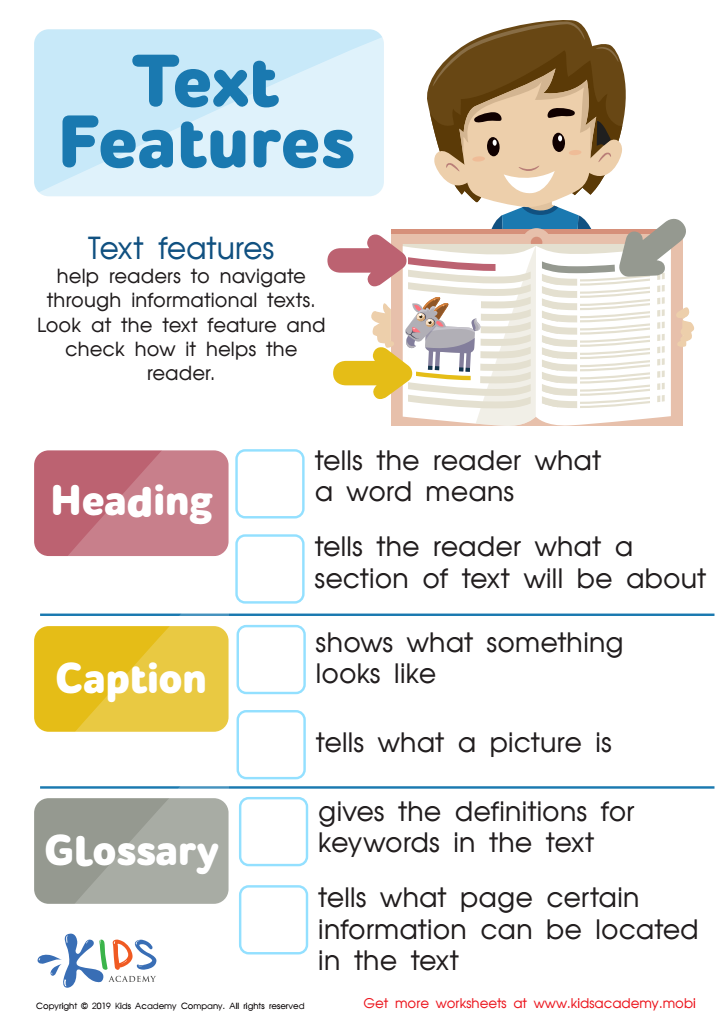
Text Features Worksheet
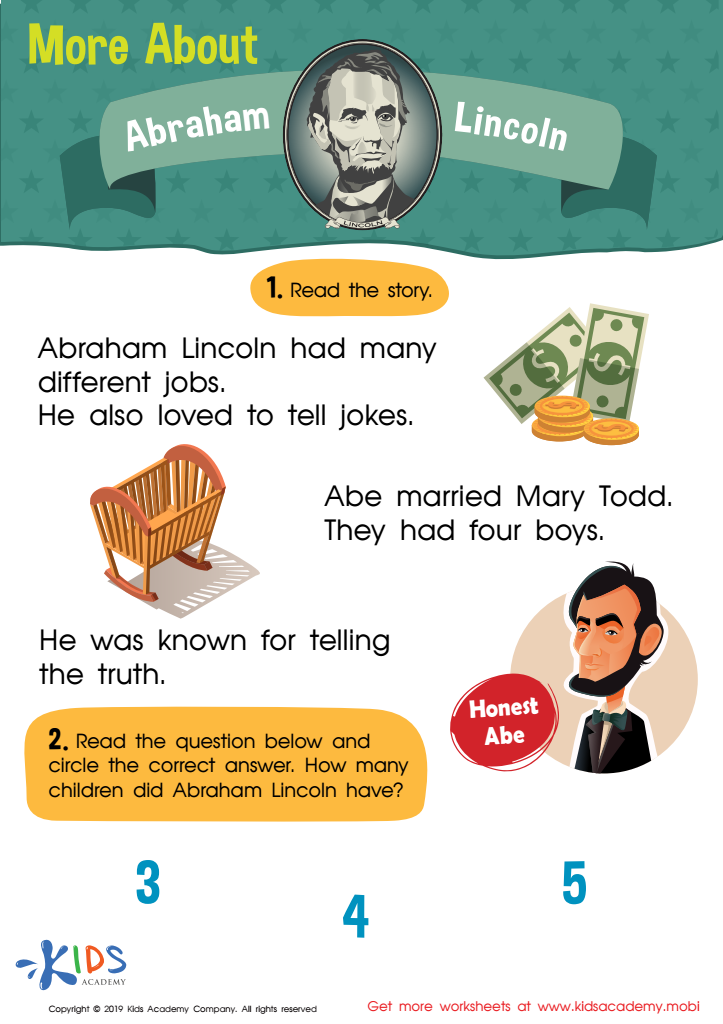
More About Abraham Lincoln Worksheet
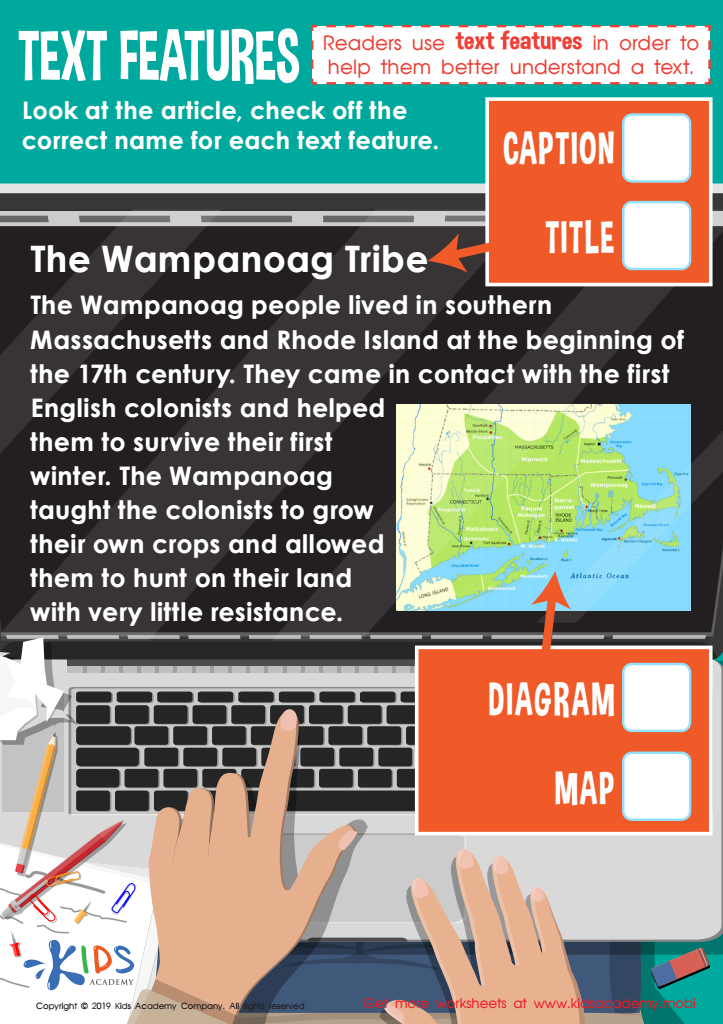
Text Features Worksheet








Improving reading comprehension in non-fiction for ages 3-8 is crucial for several reasons. At this stage, children are laying the foundation for their literacy skills, and understanding non-fiction texts helps them make sense of the world around them. Non-fiction literature introduces them to facts, concepts, and vocabulary that enrich their knowledge and critical thinking. When parents and teachers emphasize comprehension, they encourage curiosity and a love for learning—qualities that become essential throughout a child's academic journey.
Furthermore, non-fiction texts promote literacy skills like identifying main ideas, recognizing details, and making connections. By mastering these skills early on, children are better equipped to handle more complex texts in the future. It also supports various subjects, including science and social studies, fostering a well-rounded educational experience.
Additionally, parents and teachers play a vital role in modeling reading behaviors and guiding discussions about texts. Engaging children in conversations about non-fiction stories can deepen their understanding and stimulate eager inquiry. When children learn to navigate non-fiction confidently, they become informed and knowledgeable individuals—empowered to ask questions and seek answers, thus laying the groundwork for lifelong learning.