Enhancing research skills Normal Science Worksheets for Ages 3-8
3 filtered results
-
From - To
Enhancing Research Skills with Normal Science Worksheets for Ages 3-8 transforms young learners into budding scientists! Designed to cultivate curiosity and analytical thinking, these worksheets introduce kids to basic research concepts through fun, age-appropriate exercises. By engaging with hands-on activities, children develop essential skills such as observation, comparison, and data recording. The interactive worksheets encourage deep exploration of the world around them, laying a solid foundation for future scientific learning. Suitable for home or classroom use, our resources provide parents and educators with effective tools to support the early development of research skills in children. Dive into discovery today!
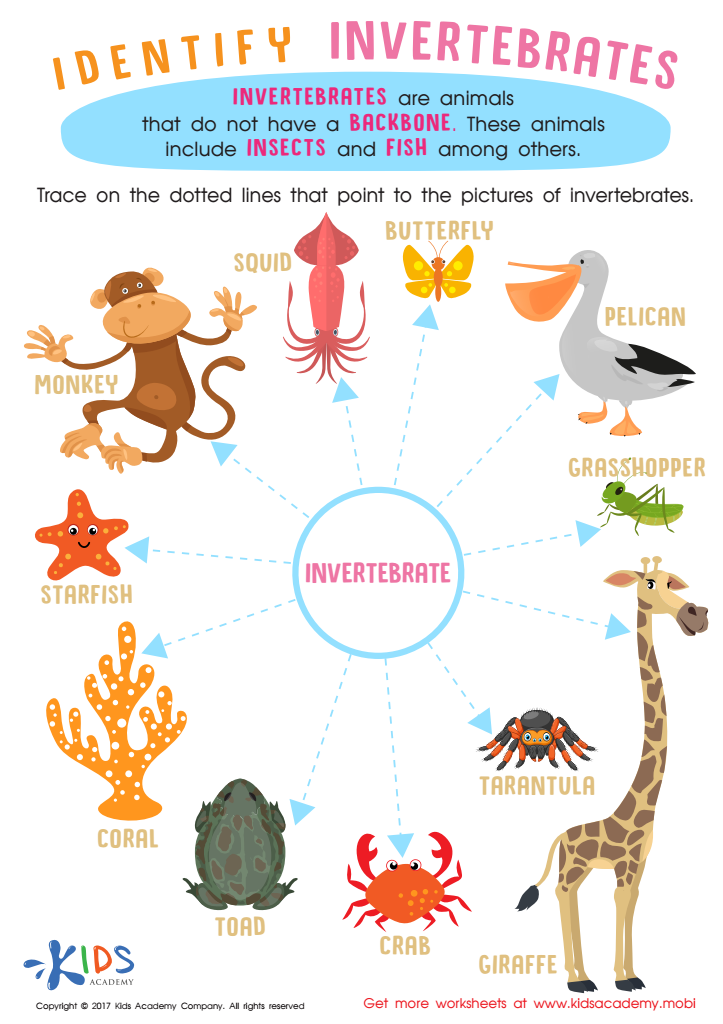
Invertebrates Worksheet for Grade 3
 Assign to My Students

Vitamin C Worksheet
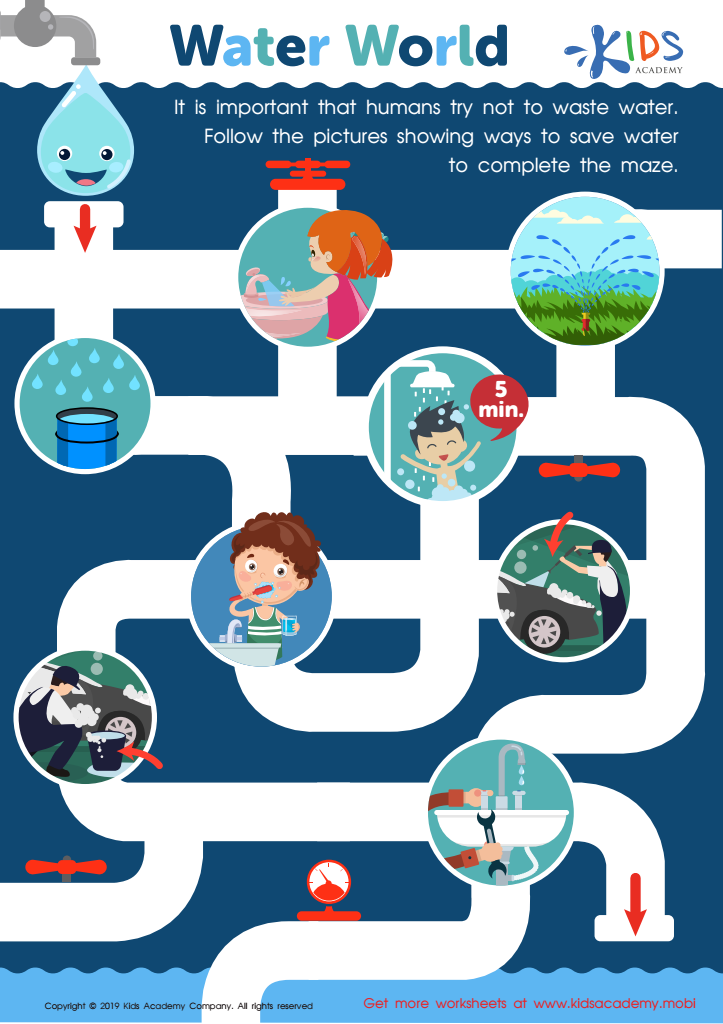
Water World Worksheet







Enhancing research skills in young children, ages 3-8, lays a fundamental groundwork for lifelong curiosity and critical thinking. At this early stage, children are naturally inquisitive, asking countless "why" and "how" questions. Encouraging these innate tendencies helps in developing their cognitive and problem-solving abilities. Research skills enable children to systematically explore their interests, fostering a love for learning and discovery from a young age.
For parents and teachers, focusing on these skills means nurturing an environment where guided exploration is a norm. This doesn't necessarily mean conducting formal research projects but can involve simple activities like observing nature, experimenting with basic science kits, or using age-appropriate books to answer their questions. Engaging young minds in this manner helps build foundational skills such as hypothesizing, gathering information, and drawing basic conclusions.
Furthermore, developing research skills at a young age promotes self-confidence. When children successfully find answers, they develop a sense of achievement and are more likely to see themselves as capable learners. Importantly, these experiences teach patience and perseverance as children learn that answers and solutions might not always come instantly.
In essence, parents and teachers should care about enhancing research skills in young children as it sets the stage for academic success and cultivates a proactive, inquisitive mindset essential for navigating future challenges.







