Identifying Animals Normal Science Worksheets for Ages 3-8
3 filtered results
-
From - To
Explore our "Identifying Animals Normal Science Worksheets" designed for kids aged 3-8. These enriching activities help young learners recognize various animals and understand their characteristics. Perfect for early elementary students, our worksheets blend fun and education with vibrant images and engaging tasks. By working on these exercises, your kids will improve their observation and thinking skills, laying a solid foundation for science learning. Ideal for both classroom and homeschool settings, these worksheets make learning about animals an exciting journey. Visit Kids Academy to download now and watch your child's curiosity and knowledge grow!
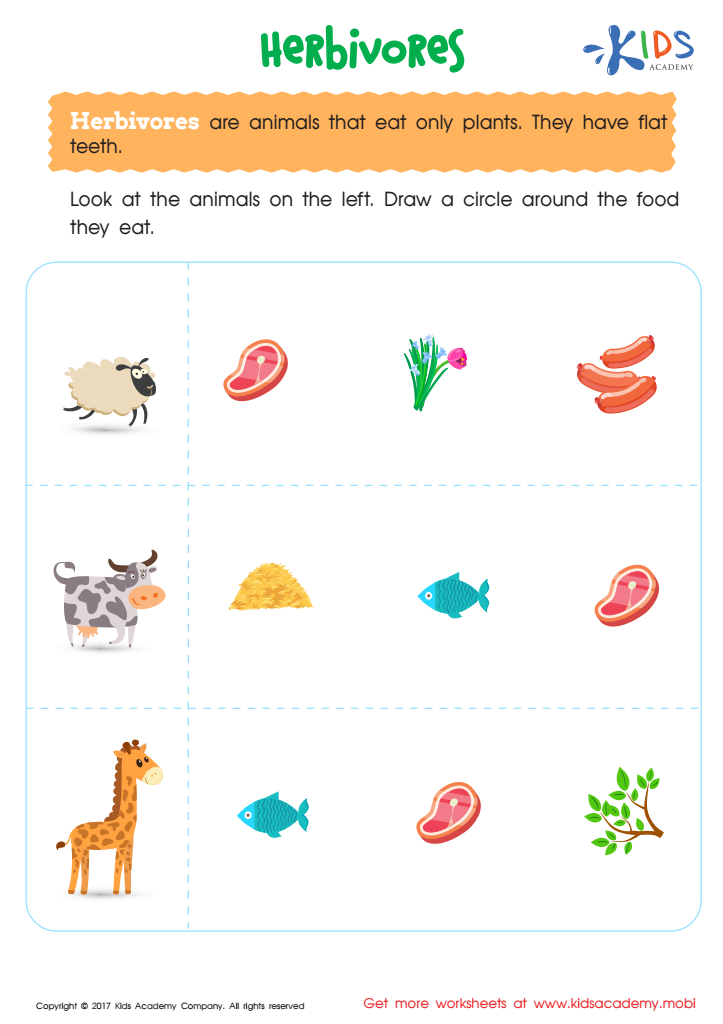
Herbivores Printable
 Assign to My Students
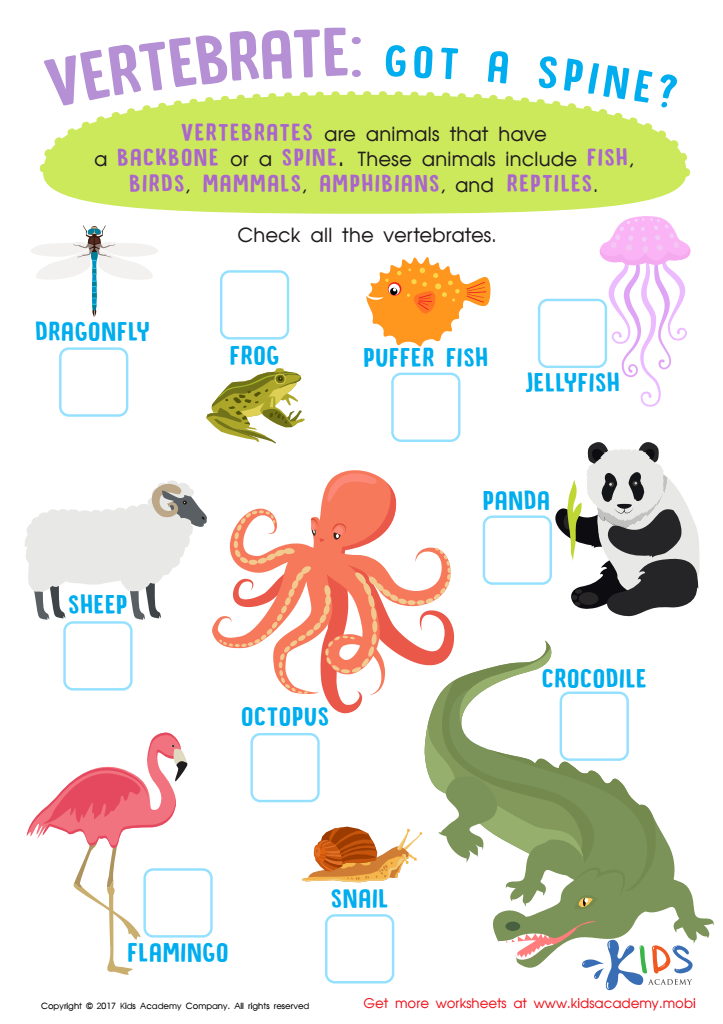
Vertebrates Animals Worksheet for 3rd Grade
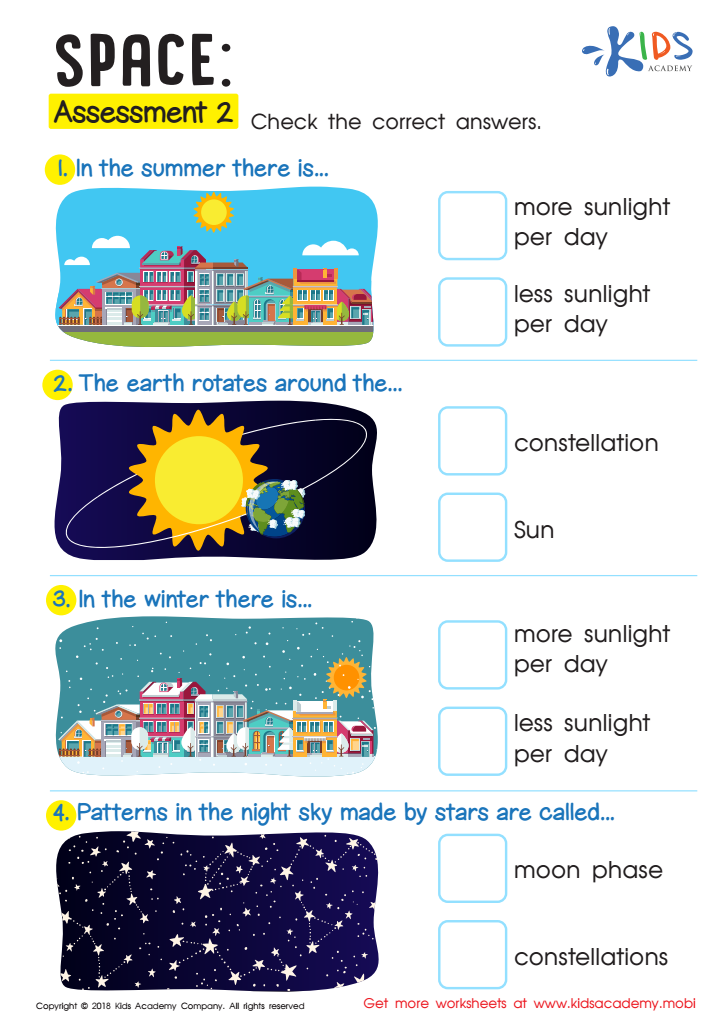
Space: Assessment 2 Worksheet






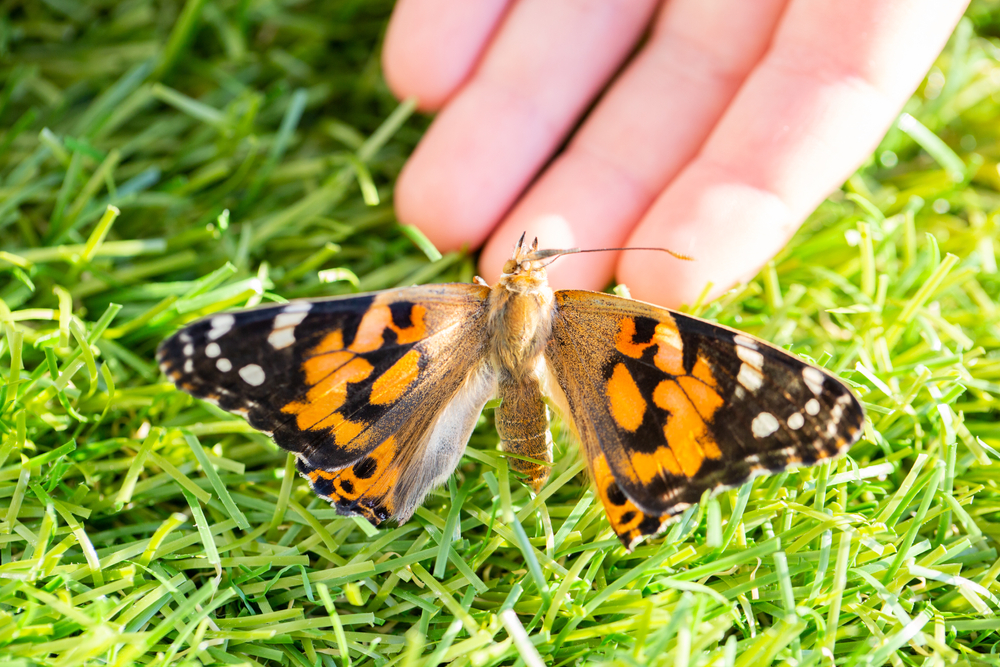

Identifying animals and understanding basic science concepts from an early age is crucial for children aged 3-8 as it fosters curiosity, promotes environmental awareness, and forms the foundation for scientific thinking. Parents and teachers play pivotal roles in this developmental stage by presenting engaging and educational activities related to nature and animals.
Firstly, early exposure to identifying animals helps nurture a child's natural curiosity about the world, fostering a lifelong love of learning. Recognizing different animals and their characteristics can spark questions and discussions that aid language development and cognitive skills.
Secondly, teaching children about animals can instill important values such as empathy and respect for living things. As children learn about diverse species, their habitats, and their roles in ecosystems, they can develop a deeper understanding of biodiversity and the importance of conservation.
Thirdly, these activities lay the groundwork for scientific literacy. By exploring concepts like animal classifications, habitats, and life cycles, children begin to grasp fundamental scientific principles. This early foundation prepares them for more complex scientific learning in later years and encourages critical thinking skills.
In summary, parents and teachers should prioritize animal identification activities because they enhance developmental skills, promote environmental stewardship, and build essential scientific knowledge that benefits children throughout their education.







