Matching skills Normal Science Worksheets for Ages 3-8
4 filtered results
-
From - To
Discover our engaging Matching Skills Normal Science Worksheets designed for children ages 3-8. These thoughtfully crafted worksheets enhance early learning by combining fun matching activities with foundational science concepts. Young learners can explore topics like animals, plants, weather, and more, fostering curiosity and critical thinking. Through playful interaction, children boost their observation and comparison skills, essential for cognitive development. Ideal for parents and educators seeking educational, age-appropriate resources, our worksheets provide a delightful blend of learning and play. Visit Kids Academy to nurture your child’s scientific understanding and cultivate a lifelong love of learning.
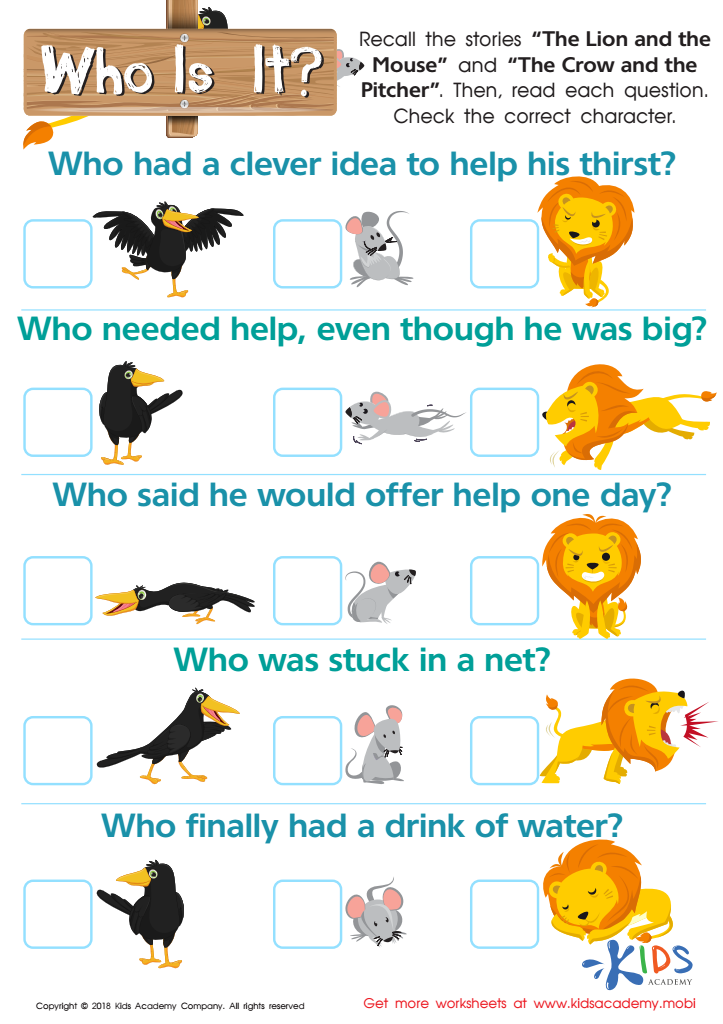
Who Is It? Worksheet
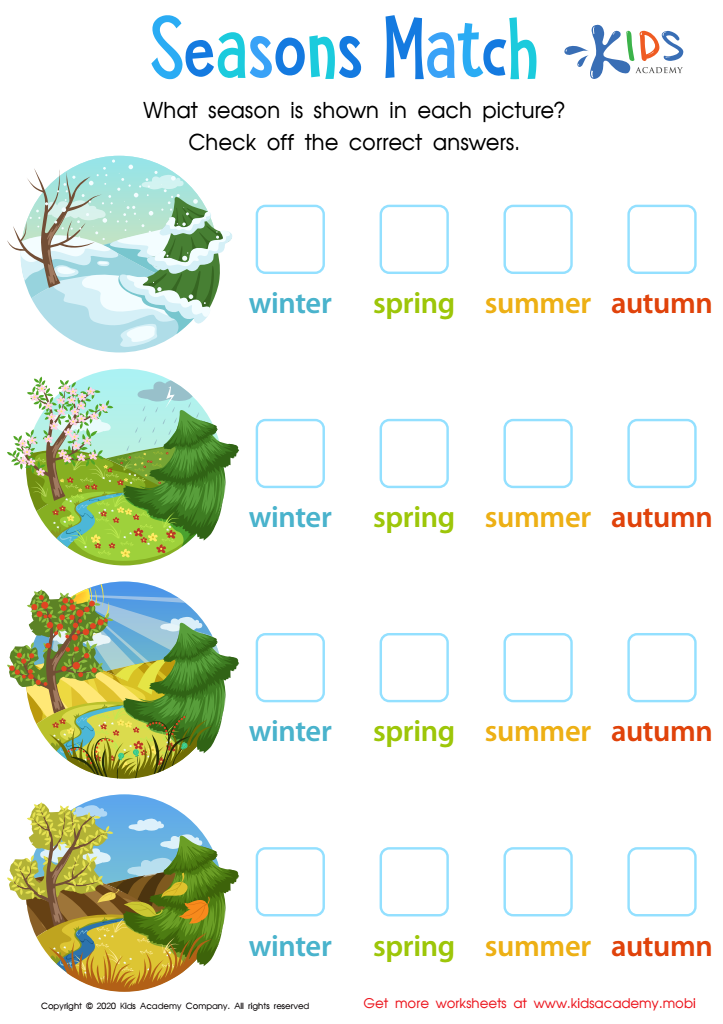
Seasons Match Worksheet
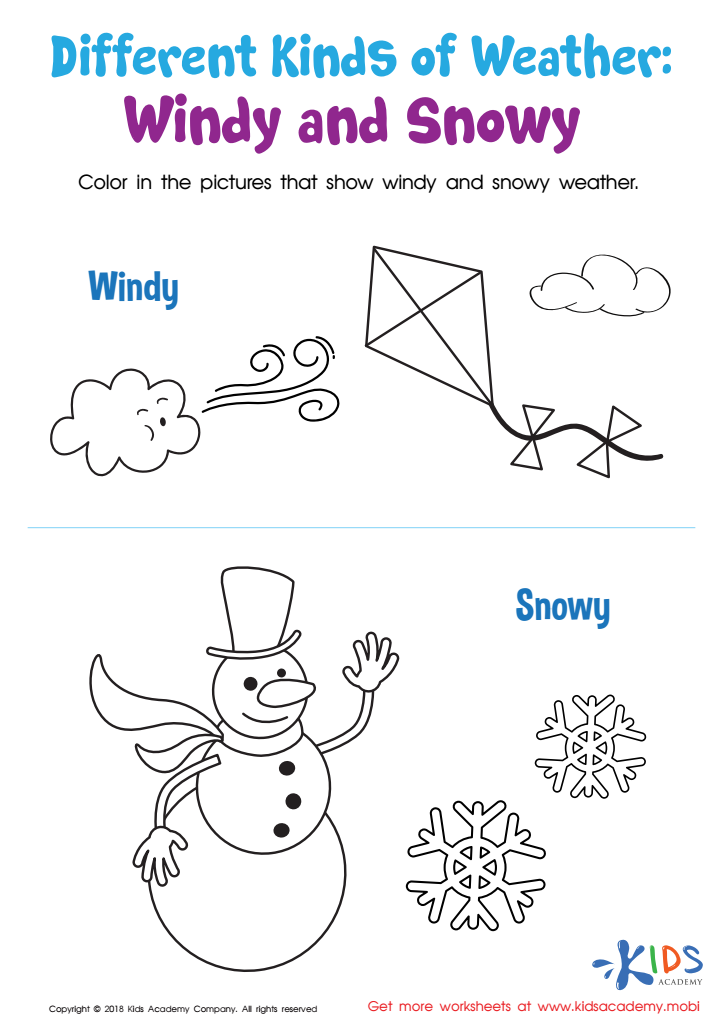
Different Kinds of Weather: Windy and Snowy Worksheet
 Assign to My Students
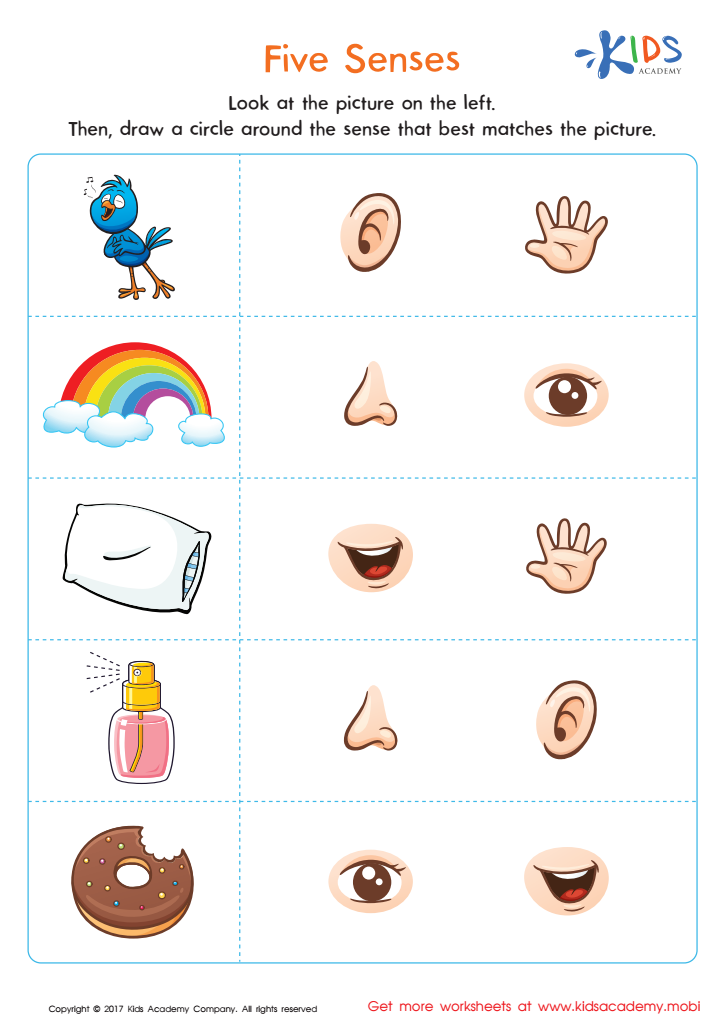
Five Senses Printable



.jpg)
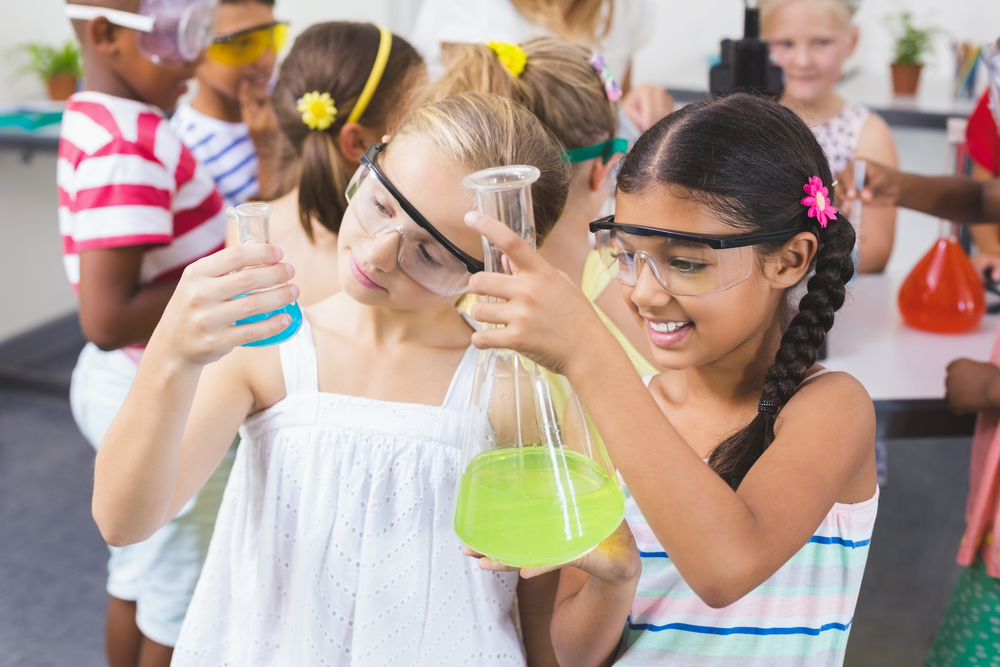



Parents and teachers should prioritize developing matching skills in children aged 3-8, as these foundational abilities are crucial for cognitive and perceptual development. Matching activities involve recognizing similarities and differences, aiding in the understanding of categories and classification, fundamental to scientific thinking. When children engage in matching, they enhance their observational skills, attention to detail, and problem-solving abilities, which are vital for future academic success.
Early exposure to matching concepts, such as pairing objects based on color, shape, or size, prepares young learners for more complex scientific concepts, like sorting minerals or identifying different species of plants. By fostering these skills, children develop critical thinking and analytical reasoning, which are the bedrock of scientific inquiry and other STEM-related disciplines.
Furthermore, matching exercises can significantly improve memory and concentration. Regular practice helps children learn to focus on specific tasks, which is crucial for longer-term academic endeavors. Matching activities are also inclusive and engaging, often involving hands-on games and puzzles that make learning enjoyable while promoting fine motor skills and hand-eye coordination.
Ultimately, prioritizing matching skills supports holistic brain development and creates a strong foundation for early scientific understanding, setting the stage for lifelong learning and curiosity in science and other fields.







