Analyzing data Normal Our Planet and Environment Worksheets for Ages 3-8
5 filtered results
-
From - To
Welcome to our "Analyzing Data: Our Planet and Environment Worksheets" page, designed for children ages 3-8. These engaging worksheets help young learners explore important concepts related to our planet and its environment through fun activities focused on data analysis. By introducing themes like recycling, weather patterns, and natural habitats, children develop critical thinking and observational skills while making sense of the world around them. Our carefully crafted worksheets not only promote scientific literacy but also foster a love for learning about the environment. Start your journey into data analysis today and empower the next generation of environmental stewards!
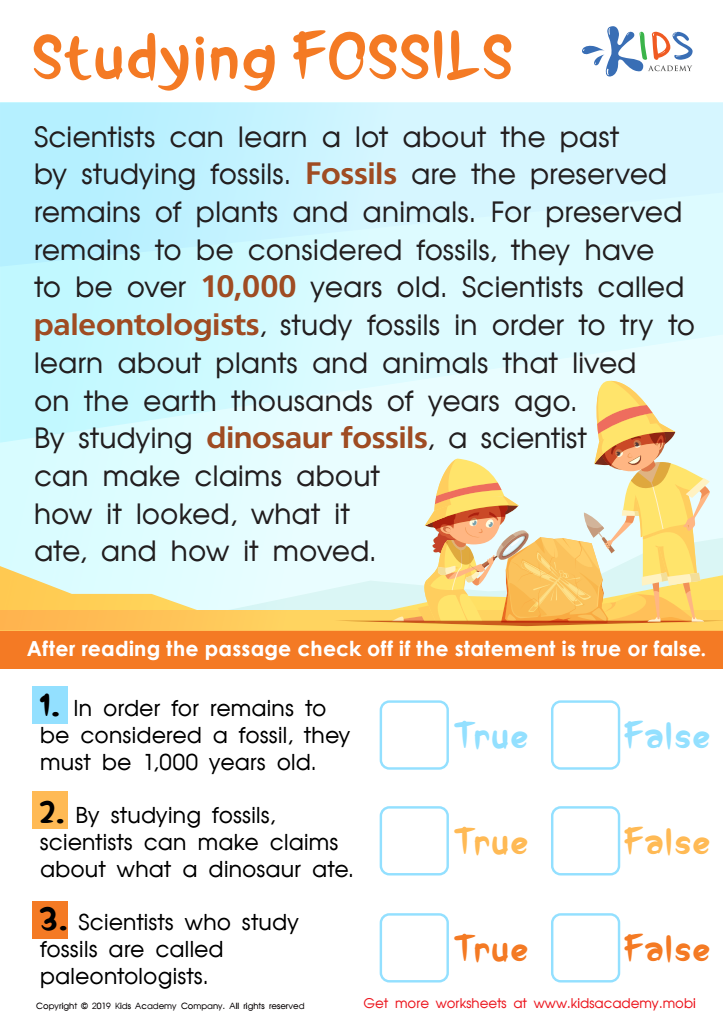
Studying Fossils Worksheet
 Assign to My Students
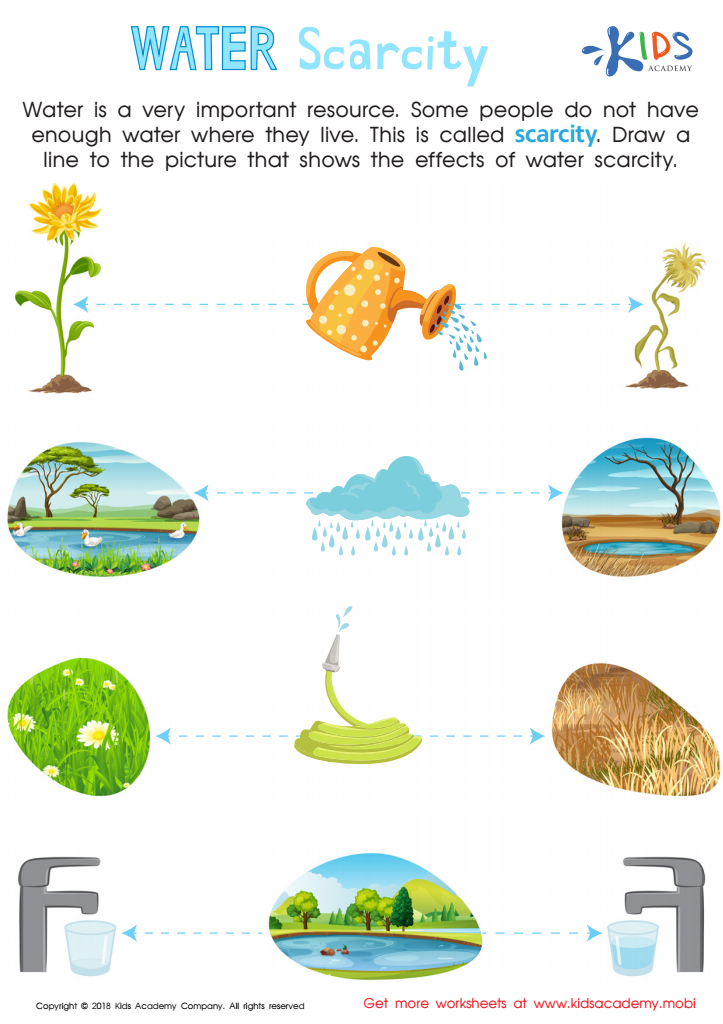
Water Scarcity Worksheet
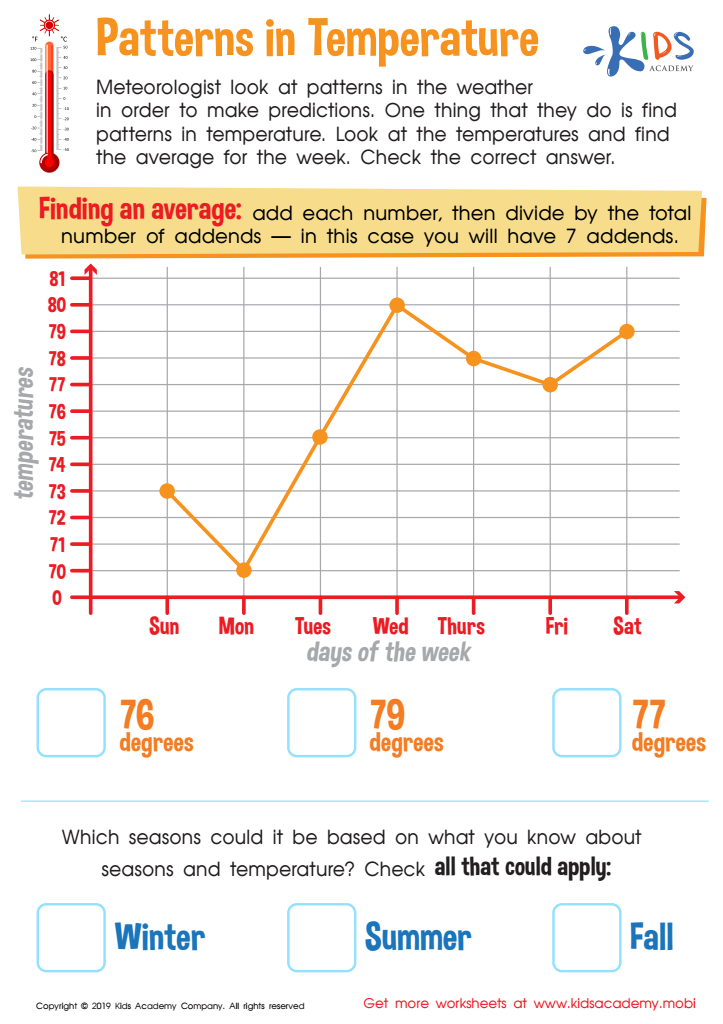
Patterns in Temperature Worksheet
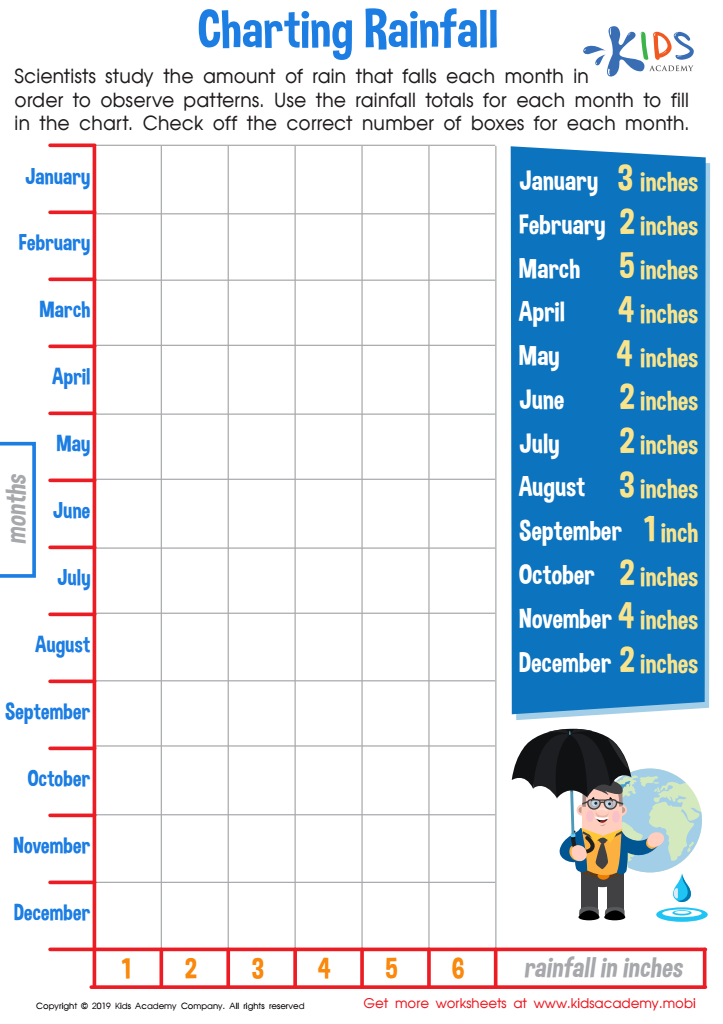
Charting Rainfall Worksheet
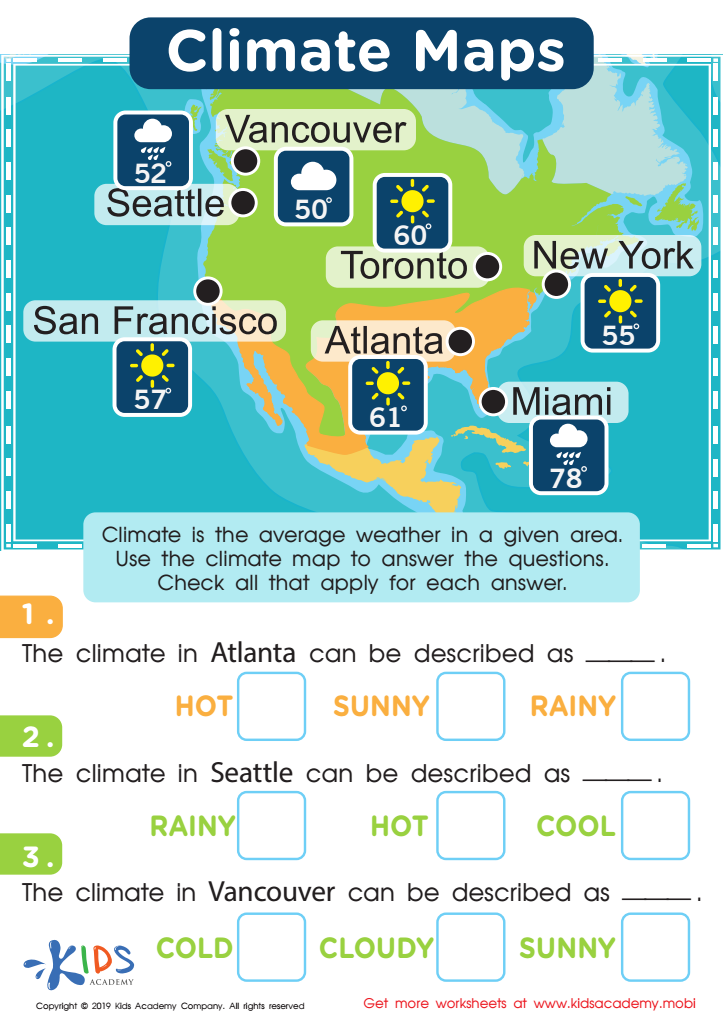
Climate Maps Worksheet







Understanding and analyzing data about our planet and environment is crucial for parents and teachers of young children, especially those aged 3-8, because it fosters essential skills and a sense of responsibility towards the world. At this developmental stage, children are naturally curious, and engaging them with data about their environment cultivates critical thinking and observational skills.
By analyzing data related to our planet, children can learn about important concepts like sustainability, biodiversity, and conservation. This foundational knowledge can influence their values and behavior regarding environmental stewardship. For instance, discussing data on local ecosystems can enhance children's understanding of habitats and the impact of human activities.
Furthermore, incorporating data into lessons makes learning interactive and fun, promoting higher engagement. Data analysis can involve hands-on activities, such as measuring plant growth or tracking weather patterns, reinforcing math and science concepts in a practical and relatable manner.
Parents and teachers who emphasize the importance of data analysis in environmental education equip children with tools to make informed choices. Ultimately, nurturing a generation that is aware and responsible is essential for the future of our planet. Therefore, analyzing environmental data is not just educational; it's an investment in our global community.







