Vocabulary enhancement Normal Physical Science Worksheets for Ages 3-8
6 filtered results
-
From - To
Enhance vocabulary skills with our engaging Normal Physical Science Worksheets, designed specifically for children ages 3-8. These interactive resources provide young learners with the opportunity to explore fundamental concepts in physical science while expanding their word knowledge. Each worksheet features fun activities that blend scientific terms with visually appealing images, fostering a love for learning and inquiry. Perfect for both classroom settings and at-home practice, our worksheets encourage critical thinking and creativity. Watch as your child builds their confidence and language skills in an essential subject area. Explore our collection today and spark a lifelong interest in science and vocabulary!
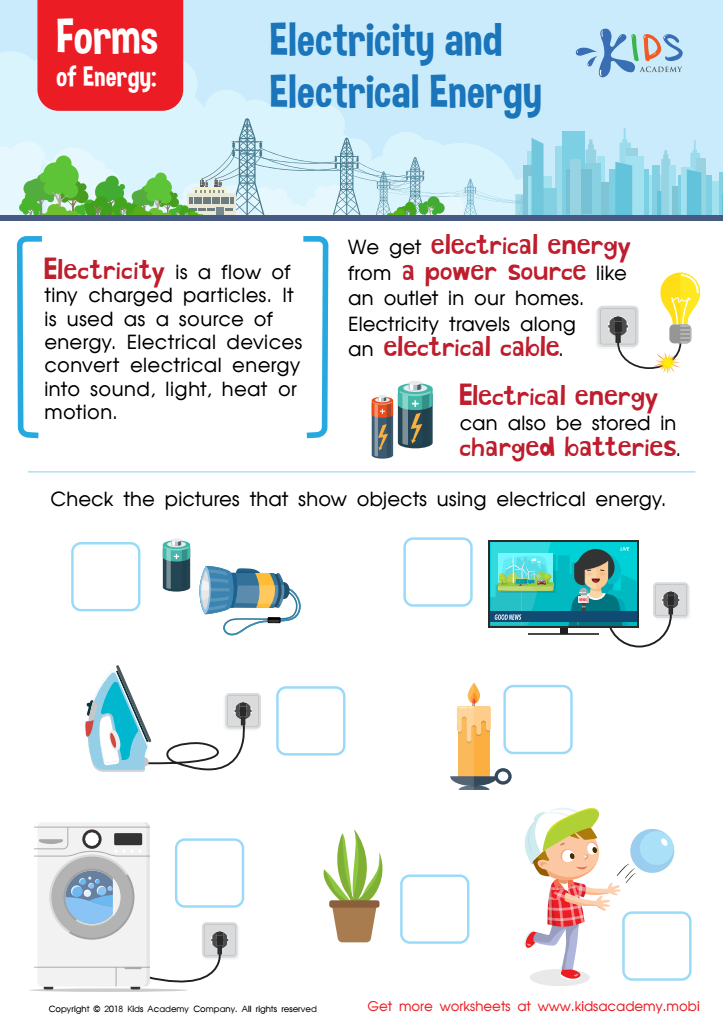
Forms of Energy Worksheet
 Assign to My Students
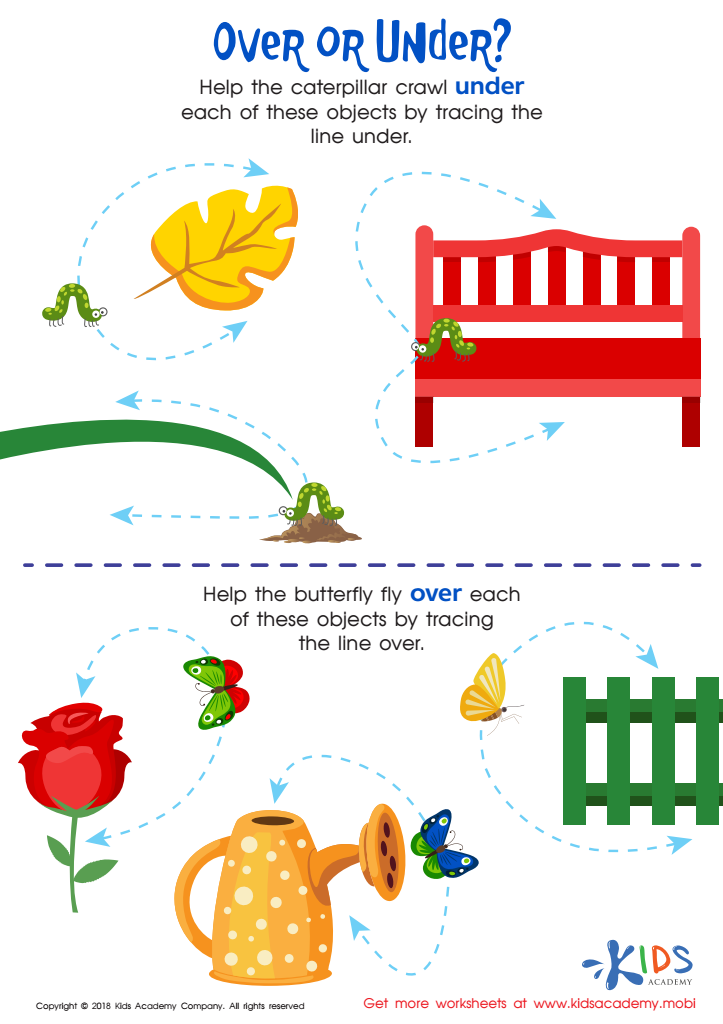
Over or Under? Worksheet
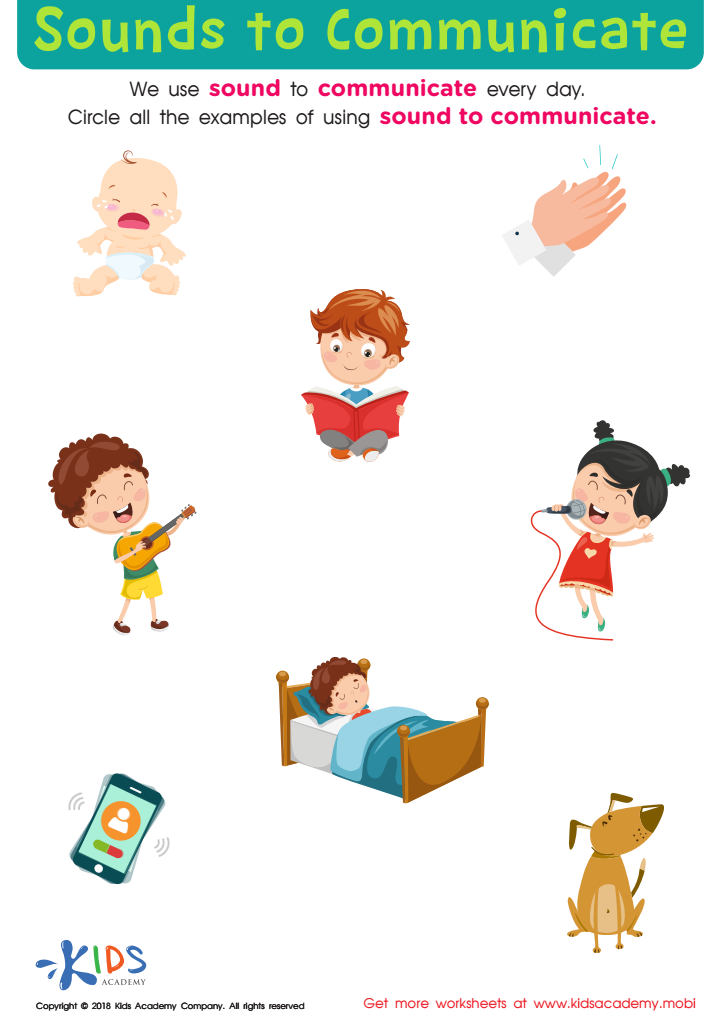
Sounds to Communicate Worksheet
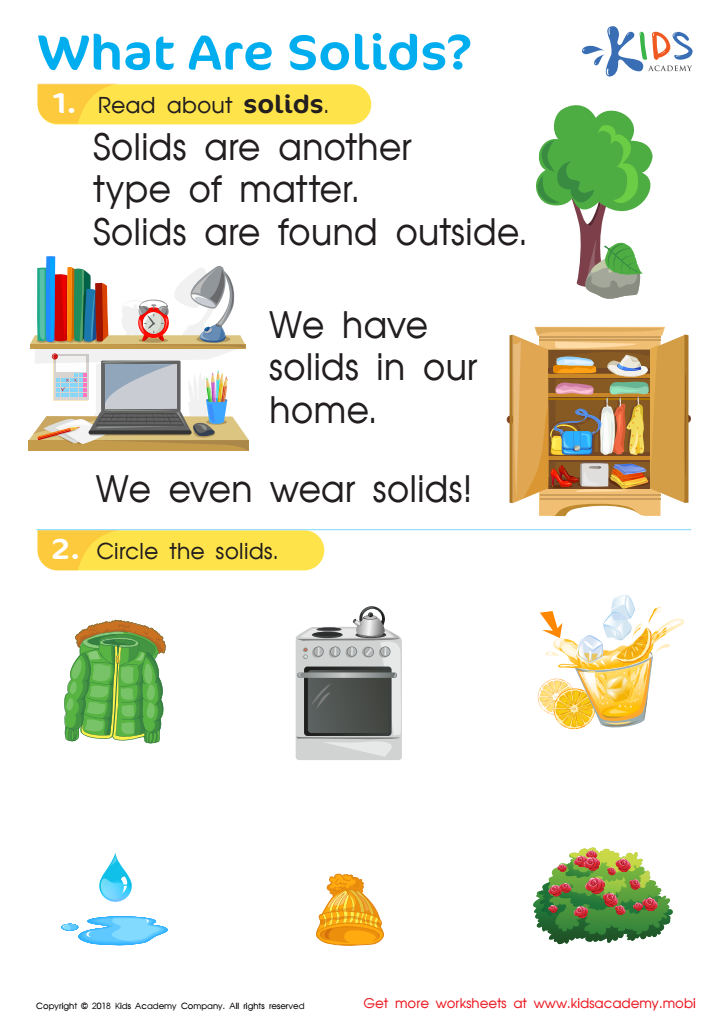
What Are Solids? Worksheet
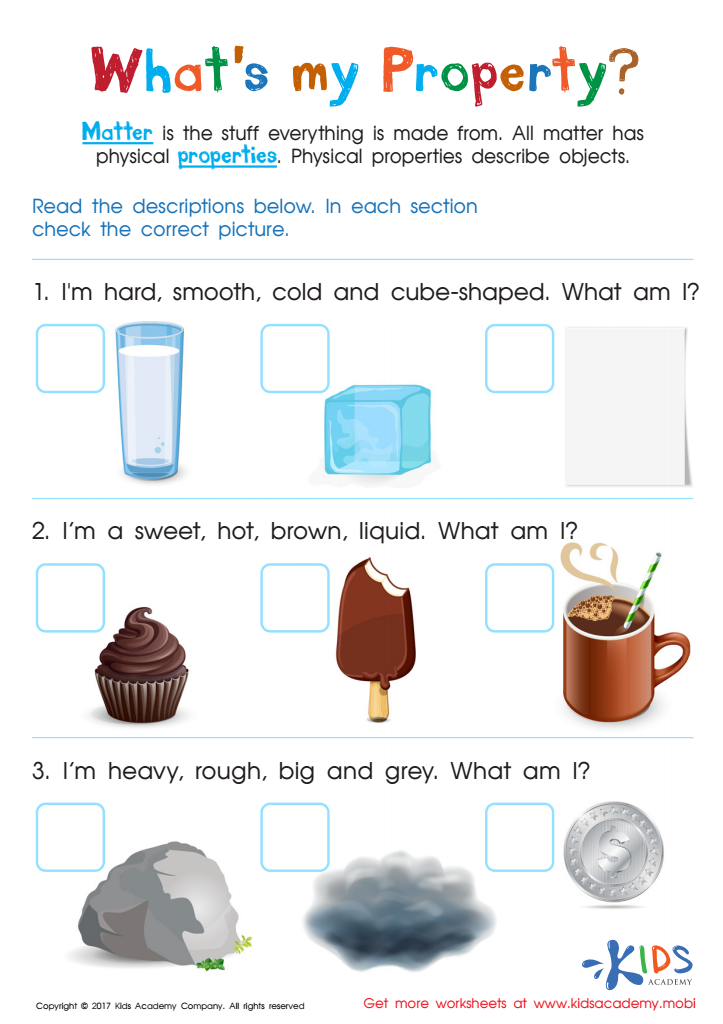
Physical Properties Of Matter Worksheet
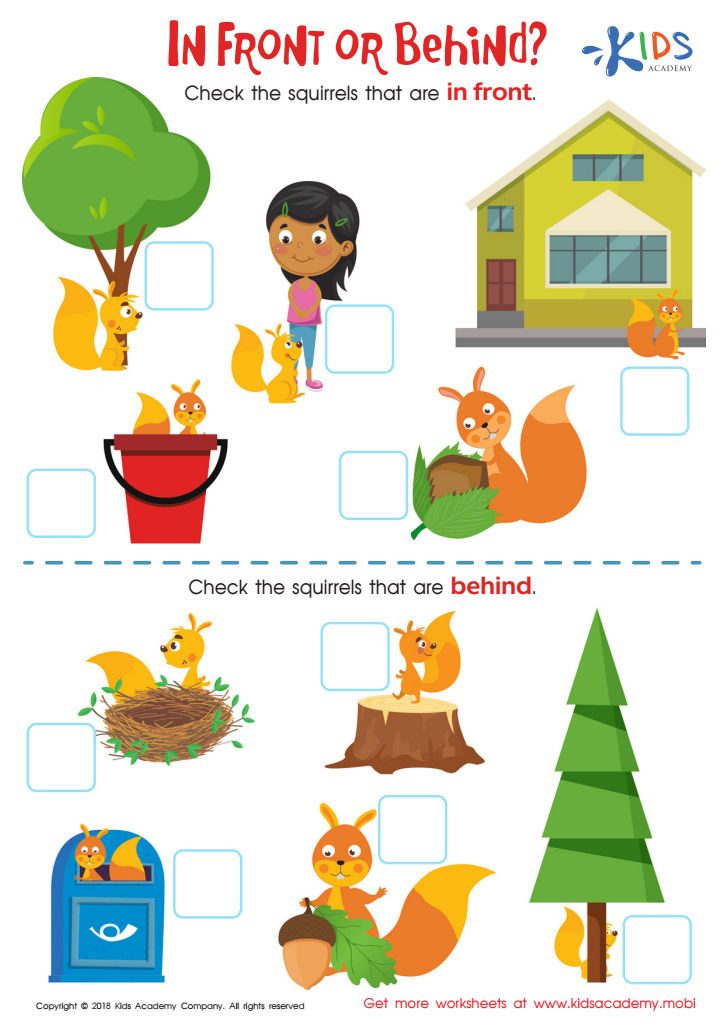
In Front or Behind: Part 2 Worksheet








Vocabulary enhancement in Normal Physical Science for ages 3-8 is crucial for several reasons. First, young children are in a key developmental stage where their understanding of language directly impacts their cognitive growth. By introducing scientific vocabulary, educators and parents help children articulate their thoughts, engage in discussions, and foster curiosity about the world around them.
Second, a strong vocabulary in science promotes critical thinking skills. Children learn to categorize, describe, and analyze various phenomena, which boosts their comprehension and problem-solving abilities. For instance, understanding terms like “gravity” or “pollination” encourages them to ask questions, experiment, and explore, laying the groundwork for future learning.
Additionally, early exposure to scientific language contributes to academic success across disciplines. A robust vocabulary enhances reading comprehension and aids in the assimilation of complex concepts in later grades, particularly as science curricula become more rigorous.
Lastly, fostering a positive attitude towards science cultivates a lifelong love for learning. Parents and teachers play a vital role in creating an engaging environment where vocabulary is built and curiosity nourished, ultimately shaping informed, inquisitive citizens who can contribute meaningfully to society. Encouraging vocabulary enhancement in young learners sets them on a path to success in science and beyond.







