Cognitive Development Normal Community Worksheets for Ages 3-8
4 filtered results
-
From - To
Enhance your child's cognitive development with our engaging Community Worksheets designed for ages 3-8. These printable activities specifically focus on critical learning skills, helping young learners understand their environment and the connections within their community. Featuring a variety of stimulating tasks, our worksheets encourage problem-solving, critical thinking, and layout comprehension. As children navigate these fun exercises, they’ll gain valuable insights into social interactions, community roles, and various surroundings. Perfect for classroom use or at-home learning, our Cognitive Development Community Worksheets provide a vital resource for nurturing inquisitive minds and building a strong foundation for future learning. Start exploring today!

Let's Look! Assessment Worksheet
 Assign to My Students
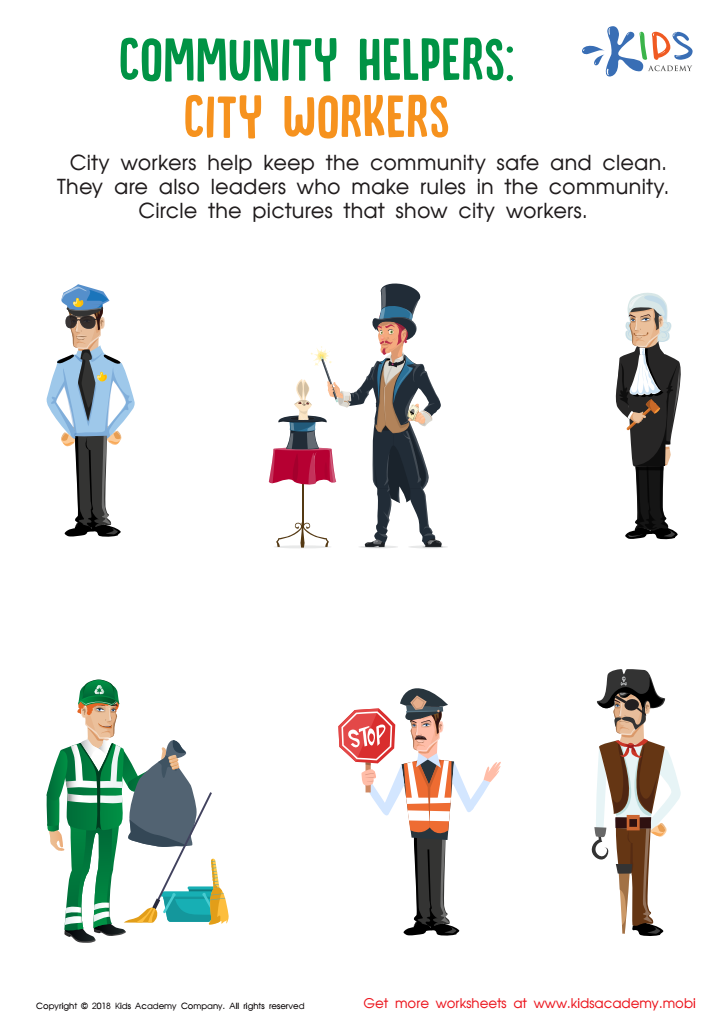
City Workers Community Helpers Worksheet
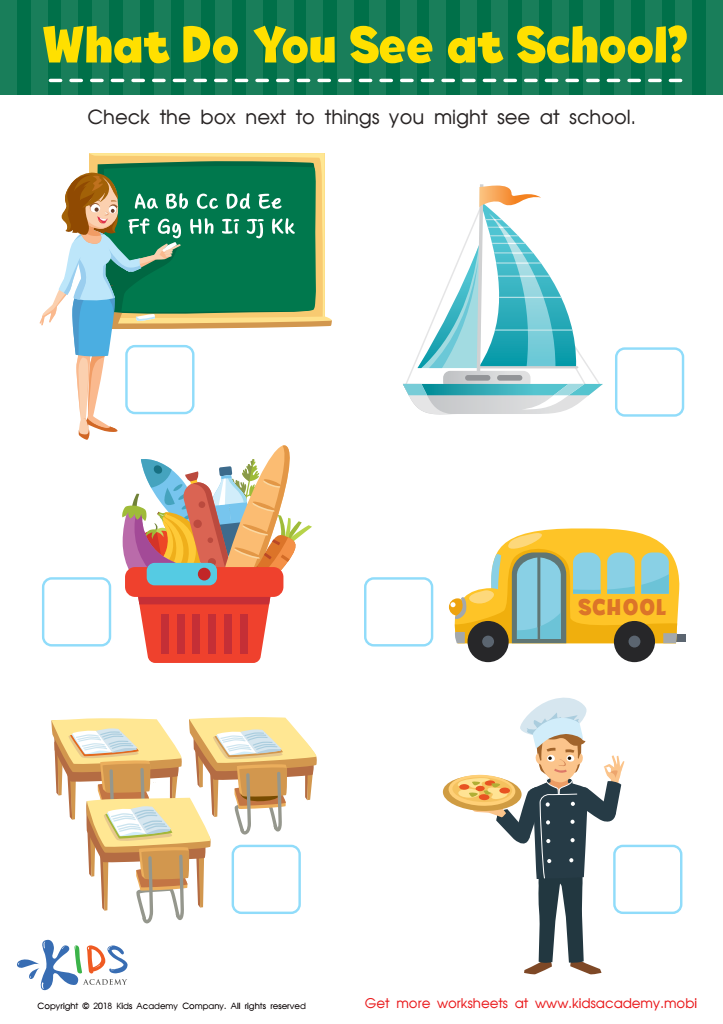
What Do you See at School? Worksheet
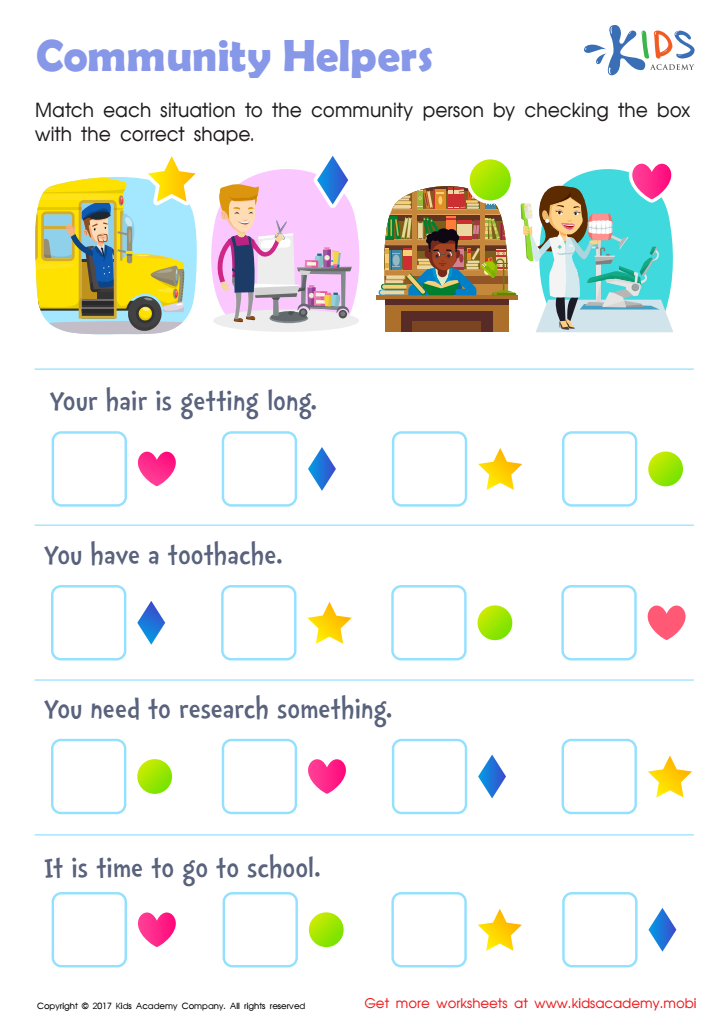








Cognitive development is crucial during ages 3-8, as this is a foundational period where children develop essential skills such as thinking, reasoning, and problem-solving. Understanding the normative cognitive development milestones can help parents and teachers support children's growth effectively. When caregivers are aware of what to expect at different ages, they can foster an enriching environment that enhances learning and creativity.
For instance, engaging children in play-based learning, storytelling, and hands-on activities bolsters their ability to think critically and interact socially. Recognizing signs of atypical development can also lead to early interventions, which are vital in addressing any potential learning challenges. This awareness promotes not only individual development but also a more inclusive community where every child's needs are met.
Moreover, by collaborating and sharing insights, parents and teachers can build stronger relationships, working together to create a supportive atmosphere that nurtures each child's unique cognitive potential. Overall, caring about cognitive development within the 3-8 age range enriches the educational landscape, prepares children for future academic success, and ultimately contributes to a well-rounded, thriving community.








