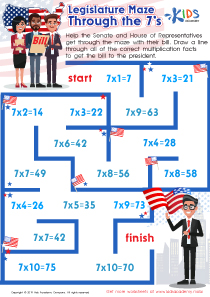
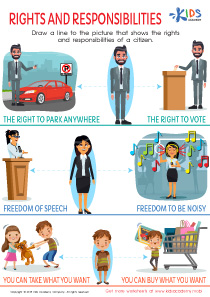
Visual recognition Normal Community Worksheets for Ages 3-8
4 filtered results
-
From - To
Discover engaging Visual Recognition Worksheets designed for kids ages 3-8 at Kids Academy. Our expertly crafted materials focus on enhancing visual recognition skills necessary for early development. Through fun and interactive exercises, children will learn to identify everyday objects, community helpers, and familiar places within their environment. These worksheets not only foster observational skills but also promote cognitive development and social awareness. Perfect for classroom and home learning, our resources align with educational standards and are ideal for building a solid foundation in social studies. Visit Kids Academy to explore our comprehensive collection of printable worksheets today!

Let's Look! Assessment Worksheet
 Assign to My Students

What Do you See at the Library? Worksheet
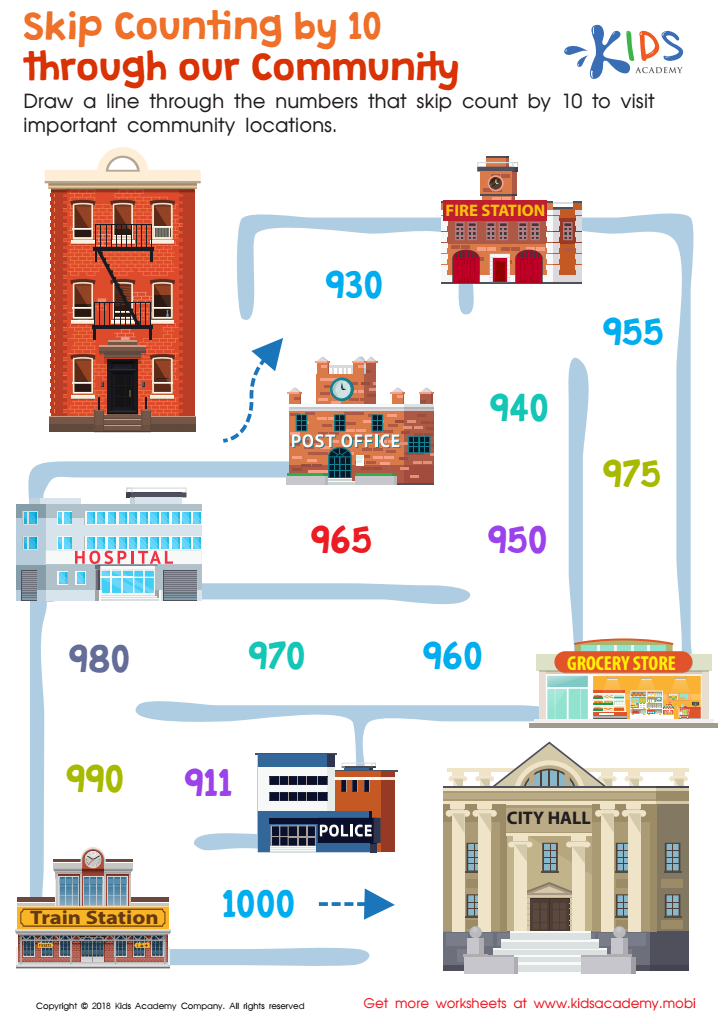
Skip Counting by 10 Through Our Community Worksheet
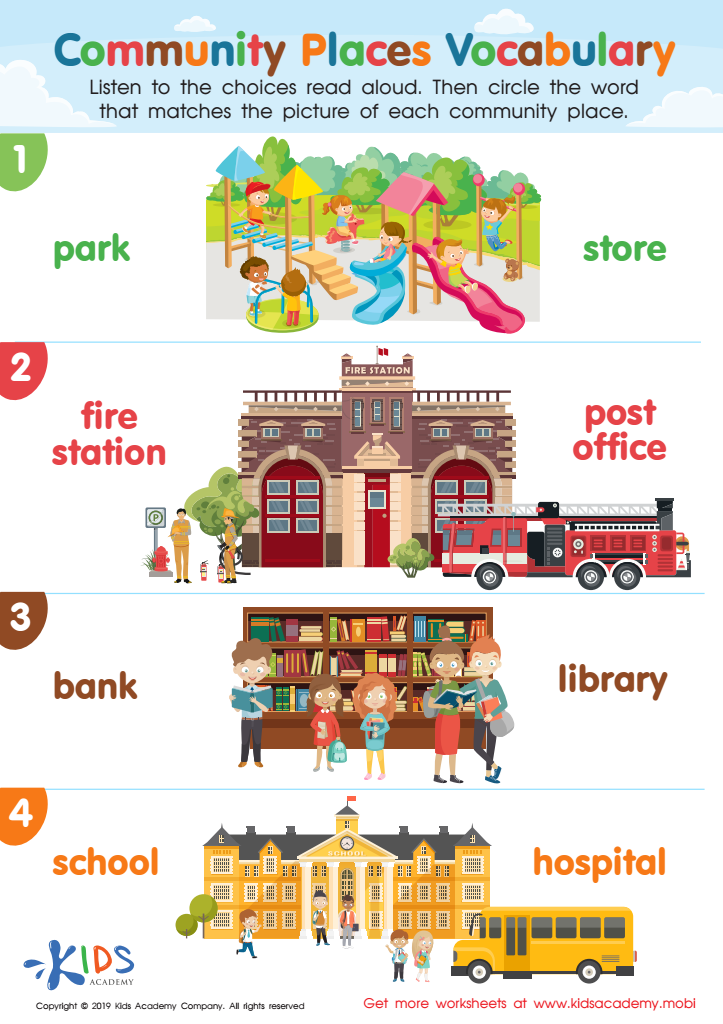
Community Places Vocabulary Worksheet








Visual recognition plays a pivotal role in the cognitive and developmental growth of children aged 3-8 years. It involves the ability to identify and differentiate objects, shapes, symbols, and letters, forming the foundation for essential learning processes such as reading and writing. In normal community settings for this age group, fostering robust visual recognition skills ensures that children can navigate their learning environments effectively.
By prioritizing visual recognition, parents and teachers can help children develop superior observational skills, which are critical in understanding and interpreting visual information. This is fundamental for learning in a variety of subjects; for instance, recognizing patterns, counting objects, and understanding visual instructions in both scientific and artistic contexts.
Moreover, strong visual recognition skills enhance children's fine motor development and hand-eye coordination, which are integral for activities such as drawing, playing sports, and using technology. Ensuring that visual recognition abilities are developing normally within community settings helps to identify any potential learning or developmental issues early, enabling timely interventions.
Promoting visual recognition sets the stage for academic success as children grow. Their confidence increases as they become capable of understanding and engaging with their environment, thus support their holistic development—emotional, social, and intellectual—and preparing them for future educational endeavors.