Critical Thinking Normal Geography Worksheets for Ages 3-8
4 filtered results
-
From - To
Explore our "Critical Thinking Geography Worksheets" designed for ages 3-8, providing a fun and engaging way to learn about the world. These worksheets encourage essential critical thinking skills by inviting young learners to analyze maps, build spatial awareness, and explore geographic concepts. With colorful illustrations and age-appropriate activities, children will enhance their understanding of location, direction, and cultural differences while developing problem-solving abilities. Perfect for classroom or home use, these worksheets make geography accessible and entertaining, setting the foundation for future exploration and learning. Empower your child's curiosity and analytical skills with our thoughtfully crafted materials today!
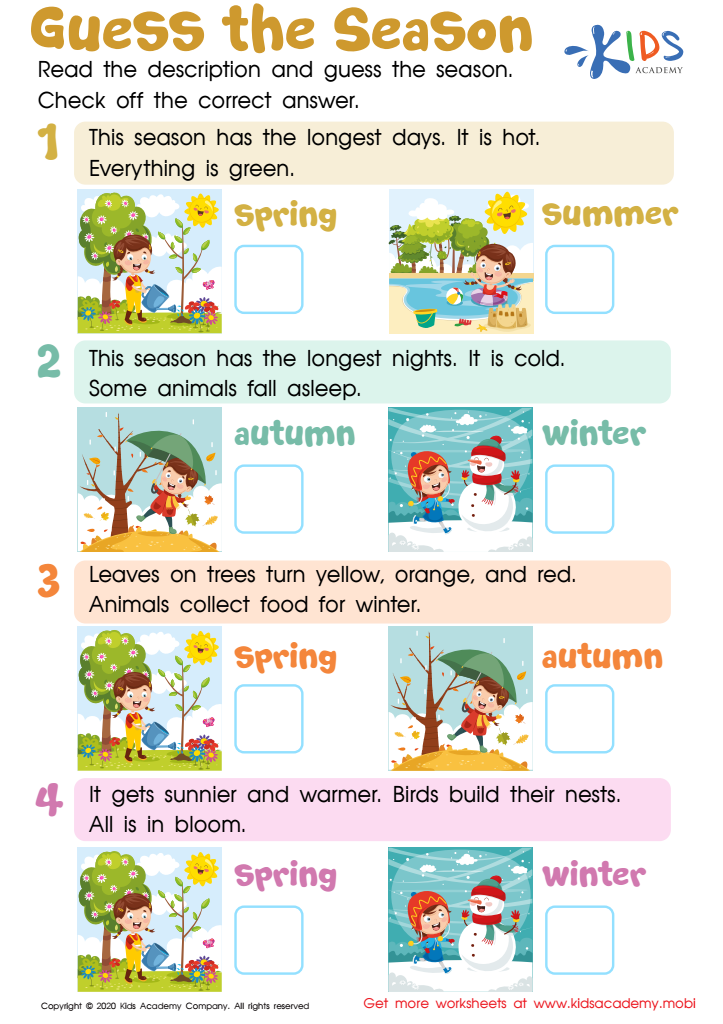
Guess the Season Worksheet
 Assign to My Students
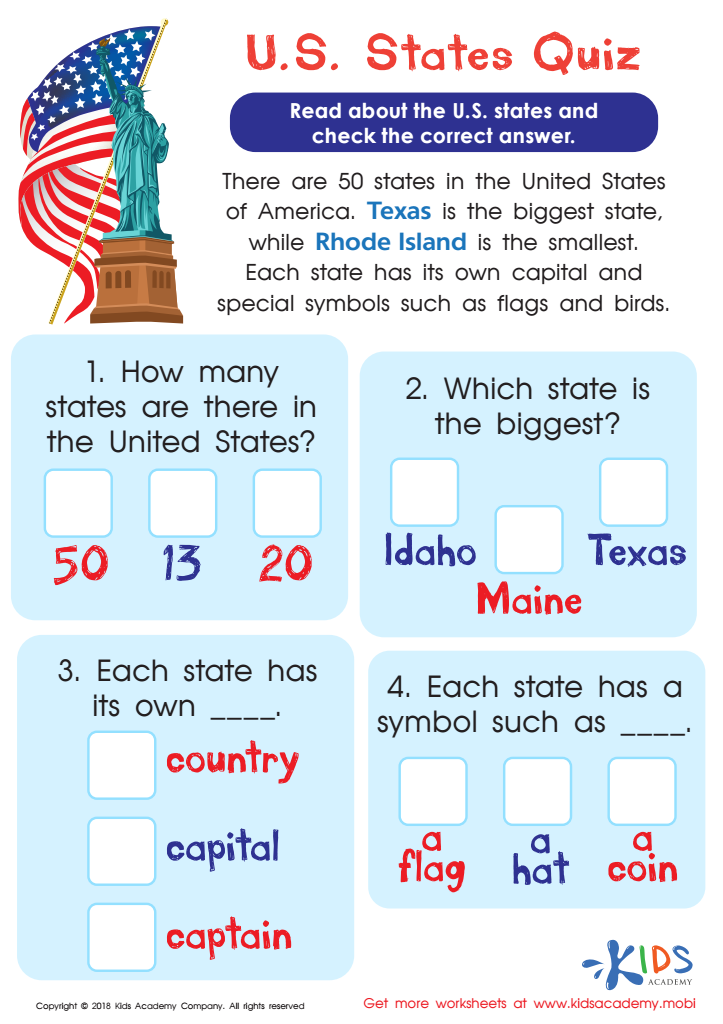
U.S. States Quiz Worksheet
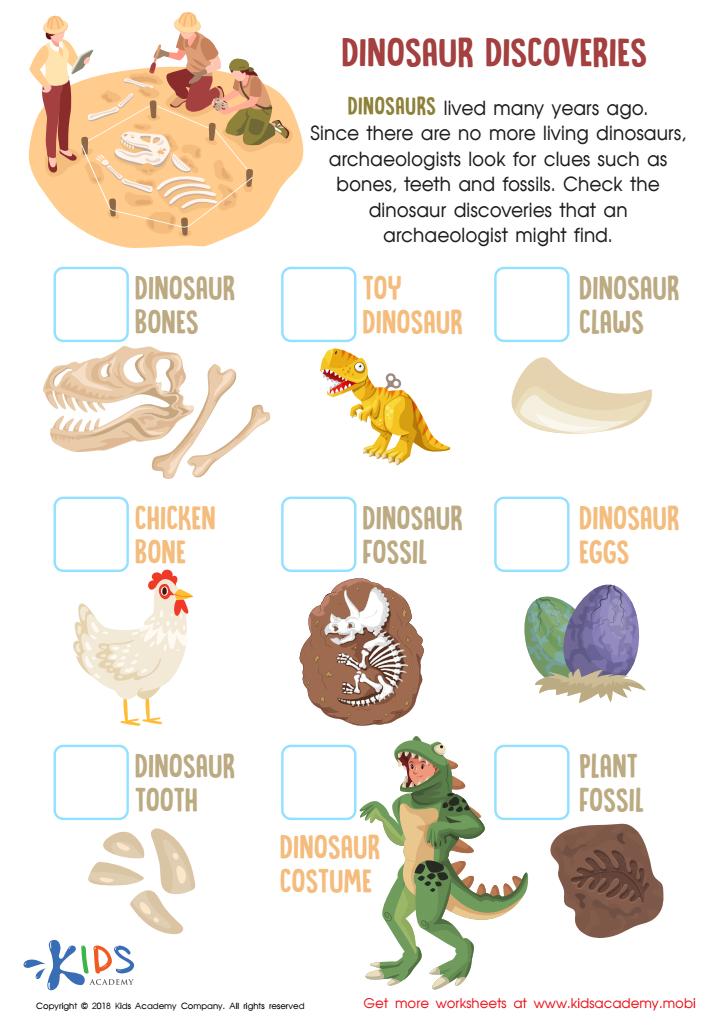
Dinosaur Discoveries Worksheet
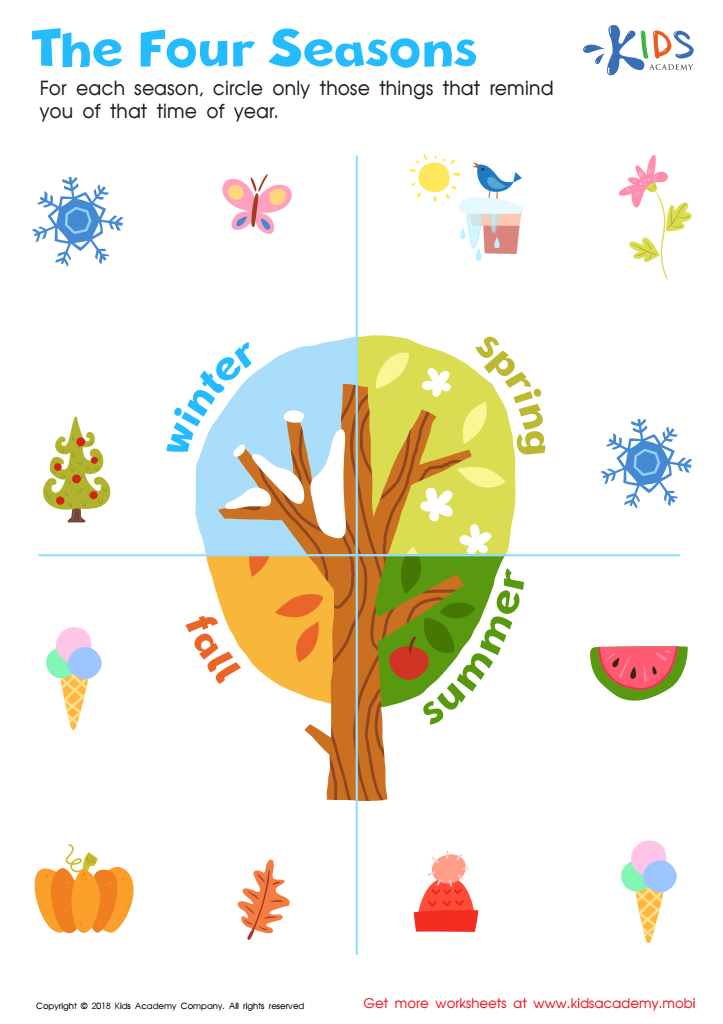
The Four Seasons Worksheet






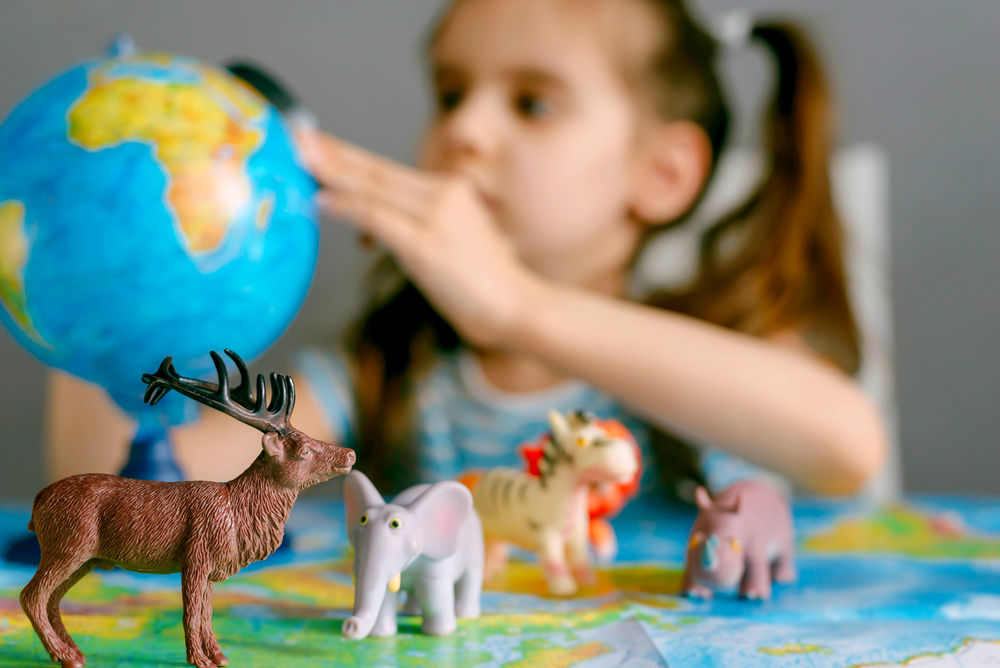
Critical Thinking Normal Geography for ages 3-8 is essential for fostering a child's analytical skills and understanding of the world around them. During these foundational years, children are naturally curious, and engaging them in geographical concepts helps satisfy this curiosity while promoting critical thinking abilities. By exploring geography, children learn to ask questions, recognize patterns, and think about the interconnections between people, places, and environments.
Parents and teachers should care about Integrating these concepts early on instills a global perspective that encourages empathy and respect for diversity. As children map their surroundings and learn about different cultures, they develop an appreciation for various lifestyles and environments, cultivating open-mindedness.
Furthermore, critical thinking in geography helps children develop problem-solving skills. For instance, discussing issues like climate change or urban development encourages them to analyze data, consider various viewpoints, and propose solutions. In an era where global challenges are prevalent, nurturing these skills is pivotal for future civic engagement and responsible decision-making.
Ultimately, integrating critical thinking in geography empowers young learners to become informed, thoughtful individuals ready to navigate the complexities of an interconnected world. By prioritizing this education, parents and teachers can shape a generation prepared to face future challenges with insight and creativity.