Map reading Normal Geography Worksheets for Ages 3-8
3 filtered results
-
From - To
Explore our engaging "Map Reading Normal Geography Worksheets" designed for children aged 3-8! These interactive worksheets help young learners develop essential map-reading skills while having fun. Through playful activities and colorful illustrations, kids will discover the concepts of direction, distance, and landmarks. Perfect for early grade educators and parents, our resources encourage critical thinking and spatial awareness. Plus, they're designed to align with early learning standards, ensuring a solid foundation in geography. Unlock your child's curiosity about the world around them with these informative and entertaining worksheets. Download now and embark on an exciting adventure in map reading!
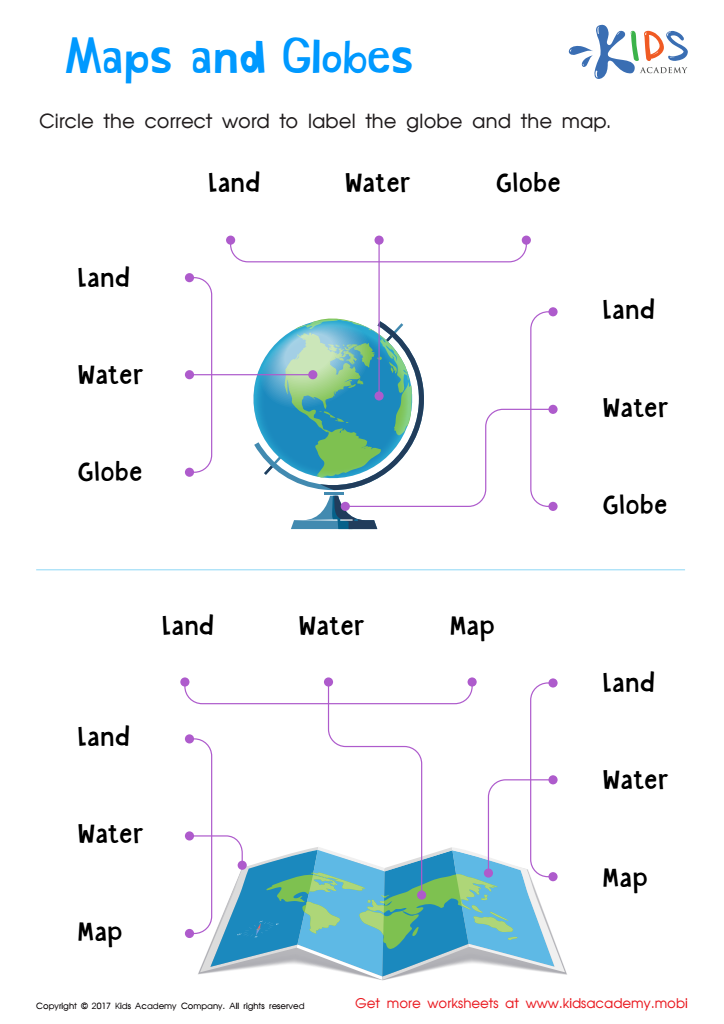
 Assign to My Students
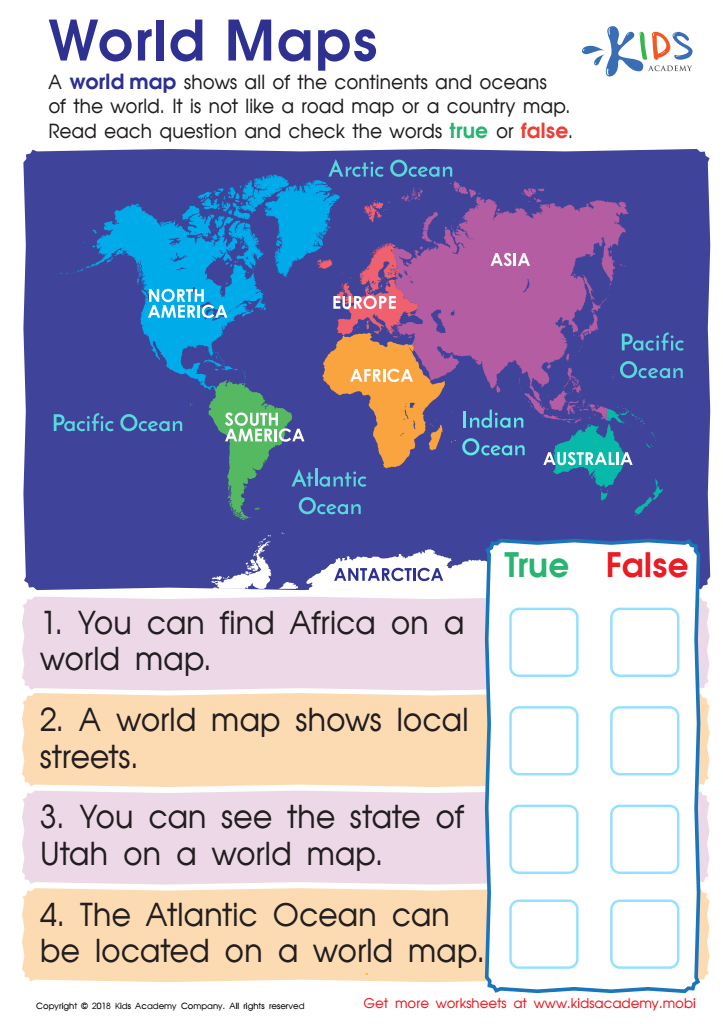
World Maps Worksheet
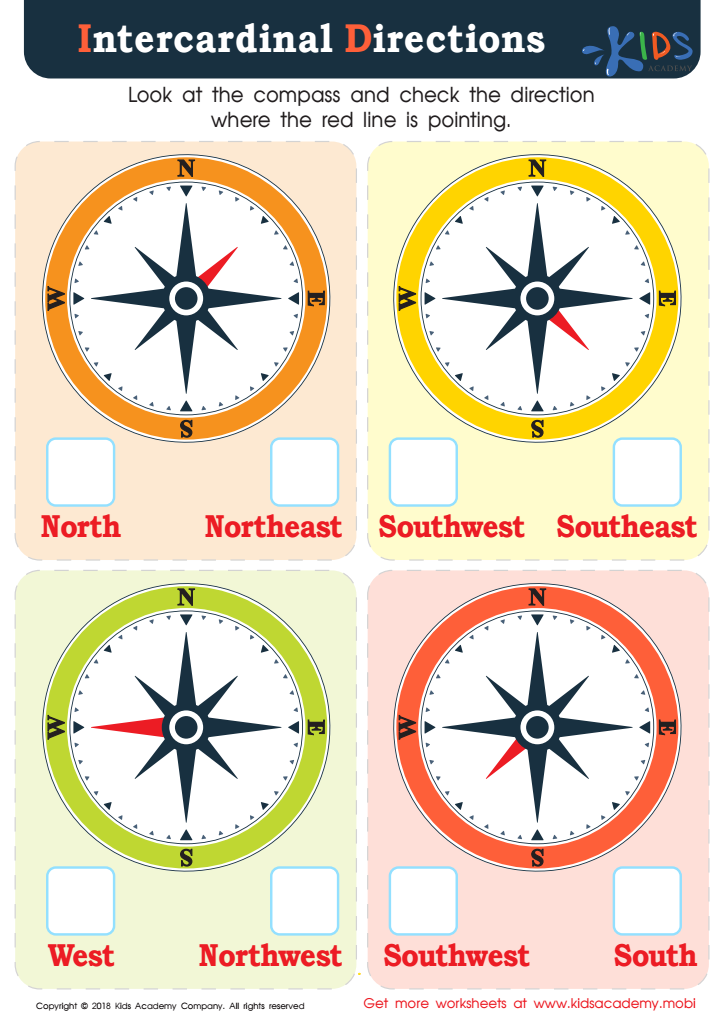
Intercardinal Directions Worksheet


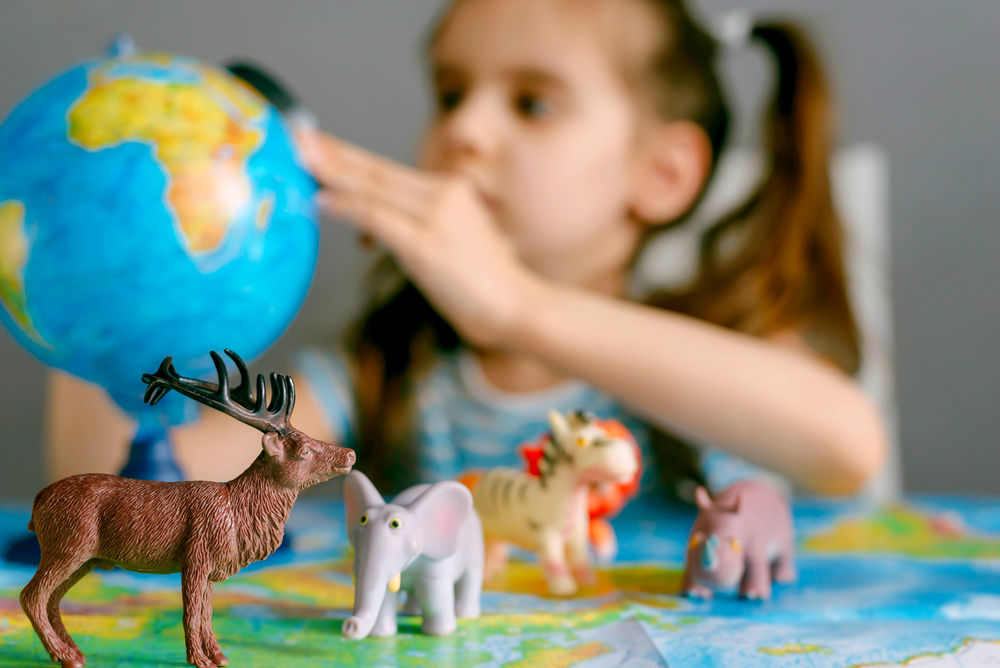




Map reading and geography are essential skills for children aged 3-8, and both parents and teachers should prioritize these concepts in early education for several reasons.
First, map reading enhances spatial awareness, helping children understand their environment and how different places relate to one another. This foundational skill aids in the development of critical thinking and problem-solving abilities. Learning to interpret maps encourages children to visualize and make sense of abstract concepts—critical components in math and science.
Second, engaging with geography fosters curiosity about the world. As children learn about diverse cultures, landscapes, and communities, they develop empathy and an appreciation for diversity. This broadens their understanding of global interconnections and prepares them to be compassionate, informed citizens.
Third, hands-on map activities promote fine motor skills and literacy. Reading maps requires navigating symbols, scales, and legends, advancing children’s comprehension and literacy as they learn new vocabulary and concepts.
Ultimately, integrating map reading and geography into early education empowers children with valuable skills; encourages a lifelong love for learning; and nurtures awareness of the world we inhabit. Parents and educators should collaborate to make these experiences engaging and meaningful.