
Word Recognition Normal Governance and Civics Worksheets for Ages 3-8
3 filtered results
Difficulty Level
Grade
Age
-
From - To
Subject
Activity
Standards
Discover engaging Word Recognition Normal Governance and Civics Worksheets specifically designed for children aged 3-8. These printable resources combine fun and education, helping young learners grasp essential concepts of governance and civic responsibility while enhancing their reading skills. Each worksheet promotes vocabulary development, encouraging children to recognize and understand key terms related to community, leadership, and civic duties. With colorful illustrations and interactive activities, these worksheets foster a love for learning about the world around them. Perfect for both home and classroom use, our resources ensure foundational knowledge in civics, preparing children to become informed and engaged citizens. Explore our collection today!
Favorites
With answer key
Interactive
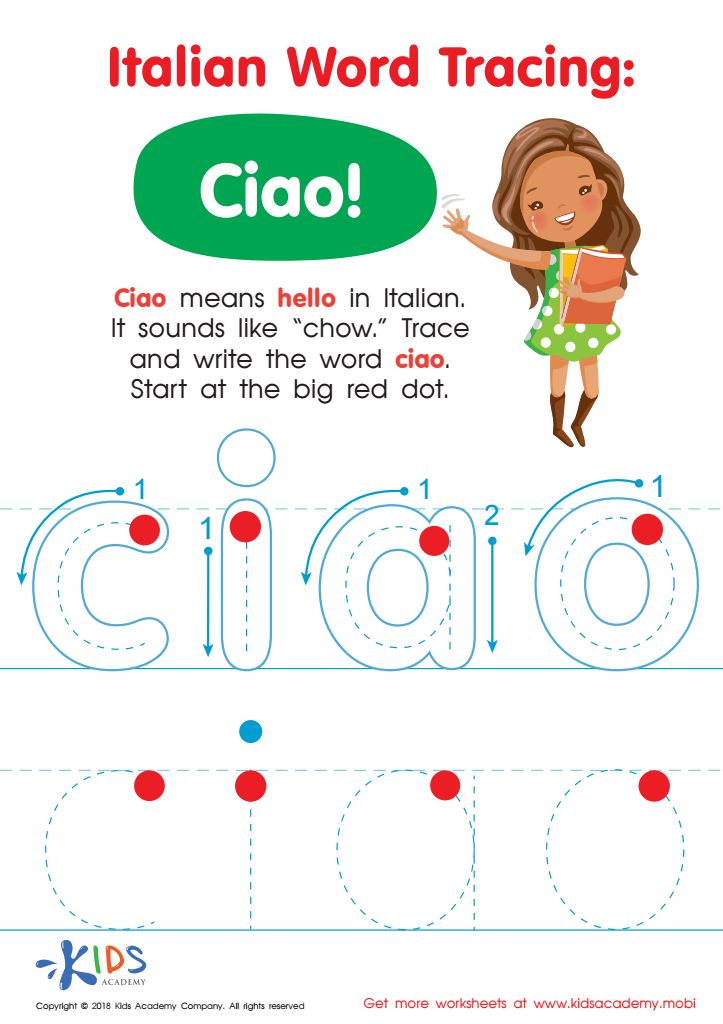
Italian Word Tracing: Ciao Worksheet
Help kids learn to greet people in different languages with this fun worksheet! Featuring the Italian word 'Ciao', it helps kids trace and learn the pronunciation. Plus, it teaches hand-eye coordination and fine-motor skills. Global connectivity can start with this activity!
 Assign to My Students
Italian Word Tracing: Ciao Worksheet
Worksheet
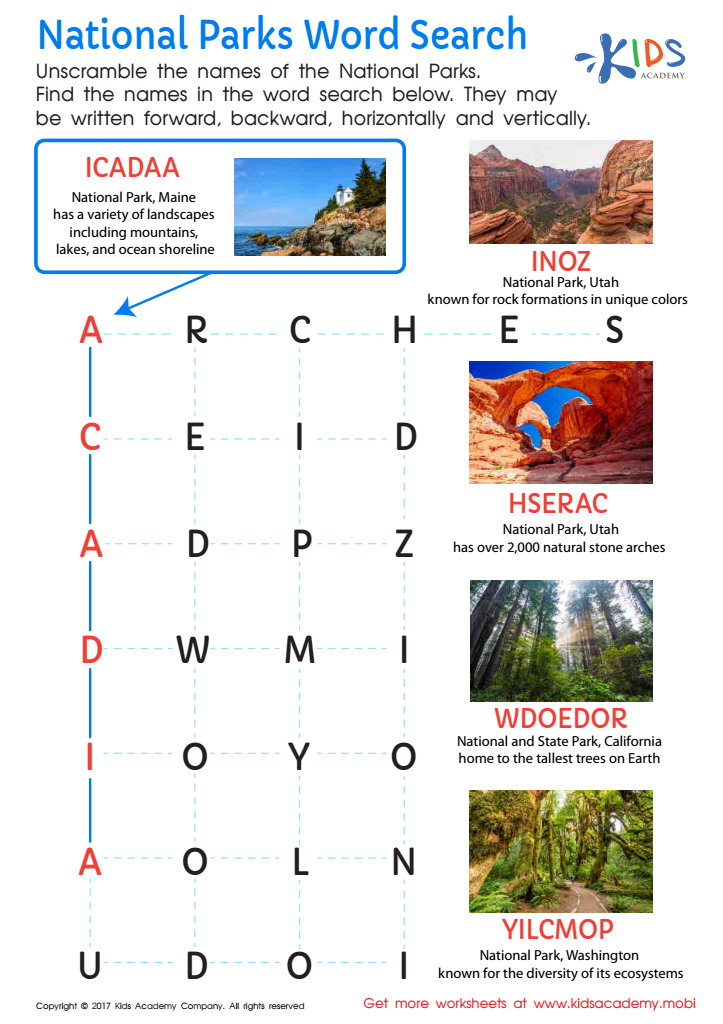
National Parks Word Search Worksheet
Explore the beauty of the USA’s national parks with this fun National Parks word search! Learn more about these majestic sites and boost your knowledge. Take a trip through the sights and sounds of our country with this motivating worksheet.
National Parks Word Search Worksheet
Worksheet
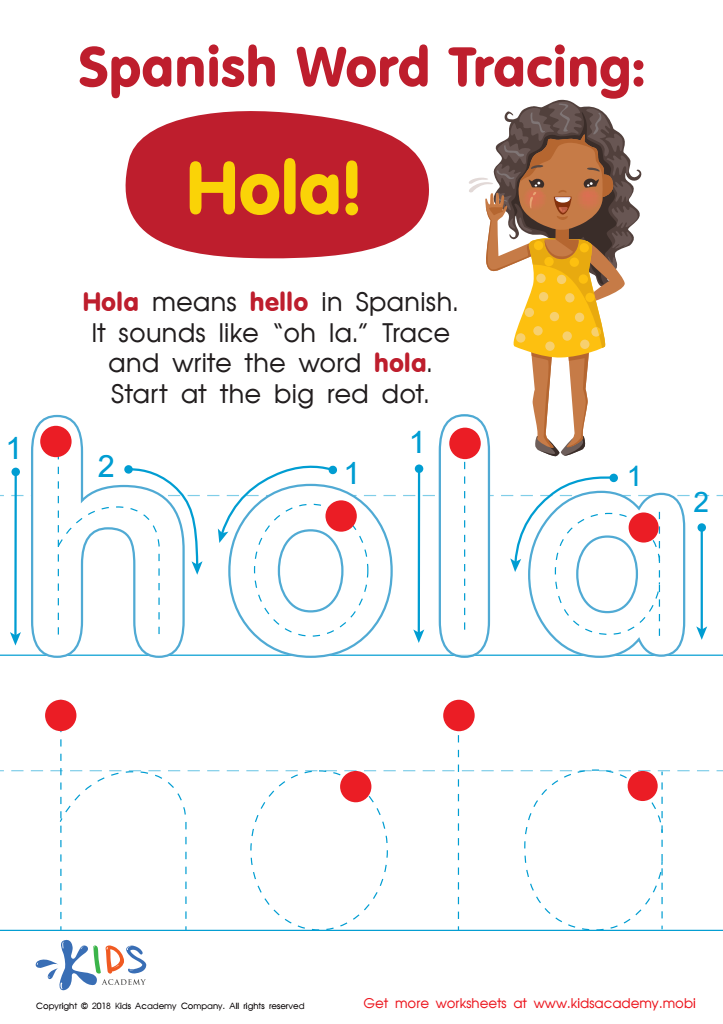
Spanish Word Tracing: Hola Worksheet
This PDF provides a fun way for students to learn "Hola" (Hello) in Spanish! Kids can practice fine motor and handwriting skills while they trace the letters. They'll get the hang of top-to-bottom, left-to-right patterning while they learn how to say and write in Spanish. With practice, they'll soon feel confident speaking and writing Spanish!
Spanish Word Tracing: Hola Worksheet
Worksheet
Join Kids Academy for Free
Who is primarily going to use this learning content?


Word recognition is a foundational skill that significantly impacts children's literacy and overall academic success. For parents and teachers, understanding normal governance and civics for ages 3-8 is crucial because it empowers children to engage actively with their communities as informed citizens. During these formative years, young learners develop basic comprehension and vocabulary, which are essential for grasping the concepts underlying governance and civics.
As children learn to recognize and understand words related to their government, civic responsibilities, and community roles, they cultivate critical thinking skills and a sense of responsibility. This early exposure fosters a sense of belonging and encourages curiosity about how society functions, helping them to articulate their thoughts and engage in discussions.
Moreover, integrating civics into word recognition activities promotes higher engagement and motivation in learning. When children can relate their experiences to governing bodies and community roles, they not only enhance their literacy skills but also their social awareness. Overall, investing in word recognition within the context of governance and civics enriches a child's educational journey and lays a solid foundation for informed citizenship, ultimately shaping responsible and engaged adults in the future.








