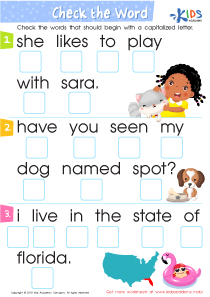
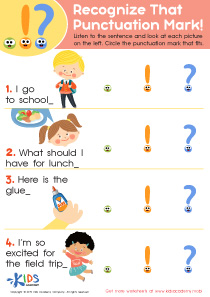
Vocabulary development Normal Grammar Worksheets for Ages 3-8
5 filtered results
-
From - To
Enhance your child's language skills with our "Vocabulary Development Normal Grammar Worksheets" tailored for ages 3-8. These engaging worksheets are designed to help young learners expand their vocabulary while mastering essential grammar concepts. Featuring colorful illustrations and age-appropriate activities, each worksheet encourages creativity and critical thinking. Children will explore word meanings, sentence structure, and contextual usage through fun exercises. Ideal for homeschooling or supplemental practice, these resources foster a love for language, paving the way for academic success. Unlock your child's potential and watch them build a robust vocabulary foundation with our expertly crafted worksheets today!
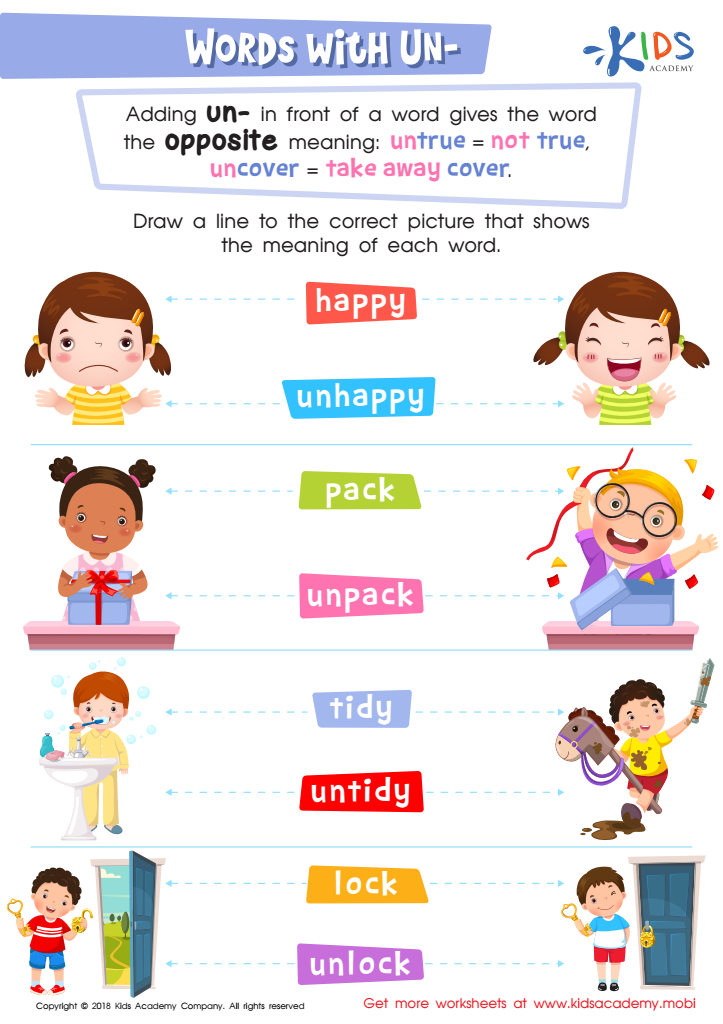
Words with Un– Worksheet
 Assign to My Students
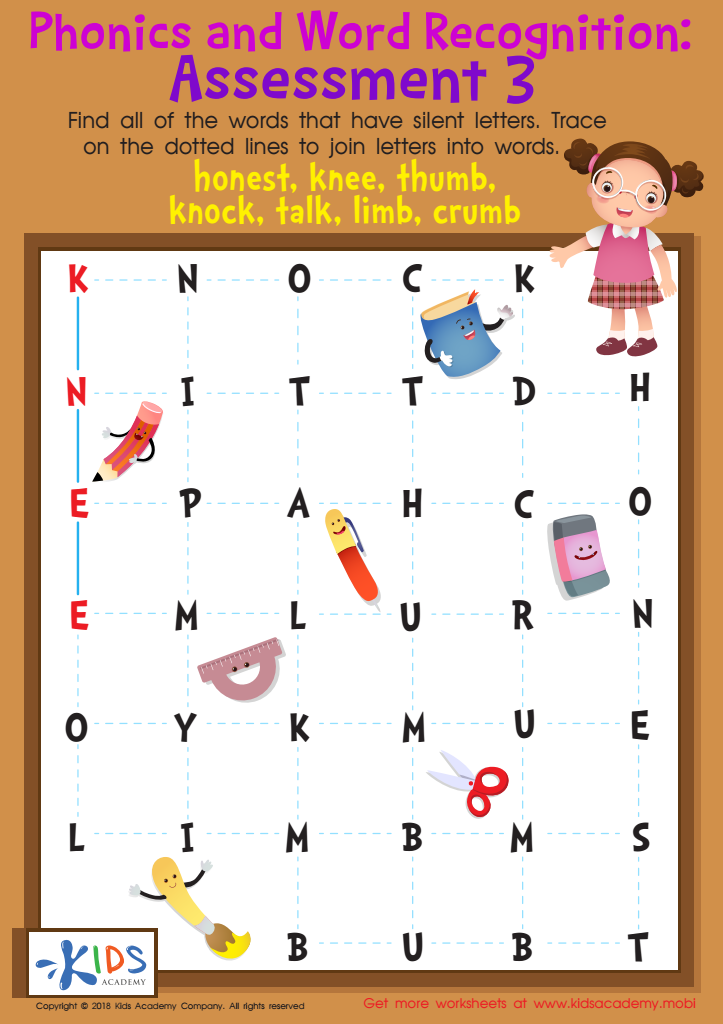
Phonics and Word Recognition: Assessment 3 Worksheet
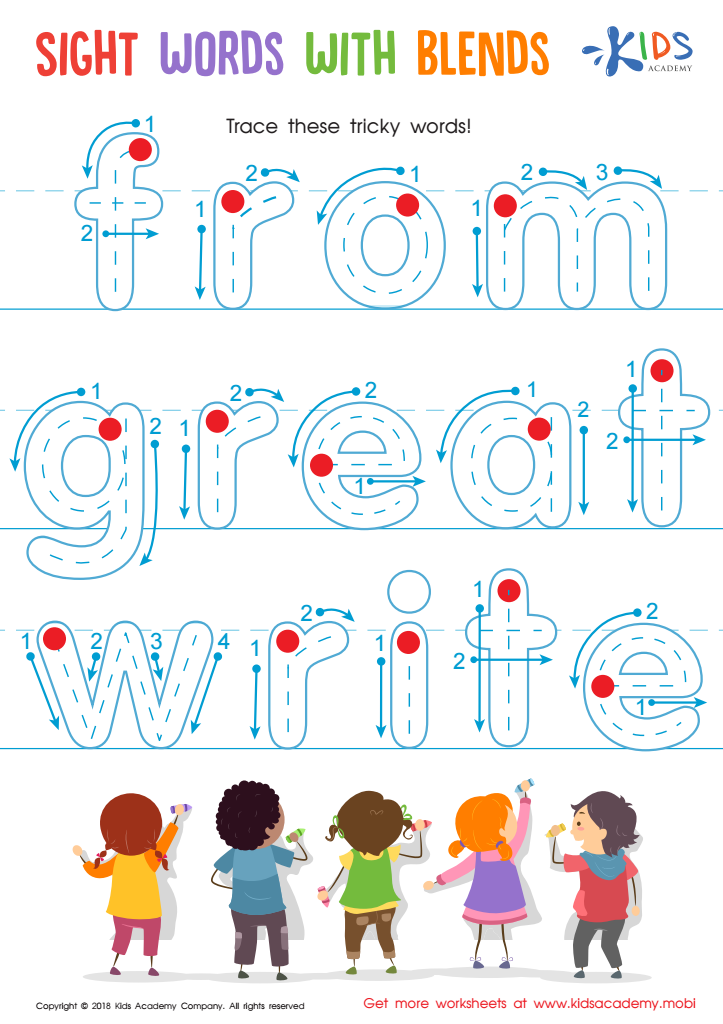
Sight Words with Blends Worksheet
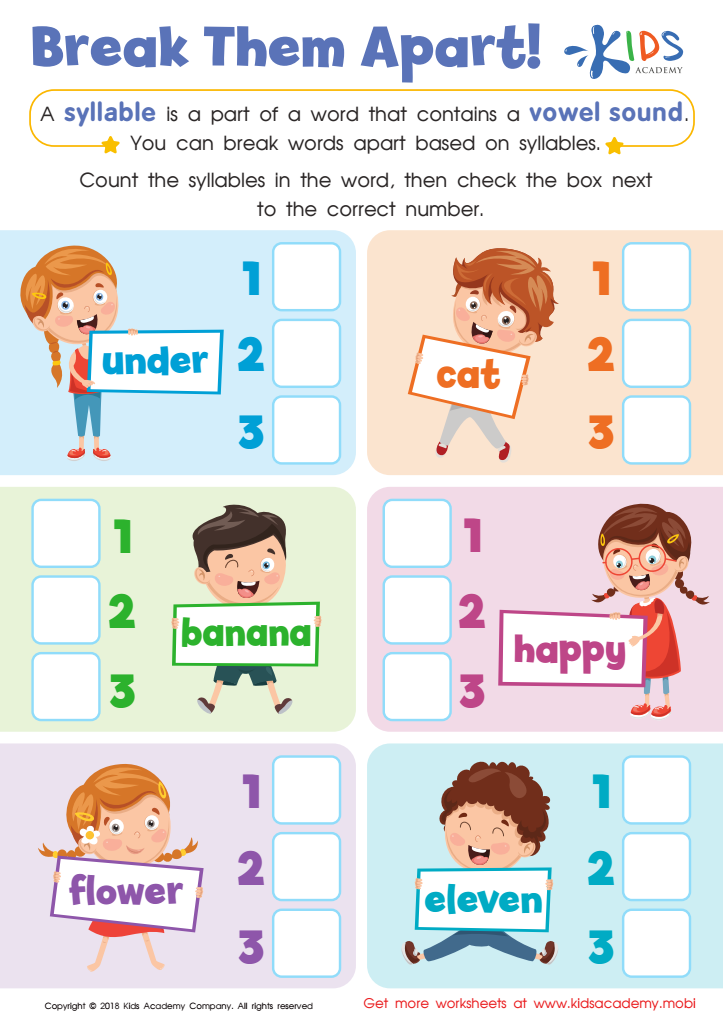
Reading: Break Them Apart Worksheet
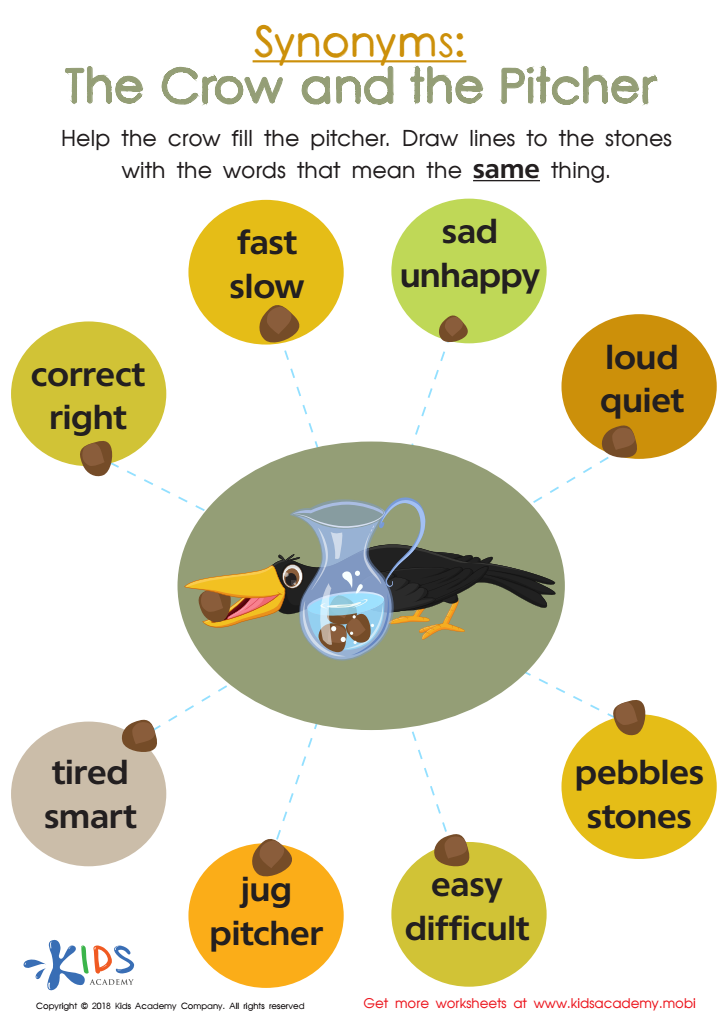
The Crow and the Pitcher Synonyms Worksheet




.jpg)

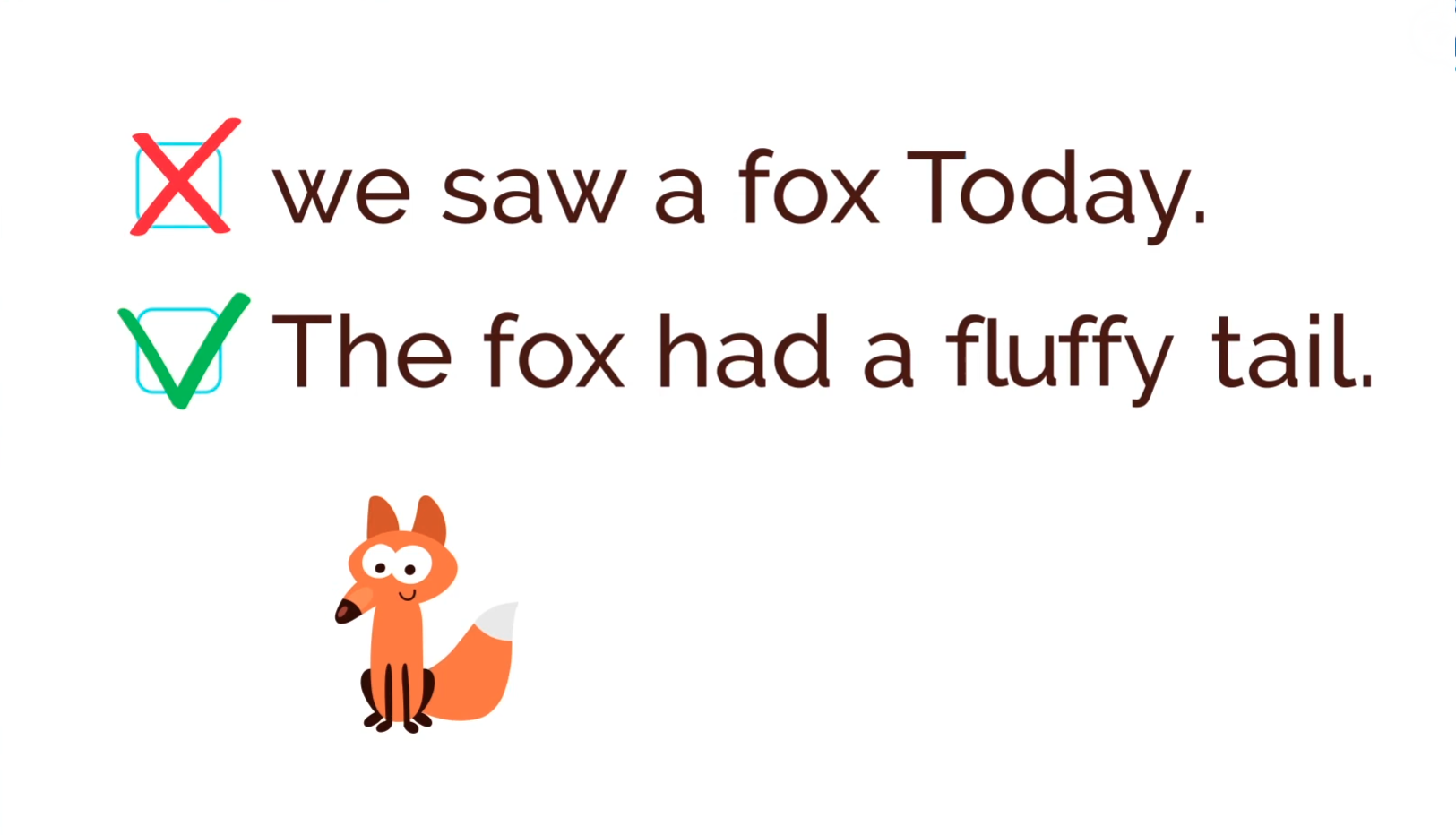
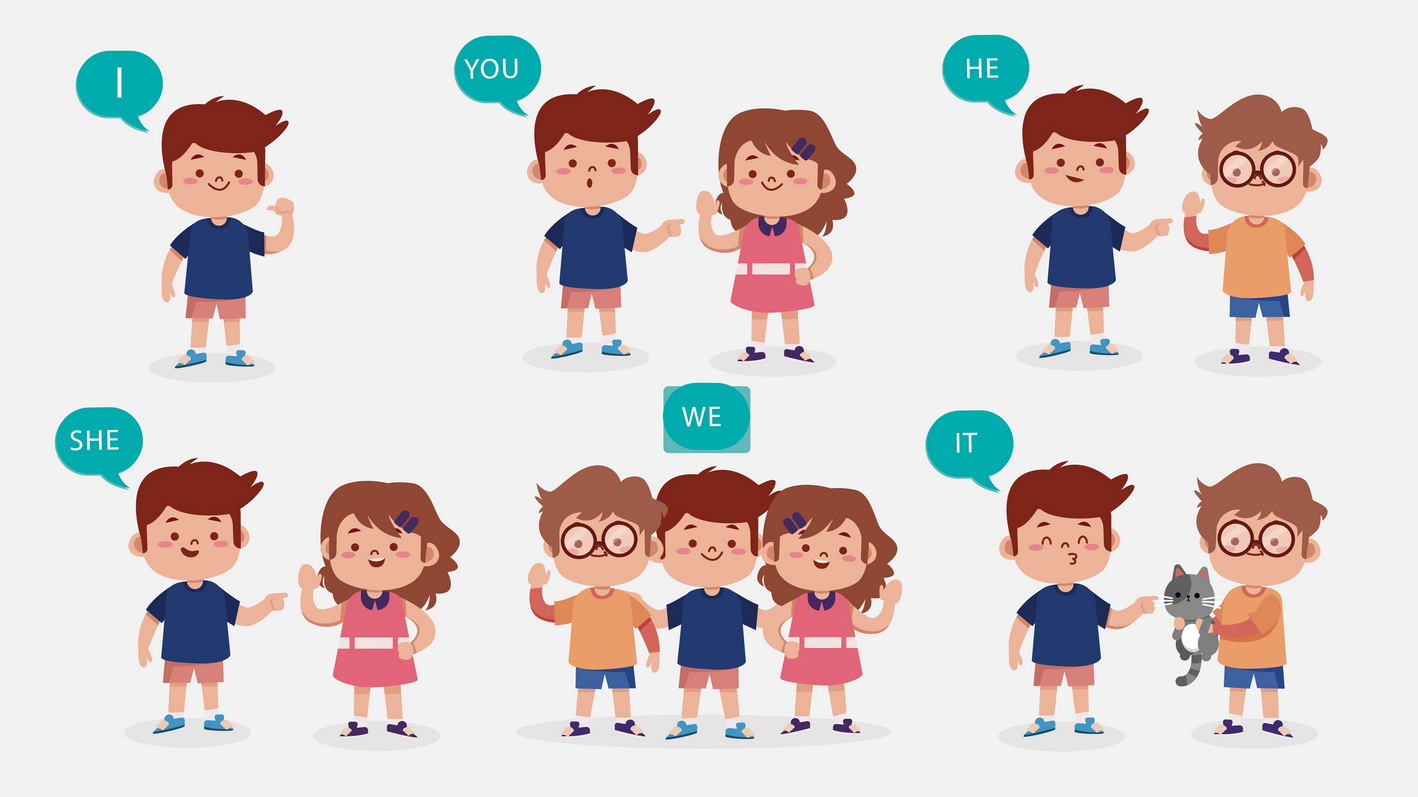
Vocabulary development and grammar understanding in early childhood are crucial for a child's overall linguistic growth and academic success. For children aged 3-8, robust vocabulary skills lay the groundwork for reading comprehension, writing abilities, and effective communication. During these formative years, children are rapidly acquiring language, and the words they learn help them express their thoughts, feelings, and ideas.
Parents and teachers play a pivotal role in this process by providing rich language experiences. Engaging children in conversations, reading aloud, and introducing new words through storytelling can significantly enhance their vocabulary. Normal grammar during this stage helps children formulate sentences that are clear and coherent, supporting their ability to interact socially and academically.
Moreover, a well-developed vocabulary fosters cognitive skills, enabling children to think critically and understand complex concepts as they progress in their education. Additionally, children with a strong vocabulary are better equipped to partake in classroom discussions, ask questions, and seek help when needed.
Investing time and effort in vocabulary and grammar development benefits not only academic performance but also enhances children's self-esteem and confidence in expressing themselves. In summary, supporting language skills in early childhood sets the stage for lifelong learning and success.