Writing practice Normal ABC Letters Worksheets for Ages 3-9
6 filtered results
-
From - To
Introduce your child to the joy of writing with our "Writing Practice Normal ABC Letters Worksheets" designed specifically for ages 3-9. These engaging activities help young learners develop crucial handwriting skills through practicing the correct form of each letter. Our worksheets provide a fun and interactive way to reinforce alphabet recognition, letter formation, and hand-eye coordination. Perfect for beginners, these resources support both homeschool and classroom settings, ensuring a solid foundation for future writing success. Give your child the confidence to excel in literacy with our thoughtfully crafted, age-appropriate ABC writing practice worksheets.
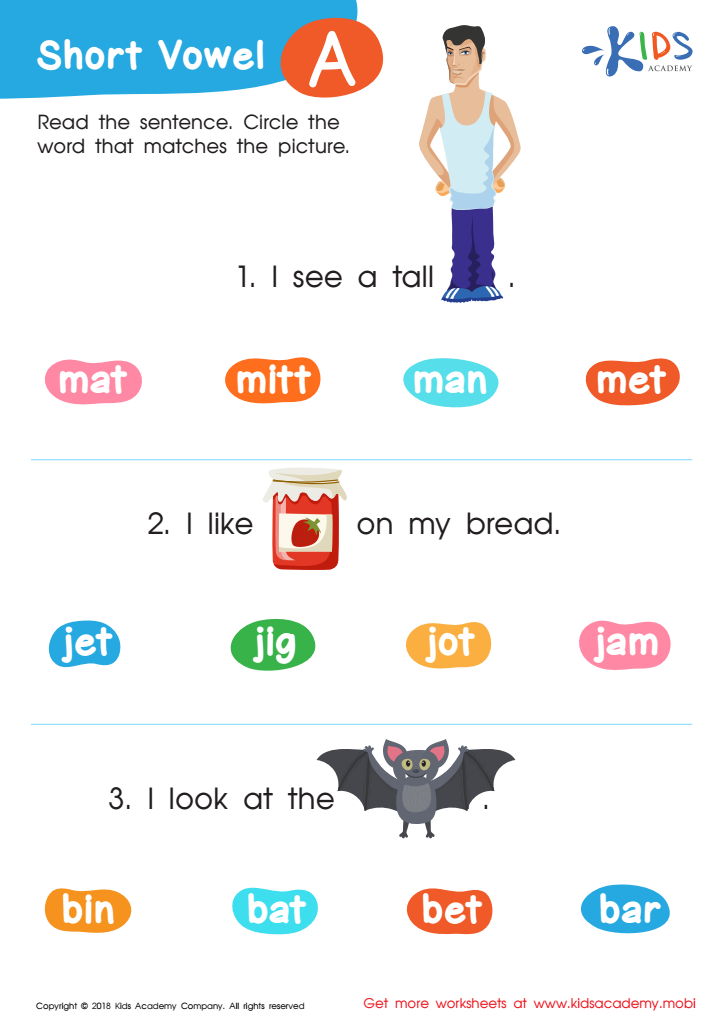
Short Vowel /a/ Worksheet




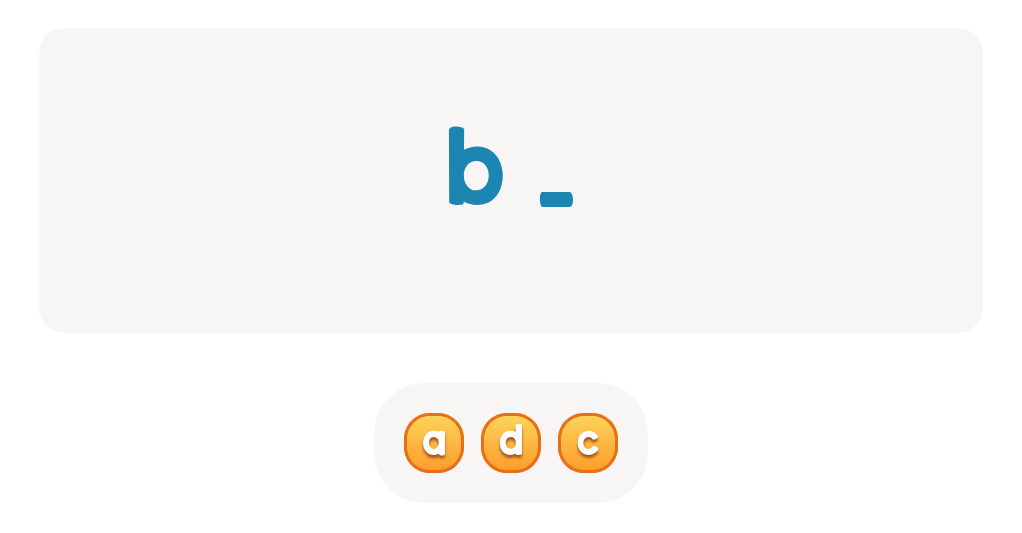

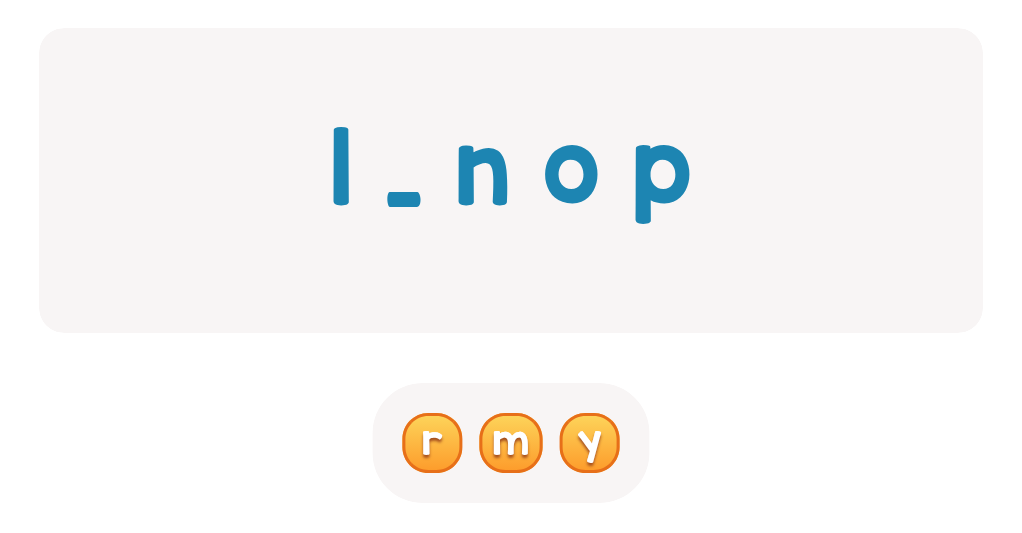


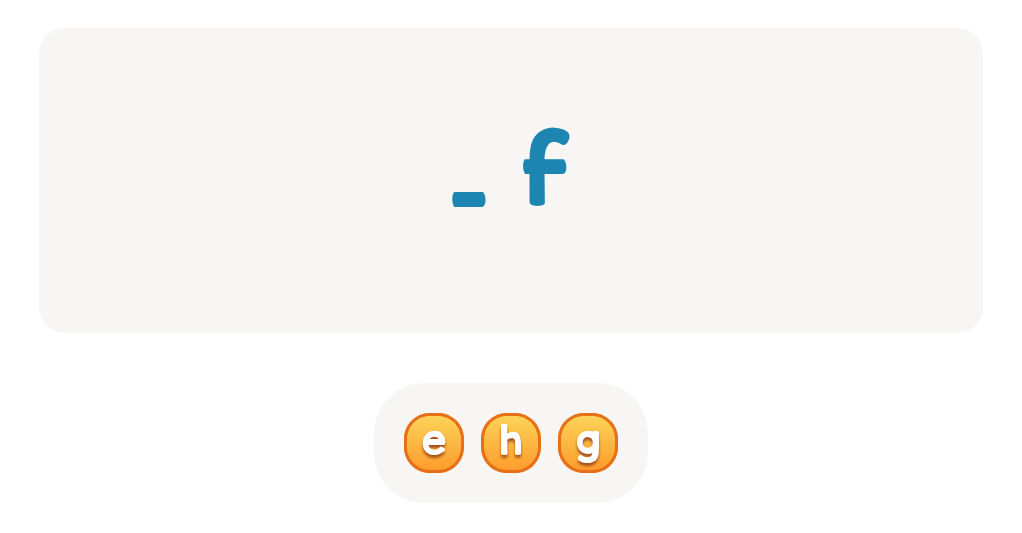

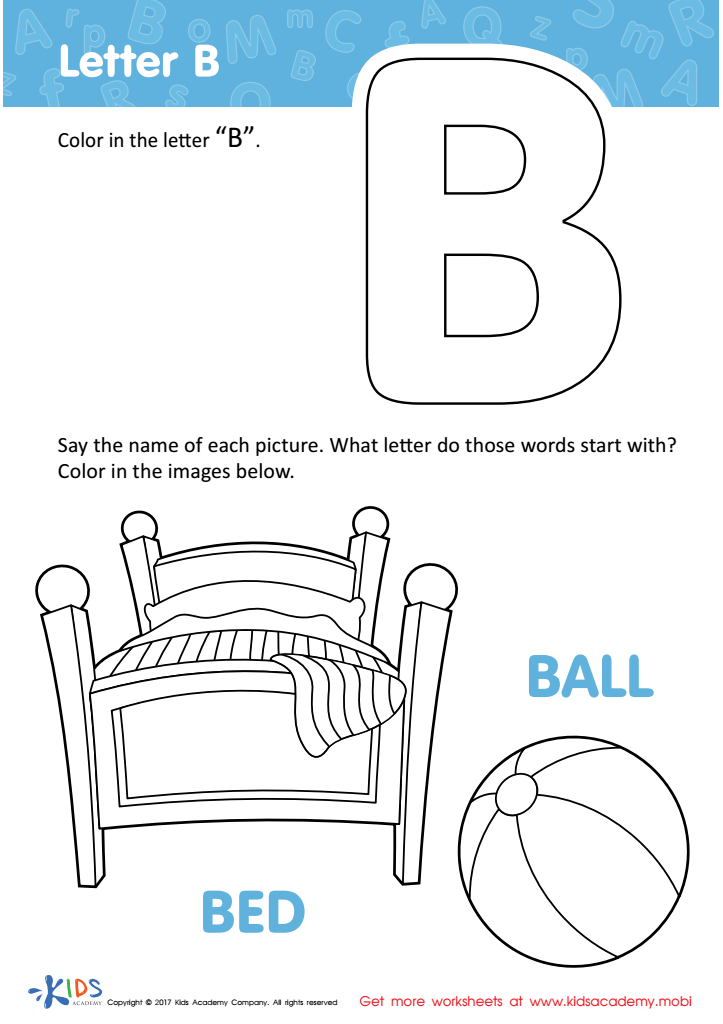
Letter B Coloring Sheet
 Assign to My Students
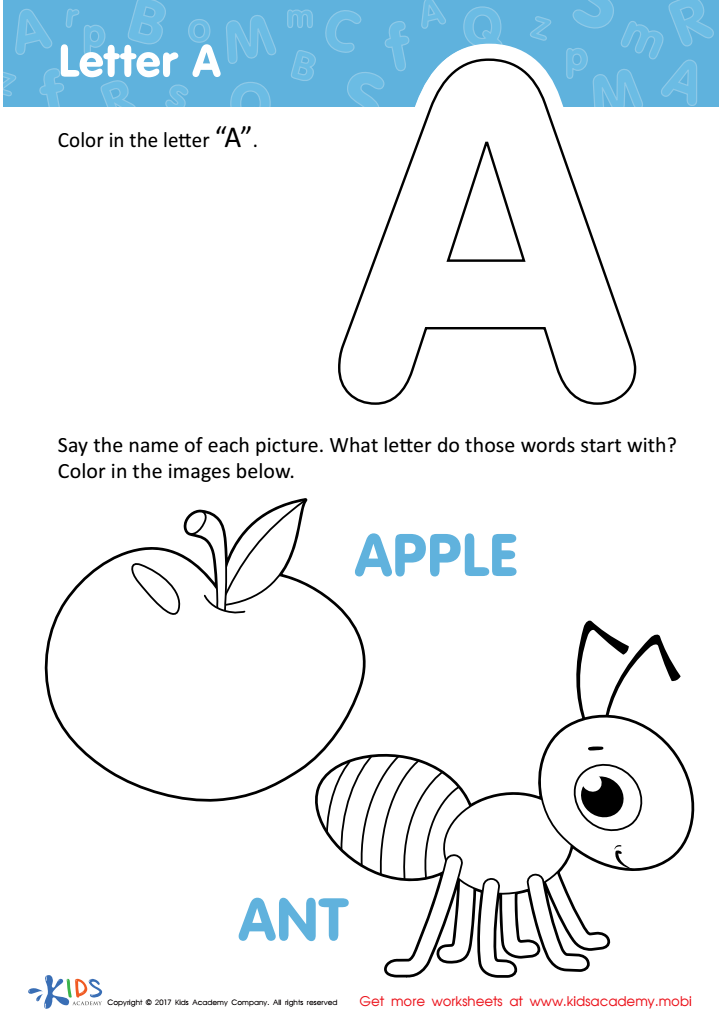
Letter A Coloring Sheet
Assign to My Students

Letter H Tracing Page
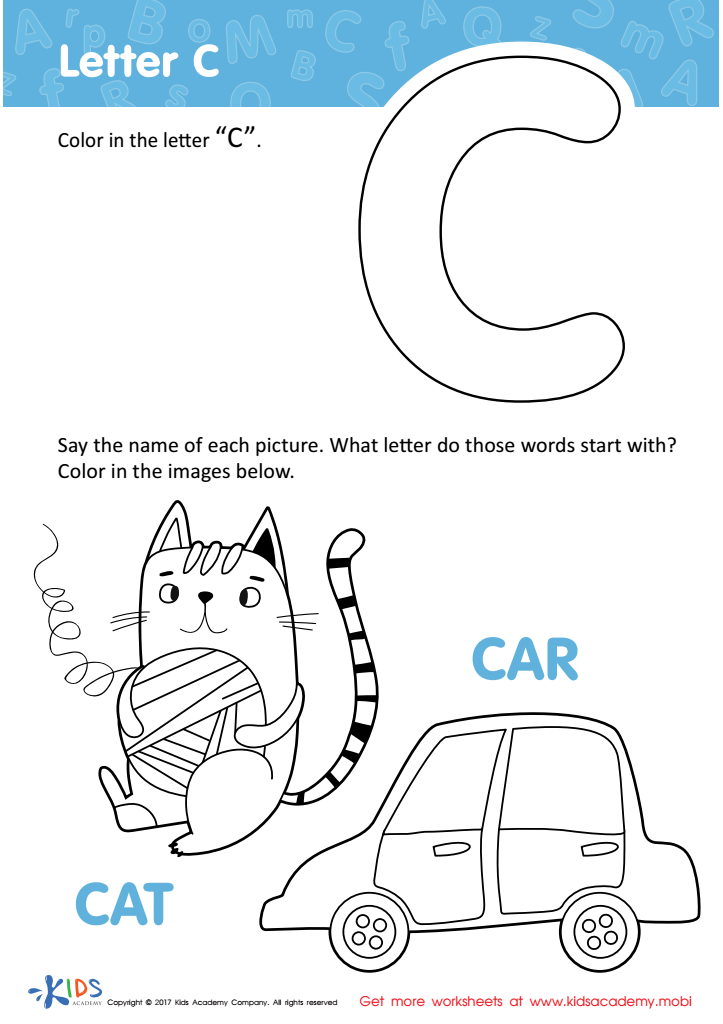
Letter C Coloring Sheet
Assign to My Students
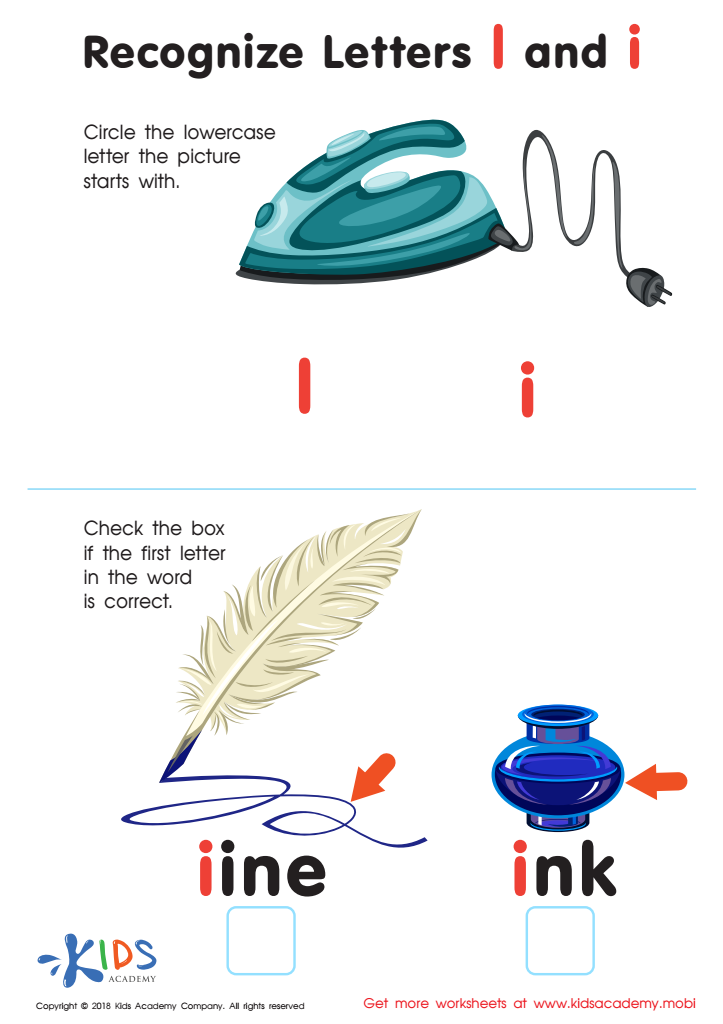
Recognize Letters l and i Worksheet







Writing practice of normal ABC letters for ages 3-9 is crucial as it builds a foundation for literacy, self-expression, and learning. At this developmental stage, children are developing fine motor skills, and practicing writing the alphabet helps strengthen hand muscles and hand-eye coordination. This foundational skill is essential not only for writing but for other tasks like using utensils, tying shoes, and other day-to-day activities.
Moreover, familiarity with the alphabet sets the stage for reading and spelling. Being able to recognize and write letters fluently aids in their understanding of language and how it works. This, in turn, fosters cognitive development as children learn to form words and sentences, enhancing their communication skills.
Engaging in writing practice also boosts children's confidence. Achieving the ability to write gives them a sense of accomplishment, making them more ready and eager to engage in other learning activities. It encourages creativity and independence, as they’ll be more capable of recording their thoughts and stories.
Finally, regular writing practice establishes academic discipline and can improve focus and patience. These qualities will benefit children not just in reading and language arts but across all subjects, setting them up for overall academic success.







