Handwriting practice Normal Alphabet Worksheets for Ages 3-9 - Page 2
37 filtered results
-
From - To
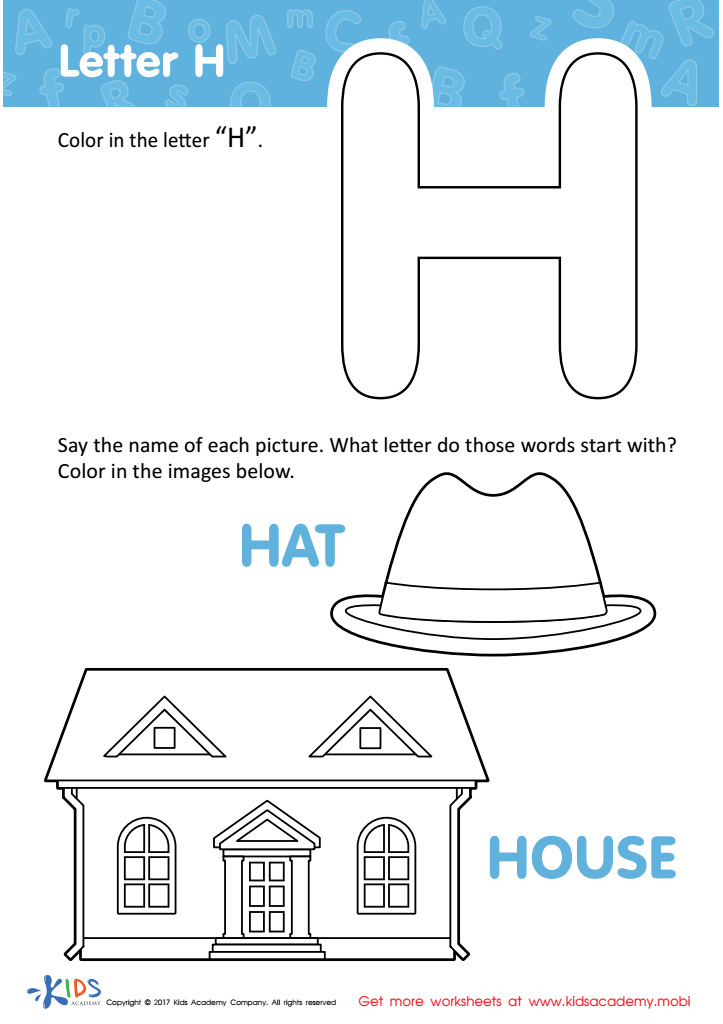
Letter H Coloring Sheet
 Assign to My Students
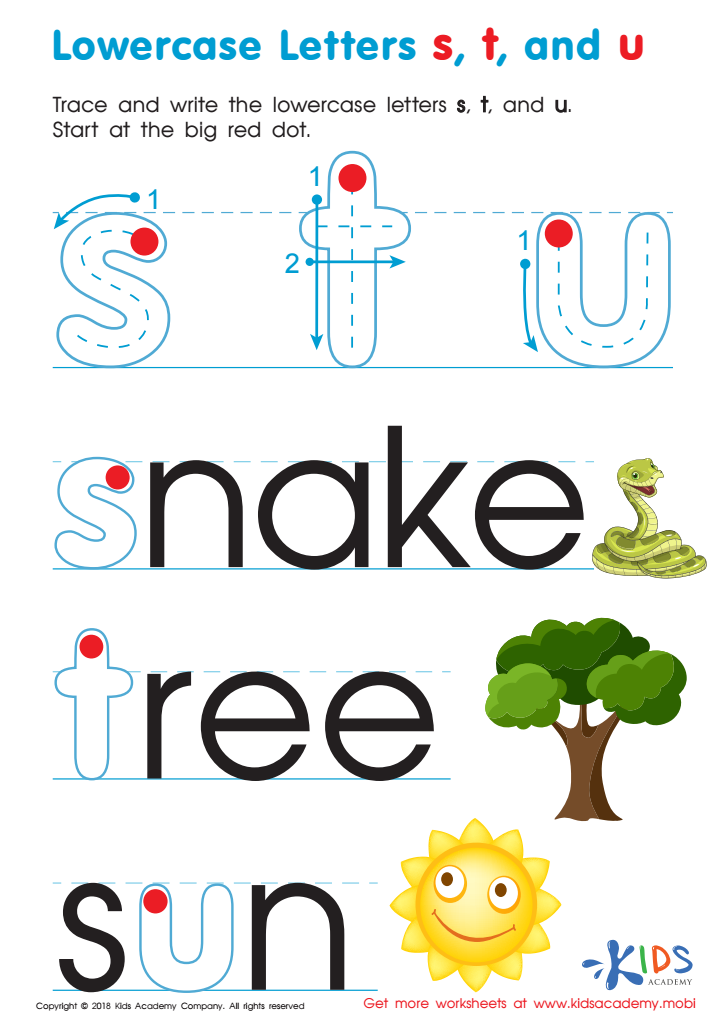
Lowercase Letters s t u Worksheet
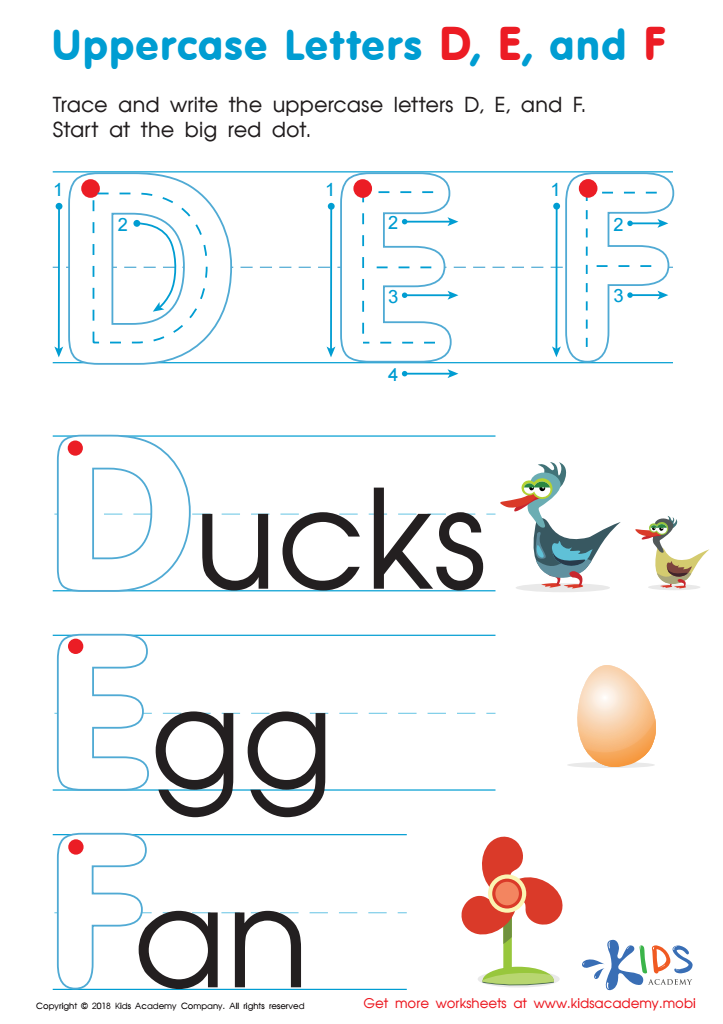
Uppercase Letters D, E, and F Worksheet
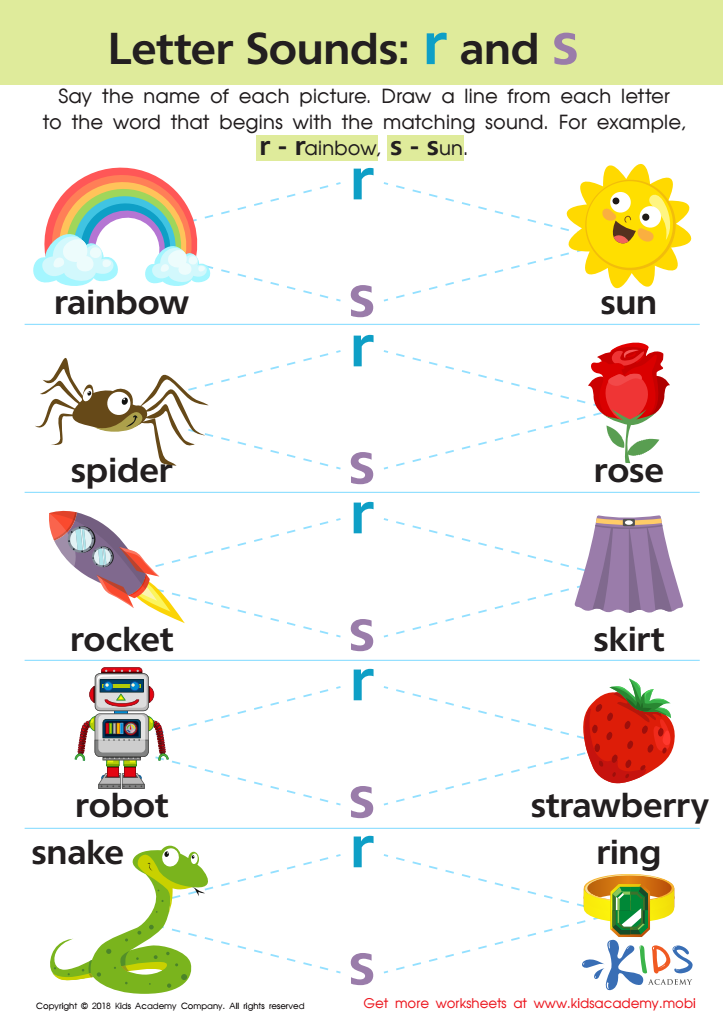
Letter R and S Sounds Worksheet
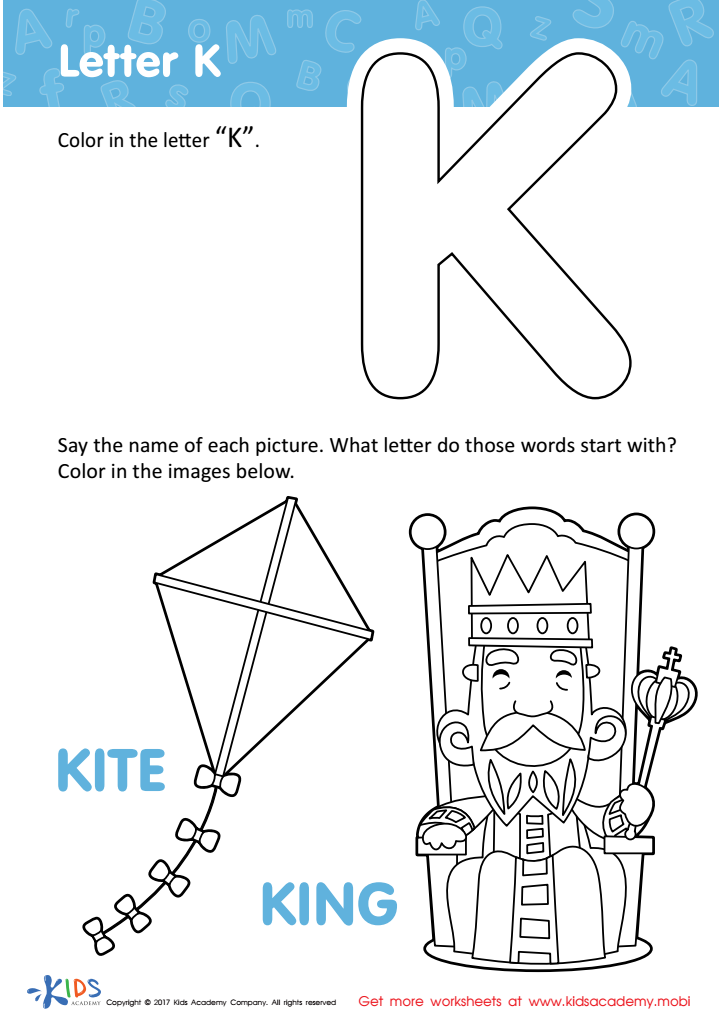
Letter K Coloring Sheet
Assign to My Students

Uppercase Letters Y Z Worksheet
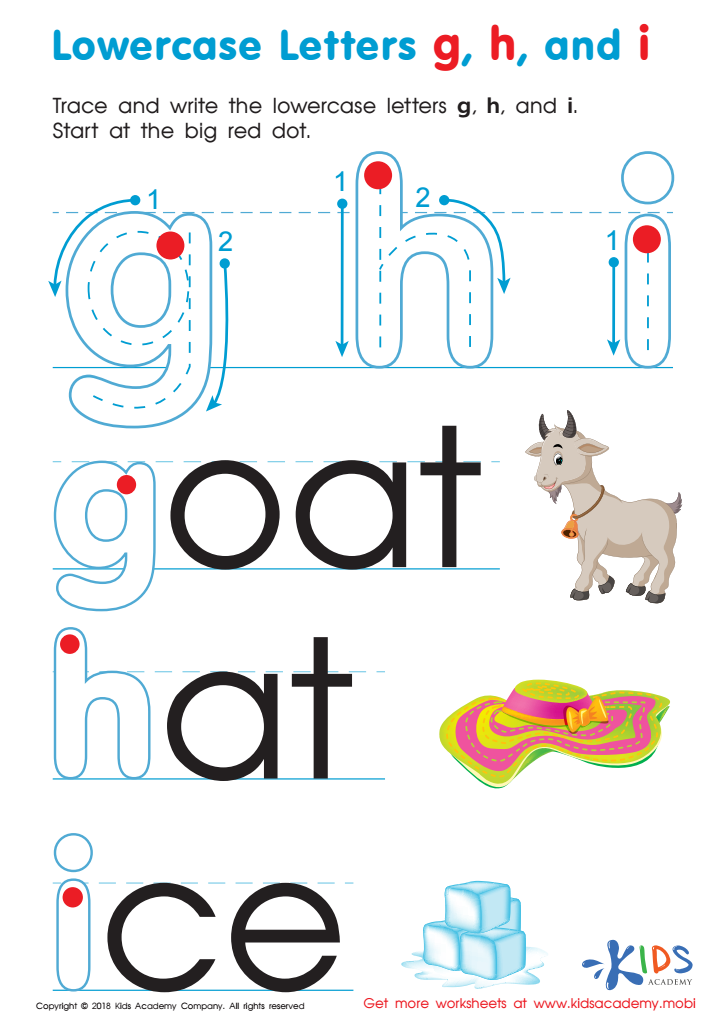
Lowercase Letters g h i Worksheet
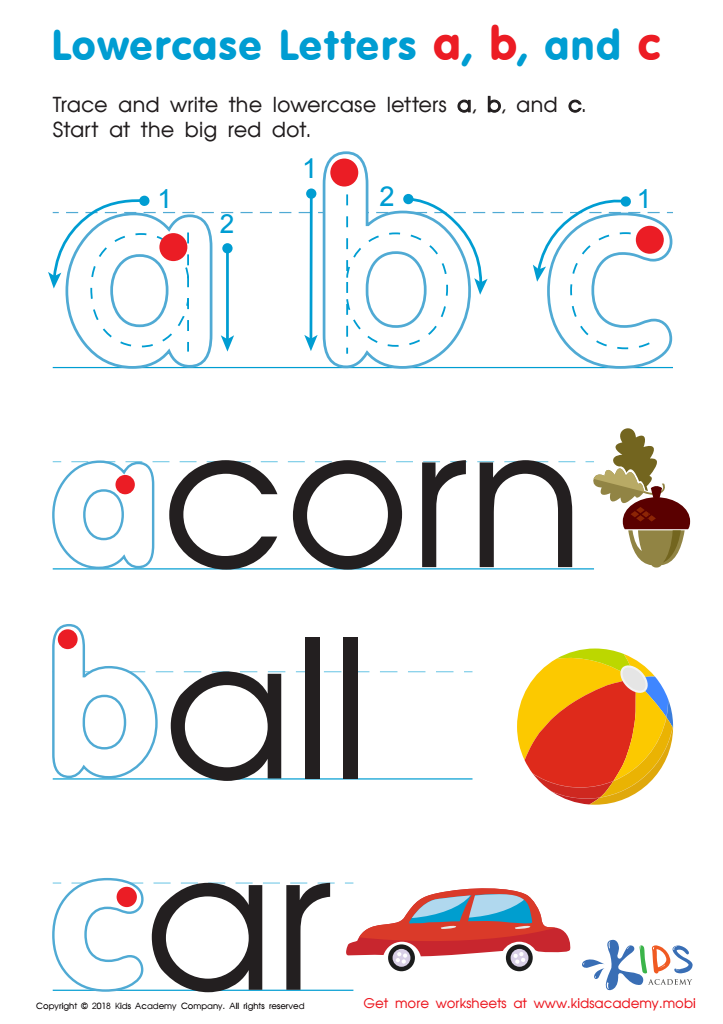
Lowercase Letters a b c Worksheet
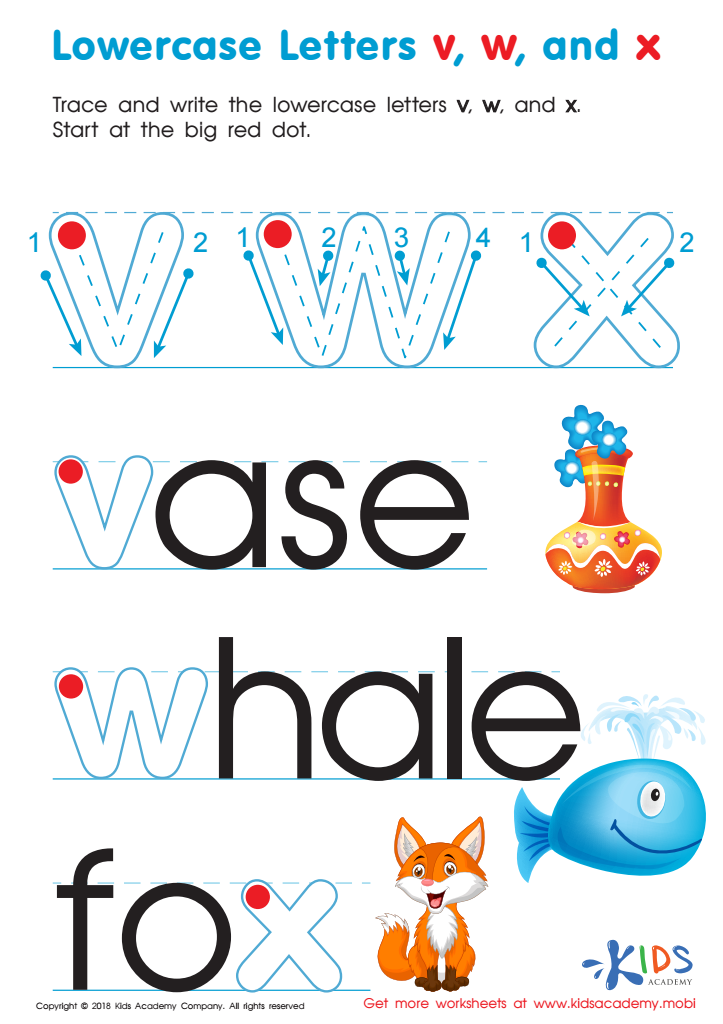
Lowercase Letters v w x Worksheet

Letter N Coloring Sheet
Assign to My Students
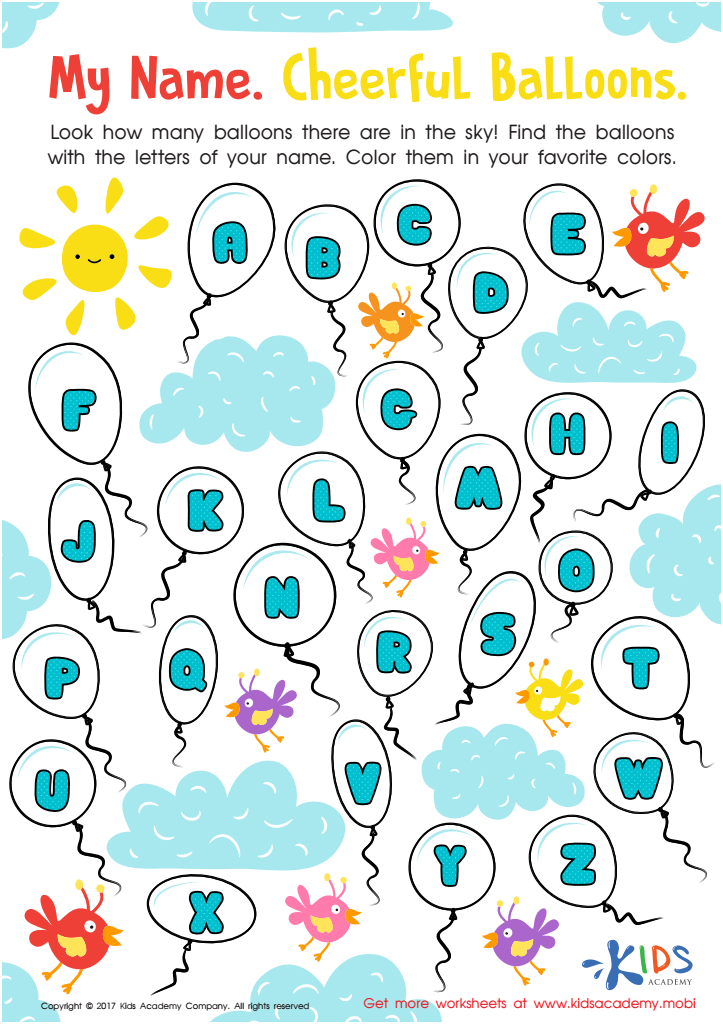
My Name: Cheerful Balloons Worksheet
Assign to My Students
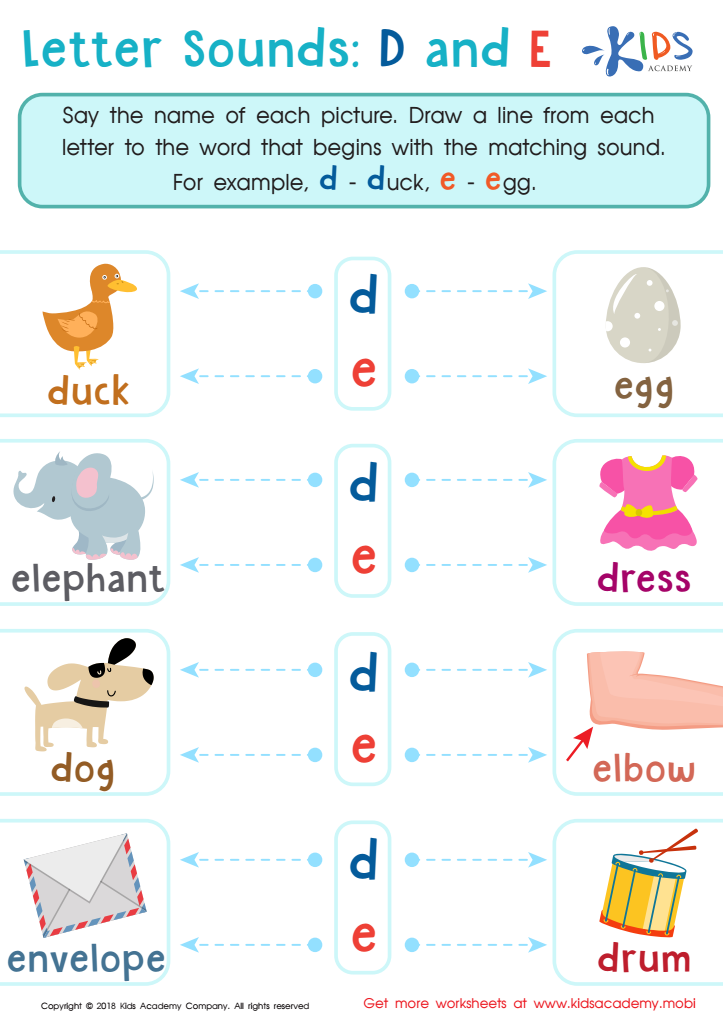
Letter D and E Sounds Worksheet
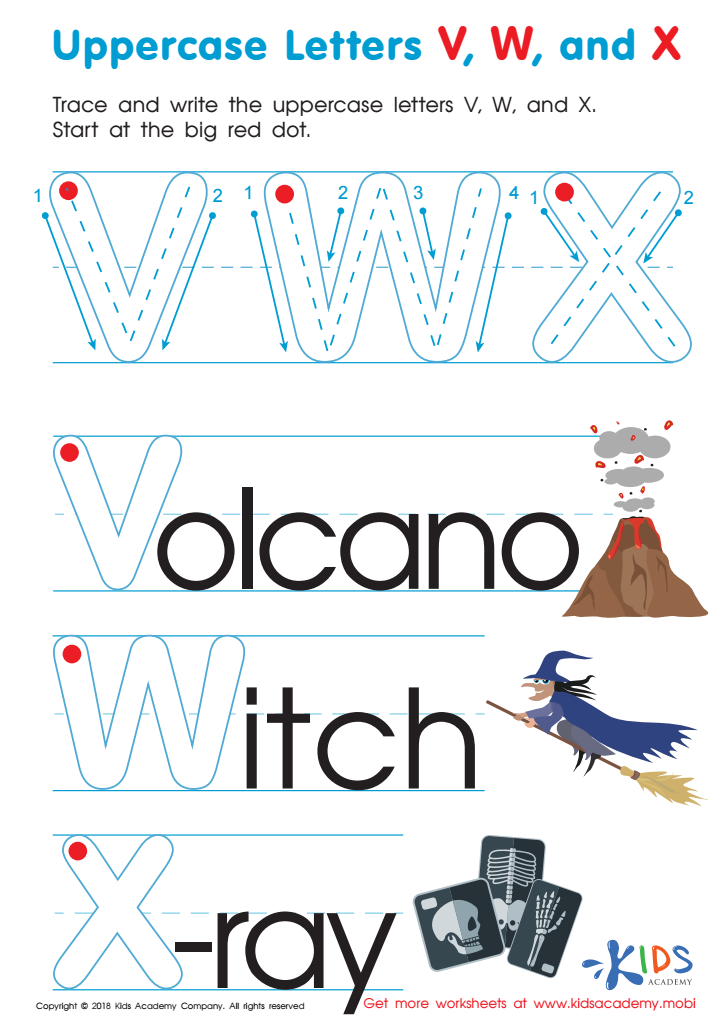
Uppercase Letters V, W, and X Worksheet






Handwriting practice is crucial for children aged 3 to 9 for several reasons that significantly impact their educational development. Firstly, developing fine motor skills is essential during this age, and writing can enhance hand-eye coordination and dexterity. As children learn to form letters, they strengthen the small muscles in their hands, which is vital for various daily tasks beyond writing.
Additionally, handwriting is linked to cognitive development. Research suggests that writing by hand aids memory retention and the understanding of letter shapes and sounds, which are foundational for reading skills. Regular handwriting practice also fosters creativity; as children express their thoughts on paper, they develop their unique voice and learn to communicate effectively.
Moreover, good handwriting instills a sense of pride and accomplishment in children. It builds confidence as they see their writing improve over time. For parents and teachers, supporting handwriting practice can lead to better academic performance and less frustration with written assignments.
Ultimately, investing in handwriting skills ensures children are not only equipped for literacy success but also prepared for future educational endeavors, reinforcing the idea that every stroke contributes to their overall growth and learning journey.







