Motor skills development Normal Alphabet Worksheets for Ages 3-9
3 filtered results
-
From - To
Looking to enhance your child's motor skills while learning the alphabet? Our "Motor Skills Development Normal Alphabet Worksheets for Ages 3-9" are the perfect solution! Engaging and educational, these worksheets help young learners improve hand-eye coordination, fine motor skills, and letter recognition. Suitable for children aged 3-9, they're designed to be interactive and fun, featuring tracing, coloring, and drawing exercises that keep kids focused and motivated. Crafted by education experts, these worksheets support both early learners and more advanced students in developing essential foundational skills. Start your child's alphabet journey with our expertly designed worksheets today!

Letter H Tracing Page
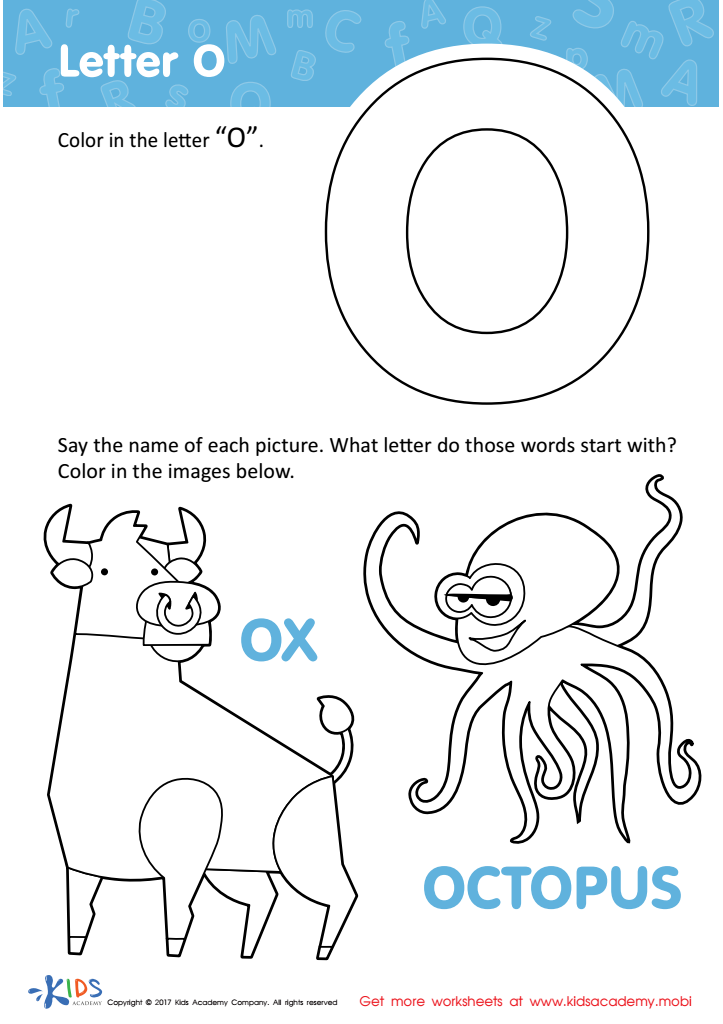
Letter O Coloring Sheet
 Assign to My Students
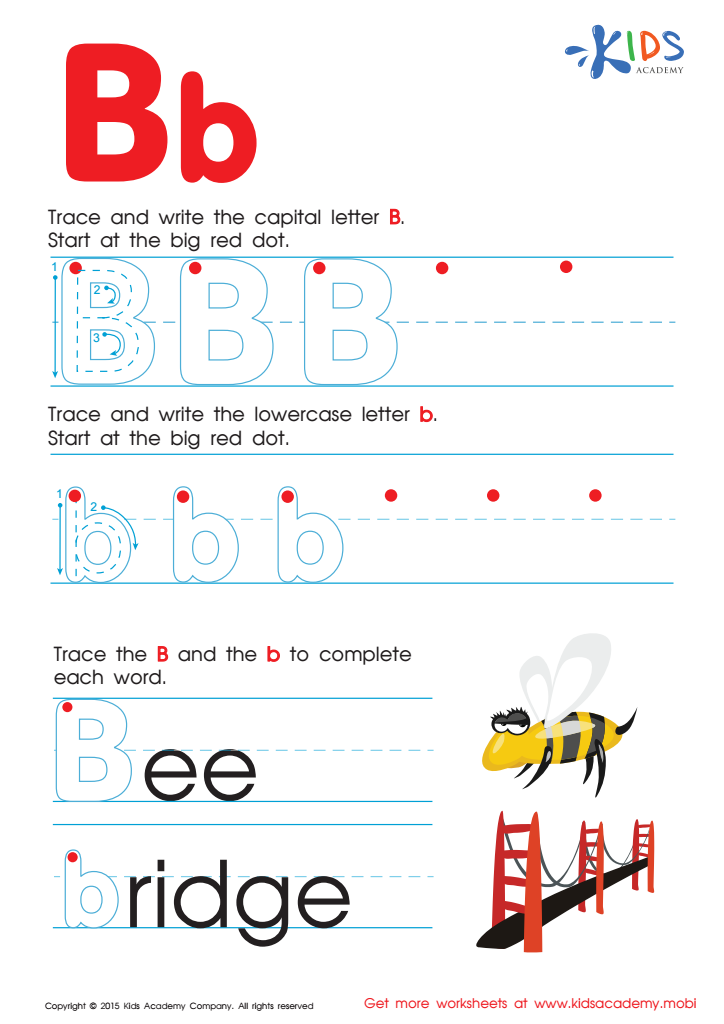
Letter B Tracing Page




.jpg)

Motor skills development is crucial for children ages 3-9 as it lays the foundation for their overall growth, academic achievement, and everyday functioning. Motor skills encompass both fine motor skills like handwriting, cutting with scissors, and fine hand movements, and gross motor skills like running, jumping, and coordinating large body movements.
For parents and teachers, fostering motor skills development is essential for several reasons:
-
Academic Success: Fine motor skills are directly linked to academic performance. Proficiency in tasks like handwriting, which is fundamental for literacy and math, requires well-developed motor control. Children who struggle with these skills may find it difficult to keep up academically.
-
Confidence and Self-Esteem: Mastering motor skills boosts a child's confidence. Participating in playground activities, sports, or craft projects provides a sense of accomplishment and builds self-esteem.
-
Independence: Basic activities such as dressing, tying shoes, and feeding themselves depend on motor skills. Enhancing these abilities fosters a child's independence.
-
Social Interaction: Many social activities involve physical coordination. Proficiency in motor skills allows children to join in games and sports, promoting social inclusion.
Ignoring motor skills development can lead to academic struggles, reduced self-esteem, and social isolation. Therefore, a proactive approach by parents and teachers in nurturing these skills is fundamental for wholesome child development. Engaging children in age-appropriate motor activities can significantly enhance their overall growth and readiness for future challenges.







