
Pre-writing skills Normal Alphabet Worksheets for Ages 3-9
4 filtered results
Difficulty Level
Grade
Age
-
From - To
Subject
Activity
Standards
Introducing our "Pre-Writing Skills Normal Alphabet Worksheets for Ages 3-9," specially designed to develop foundational handwriting skills in young learners. These fun, engaging worksheets help children enhance fine motor abilities, letter recognition, and pencil control through exciting activities tailored for kids aged 3 to 9. Each worksheet offers ample practice with tracing, patterns, and shapes to ensure kids smoothly transition to writing alphabet letters confidently. Perfect for at-home learning or classroom exercises, these printables align with preschool and early grade curriculum standards. Start your child's educational journey with our expert-crafted pre-writing tools and foster early literacy success today!
Favorites
With answer key
Interactive
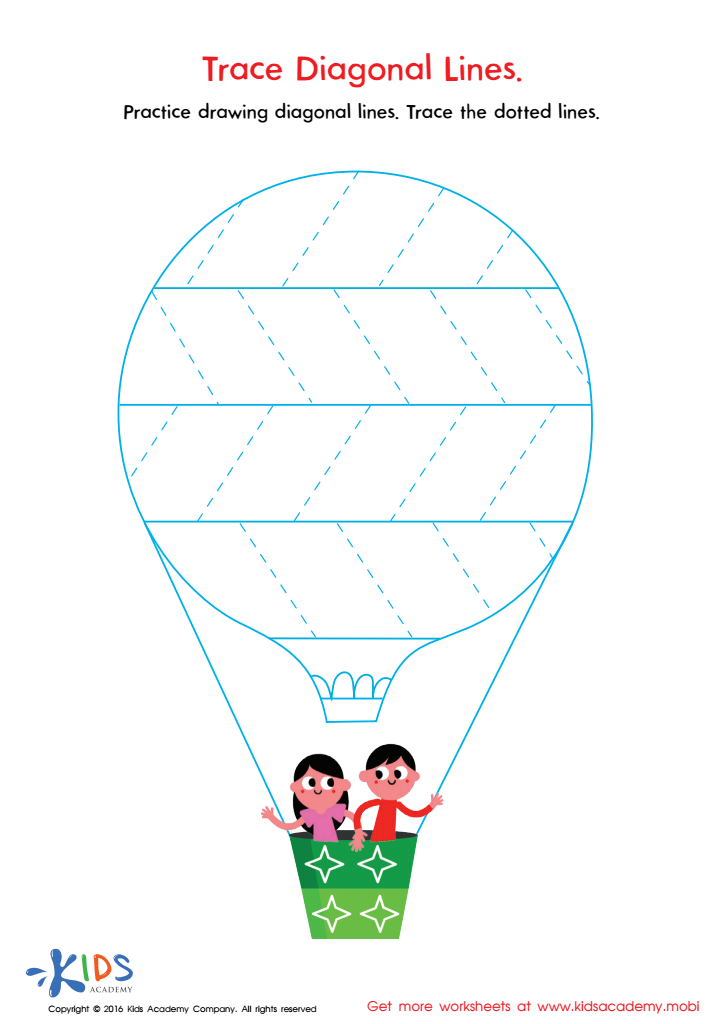
Trace Diagonal Lines Worksheet
This tracing diagonal lines worksheet offers preschoolers a great way to build fundamental skills in handwriting and drawing. Doing so helps them practice patterning, a key skill that will benefit them in writing, drawing, and math.
 Assign to My Students
Trace Diagonal Lines Worksheet
Worksheet
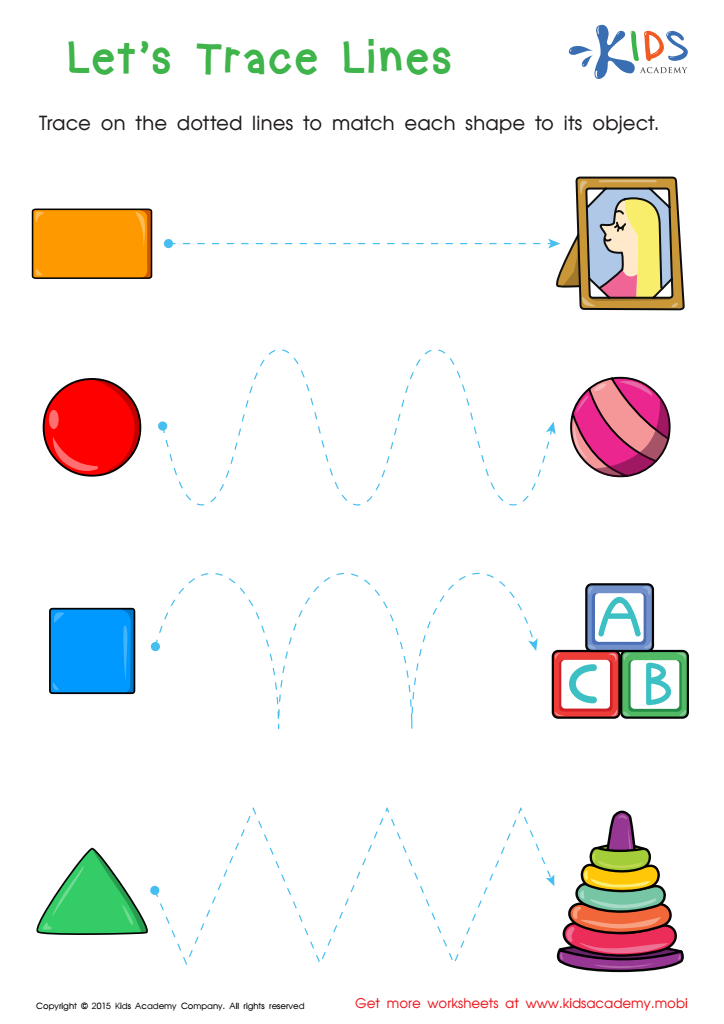
First Words: Let's Trace Lines Worksheet
Printable tracing lines for toddlers will provide your little one with the skills needed for future handwriting success. Proper grip, fine motor skills, and hand-to-eye coordination are key. Let's get their writing journey off to a great start!
First Words: Let's Trace Lines Worksheet
Worksheet
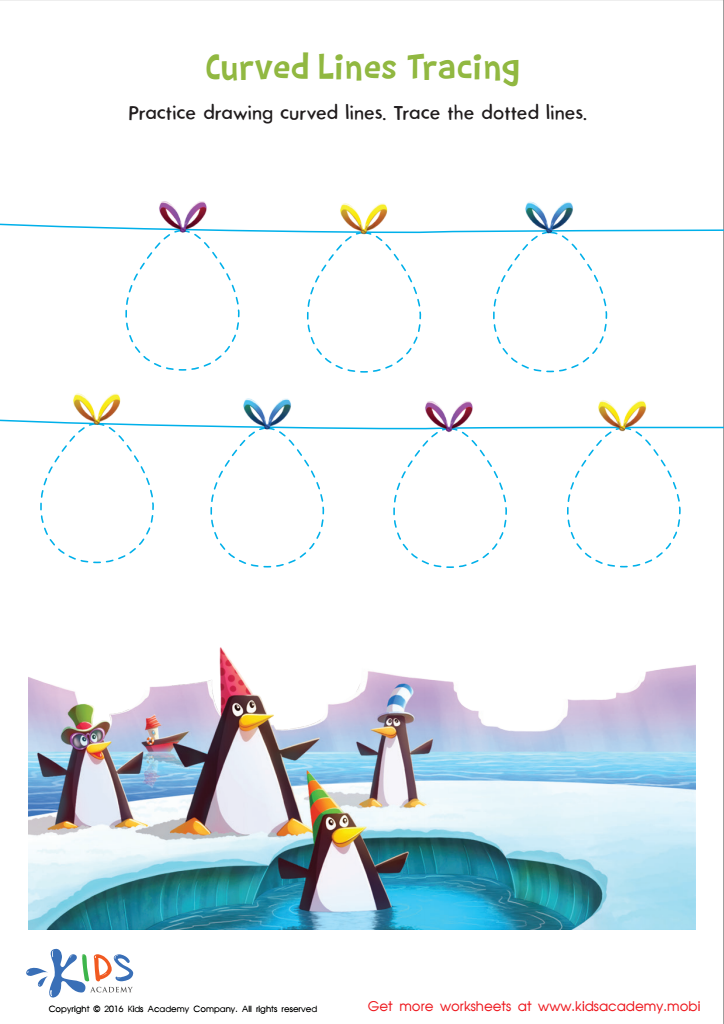
Curved Lines Tracing Worksheet
Tracing curved lines worksheets are a great way to help your child develop fine motor skills, form proper writing habits and sharpen hand-eye coordination. An adorable worksheet featuring characters from our popular app helps make practice fun! It also helps build focus, stamina and overall confidence in their writing ability. Offer your child meaningful tracing practice and give them a head start in life!
Curved Lines Tracing Worksheet
Worksheet
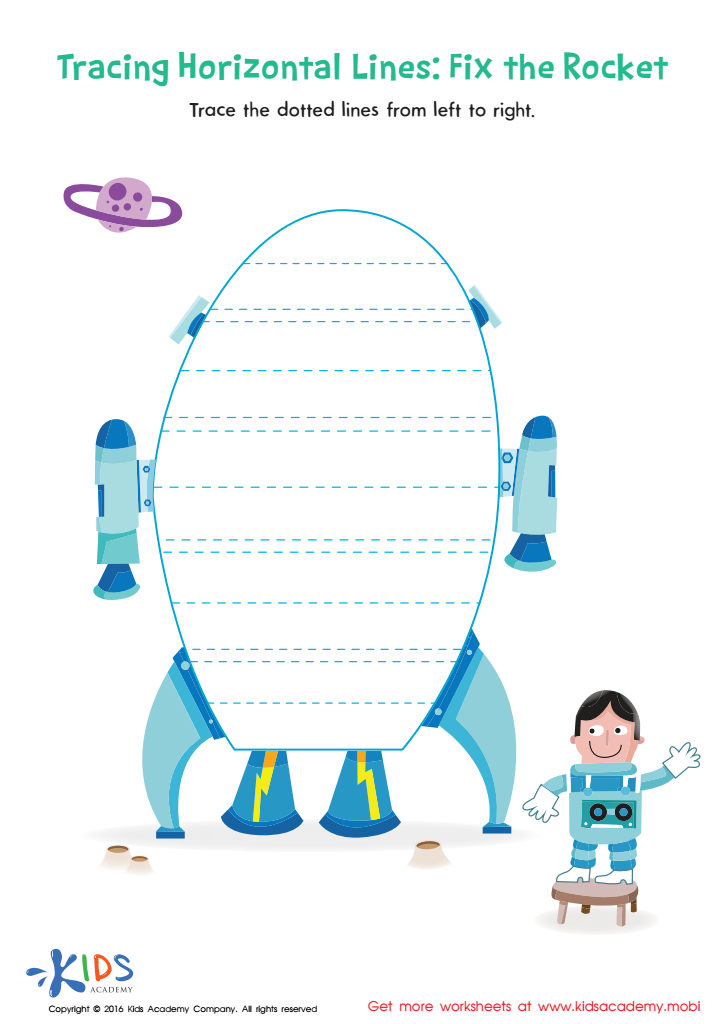
Tracing Horizontal Lines Worksheet
Your child can improve hand-to-eye coordination and pencil grip by tracing horizontal lines on this worksheet. They will have fun drawing lines on the rocket ship, tracing the dotted lines, and then coloring it in. Encourage them to keep going for even more enjoyment!
Tracing Horizontal Lines Worksheet
Worksheet
Join Kids Academy for Free
Who is primarily going to use this learning content?







Pre-writing skills and familiarity with the normal alphabet for ages 3-9 are foundational to a child’s academic development and literacy. During these formative years, children's cognitive, motor, and perceptual abilities are rapidly advancing. Mastery of pre-writing skills, which include hand grip, strokes, and letter recognition, sets the stage for fluent, legible writing. These skills also enhance fine motor control and hand-eye coordination, which are essential for various classroom tasks.
Understanding and identifying letters in the alphabet is crucial for reading readiness. It helps children recognize that letters and sounds form the basis of words, enabling them to decode and comprehend written language more effectively. Consistent exposure to the alphabet during early years builds a strong vocabulary, fosters communication skills, and boosts confidence in reading and writing tasks.
Parental and teacher involvement is vital. They provide the encouragement, resources, and structured environments needed for children to practice these skills regularly. By crafting engaging, developmentally-appropriate activities, such as tracing numbers or alphabet games that blend fun with learning, adults can make a positive impact on a child’s educational journey. Early competence in writing and knowing the alphabet not only facilitates future academic success but also ignites a lifelong love for reading and learning, setting children on a promising path.







