Alphabet Recognition Normal Letter Recognition Worksheets for Ages 3-9
30 filtered results
-
From - To
Discover our engaging Alphabet Recognition Worksheets designed specifically for children aged 3 to 9! These printable activities promote letter recognition through fun and interactive exercises tailored to enhance early literacy skills. Each worksheet focuses on normal letter recognition, helping young learners identify and recall both uppercase and lowercase letters. With vibrant visuals and varied activities, children will enjoy practicing their alphabet while building confidence in their reading abilities. Perfect for at-home learning or classroom use, our worksheets provide a comprehensive approach to mastering the alphabet. Start your child's literacy journey today with these essential resources!
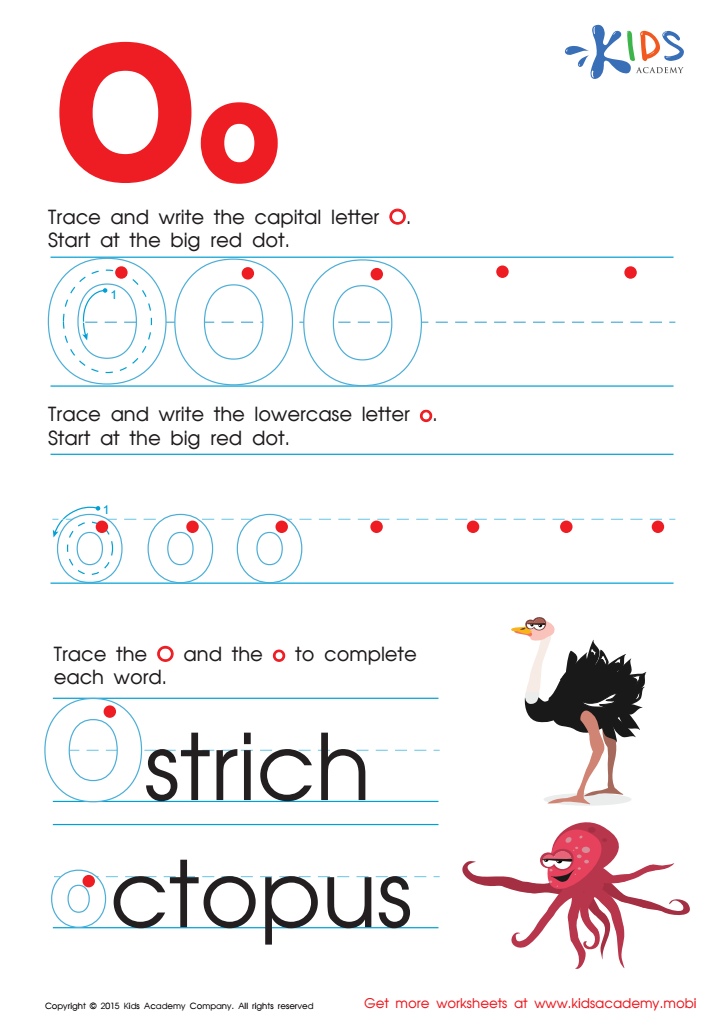
Letter O Tracing Page
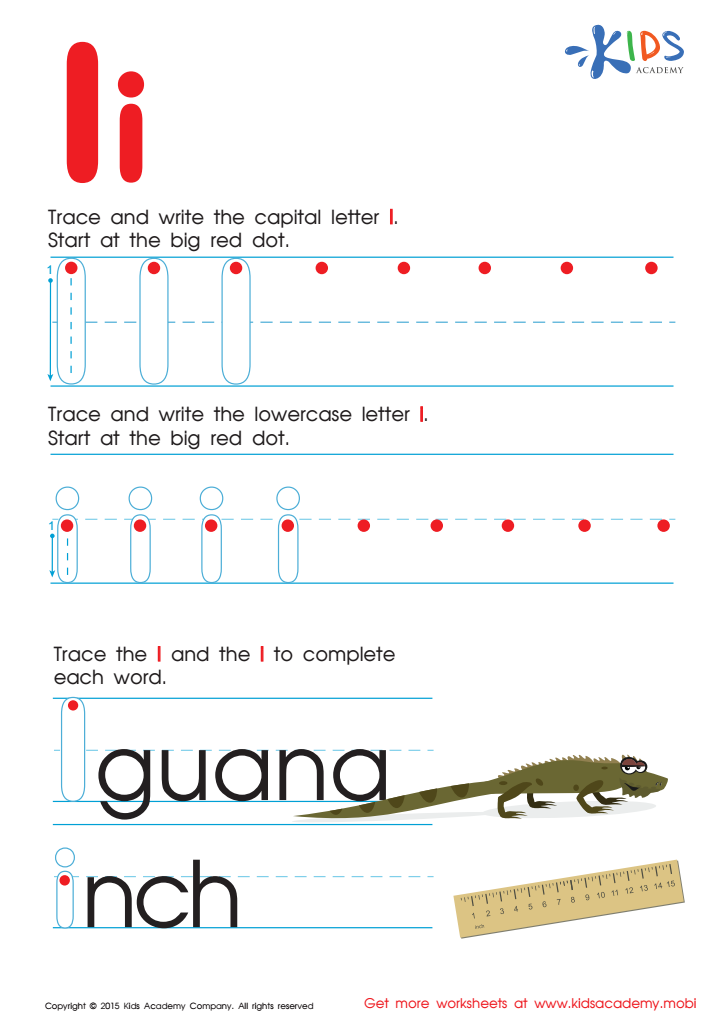
Letter I Tracing Page
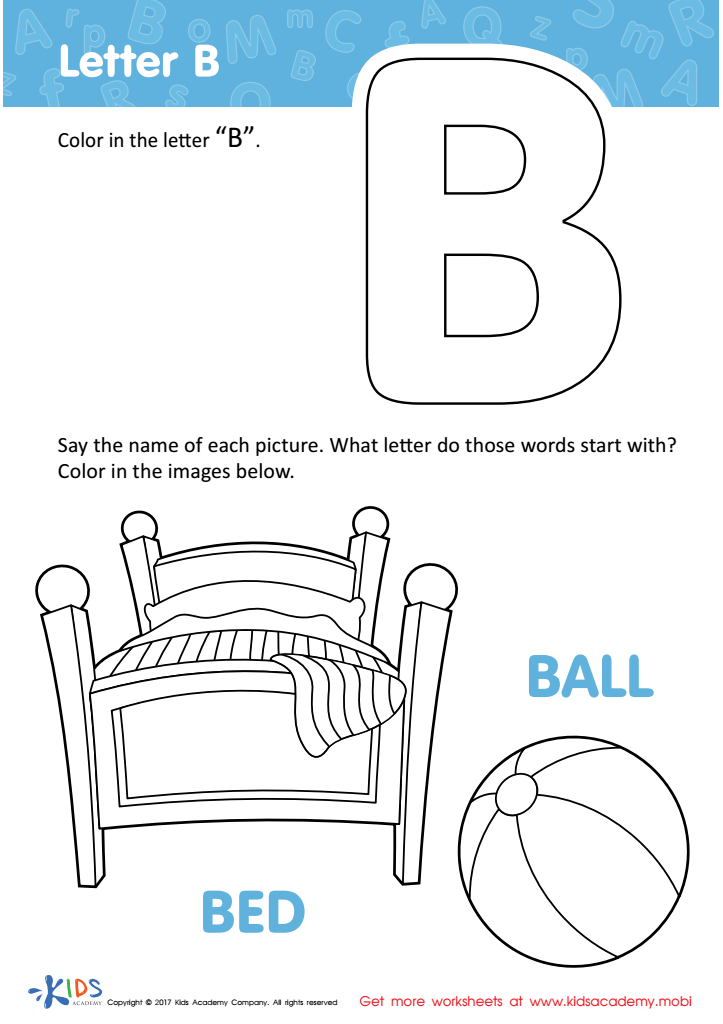
Letter B Coloring Sheet
 Assign to My Students
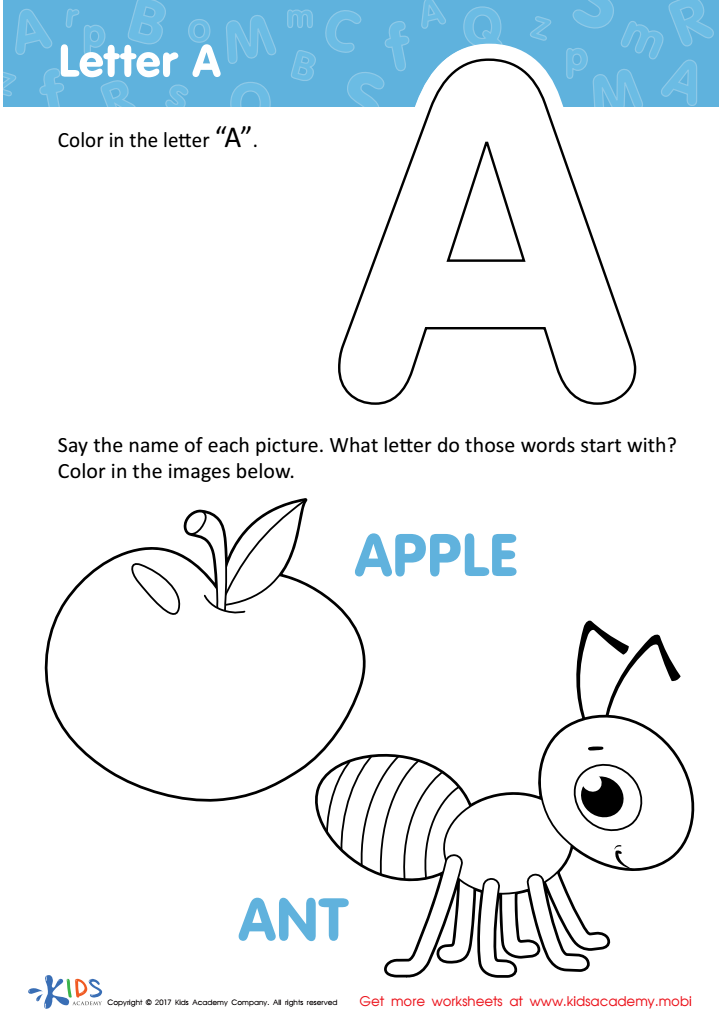
Letter A Coloring Sheet
Assign to My Students
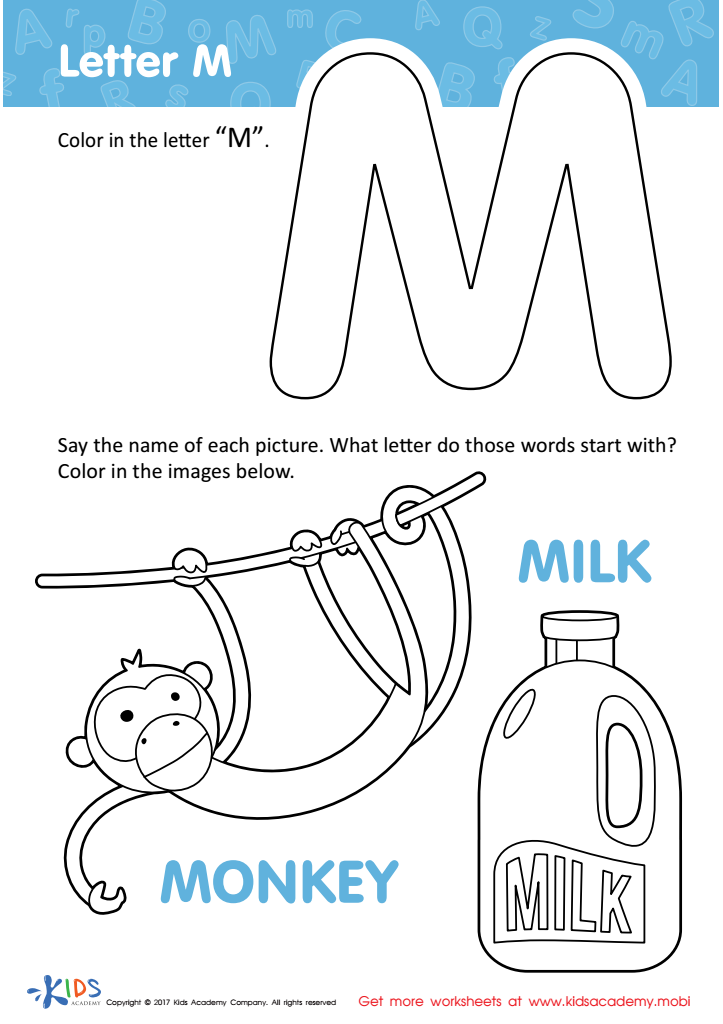
Letter M Coloring Sheet
Assign to My Students
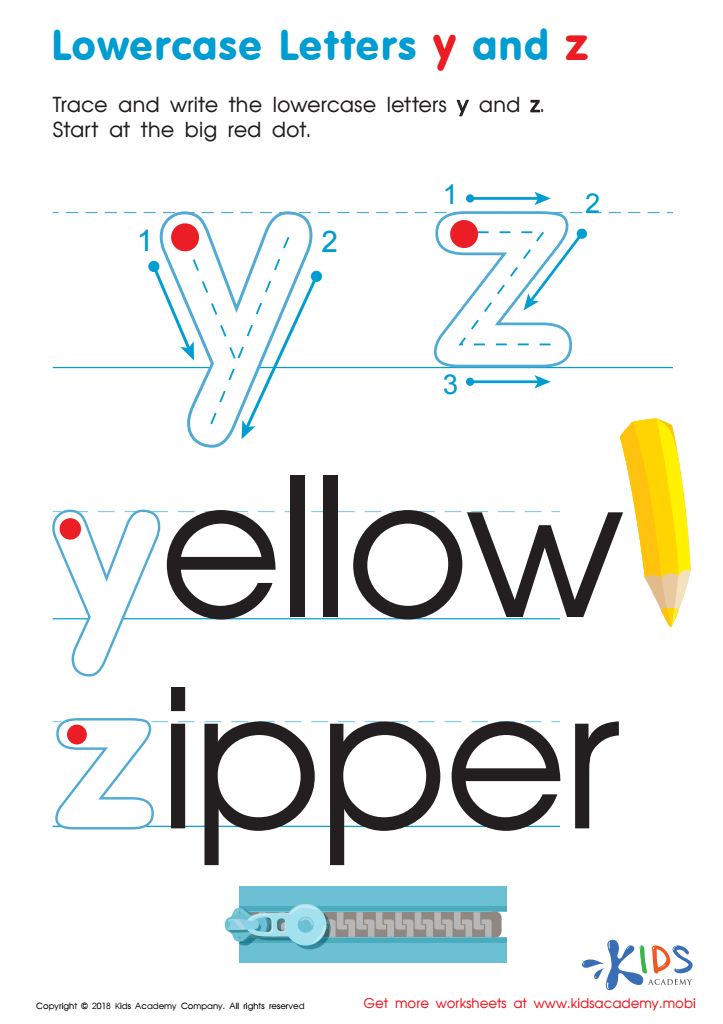
Lowercase Letters y z Worksheet
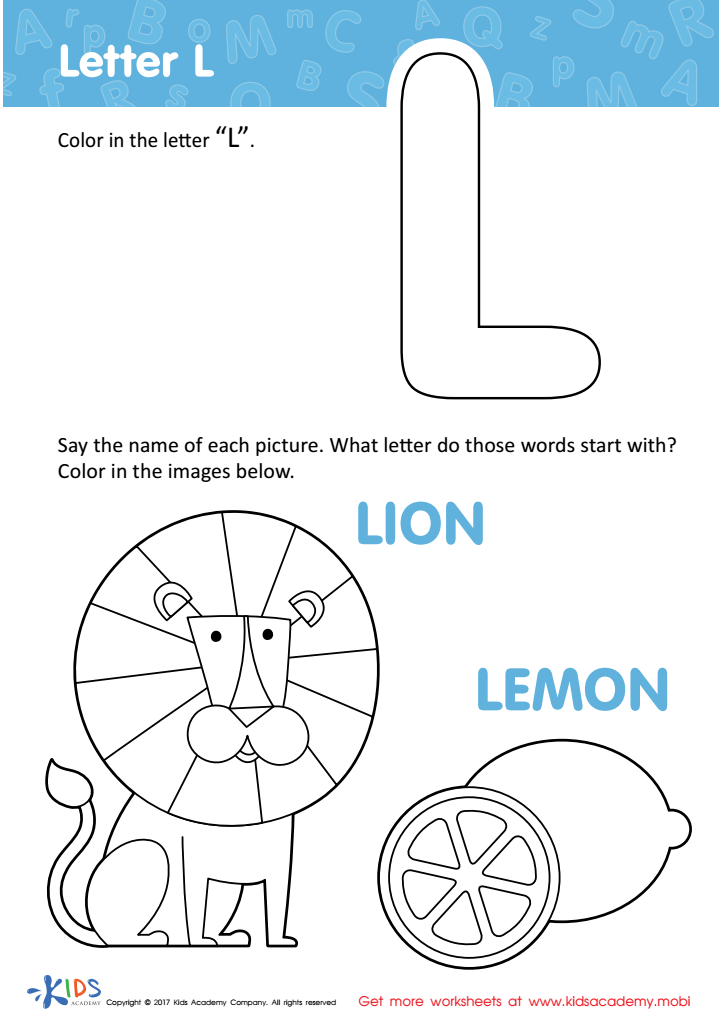
Letter L Coloring Sheet
Assign to My Students
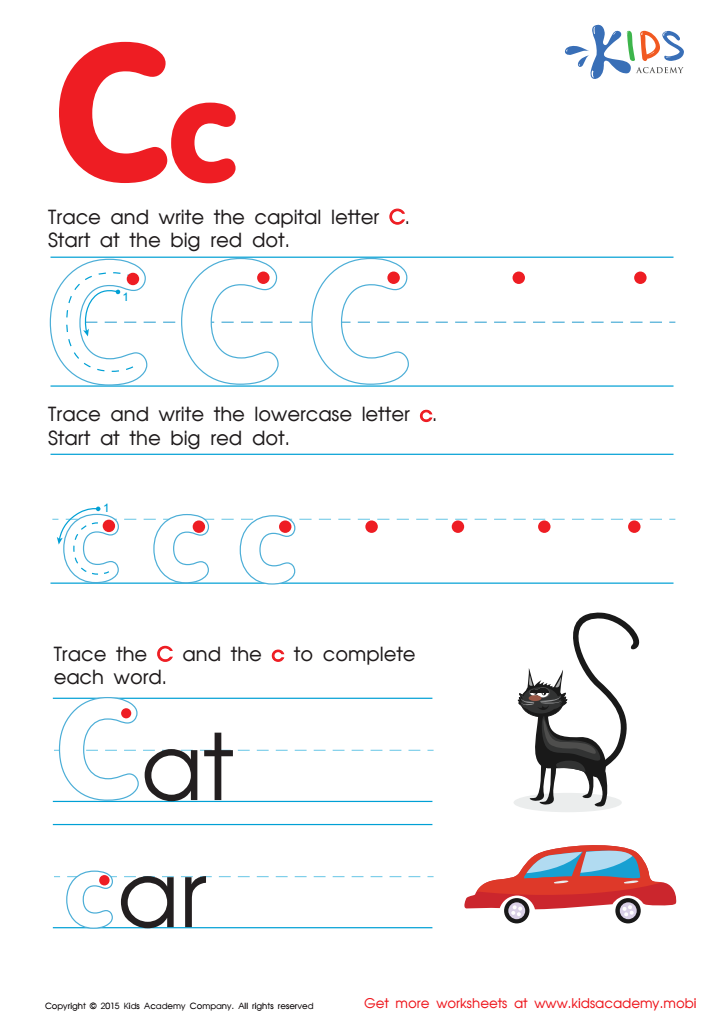
Letter C Tracing Page
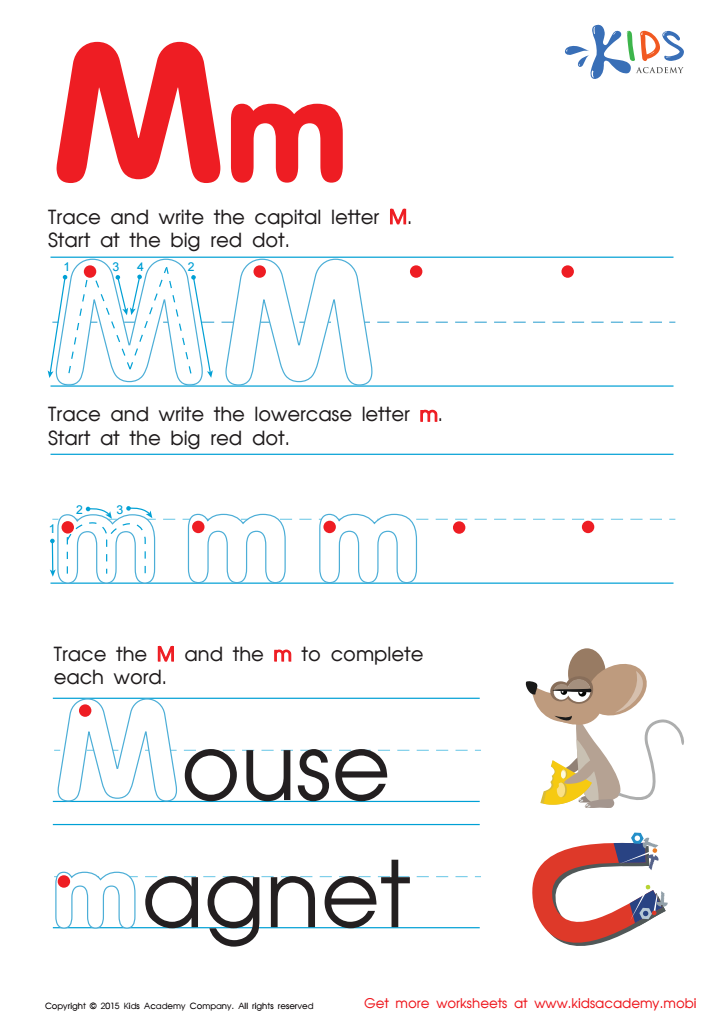
Letter M Tracing Page
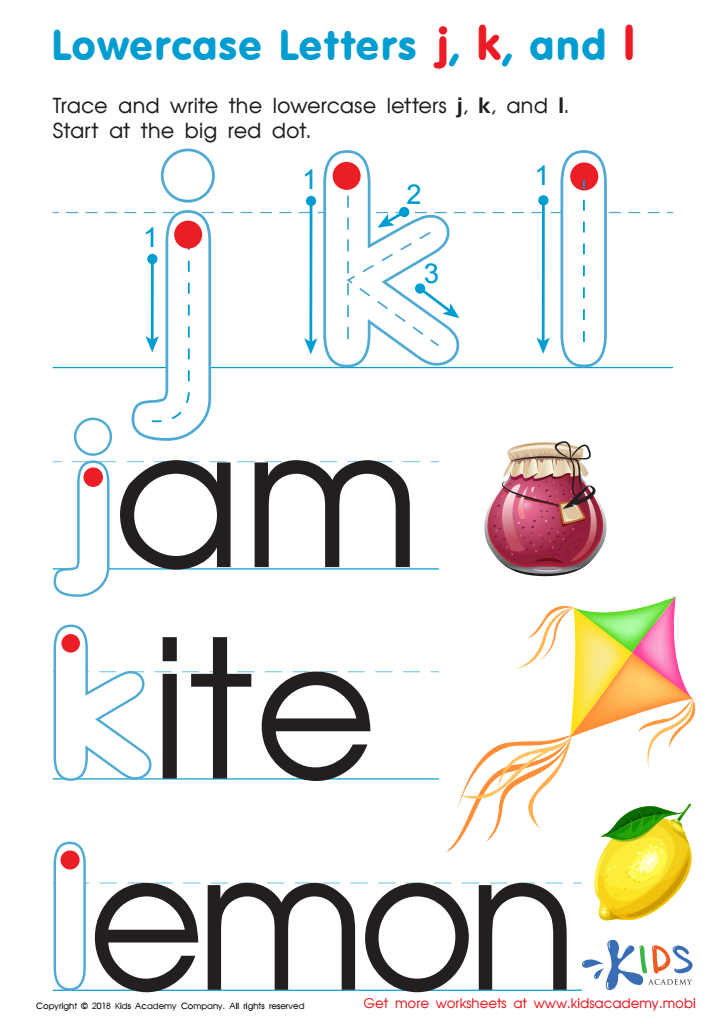
Lowercase Letters j k l Worksheet
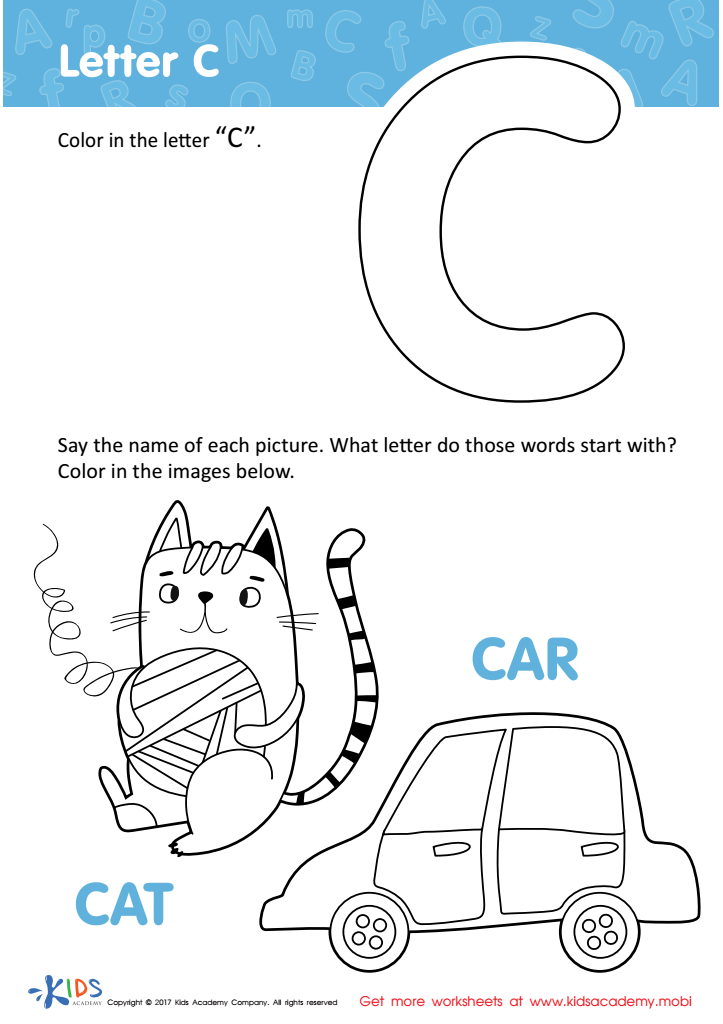
Letter C Coloring Sheet
Assign to My Students
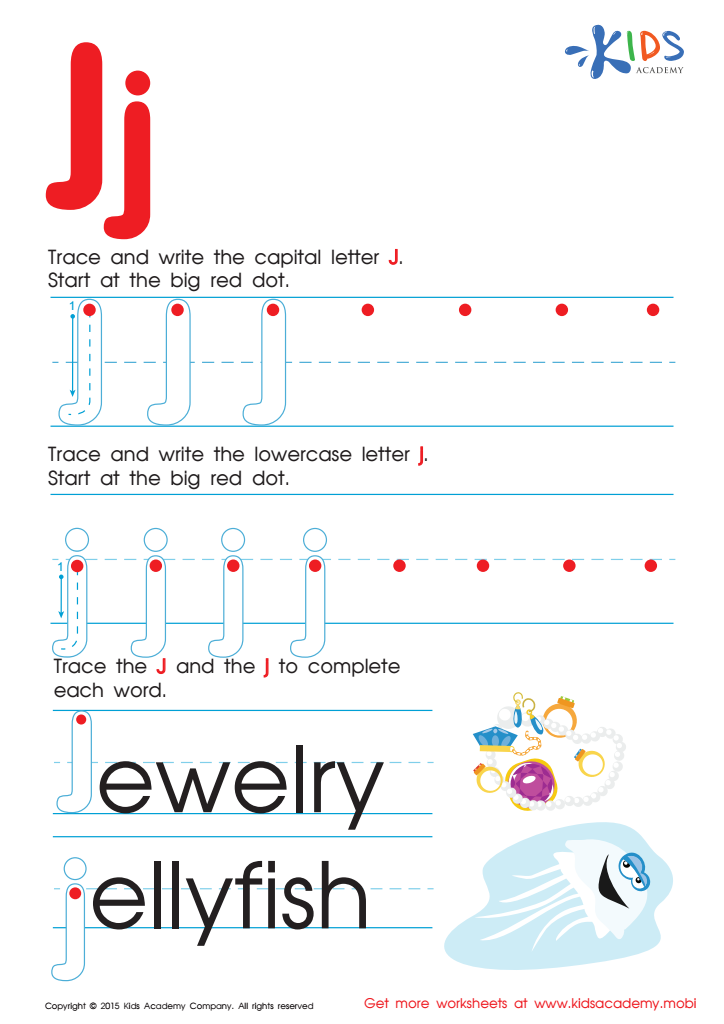
Letter J Tracing Page
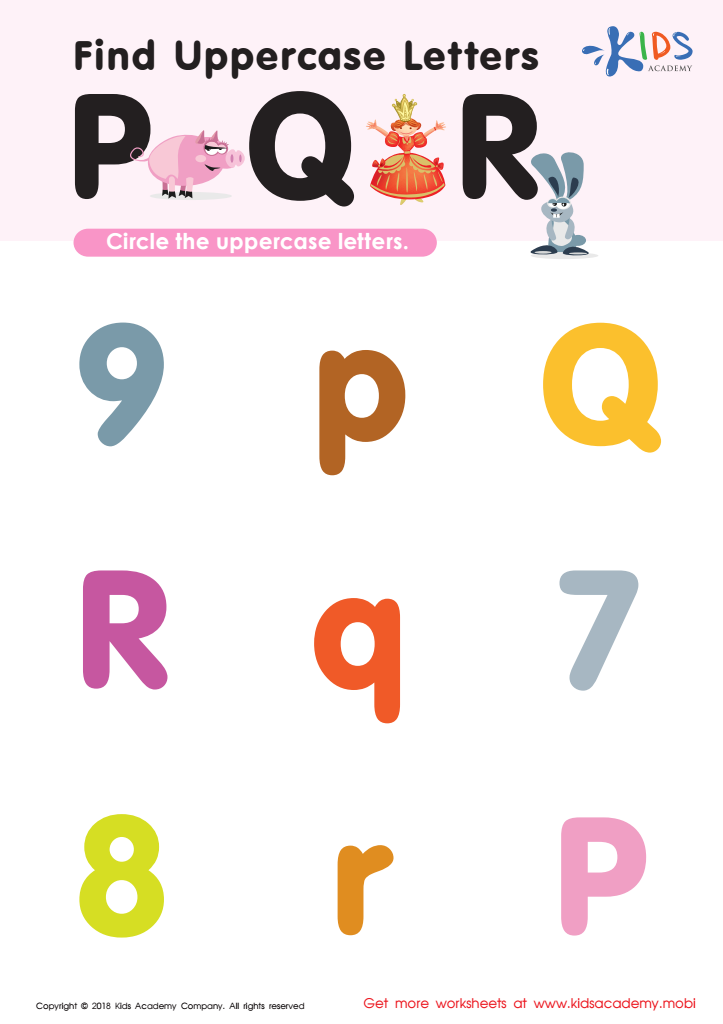
Find Uppercase Letters P, Q, and R Worksheet
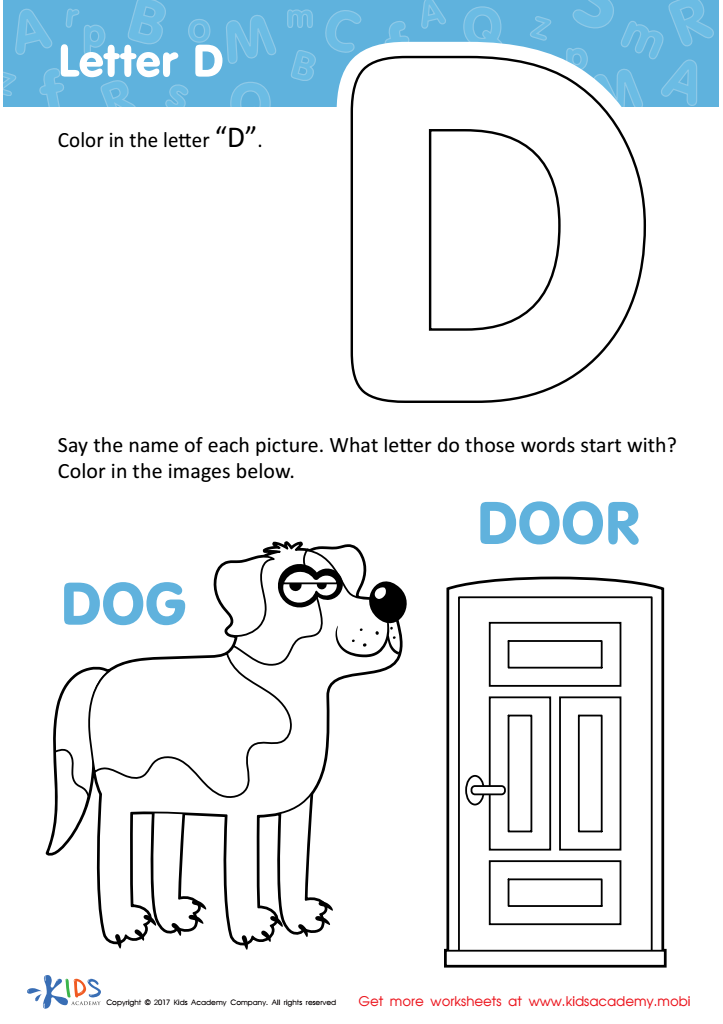
Letter D Coloring Sheet
Assign to My Students
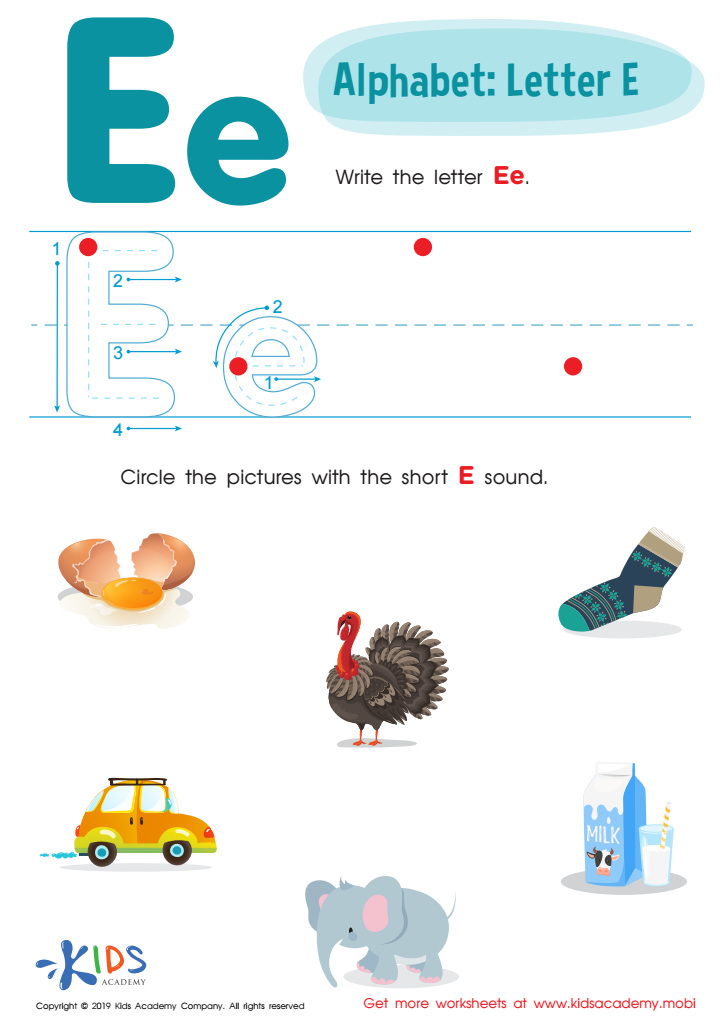
Letter E Tracing Worksheet
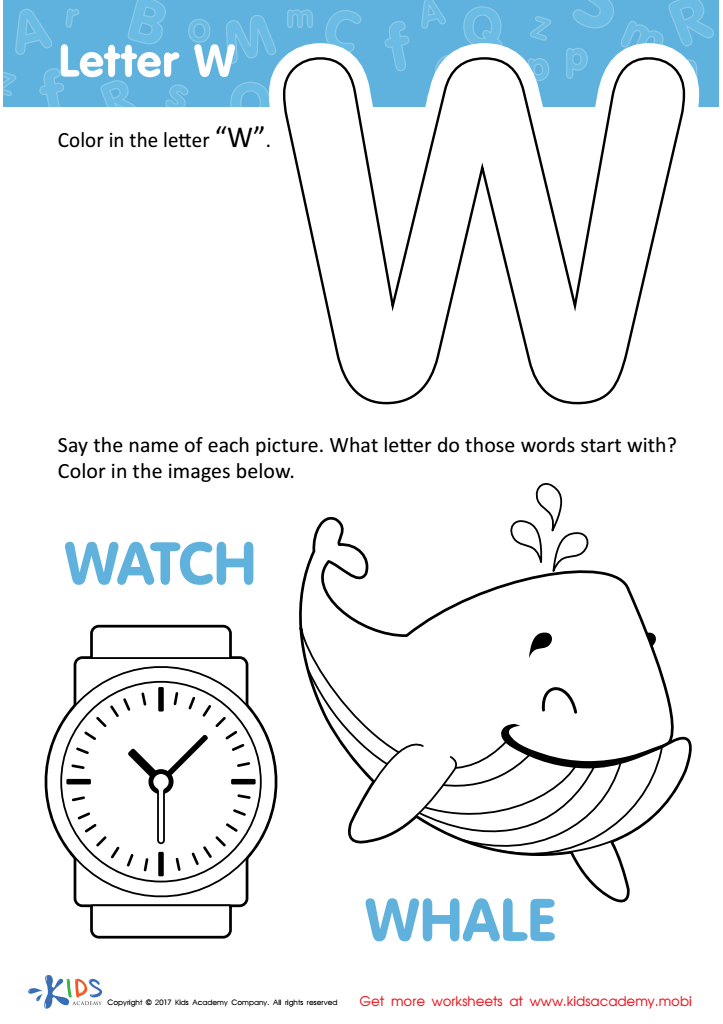
Letter W Coloring Sheet
Assign to My Students
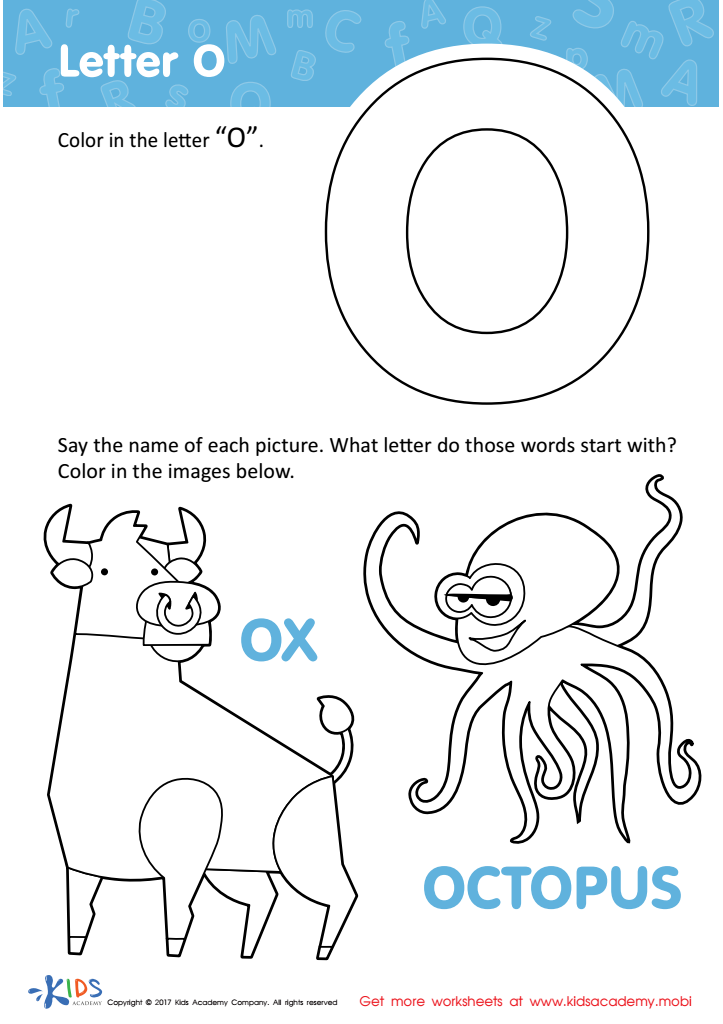
Letter O Coloring Sheet
Assign to My Students
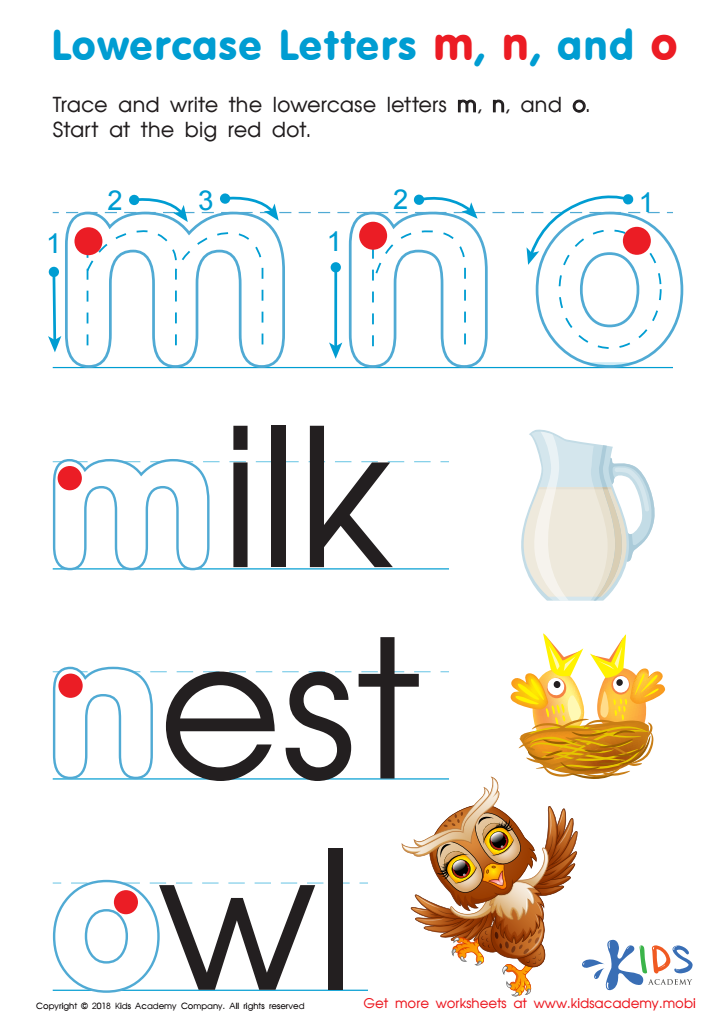
Lowercase Letters m n o Worksheet
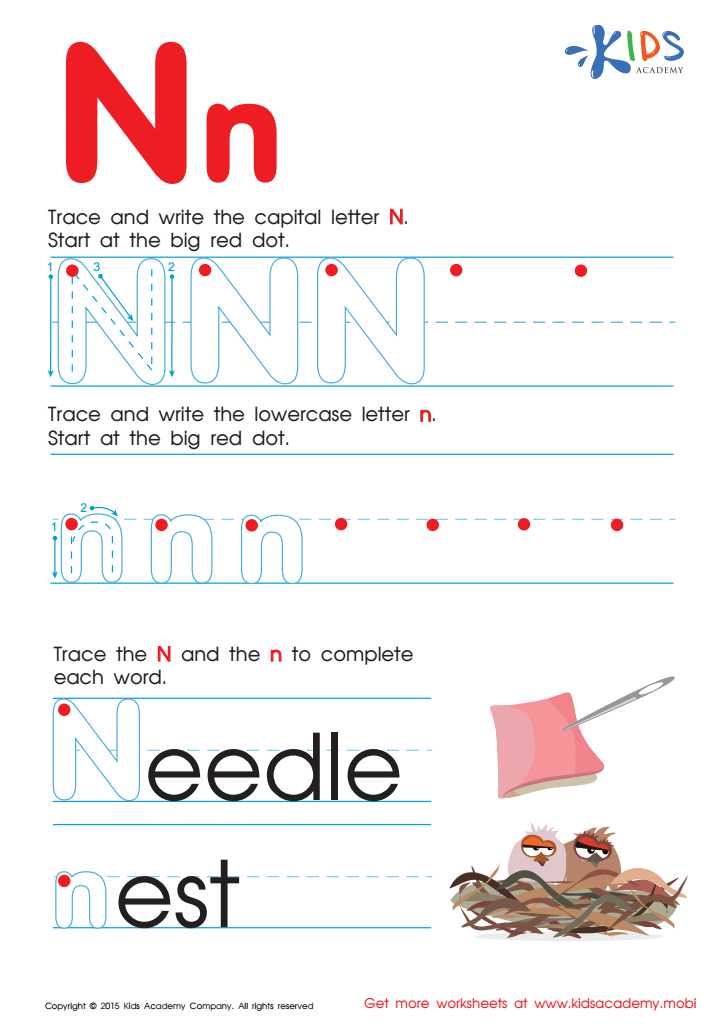
Letter N Tracing Page
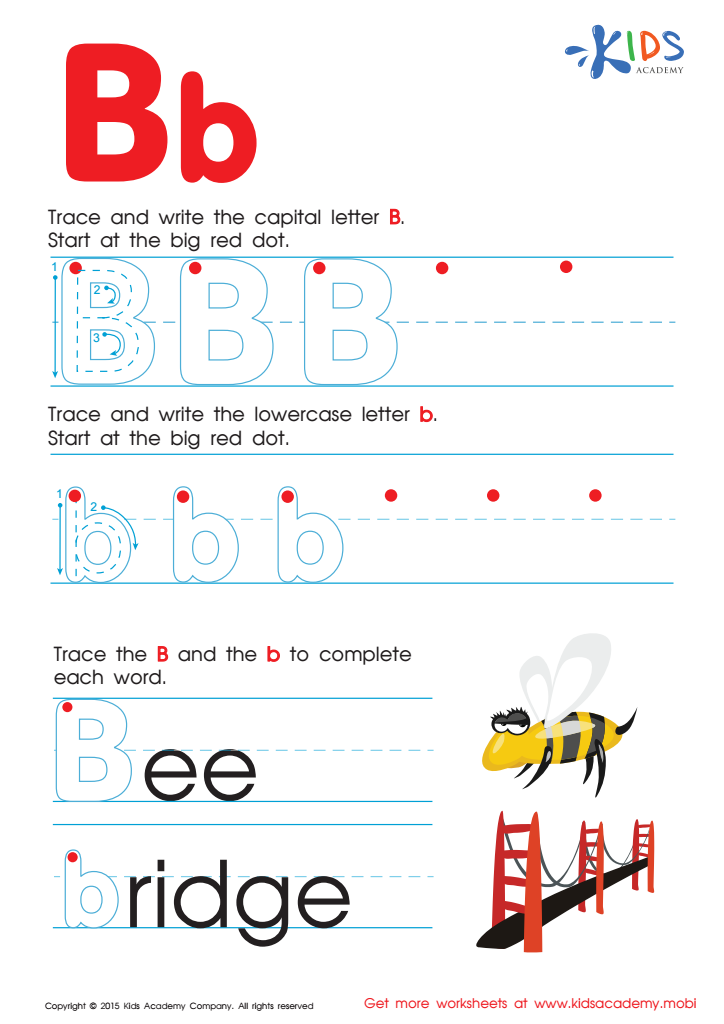
Letter B Tracing Page
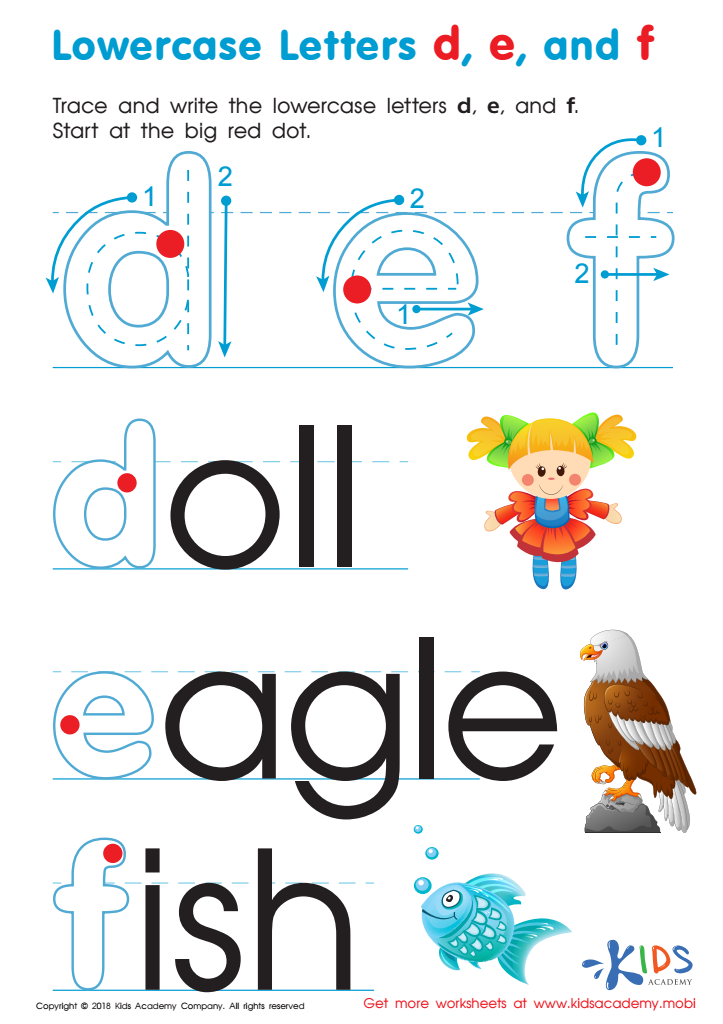
Lowercase Letters d e f Worksheet
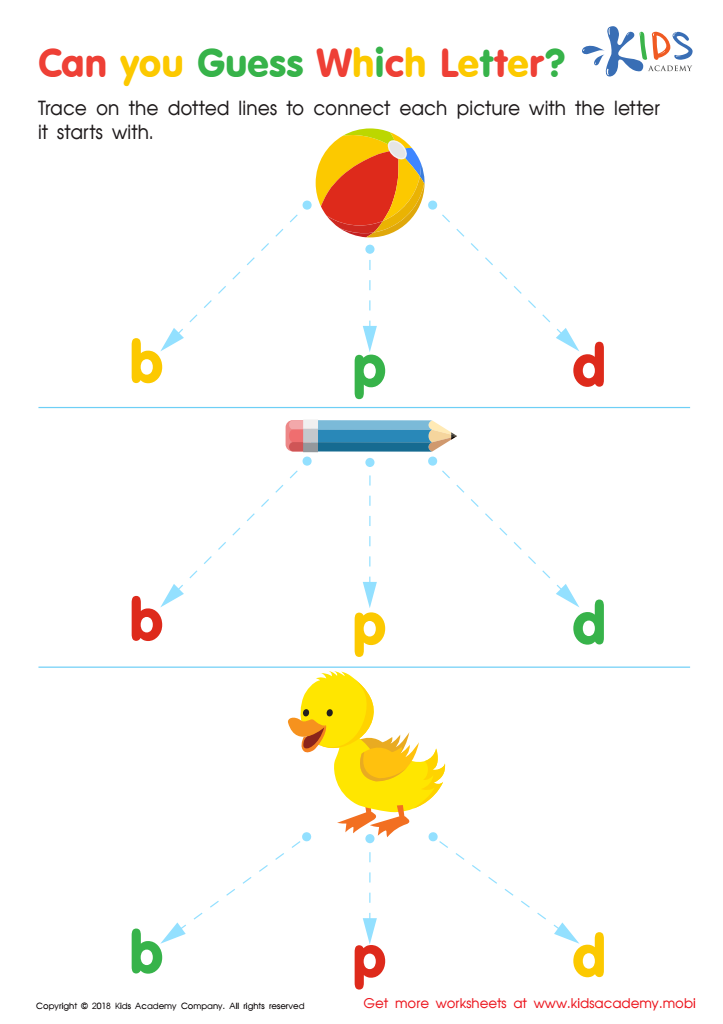
Can you Guess Which Letter? Worksheet
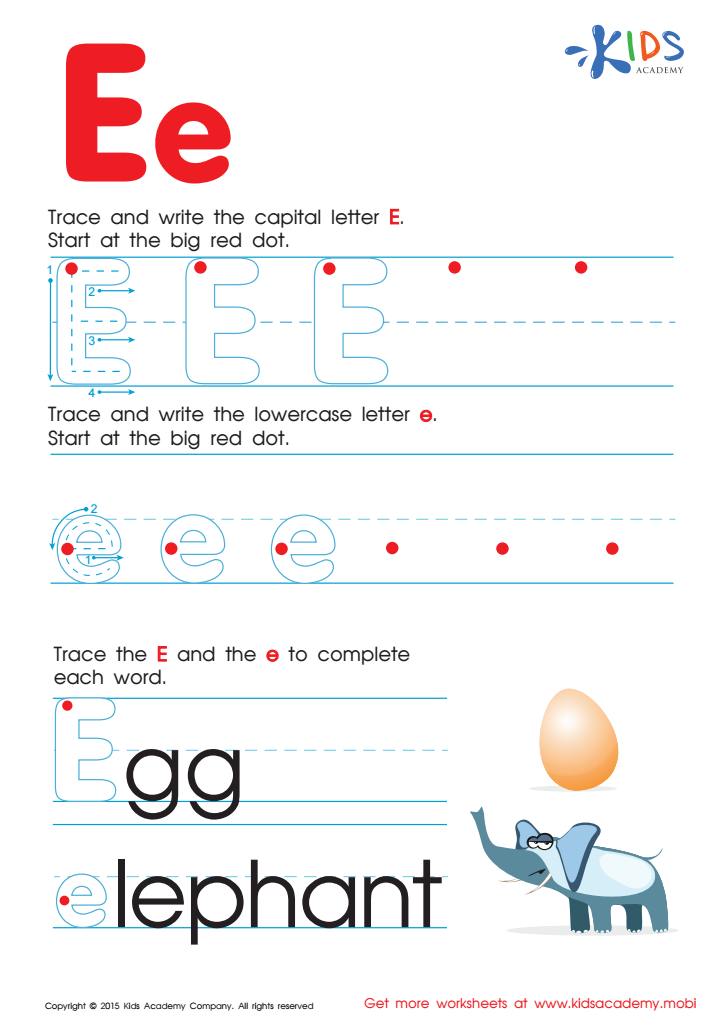
Letter E Tracing Page
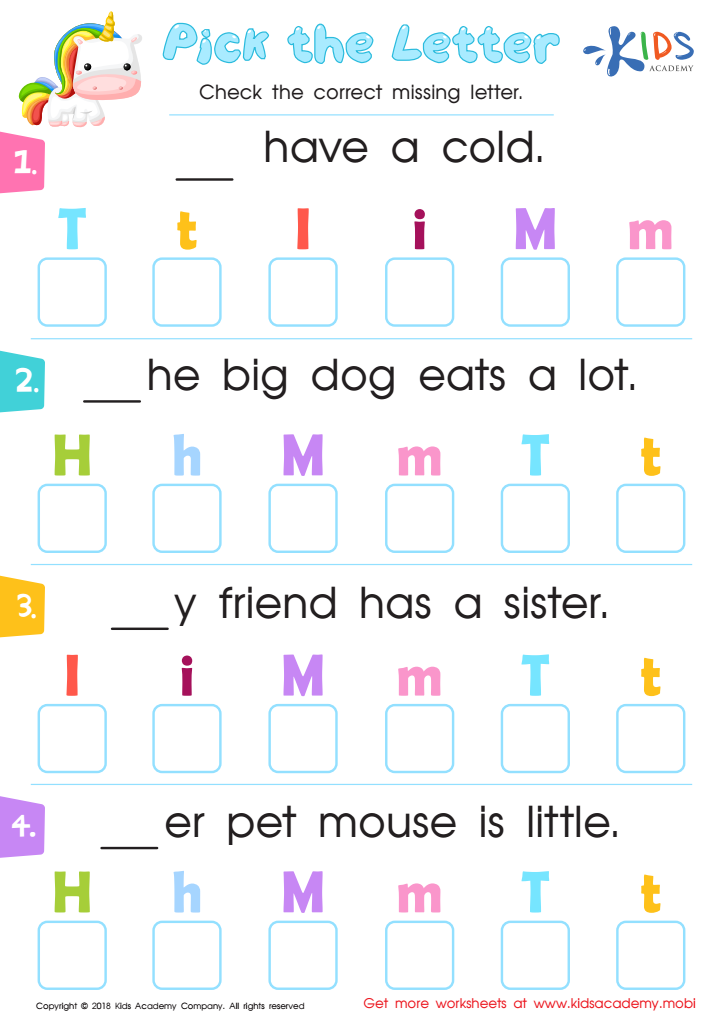
Pick the Letter Worksheet








Alphabet recognition and normal letter recognition are foundational skills crucial for children aged 3-9 as they lay the groundwork for literacy development. Understanding both uppercase and lowercase letters is vital for children as they start to learn to read and write. Mastery of the alphabet boosts phonemic awareness, enabling students to connect sounds with letters, a key component in decoding and spelling.
Parents and teachers should prioritize these skills because they foster confidence in young learners and encourage a love for reading. When children recognize letters, they can better engage with books, signs, and printed text in their environment, enhancing their vocabulary and comprehension skills. Engaging with letters also supports fine motor skills through writing exercises, promoting overall cognitive development.
Moreover, early alphabet recognition can help identify children who may need additional support or interventions. By implementing strategies like engaging games, colorful activities, and interactive storytelling, caregivers can create a rich literacy environment. Ultimately, fostering alphabet recognition in early education not only aids in academic success but also cultivates critical thinking and communication skills that are vital for lifelong learning. Stakeholders in a child’s education should actively support and nurture these skills to ensure a strong literacy foundation.








