Fine Motor Skills Normal Letter Recognition Worksheets for Ages 3-9 - Page 2
41 filtered results
-
From - To
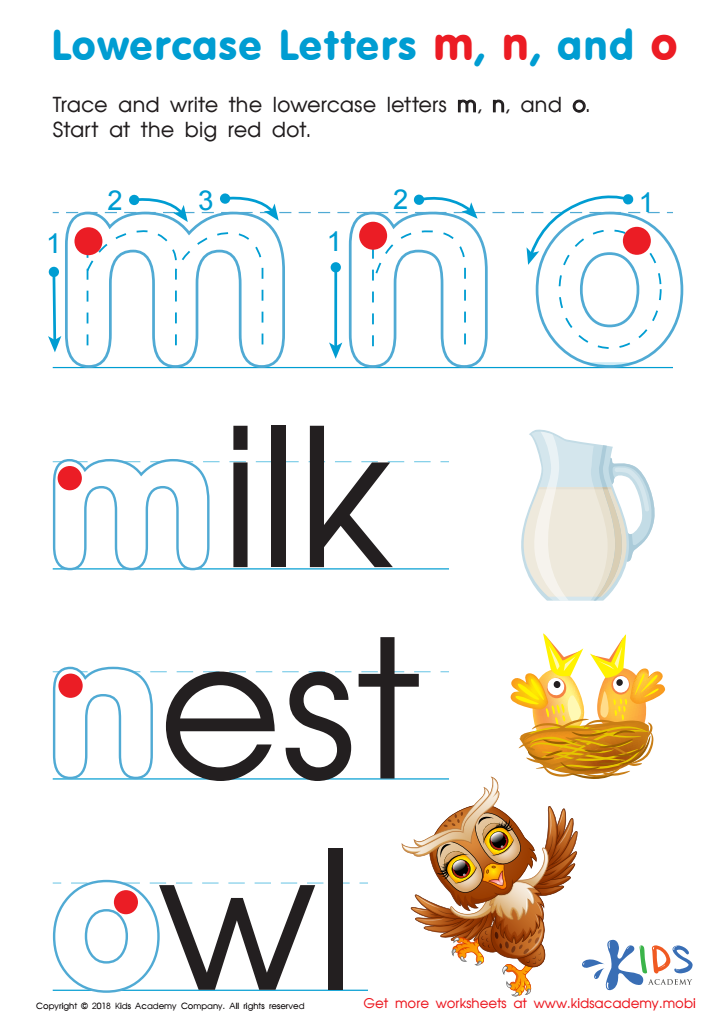
Lowercase Letters m n o Worksheet
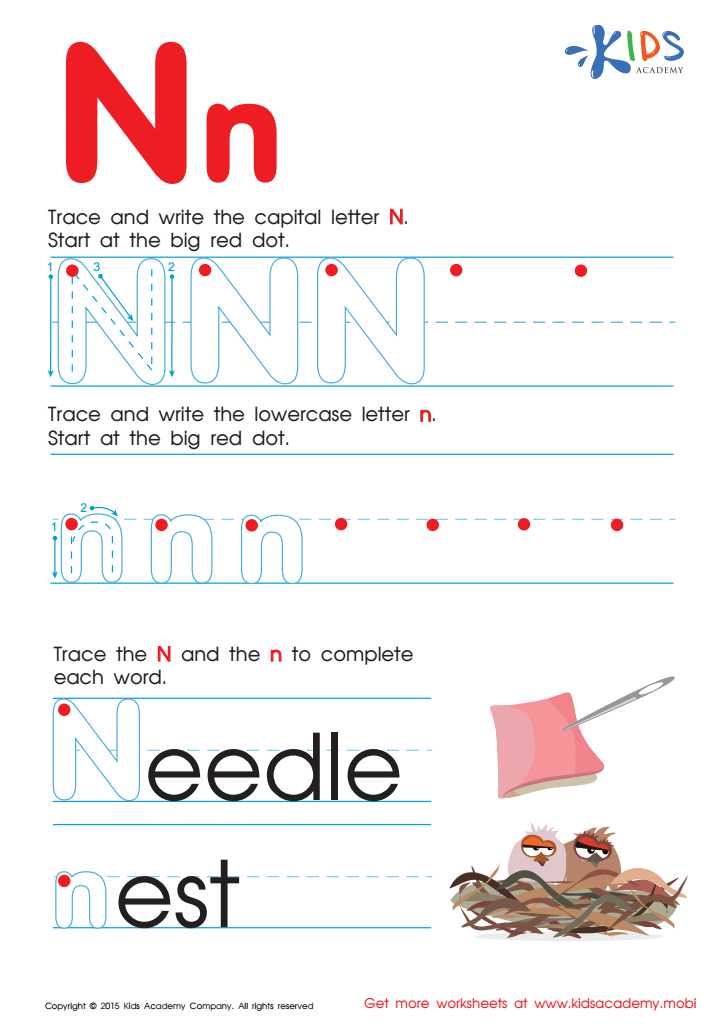
Letter N Tracing Page
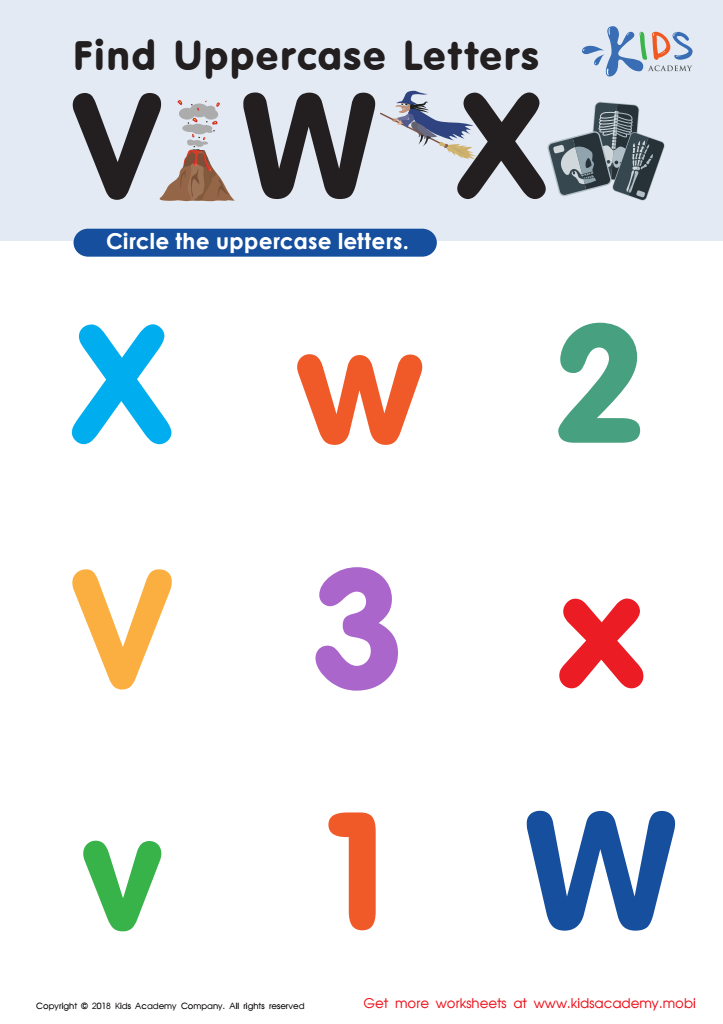
Find Uppercase Letters V, W, X Worksheet
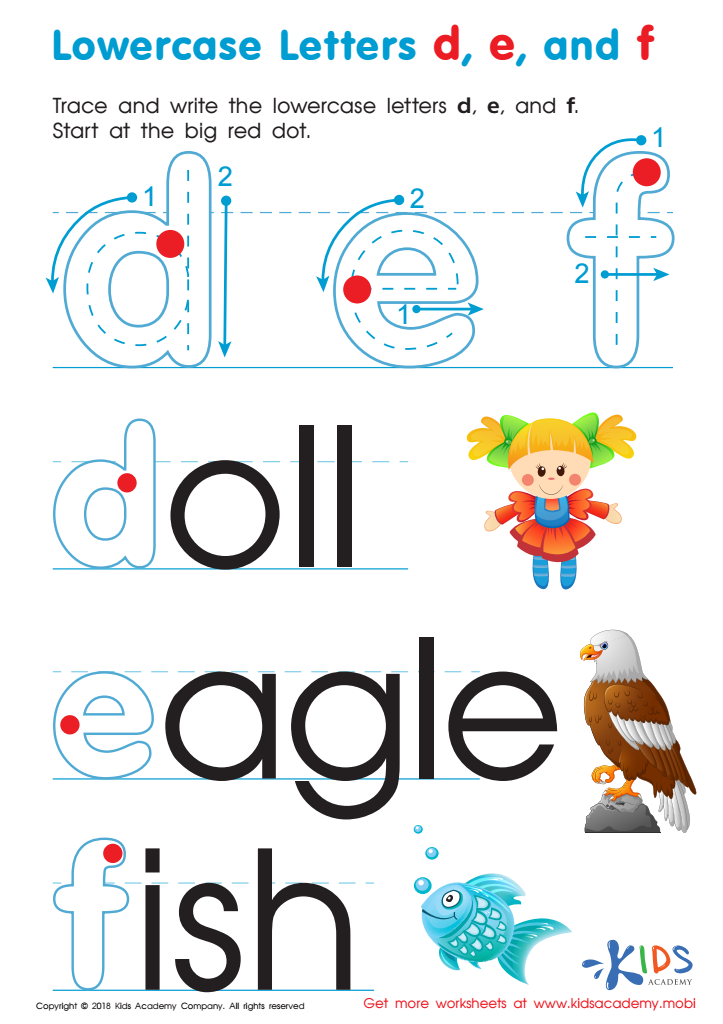
Lowercase Letters d e f Worksheet

Letter E Tracing Page
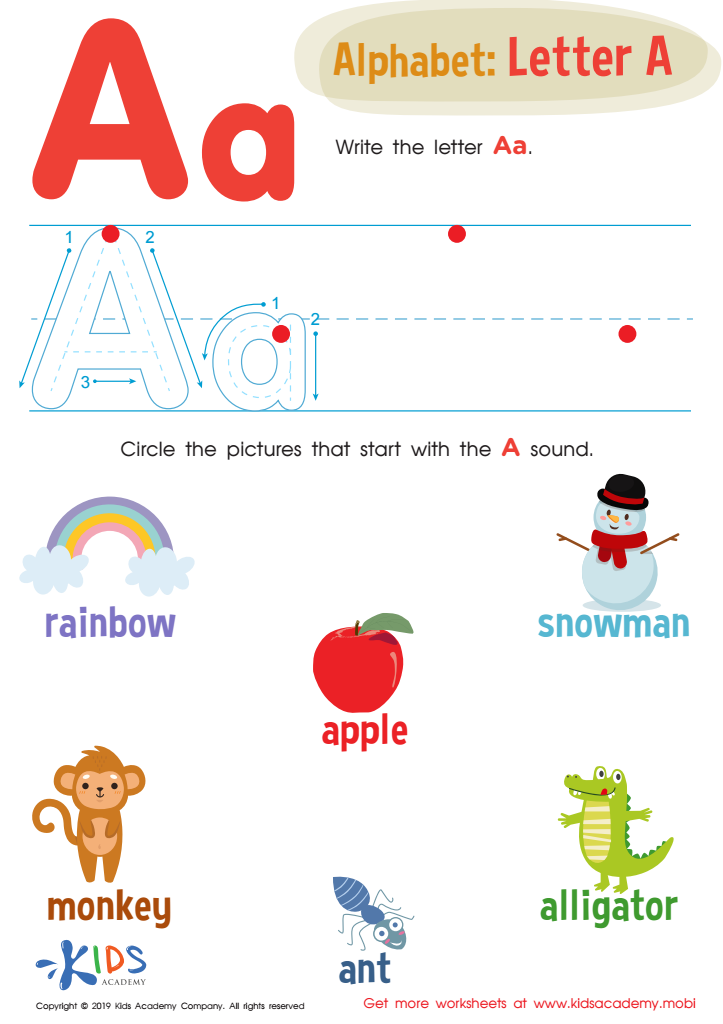
Letter A Tracing Worksheet
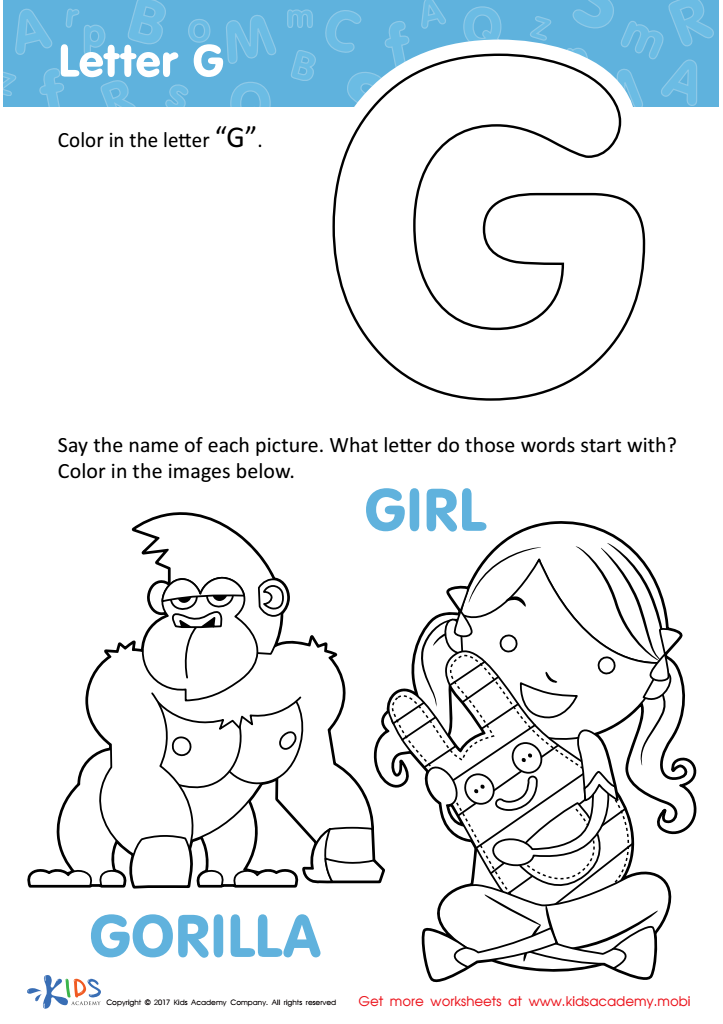
Letter G Coloring Sheet
 Assign to My Students
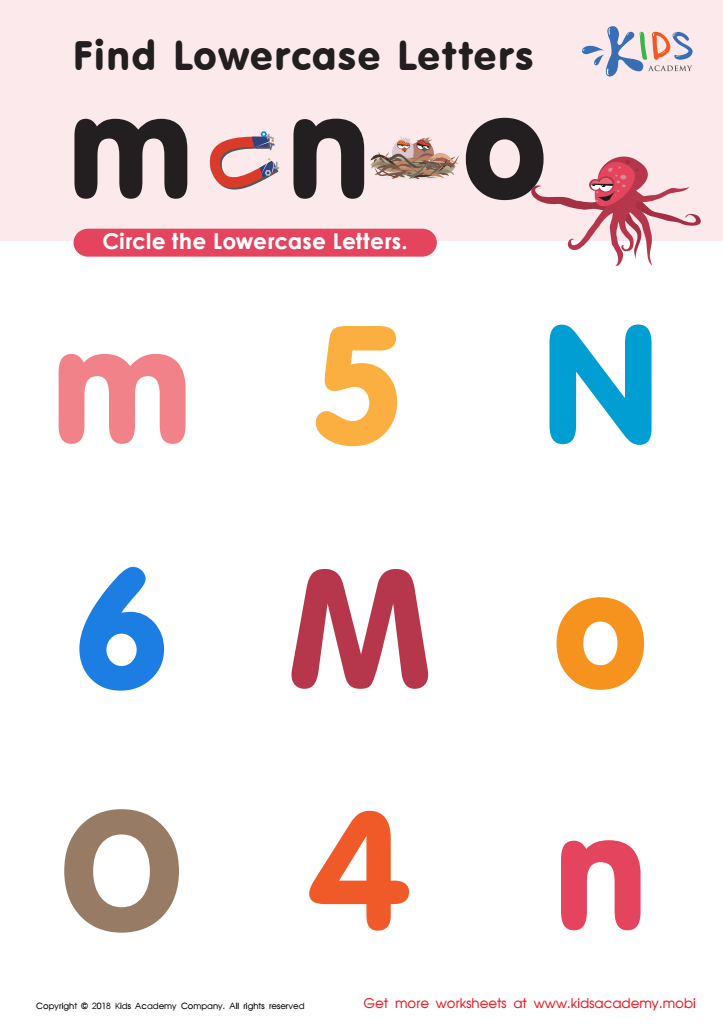
Find Lowercase Letters m n o Worksheet
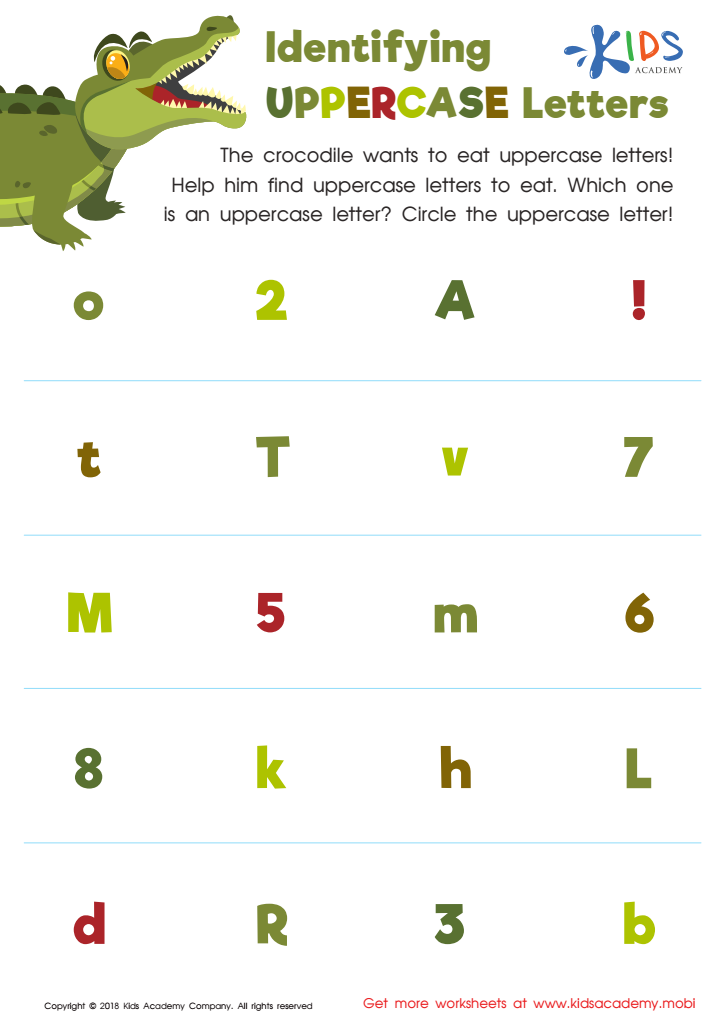
Identifying Uppercase Letters Worksheet
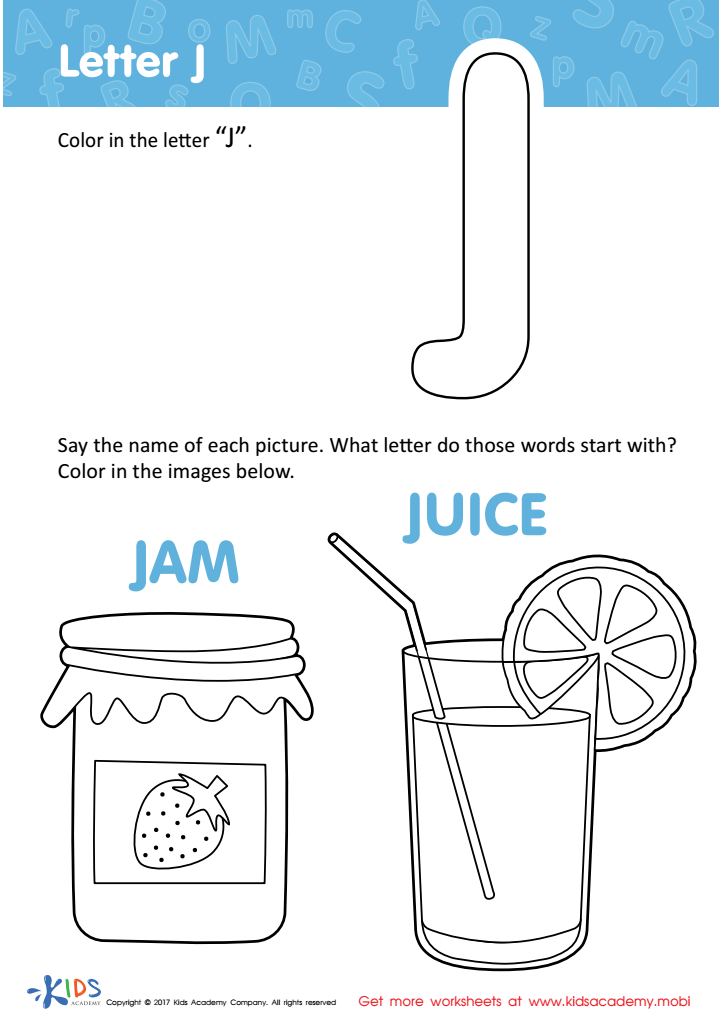
Letter J Coloring Sheet
Assign to My Students
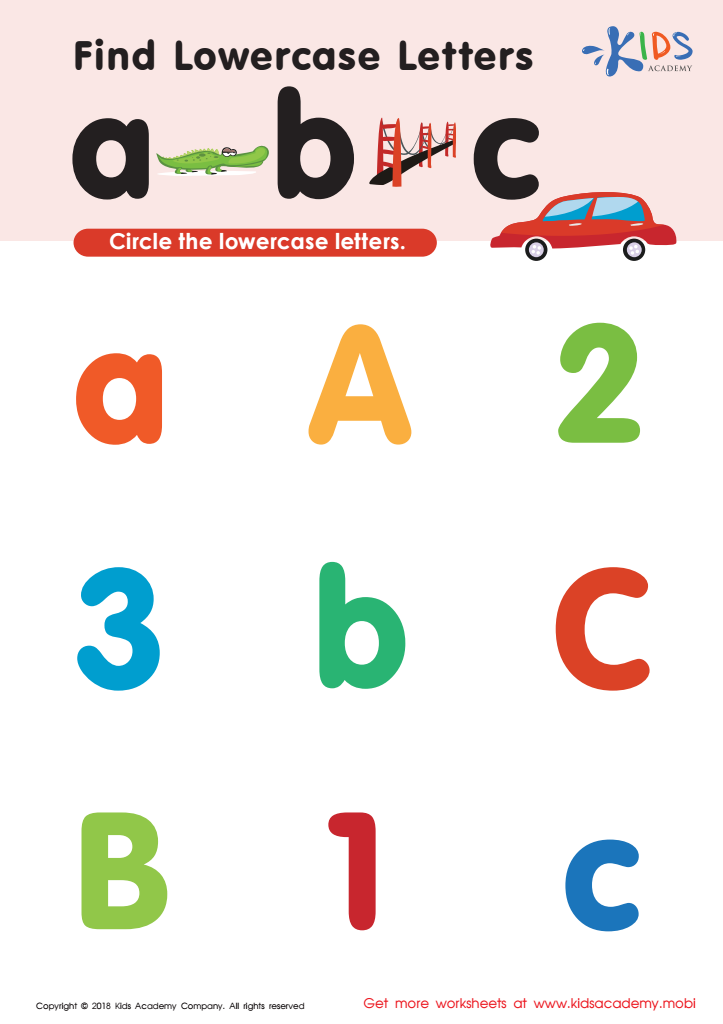
Find lowercase letters a b c Worksheet
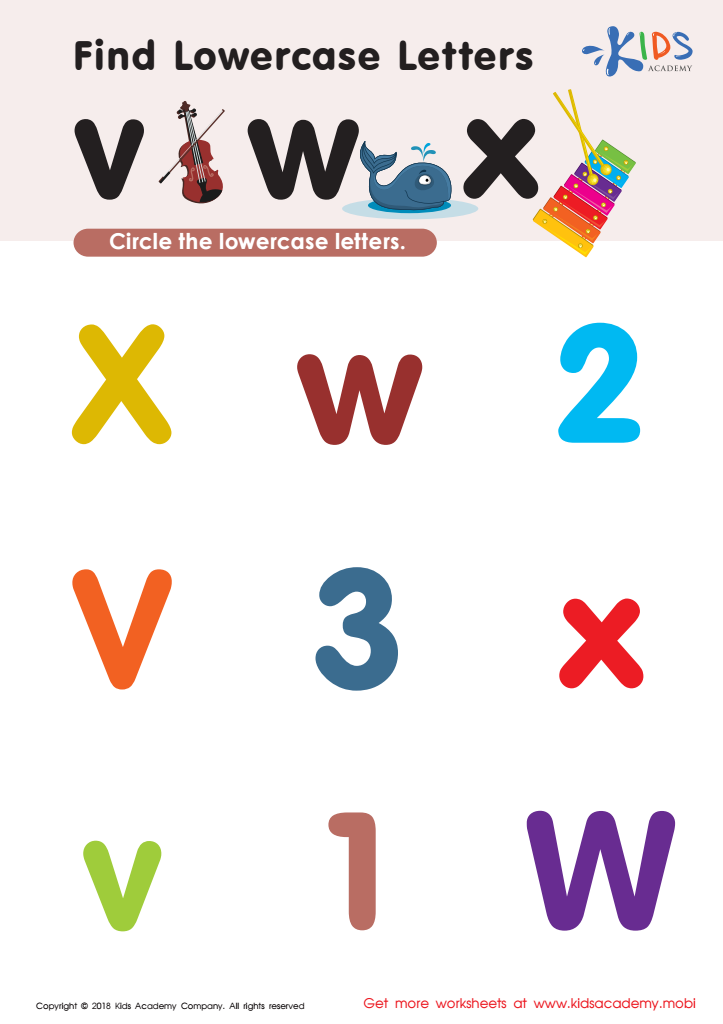
Find Lowercase Letters v w x Worksheet

Letter F Tracing Page

Letter F Coloring Sheet
Assign to My Students

Letter N Coloring Sheet
Assign to My Students

Letter D Tracing Page
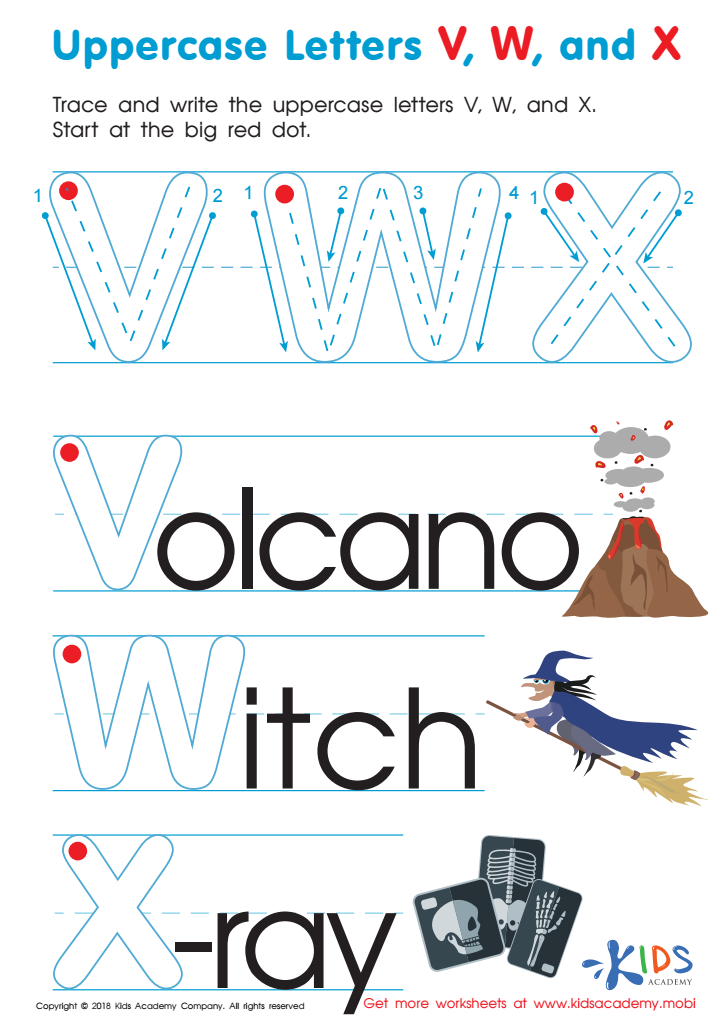
Uppercase Letters V, W, and X Worksheet








Fine motor skills and normal letter recognition are foundational abilities crucial for children’s development, particularly between the ages of 3 and 9. Fine motor skills involve the small muscles of the hands and fingers, enabling children to perform precise movements essential for tasks such as writing, cutting, and buttoning clothes. These skills directly impact a child's ability to succeed academically and manage day-to-day activities independently.
By fostering fine motor skills, parents and teachers help children gain confidence in their physical and academic capabilities. These abilities are deeply interconnected with cognitive development, including attention, memory, and problem-solving skills. Normal letter recognition is equally essential as it lays the groundwork for reading and writing proficiency. Early recognition of letters supports phonemic awareness, where children understand that letters and combinations of letters represent sounds in spoken language.
Moreover, children with advanced letter recognition typically experience fewer challenges in reading, spelling, and understanding new vocabulary. This forms a positive feedback loop, boosting their confidence and eagerness to learn. By focusing on fine motor skills and letter recognition, parents and teachers can set children on a trajectory toward academic success and cognitive competence, which are crucial elements for long-term educational and personal growth.








