Fine Motor Skills Normal Phonics Worksheets for Ages 3-9
5 filtered results
-
From - To
Enhance your child's learning journey with our "Fine Motor Skills Normal Phonics Worksheets" designed for ages 3-9. These engaging worksheets combine phonics practice with fine motor skill development, ensuring a holistic approach to early literacy. Kids can confidently explore letter recognition, sound association, and the foundations of reading while practicing tracing, cutting, and coloring activities that strengthen their hand-eye coordination. Ideal for homeschooling, classroom use, or supplemental learning, our worksheets foster creativity and provide a fun, interactive way to master phonics. Unlock your child's potential as they build essential skills for lifelong success in literacy!
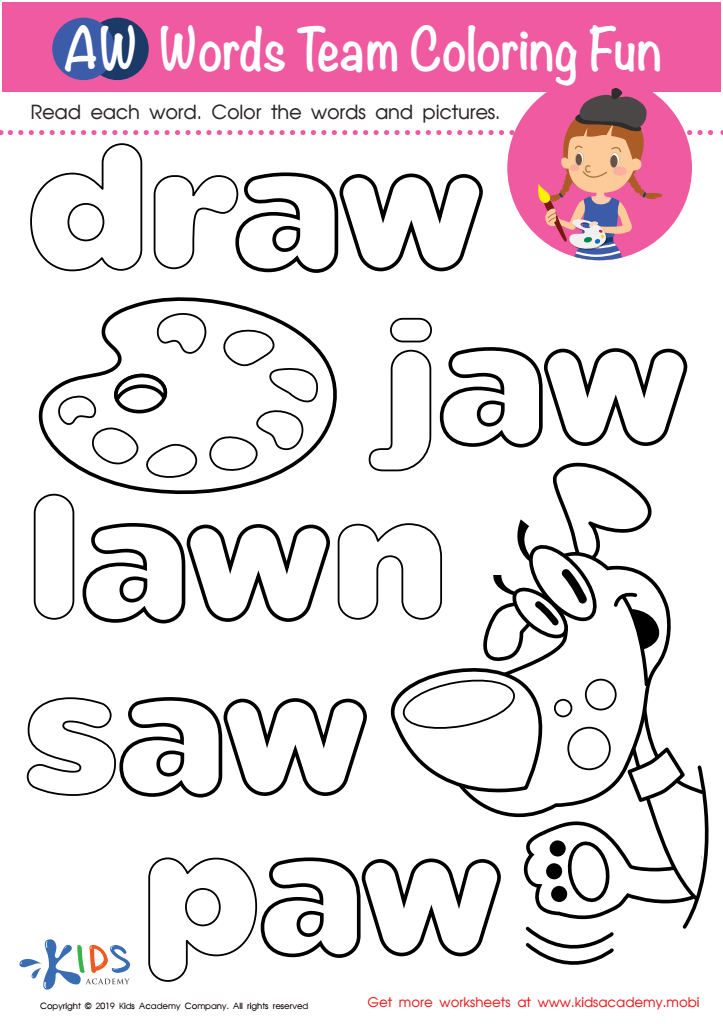
AW Words Team Coloring Fun Worksheet
 Assign to My Students

Long and Short U Worksheet
Assign to My Students
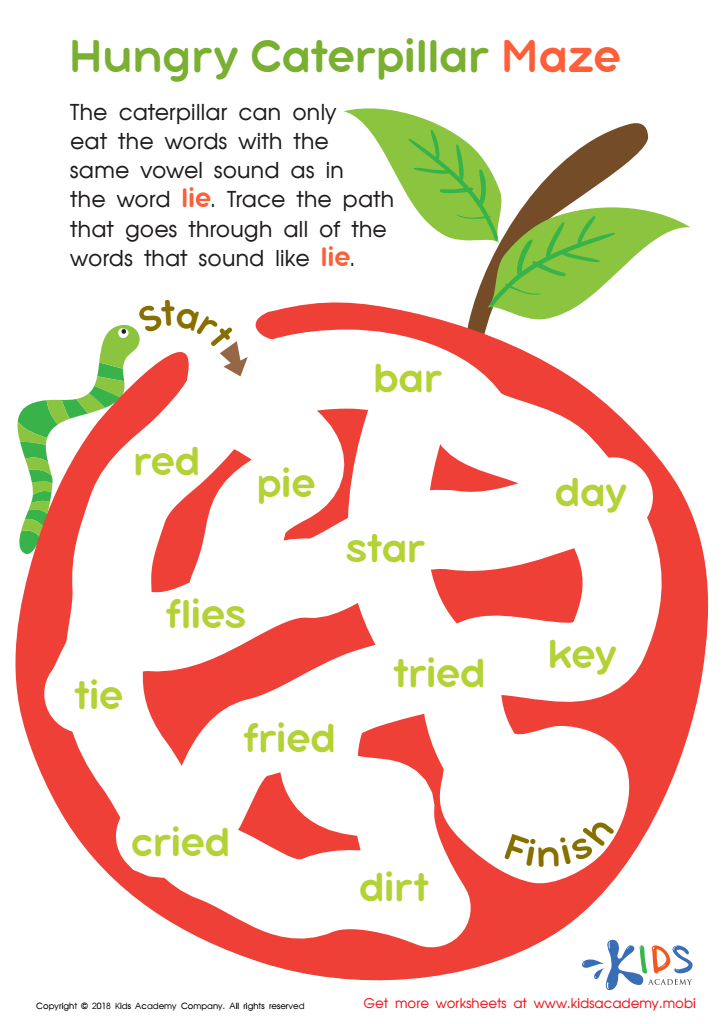
Hungry Caterpillar Maze Worksheet
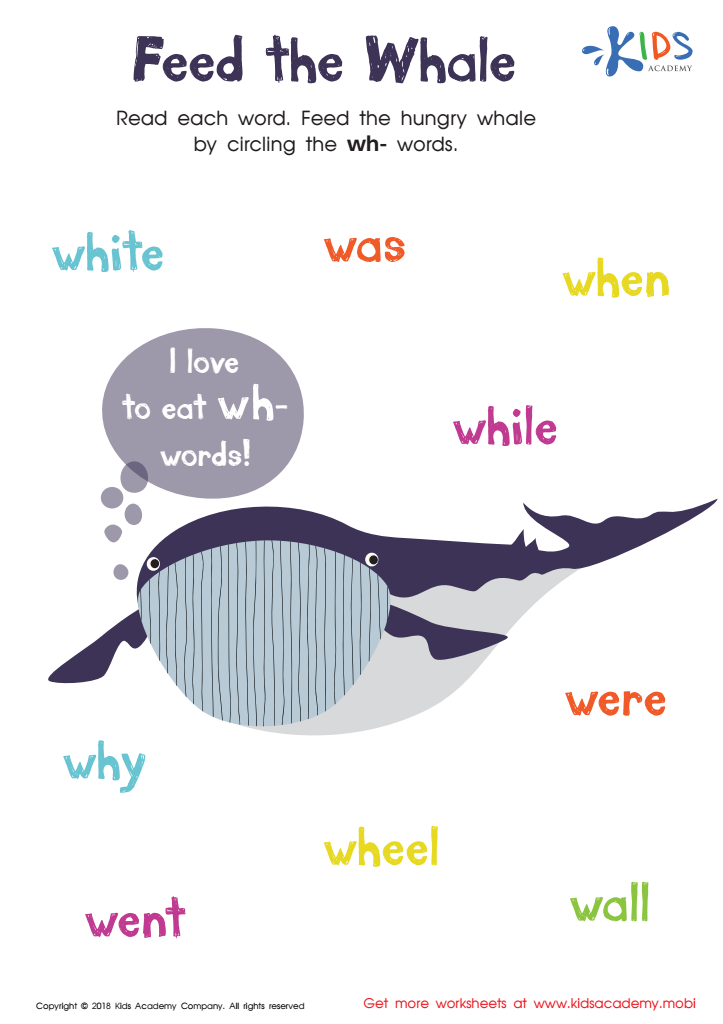
Feed the Whale Worksheet
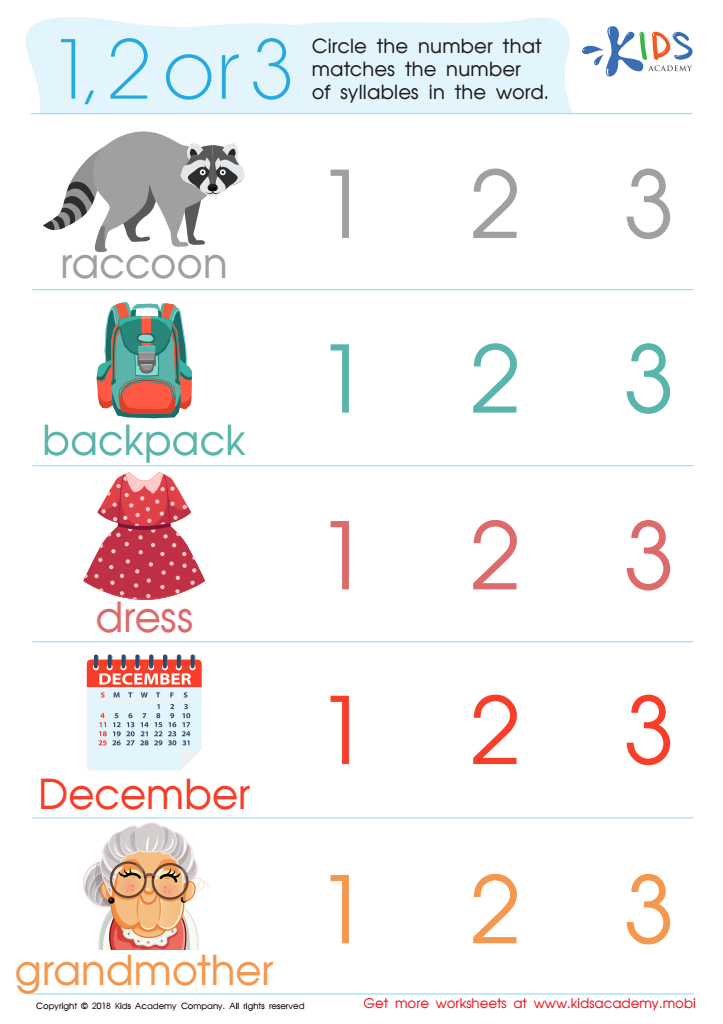
1, 2 or 3? Worksheet








Fine motor skills and phonics are vital components of early literacy and overall development in children ages 3 to 9. Parents and teachers should care about these aspects as they significantly influence a child's ability to learn and communicate effectively.
Fine motor skills refer to the small muscle movements that allow children to manipulate objects, which are essential for tasks such as writing, drawing, and using tools. Developing fine motor skills at an early age fosters creativity, hand-eye coordination, and independence. Children who excel in these skills often find it easier to engage in classroom activities and complete everyday tasks, boosting their confidence.
Normal phonics instruction teaches children the relationship between letters and sounds, forming the foundation for reading and writing. Understanding phonics enables kids to decode words, build vocabulary, and enhance comprehension. As children gain proficiency in phonics, they become more enthusiastic about reading, making learning more enjoyable and effective.
Investing time and resources in developing fine motor skills and phonics awareness creates a strong groundwork for lifelong learning. When parents and teachers prioritize these areas, they equip children with essential skills that will benefit their academic and personal growth, helping them navigate their educational journeys successfully.







