Hand-eye Coordination Normal Phonics Worksheets for Ages 3-9
5 filtered results
-
From - To
Enhance your child's reading skills with our Hand-eye Coordination Normal Phonics Worksheets designed for ages 3-9. These engaging worksheets integrate phonics with interactive activities to promote effective learning while improving hand-eye coordination. Each exercise targets key phonics concepts such as letter recognition, sound matching, and word formation, making learning fun and dynamic. Developed by educational experts, our worksheets offer the perfect balance of challenge and enjoyment, ensuring children stay motivated. Ideal for at-home learning or classroom use, these printable materials provide essential practice to build strong foundational reading and fine motor skills. Explore them now on our website!
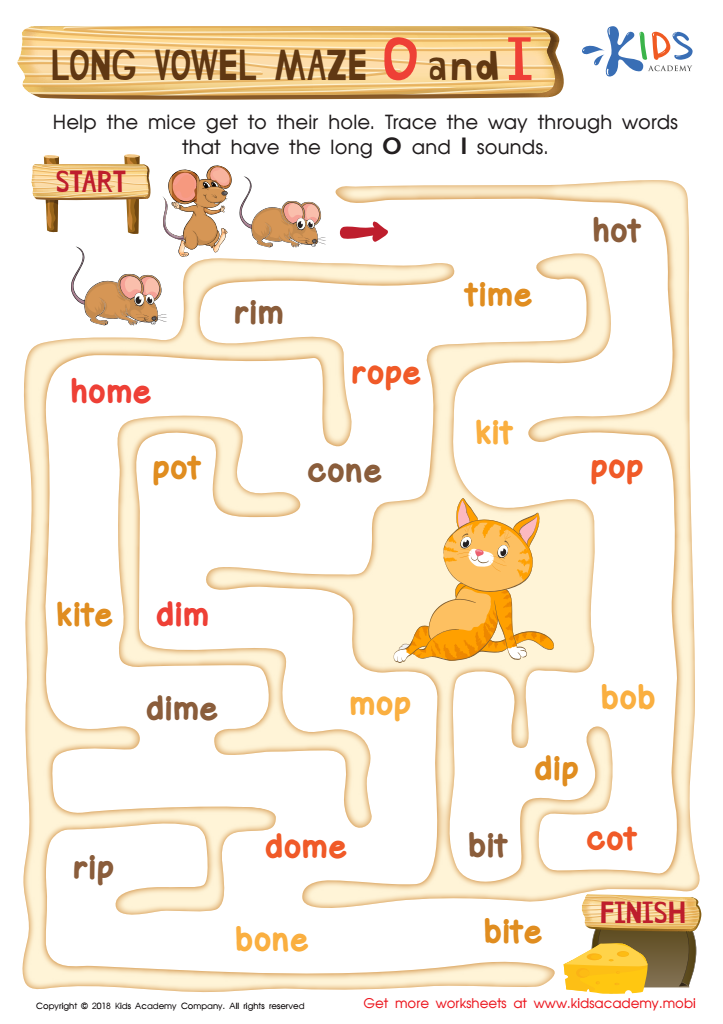
Long Vowel Maze /o/ and /i/ Worksheet
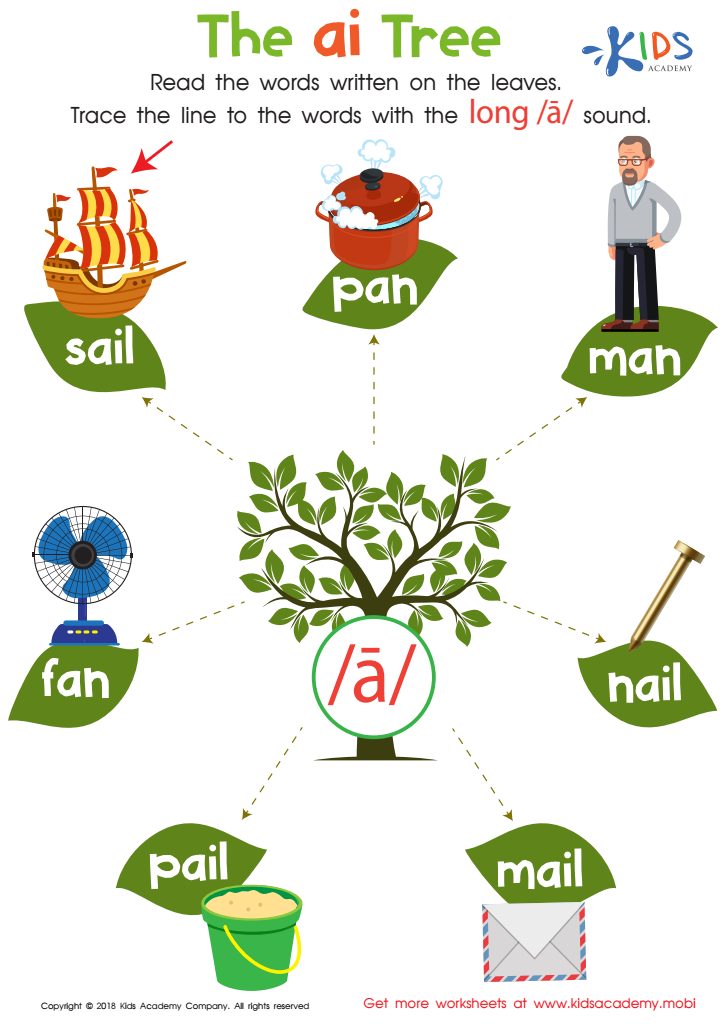
The AI Tree Worksheet
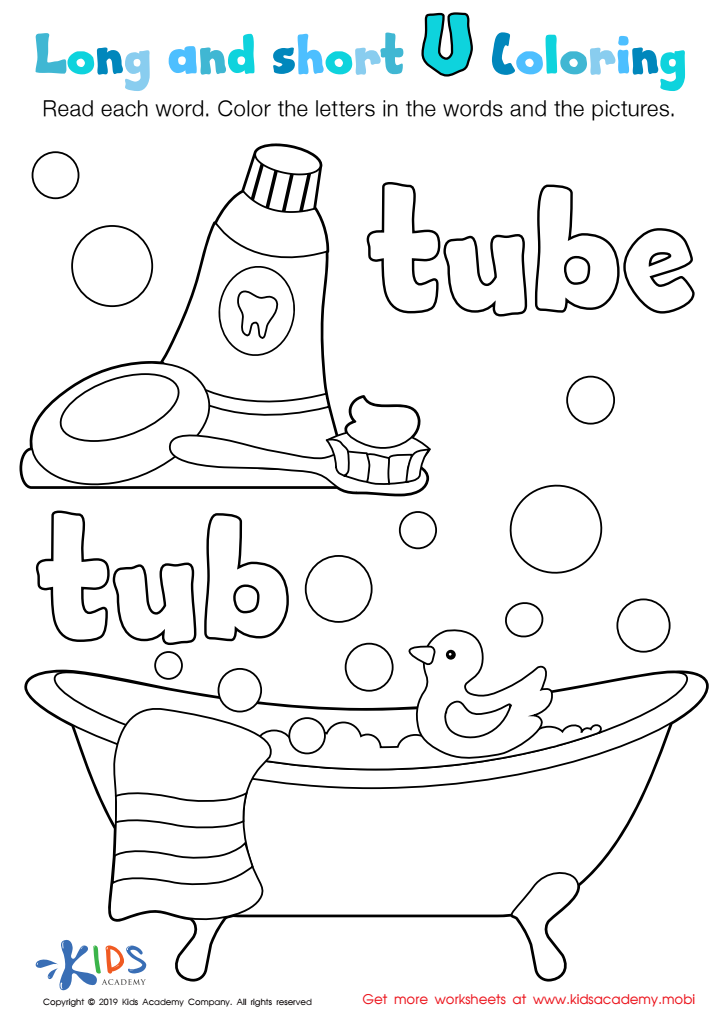
Long and Short U Worksheet
 Assign to My Students
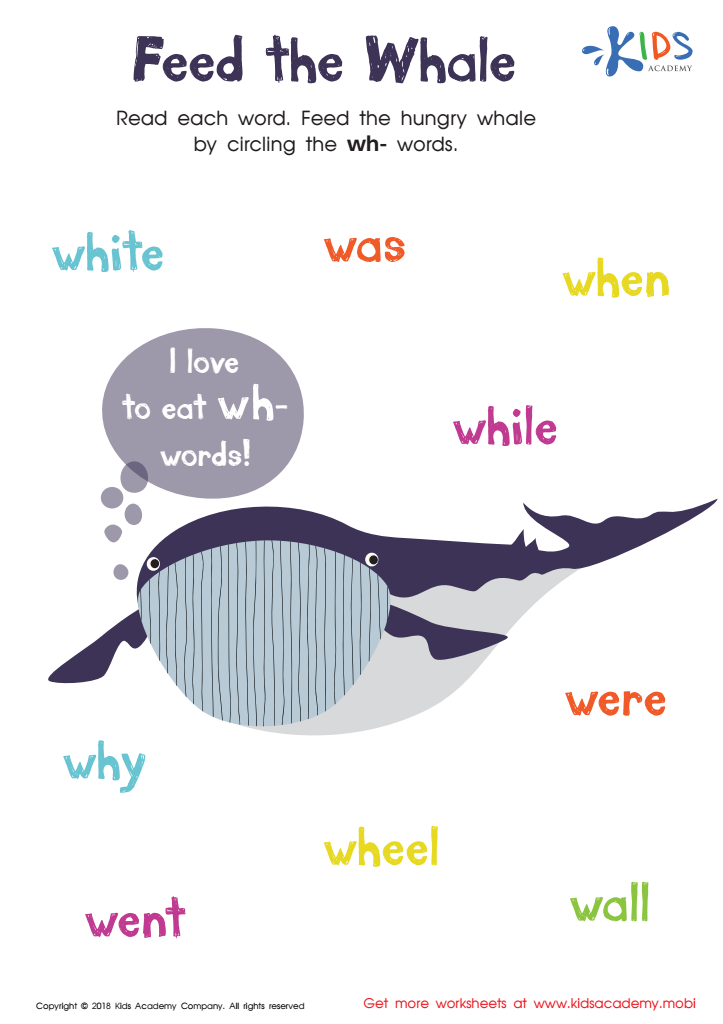
Feed the Whale Worksheet
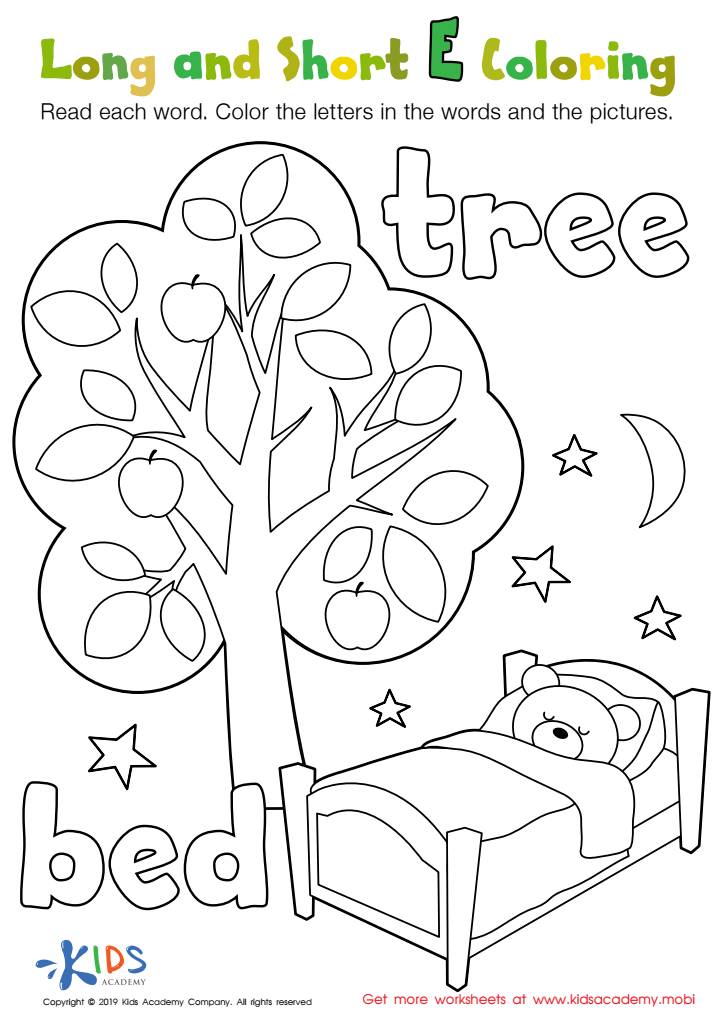
Long and Short E Worksheet
Assign to My Students








Hand-eye coordination and normal phonics development play crucial roles in a child's early learning stages, particularly between ages 3-9. Parents and teachers must pay careful attention to these skills as they build the foundation for future academic success and daily activities.
Hand-eye coordination is essential for physical tasks such as writing, cutting with scissors, catching a ball, and even dressing. These activities require the brain to process information from the eyes and direct the hands to respond appropriately. Developing this skill enhances children's fine motor abilities, helping them perform classroom tasks efficiently and independently.
Normal phonics development, on the other hand, is vital for reading and spelling. Phonics instruction teaches children the relationship between letters and sounds, building the framework for decoding words, enhancing vocabulary, and improving overall reading fluency. Children who effectively grasp phonics are better prepared for more complex reading and writing tasks as they move through their education.
Fostering both hand-eye coordination and phonics during early childhood can greatly influence cognitive and motor development. This helps prevent potential learning difficulties and ensures a smoother, more enjoyable educational journey. Parents and teachers who prioritize these skills contribute significantly to cultivating confident, capable learners equipped to face future academic and life challenges.







