Improving reading skills Normal Phonics Worksheets for Ages 3-9
3 filtered results
-
From - To
Enhance your child's reading abilities with our "Improving Reading Skills Normal Phonics Worksheets for Ages 3-9". Designed by experts at Kids Academy, these engaging worksheets focus on fundamental phonics to build a strong reading foundation. Ideal for young learners, they offer a variety of fun activities that help children recognize letter sounds, develop pronunciation, and improve comprehension. Perfect for home or classroom use, these worksheets adapt to each child's pace, ensuring they achieve confidence and proficiency in reading. Start today and see your child thrive as they unlock the joy of reading.
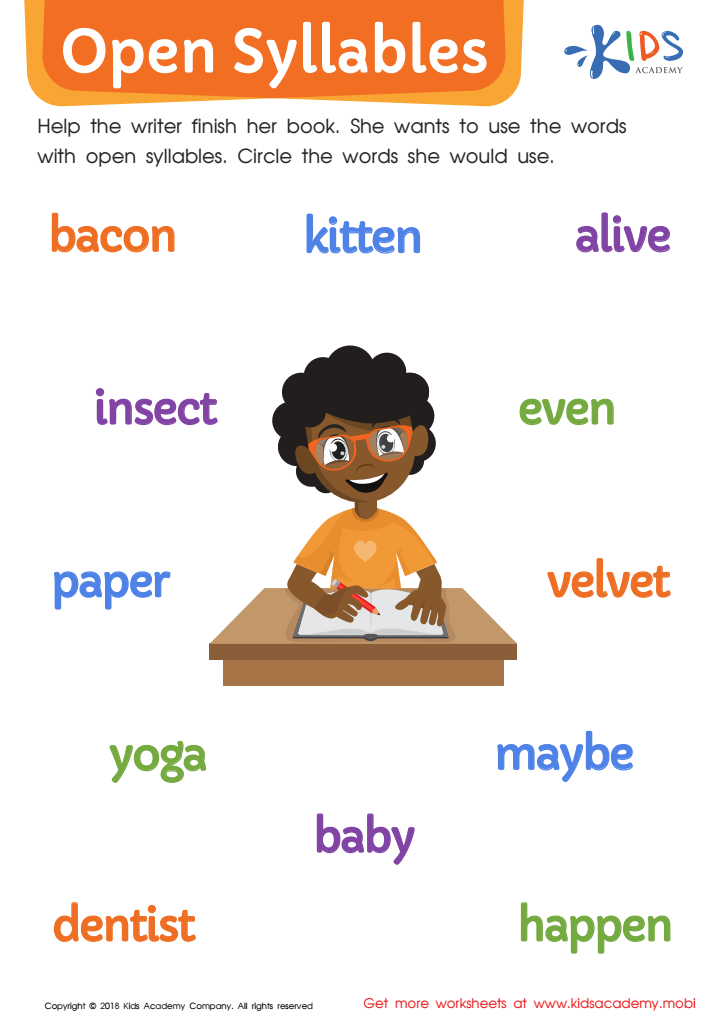
Open Syllables Worksheet
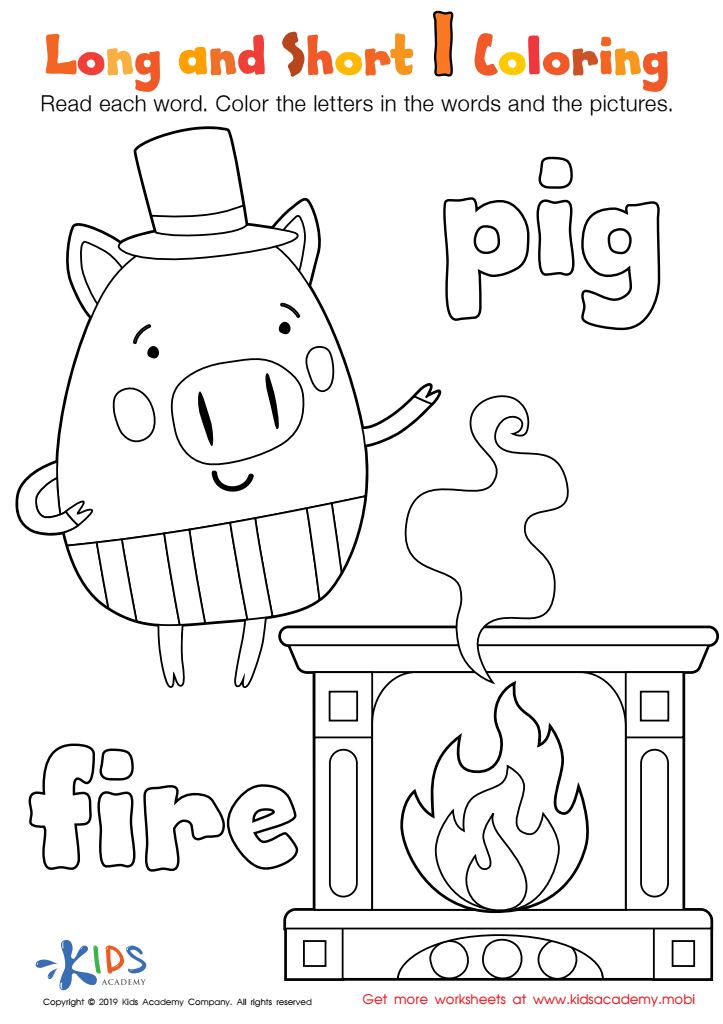
Long and Short I Worksheet
 Assign to My Students
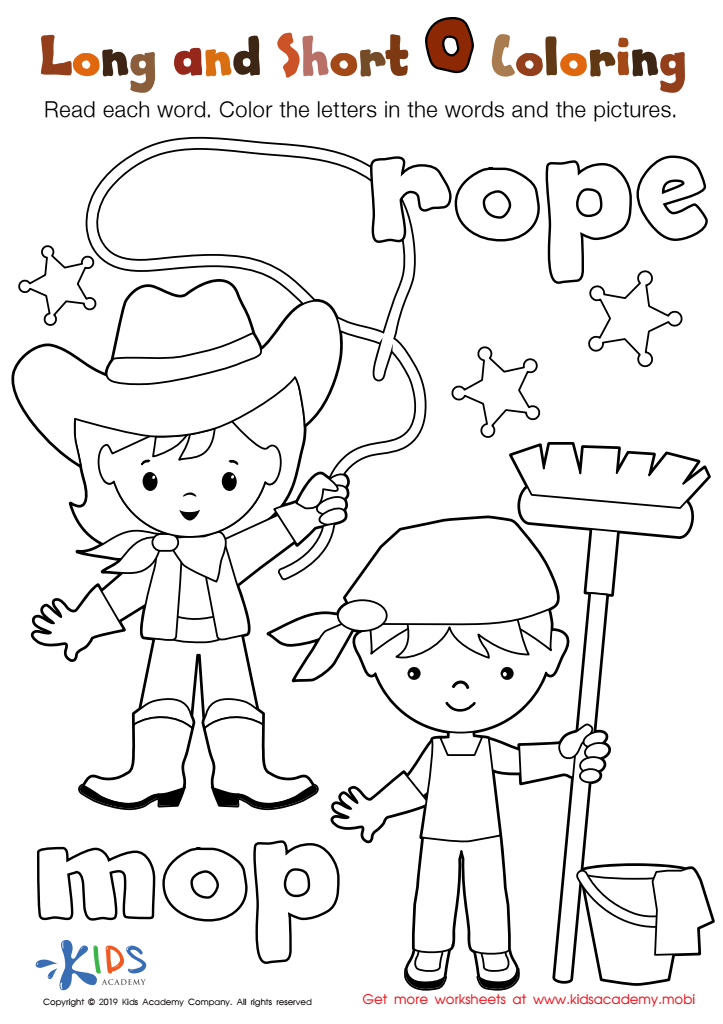
Long and Short O Worksheet
Assign to My Students








Improving reading skills through phonics instruction is crucial for children ages 3-9 because it lays the foundation for their future academic success and lifelong learning. Phonics teaches children the relationship between letters and sounds, enabling them to decode new words independently. Without this essential skill, reading becomes a frustrating and slow process, potentially leading to a lack of interest in learning and reading.
Parents and teachers should prioritize phonics because it's directly linked to improved literacy rates. Early proficiency in reading not only boosts a child’s confidence but also enhances vocabulary, comprehension, and critical thinking skills. The ages between 3 and 9 are particularly formative, as children's brains are highly receptive and capable of acquiring language skills rapidly.
Moreover, strong reading abilities influence performance in other subjects. Math problems often involve written instructions or word problems that require good reading skills to interpret accurately. Social studies and science also demand comprehension and the ability to absorb and analyze information.
Involving parents in reinforcing phonics at home creates a consistent learning environment and helps children see reading as an enjoyable, shared activity. Investing time in phonics during these early years equips children with the tools they need to become proficient readers, setting the stage for academic achievement and a lifelong love of learning.







