Phonics development Normal Phonics Worksheets for Ages 3-9
3 filtered results
-
From - To
Enhance your child's phonics development with our engaging Normal Phonics Worksheets, designed for ages 3-9! These worksheets foster essential reading and writing skills by introducing young learners to the foundational sounds of letters and letter combinations. Featuring a variety of interactive activities, our worksheets make learning fun and approachable! From identifying letters to blending sounds, children will gain confidence as they progress through each activity. Perfect for both classroom settings and at-home learning, these resources support early literacy milestones in an enjoyable way. Explore our collection today and watch your child's phonics skills soar!
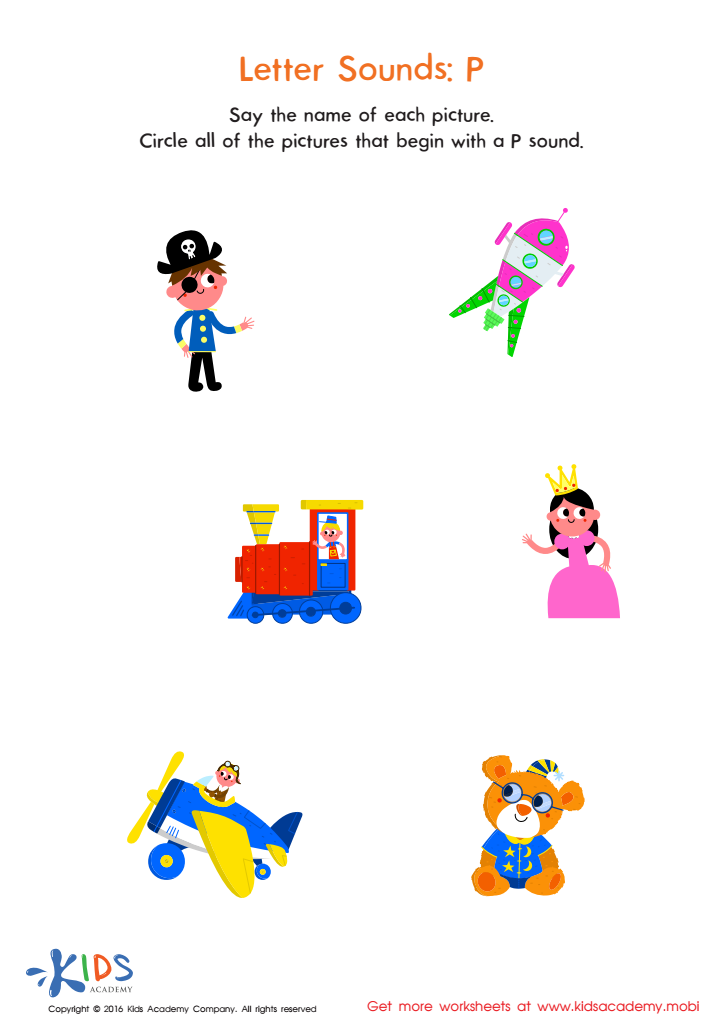
Letter P Sound Worksheet
 Assign to My Students
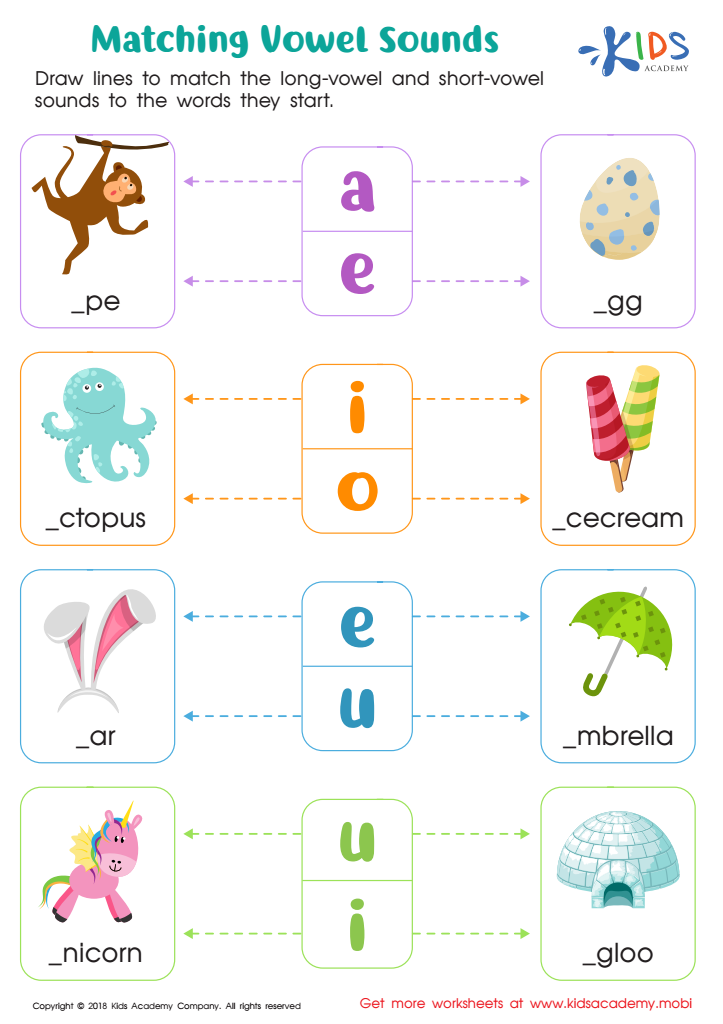
Matching Vowel Sounds Worksheet
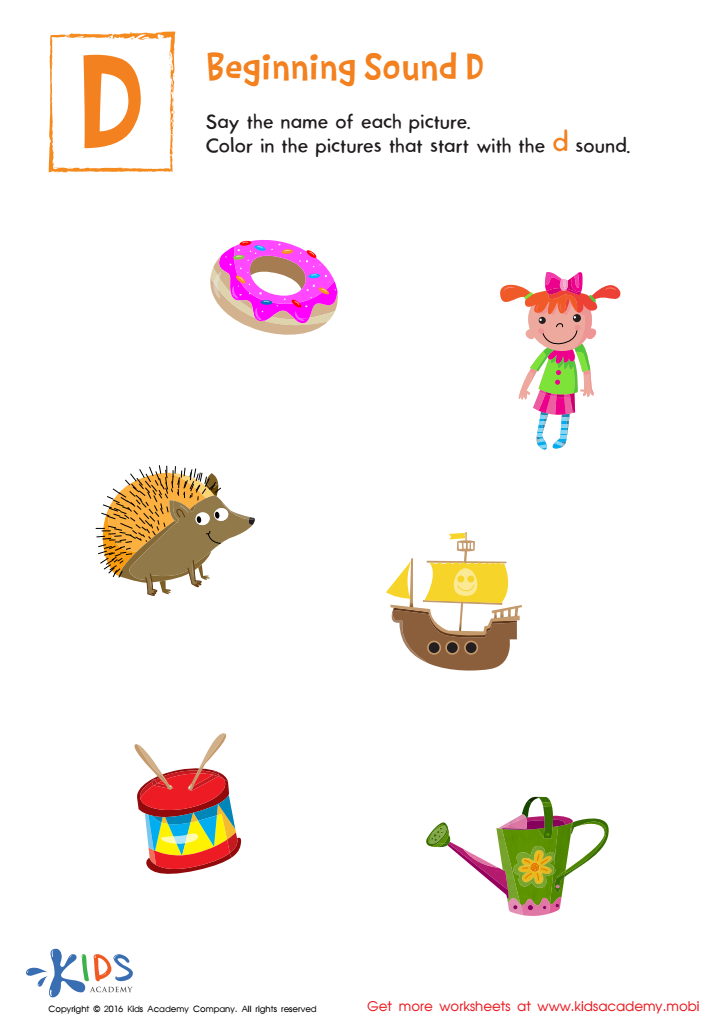
Beginning Sound D Worksheet








Phonics development is crucial for young learners aged 3 to 9 as it serves as the foundation for reading and writing skills. Understanding phonics helps children connect sounds with letters, which is essential for decoding words. This skill lays the groundwork for literacy and enables children to not only read fluently but also comprehend what they read, fostering a lifelong love for learning.
Moreover, strong phonics skills can significantly impact a child's confidence and academic performance. Early mastery of phonics can lead to improved reading abilities, which in turn supports success in all subject areas. Moreover, children who struggle with phonics may experience frustration and disengagement from educational activities, which could affect their overall motivation in school.
For parents and teachers, promoting phonics development is an opportunity to engage with children interactively, incorporating games and storytelling that emphasize sound-letter relationships. By being aware of phonics’ importance, adults can support targeted interventions when necessary, ensuring children receive the help they need to thrive. Ultimately, nurturing strong phonics skills early on sets the stage for critical thinking, creativity, and academic achievement in the years to come. Assessing and enhancing phonics development is vital for every child's educational journey.







