Phonics skills development Normal Phonics Worksheets for Ages 3-9
4 filtered results
-
From - To
Unlock your child’s reading potential with our Normal Phonics Worksheets, designed specifically for ages 3-9. These engaging activities focus on essential phonics skills development, helping young learners master letter sounds, blending, and word recognition. Our carefully crafted worksheets are age-appropriate and promote interactive learning, making phonics fun and effective. Each worksheet caters to various learning styles, supporting both visual and auditory learners. Parents and educators can effortlessly integrate these resources into home or classroom settings. Foster a love for reading while building foundational literacy skills. Start exploring our phonics worksheets today and empower your child on their educational journey!
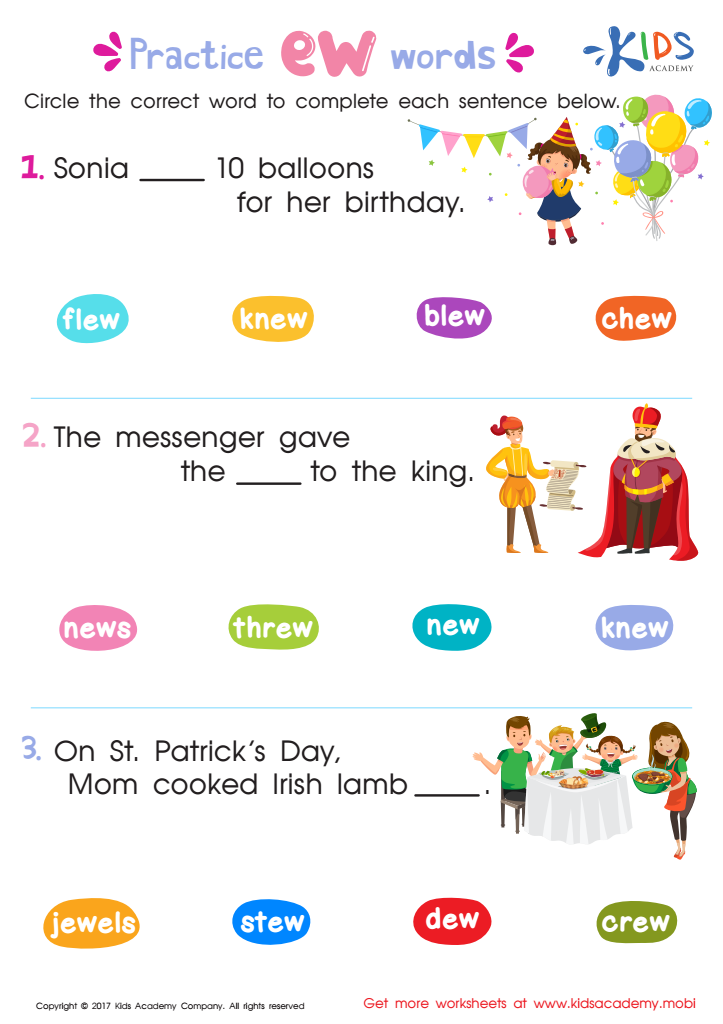
EW Words Worksheet
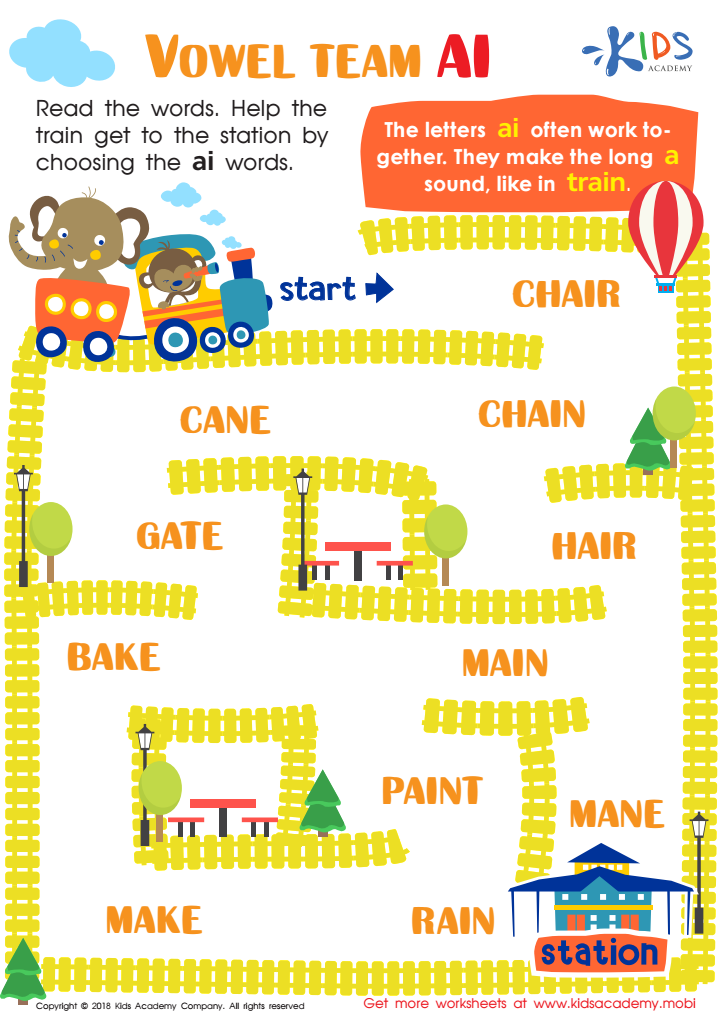
Vowel team ai Worksheet
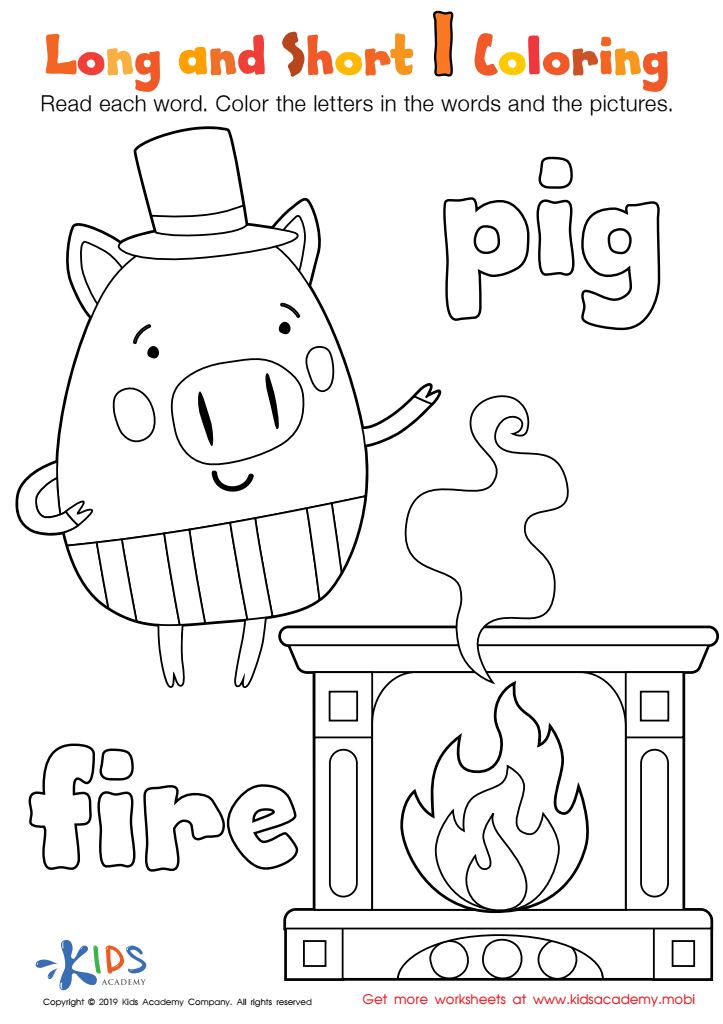
Long and Short I Worksheet
 Assign to My Students
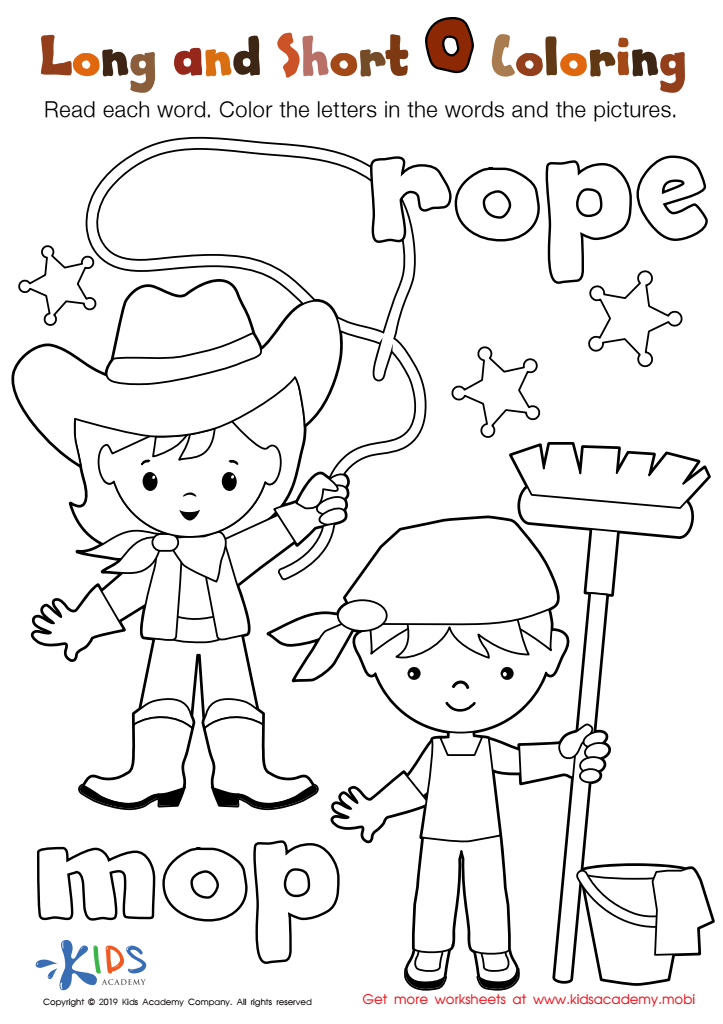
Long and Short O Worksheet
Assign to My Students








Phonics skills development is crucial for children aged 3-9 as it lays the foundation for their reading and writing abilities. At this stage, children are particularly receptive to learning sounds and letters, which are essential components of language acquisition. Understanding phonics helps children decode words, enabling them to read fluently and confidently.
For parents and teachers, fostering phonics skills promotes cognitive development and encourages a love for reading. Early phonics instruction can greatly influence a child's literacy journey, reducing the likelihood of reading difficulties later on. Engaging with phonics activities—such as rhyming games, letter-sound matching, and interactive reading—also strengthens a child's ability to recognize patterns in language.
Moreover, emphasis on phonics can lead to higher academic achievement and better communication skills. Children equipped with strong phonetic skills are not only proficient readers but also develop critical thinking abilities, which are vital for problem-solving and comprehension across subjects.
Incorporating phonics into daily learning routines nurtures creativity, vocabulary expansion, and self-expression, ultimately empowering children to navigate their world through the written word. Therefore, investing time and resources in phonics education benefits both parents and teachers by fostering well-rounded, literate individuals.







