
Reading practice Normal Phonics Worksheets for Ages 3-9
4 filtered results
Difficulty Level
Grade
Age
-
From - To
Subject
Activity
Standards
Welcome to our Reading Practice Normal Phonics Worksheets, specially designed for children aged 3 to 9! Our engaging, user-friendly worksheets promote phonetic understanding and early literacy skills through fun activities. These worksheets feature various exercises that help young learners recognize letters, sounds, and words, fostering confidence in their reading abilities. With vibrant illustrations and age-appropriate tasks, children will enjoy exploring the world of phonics while developing essential reading skills. Perfect for both classroom and home practice, our resources support educators and parents in cultivating a love for reading! Start your child's phonics journey today and watch their skills bloom!
Favorites
With answer key
Interactive
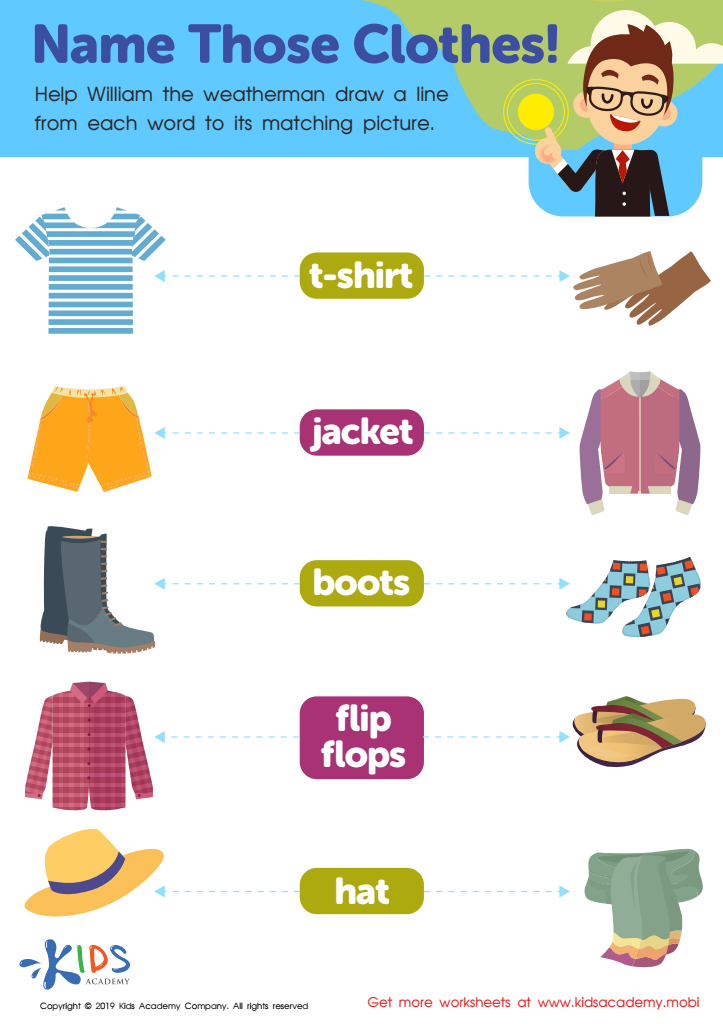
Name Those Clothes Worksheet
This worksheet will help your preschooler build their vocabulary, develop life-skills and work on fine motor skills. They'll analyze which clothing goes with the weatherman and match it to the word. It's a fun and interactive way to recognize high-frequency words.
 Assign to My Students
Name Those Clothes Worksheet
Worksheet
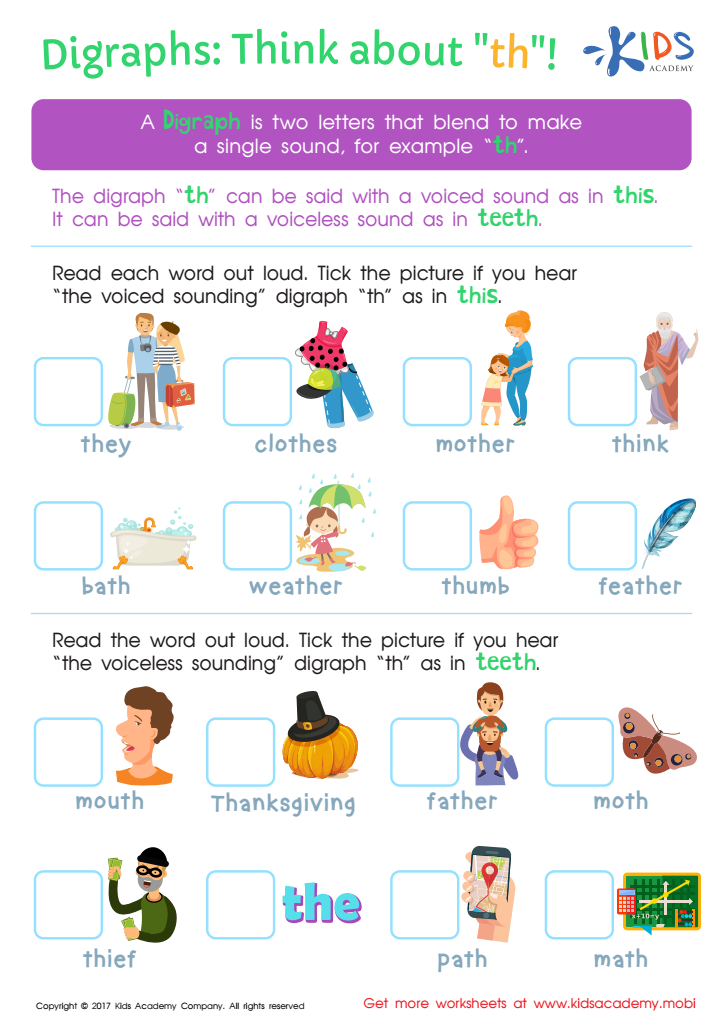
Digraphs: Think About "th" Worksheet
Help your child master phonics with this illustrated digraph Th printable worksheet. It will help recognize "Th" words, differentiate voiced and voiceless sounds and understand key concepts. Use similar words while they work to reap its full benefits!
Digraphs: Think About "th" Worksheet
Worksheet
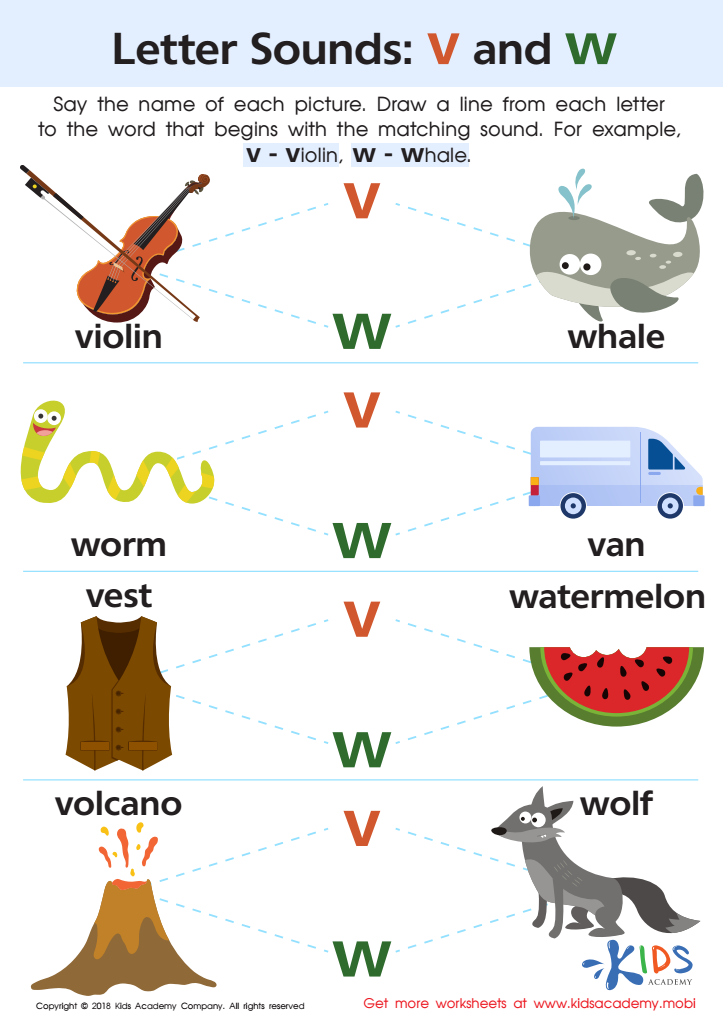
Letter V and W Sounds Worksheet
Help your child master the sounds of W & V while completing this fun phonics worksheet. Have them trace the dotted line from letter to picture while saying words like "worm", "violin" and "van" aloud to notice how each word begins with either W or V. Listen and pay attention to the pronunciation to complete the practice.
Letter V and W Sounds Worksheet
Worksheet
Join Kids Academy for Free
Who is primarily going to use this learning content?








Parents and teachers should prioritize reading practice using Normal Phonics for children ages 3-9 because it lays a foundational skill essential for literacy development. Phonics helps young learners recognize the relationship between letters and sounds, promoting effective decoding skills. This is particularly important in the early years, as it sets the stage for fluency in reading, which is crucial at later stages of education.
Engaging children in reading practice during this formative period not only aids in their academic development but also fosters a love for reading. Understanding phonics encourages children to explore books independently, nurturing their imagination and creativity. This has long-term benefits, leading to higher academic achievement and better communication skills.
Additionally, employing structured phonics programs aids teachers in delivering targeted lessons, enabling them to track student progress more effectively. For parents, participating in their child's reading journey promotes bonding and encourages a positive association with learning.
Ultimately, Normal Phonics offers a systematic and enjoyable approach to mastering reading, helping children confidently navigate their educational paths and fostering a lifelong enthusiasm for literacy. Prioritizing this practice equips our children with essential tools for success in an increasingly complex world.







